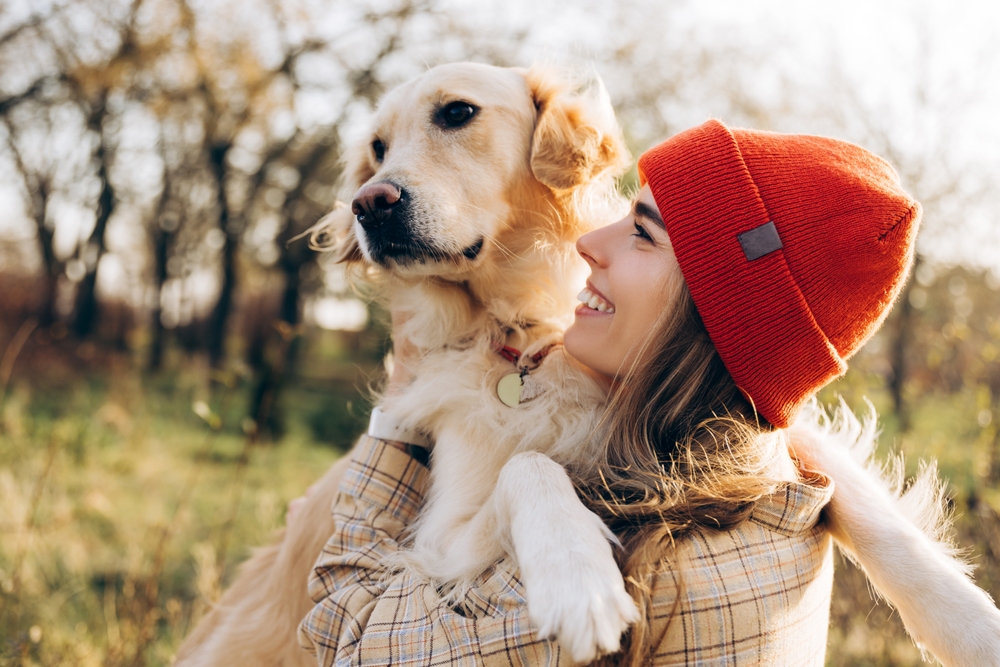

There is something that happens the first time a dog really chooses you. Not the tail-wagging-at-everyone routine. Not the polite sniff and wander off. The full deal – the following you from room to room, the head on your knee, the way they track your face during a phone call like they’re trying to understand every word. If you’ve experienced that, you know exactly how different it feels from just owning a pet.
Women tend to talk about this kind of connection a lot. And it’s not just a feeling. The relationship between women and dogs has actual behavioral science behind it. The way someone moves, speaks, pets, and responds to a dog has a measurable effect on how that dog feels around them – and research suggests women, on average, interact with dogs in ways that dogs find genuinely calming and safe.
None of that means any dog is destined to love you based on your gender alone. But it does mean that certain breeds – especially those bred specifically for companionship, emotional attunement, and close physical contact – tend to thrive with the kind of calm, gentle interaction that many women naturally offer. These are the dog breeds that bond more closely with women, the ones animal behaviorists and breed experts keep circling back to when the question comes up. Here are five of them.
Cavalier King Charles Spaniel
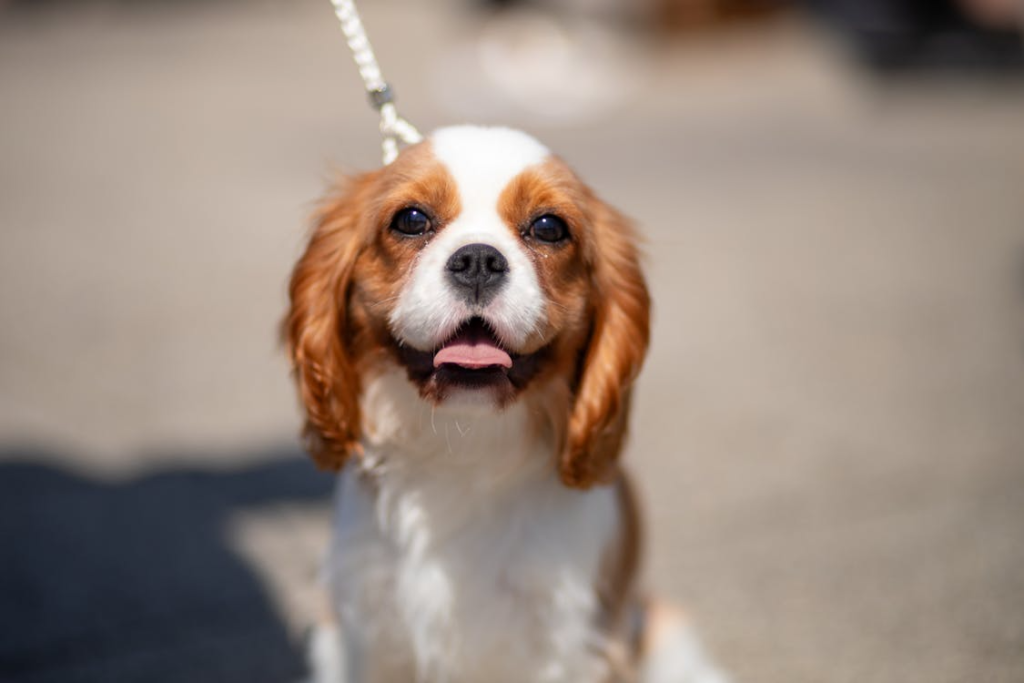
If you’ve ever met a Cavalier, you already understand the hype. These dogs have an almost eerie ability to read a room. Sit down after a hard day, and they’re on your lap within minutes. Start crying, and they’ll press into you before you’ve made a sound. They don’t just want affection – they seem to register your emotional state the way a good friend does, and respond to it.
Cavaliers form exceptionally close attachments and love to cuddle, rest their head on their owner’s lap, and maintain eye contact – and their gentle temperament and eager-to-please attitude make them deeply attuned to their person’s emotions. That last part is key. It’s not just that they’re affectionate in a generic, tail-wagging way. It’s that they pay attention. They watch you. They calibrate their behavior based on what they’re picking up from you, which is exactly the quality that makes certain dogs feel less like pets and more like companions.
Originally bred in the 16th century as lap dogs for European royalty, Cavalier King Charles Spaniels were intended to be the ultimate companions, providing love and warmth to their owners, and that royal background contributes significantly to their affectionate and friendly nature. Centuries of being bred specifically to be with people have produced a dog that genuinely doesn’t know how to be indifferent to its human.
Cavaliers are sensitive to both environment and emotions – they can sense when you’re sad or stressed and offer comfort, and loud or chaotic environments may make them uneasy. That sensitivity is a feature, not a flaw – but it does mean they’re a better match for someone with a relatively calm household. They’re not the dog for a busy, high-noise environment. They’re the dog for someone who actually wants to be known by their pet, not just followed.
Cavaliers make fantastic therapy dogs because they’re great at reading and understanding your emotions – given their companionable nature, it’s no surprise the breed excels in that role. Emotional intelligence is something that translates just as powerfully into everyday home life. A Cavalier isn’t performing affection. They mean it. And if you’re the kind of person who finds that sort of thing deeply appealing – who wants a dog that actually tracks your face and notices when something is off – you’ll find very few breeds that do it as naturally as this one.
Health is worth mentioning: finding a reputable breeder is critical due to their predisposition to a heart condition affecting the mitral valve, as well as a neurological condition called syringomyelia. Do your homework before choosing a breeder, and keep up with vet checkups throughout their life. The love is worth it – but so is going in with eyes open.
Shih Tzu
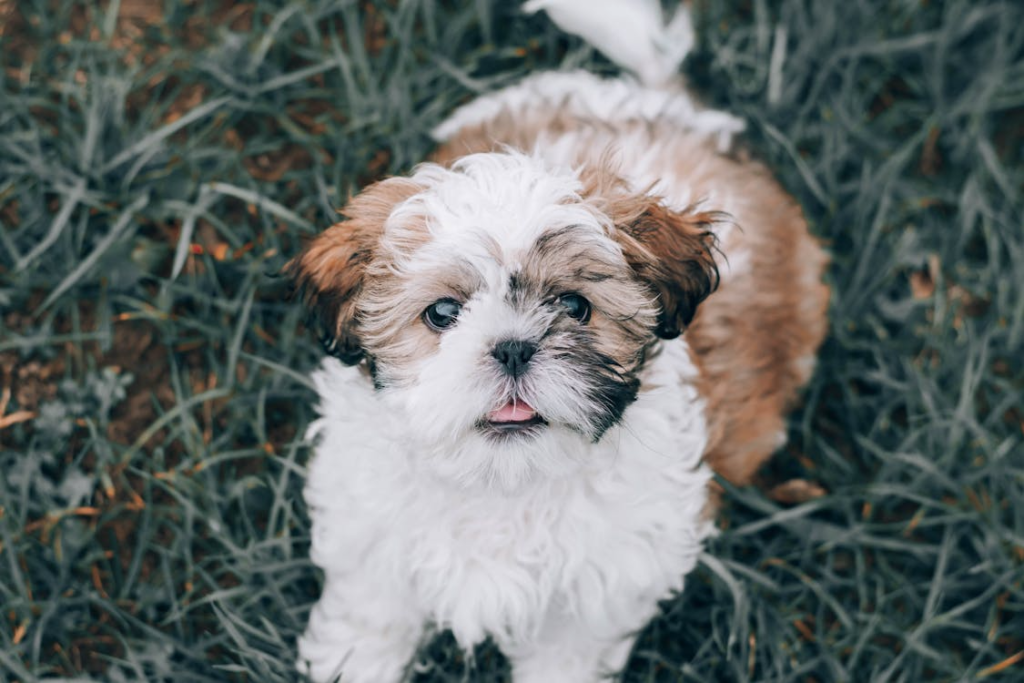
The Shih Tzu is one of those breeds that looks like a small lion and acts like a tiny emperor. They are opinionated, spirited, and deeply, devotedly attached to their person. They were bred to be companions – full stop. Not to hunt, herd, or guard. Just to be with people. That purpose is written into every inch of how they behave.
Originating from Tibet or China, the Shih Tzu is an ancient breed revered for its companionship and beauty, cherished by Chinese royalty, and with a long history as a lap dog – the Shih Tzu is known for its friendly disposition and long, flowing coat, which has been a hallmark of the breed for centuries. When a breed has been refined over that long a period specifically to be a companion animal, the instinct runs deep. These dogs don’t just tolerate closeness – they need it.
Spunky, sweet, loyal, and vivacious, a Shih Tzu bonds closely with its owner and is known for having a pep in its step and a personality that makes it seem like a perpetual puppy. That personality – playful but not overwhelming, affectionate but never passive – tends to click especially well with women who want a dog with a real character. A Shih Tzu will follow you around the house, snuggle on the couch, and occasionally side-eye a stranger who gets a little too comfortable. They’re selectively social in the best way.
Shih Tzus are gentle and calm, offering emotional support through quiet cuddles and soulful gazes – and despite their small size, they have big personalities and an even bigger capacity for love. They’re also extraordinarily adaptable to apartment living – low exercise needs, low shedding (their coat is more hair-like than fur), and a quieter disposition than many small breeds. Shih Tzus were bred to be companions and are prone to developing separation anxiety without constant care. That’s not a warning so much as a description of their attachment style – they want to be involved in your life, not left at the edge of it.
Known as “little lions,” Shih Tzus are affectionate lap dogs that live to snuggle and stay close to their humans – their popularity stems from their size and adaptability for an urban lifestyle, and they are the ultimate companions. If you work from home, if you live alone, if you want a dog who is genuinely invested in your company rather than just tolerating your presence until walk time, a Shih Tzu is a remarkably good match. Just be prepared for a dog with opinions.
Labrador Retriever
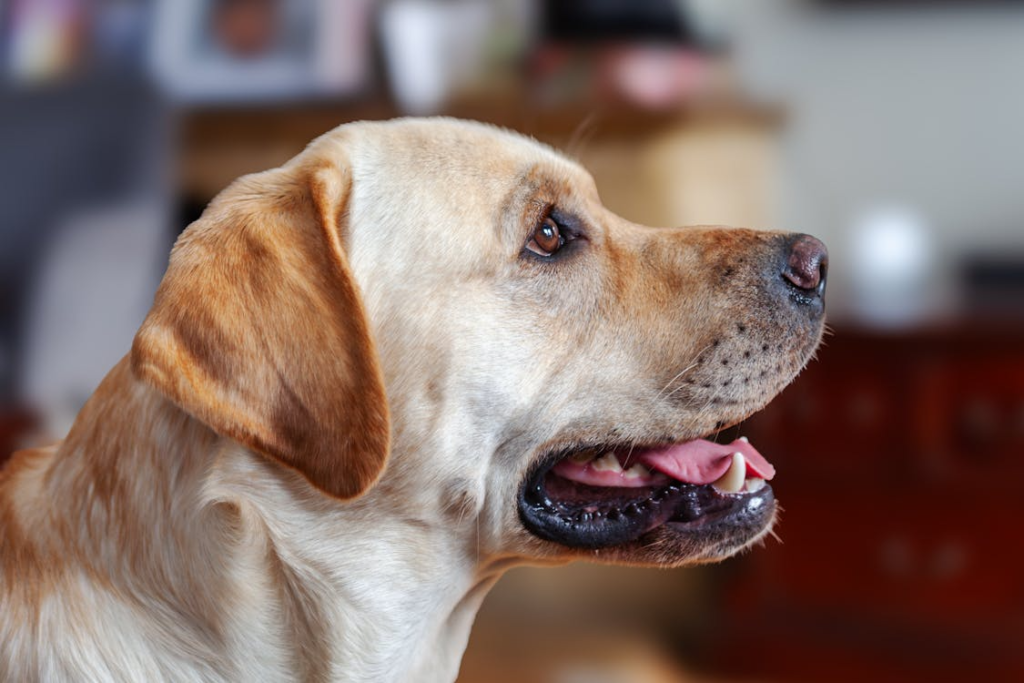
The Labrador is the most popular dog in America year after year, and it’s easy to assume that popularity comes from being reliably pleasant – a sort of golden-mean family dog that gets along with everyone. And while that’s not wrong, it undersells what a Lab is actually like to live with. These dogs don’t just get along with people. They orbit them.
Labs don’t just love their people – they orbit them. They’re famously food-motivated and play-driven, which makes training easier, but their real magic is emotional glue. A Lab will nudge your hand when you’re low, bring you a toy as a peace treaty after an argument, and curl up at your feet like living reassurance. That kind of attunement – the checking in, the response to mood, the instinct to be close when something feels off – is exactly what tends to create the deep bonds between dogs and female owners that animal behaviorists point to.
As one of America’s favorite breeds, the Labrador Retriever is known for intelligence, friendliness, and versatility – whether working as a service dog, excelling in canine sports, or simply being a loyal family companion, Labs adapt to almost any environment. That adaptability matters more than it sounds. A dog that settles into your life rather than demanding you reorganize around theirs is one that forms bonds faster and more naturally.
Many popular breeds like Labradors, Golden Retrievers, and German Shepherds are used as therapy and service dogs because of their gentle nature and adaptability. The therapy and service world doesn’t choose breeds by accident. Labs read people well. They respond to emotional cues. They work with their humans rather than independently of them. All of that translates to life at home in ways that make them feel less like a dog you own and more like a companion who genuinely chose you back.
The exercise needs are real – Labs are high-energy dogs that need substantial daily activity to stay happy and well-behaved. Labs are a high-energy commitment, meaning they’ll need about two hours of exercise each day to stay out of mischief and maintain a healthy weight. But for women who love walking, hiking, running, or just being outside, that’s not a drawback – it’s one of the best things about them. A Lab will make you a more active person, enthusiastically and without complaint.
Poodle
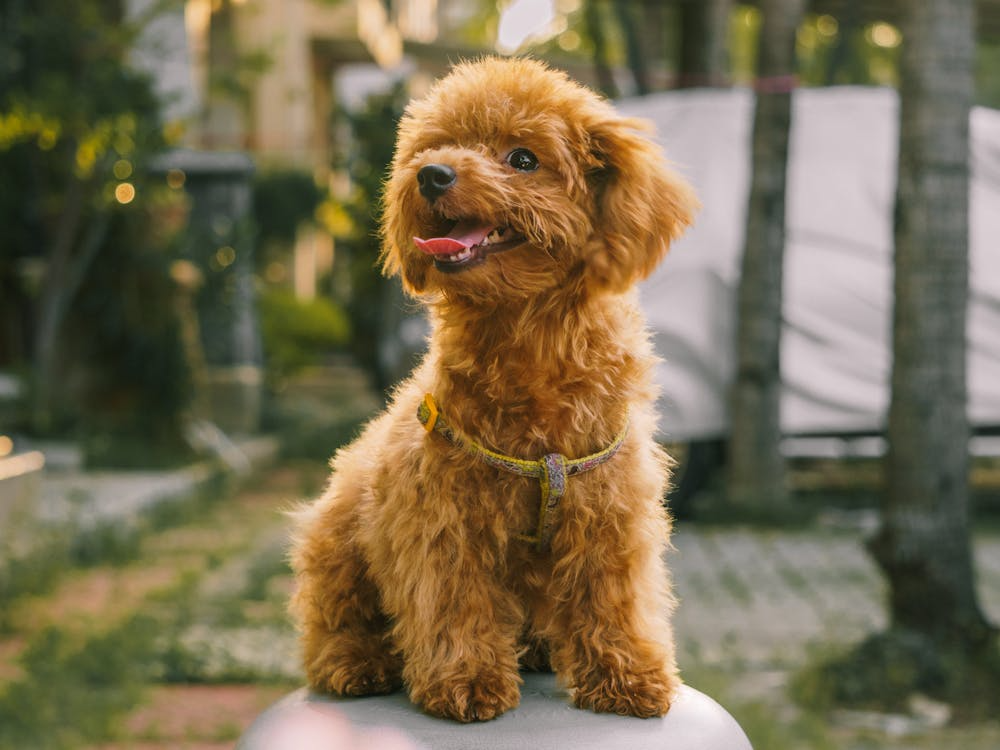
The Poodle is possibly the most underestimated dog in existence. People see the haircut and miss the dog. But spend any time around one, and it becomes very clear, very quickly, that you are dealing with something remarkable: a dog that is almost unsettlingly good at reading the person in front of them.
All sizes of Poodle bond closely with their families and prefer being included in activities – they’re sensitive dogs who read emotions well, and this trait makes them excellent therapy and emotional support animals. That emotional sensitivity is what keeps coming up in discussions about dog breeds that form strong bonds with women, specifically. Dogs that respond to the person they’re with – that adjust, that notice, that engage rather than just coexist – are the ones most likely to create the kind of deep, specific attachment that feels different from ordinary pet ownership.
Poodles are highly intelligent and emotionally intuitive dogs that excel at forming strong human connections – whether toy, miniature, or standard, they thrive on companionship and love to please their humans. They’re attentive listeners and affectionate snugglers, always ready to share moments of joy or provide comfort when needed, and their combination of intelligence and loyalty makes them remarkable companions.
Poodles come in three sizes – standard, miniature, and toy – and each size retains the breed’s intelligence and hypoallergenic qualities. That flexibility is a genuine advantage. If you live in an apartment, a Toy or Miniature Poodle fits your life. If you have a yard and want a more active companion, a Standard Poodle is one of the most athletic and trainable dogs you can own. The personality remains consistent across all three: curious, warm, deeply engaged with their person.
Up 4% in popularity in 2025, Miniature Poodles bring all the brains and charm of a standard poodle in a smaller package – these lovable “velcro dogs” stick close to their humans, which may be exactly why they’ve held the trending spot again this year. The grooming commitment is real – Poodles need regular professional trims and daily brushing. But the low-shedding coat is a significant plus for allergy sufferers, and the grooming sessions themselves become a natural part of the bonding routine. A dog that needs regular, quiet, hands-on attention from you is one that learns you closely – and learns you well.
Golden Retriever
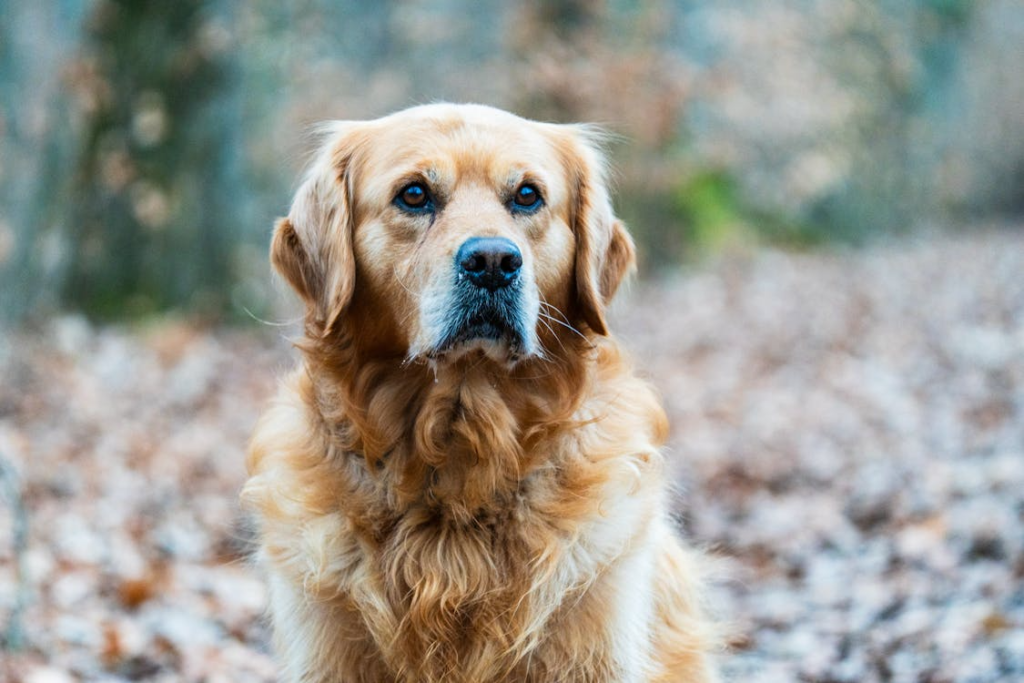
Goldens are the ones everyone pictures when they imagine the perfect family dog, and the reputation is earned. But what gets underreported is how emotionally specific a Golden’s attachment can be. They may be warm and welcoming with everyone, but the person they’ve claimed as their own gets something noticeably different. More sustained. More present. More like an actual relationship.
Golden Retrievers’ friendliness is legendary, and the bonds that they share with their owners run very deep – they are often used in the service dog world precisely because of how reliably they tune into human emotional states. That quality – being emotionally available in a way that actually registers as care rather than just behavior – is what separates a great companion dog from a merely pleasant one.
Golden Retrievers are renowned for their friendly and gentle nature – these highly intelligent dogs are easy to train, get along well with children and other pets, and their love of play and eagerness to please make them ideal companions for active families who enjoy outdoor activities. The eagerness to please is worth dwelling on. It’s not submissiveness – it’s attunement. A Golden is paying attention to what you want and actively working to provide it, which is a form of connection in itself.
Golden Retrievers and Labrador Retrievers are ranked as two of the most popular dog breeds every year by the American Kennel Club – both breeds are similar in size, disposition, intelligence, and lifespan, and they’re renowned for gentle, affectionate, and playful demeanors, with Labradors and Golden Retrievers being loyal, eager to please, and highly trainable. What differentiates the Golden from the Lab in terms of bonding tends to be temperament texture: Goldens are often described as slightly softer, slightly more emotionally demonstrative, with a gentleness that makes them especially responsive to calm, warm interaction.
Golden Retrievers radiate sunshine with every wag and smile – their silky coats and kind eyes make them natural ambassadors wherever they go, and they are eager to please, beautifully trainable, and shine in families, therapy work, and weekend adventures. They’ll also make you feel guilty if you skip a walk, which is both annoying and extremely effective for your well-being. That’s part of the deal with a Golden. They’ll pull you into a better routine without ever seeming like they’re trying.
What Actually Creates the Bond
It’s worth being clear about something, because the science here is interesting and the misconception is common. Scientific evidence and behavioral studies indicate canine preferences for human companions are shaped more by individual personalities, socialization, and early experiences than by the owner’s gender. No breed is hardwired to love women more than men. That’s not quite how it works.
What does happen is this: most dogs are cared for by women and are thus more comfortable around them – a socialization effect, not a breed-specific one. Most animal care workers and veterinarians are female, which means dogs across all breeds are more frequently socialized with women during formative periods. So the pattern is real, but the cause is environmental, not biological. Dogs that spend their critical developmental window – roughly between 3 and 14 weeks of age – around calm, gentle, emotionally attentive caregivers will bond more readily with people who interact in those same ways later in life.
Research from Virginia Tech’s Erica Feuerbacher, Ph.D. found that petting by female volunteers reduced cortisol levels in dogs more than petting by male volunteers, and that dogs showed more stress when being walked by men compared to women. The finding isn’t that women are inherently more lovable to dogs – it’s that the interaction style matters enormously. Lower-pressure, softer movements, gentler voices, longer eye contact – these are the behaviors that calm dogs, and they’re the behaviors that tend to produce deeper, more enduring bonds.
The five breeds on this list are all, in different ways, particularly attuned to exactly that kind of interaction. On average, female humans tend to have more positive attitudes towards dogs than male humans do – but studies have demonstrated that both dogs and humans release oxytocin while spending quality time together. It’s the quality of the relationship, not the gender of the person, that ultimately determines how deep the bond goes. But if you’re a woman looking for a dog who might be especially well-suited to how you naturally engage – attentive, emotionally present, and patient – any of these five breeds is an excellent place to start.
A.I. Disclaimer: This article was created with AI assistance and edited by a human for accuracy and clarity.