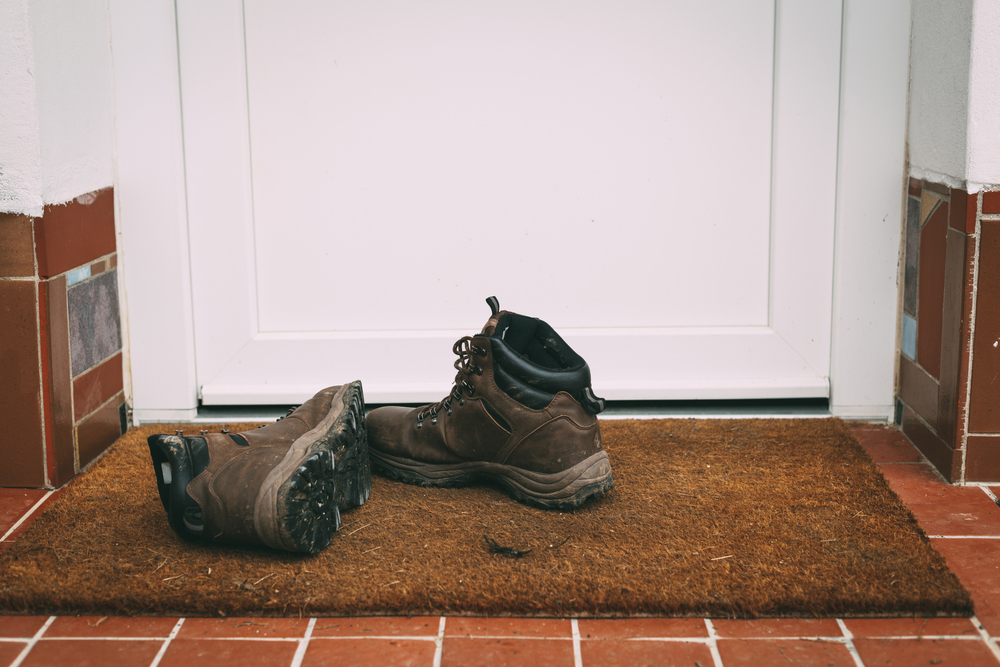

Most people do not think twice about what happens the moment they walk through their front door. It is usually automatic: step inside, drop your bag, maybe head straight to the kitchen or couch. Shoes stay on because that is just how it has always been. There is no real reason to question it, and for many households, it simply feels normal.
At the same time, the home is one of the few places where people have full control over their environment. It is where comfort matters most, where routines take shape, and where small daily habits quietly influence how the space looks and feels. Some of those habits make life easier, while others stick around simply because they have never been challenged.
Keeping shoes on indoors falls into that second category more often than people realize. It is convenient, familiar, and easy to overlook. But when you take a closer look at what those shoes carry in, and how that affects your space over time, it starts to feel less like a neutral choice and more like something worth reconsidering.
This is not about turning your home into a strict or overly controlled space. It is about noticing how a small shift in routine can make everyday life a bit cleaner, a bit easier, and a bit more comfortable without adding effort or complexity.
Once that perspective clicks, the idea of leaving shoes at the door stops feeling like an extra step. It starts to feel like the more practical option.
It Keeps Dirt, Germs, and Outdoor Residue Out of Your Living Space
Shoes travel through places most people would not willingly touch with their hands. Pavements, public restrooms, sidewalks, parking lots, and shared indoor spaces all leave behind residue. That includes visible dirt, but also bacteria, chemicals, and grime that cannot be seen. Every step outside collects a layer of that material, and it stays on the soles until it is carried somewhere else.
When shoes are worn inside, all of that gets transferred directly onto floors and surfaces. It does not stay contained near the entrance. It spreads through every room you walk into, settling into carpets, rugs, and even areas where people sit or relax. Over time, this builds up in a way that regular cleaning struggles to fully reverse, especially in high-traffic areas.
This matters more than it seems. Floors are not just walked on. People sit on them, children play on them, and pets spend most of their time there. What gets brought in from outside becomes part of the indoor environment, whether it is noticed or not. Even if a home looks clean, that invisible layer still exists.
Removing shoes at the door acts as a simple barrier. It stops most of that transfer before it even begins. Instead of constantly trying to clean up what has already been brought inside, the problem is reduced at the source. That one step makes a measurable difference in how much dirt and bacteria enter the home.
It also changes how quickly things get dirty. Without shoes tracking in debris, surfaces stay cleaner for longer. Dust builds up more slowly, and floors do not require as much frequent attention. The space starts to feel fresher, not because of more cleaning, but because less is being brought in daily.
This is not about perfection or trying to eliminate every trace of dirt. It is about reducing what does not need to be there in the first place. And once that becomes part of the routine, it requires almost no effort to maintain.
It Protects Your Floors From Long Term Damage
Floors are one of the most used surfaces in any home, yet they are often taken for granted until visible damage appears. Whether it is hardwood, tile, laminate, or carpet, every type of flooring experiences wear over time. What many people do not realize is how much that wear is accelerated by wearing shoes indoors.
Small particles like sand, gravel, and grit easily get trapped in the soles of shoes. Once inside, those particles act like abrasives. With every step, they grind against the surface, creating tiny scratches or weakening fibers. These marks are not always noticeable right away, but they build up gradually until the floor starts to look dull, worn, or damaged.
Hardwood floors are especially vulnerable. Even a small amount of grit can create fine scratches that affect the finish. Over time, this leads to visible wear patterns, especially in high-traffic areas like hallways and living rooms. Carpets face a similar issue, as embedded particles break down fibers and reduce their lifespan.
High heels and heavy footwear can add to the problem. Concentrated pressure in certain areas can leave dents or marks that are difficult to repair. Once damage reaches a certain point, it often requires refinishing, deep cleaning, or full replacement, all of which can be costly and time-consuming.
Removing shoes at the door significantly reduces this type of damage. Without constant exposure to abrasive particles, floors maintain their original condition for much longer. The surface stays smoother, finishes last longer, and carpets retain their texture and appearance.
This is not just about keeping things looking good. It is about extending the life of something that is used every day. Floors are a major part of any home, and protecting them does not require complicated maintenance. It starts with a simple habit that prevents unnecessary wear from the beginning.
It Cuts Down Cleaning Time Without Changing Your Routine
Cleaning is part of maintaining any home, but how often it needs to be done depends heavily on daily habits. Wearing shoes indoors increases the amount of dirt that accumulates on floors, which leads to more frequent sweeping, vacuuming, and mopping. Even with regular cleaning, it can feel like the floors never stay clean for long.
This creates a cycle where effort increases but results stay the same. Dirt is brought in daily, spreads quickly, and settles into surfaces faster than it can be removed. High traffic areas become harder to maintain, and cleaning starts to feel repetitive rather than effective.
Removing shoes at the door changes that dynamic in a practical way. When less dirt enters the home, less dirt needs to be cleaned. Floors stay cleaner for longer periods, and the intensity of cleaning can be reduced without sacrificing results.
This does not mean cleaning stops altogether. It simply becomes more manageable. Instead of constant maintenance, cleaning shifts to a more balanced routine. Surfaces do not require as much attention, and the time spent on upkeep decreases without additional effort.
It also makes cleaning more efficient. Without layers of tracked-in debris, sweeping and mopping become quicker and more effective. You are not working against daily buildup, which makes each cleaning session feel like it actually lasts.
Over time, this saves both time and energy. The home feels easier to maintain, and cleaning becomes less of a constant task. All of this comes from a single adjustment that reduces the problem at its source rather than trying to manage it afterward.
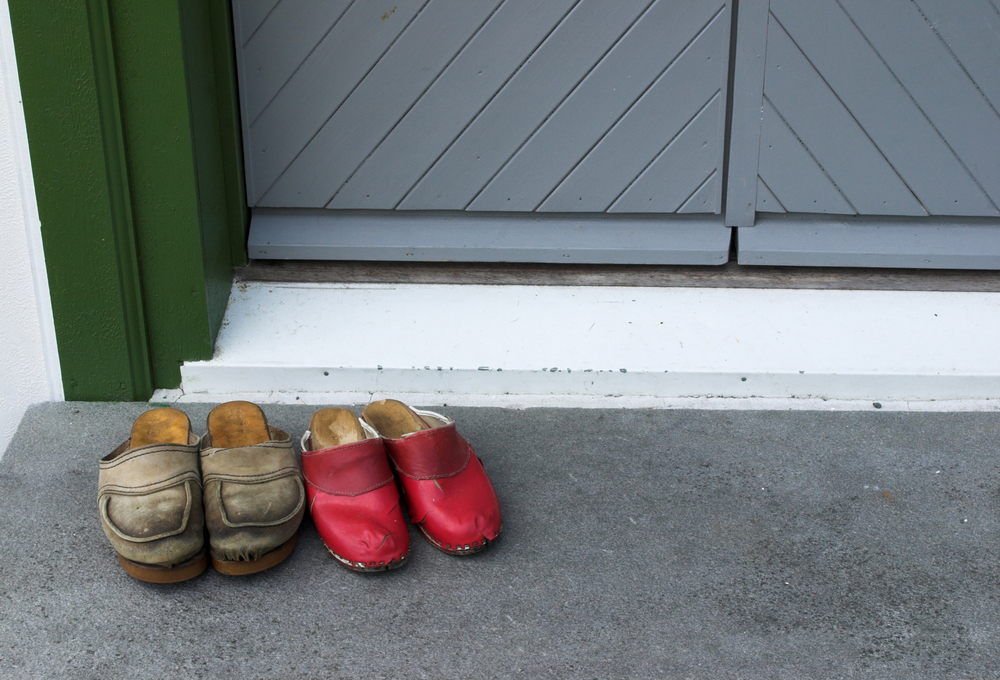
It Creates a More Relaxed and Comfortable Home Environment
There is a clear difference between how a space feels when it is treated as an extension of the outside world versus a place meant for rest. Wearing shoes indoors keeps that outside element present. It maintains a sense of movement and activity rather than allowing the space to fully shift into a more comfortable setting.
Shoes are designed for function, not comfort, inside the home. They are structured, often tight, and built to handle outdoor conditions. Keeping them on indoors can feel restrictive over time, even if it is not immediately obvious. Removing them allows the body to relax in a way that is more natural for being at home.
This change also affects how people interact with their space. Sitting on the floor, stretching out, or walking freely becomes more comfortable when there is no concern about what is being tracked in. The environment feels more usable, not just visually clean but physically easier to enjoy.
There is also a psychological shift. Taking shoes off signals that the day outside has ended and that you are now in a different setting. It creates a boundary between public and private space, which can help reinforce a sense of comfort and ease.
For households with children or pets, this becomes even more noticeable. The floor becomes a cleaner, more inviting place to play or relax. There is less hesitation around using the full space, which changes how the home is experienced daily.
Comfort is not only about furniture or layout. It is also about how the space is used. Removing shoes helps create an environment that feels more aligned with rest and ease rather than activity and movement.
It Builds a Simple Habit That Improves Your Home Without Effort
Some habits require discipline, planning, and constant attention. Others are simple enough to become automatic with very little effort. Taking shoes off at the door falls into the second category. Once it becomes routine, it happens without thought, but the impact continues every day.
The simplicity is what makes it effective. There is no complicated system, no extra tools, and no major adjustments needed. It is a quick action that takes a few seconds but influences how the entire home is maintained over time.
It also encourages consistency. When one person starts the habit, it often extends to others in the household. Guests tend to follow the same pattern when they see it is the norm. This creates a shared routine that reinforces itself without needing constant reminders.
Over time, the benefits build quietly. Cleaner floors, less maintenance, and a more comfortable environment all stem from that single repeated action. It does not require ongoing effort to maintain the results, because the habit itself prevents the problem from growing.
This is what makes it sustainable. It does not rely on motivation or strict rules. It becomes part of daily life in a way that feels natural rather than forced. Once it is established, it is easier to keep than to ignore.
Small changes often have the most lasting impact because they are easy to maintain. Removing shoes at the door is one of those changes. It does not feel significant in the moment, but over time, it shapes the home in a way that is noticeable and lasting.
Why Going Barefoot Indoors Isn’t Always the Best Idea
Taking shoes off at the door makes sense for cleanliness and comfort, but that does not automatically mean going barefoot is the best follow up. It might feel natural at first, especially after a long day, but over time, it can create a few practical issues that are easy to overlook.
The first concern is what still exists on your floors, even in a well maintained home. Dust, fine debris, and small particles settle continuously throughout the day. Even if the space looks clean, there is always a layer of buildup that is not immediately visible. Walking barefoot means direct contact with that surface, which can lead to irritation or discomfort, especially over longer periods.
There is also the issue of hygiene. Feet come into contact with everything on the floor, and then often move onto furniture, rugs, or even bedding without much thought. This makes it easier for dirt and bacteria to spread within the home, just in a different way than wearing outdoor shoes would. It may seem like a cleaner option, but it still carries its own set of concerns.
Support is another factor that tends to be underestimated. Most indoor flooring is hard and unforgiving, whether it is tile, wood, or laminate. Walking barefoot on these surfaces for extended periods can put strain on the feet, especially on the heels and arches. Over time, this can lead to discomfort, fatigue, or even minor pain, particularly for people who spend a lot of time on their feet at home.
Temperature also plays a role. Floors can feel cold, especially in the morning or during certain seasons. Constant exposure to cold surfaces is not always comfortable and can make the home feel less inviting than it should. While it may seem like a small detail, it affects how the space is experienced day to day.
There is also the risk of minor injuries. Small objects, crumbs, or sharp particles that go unnoticed can cause discomfort or even small cuts when stepped on. It does not happen often, but it is common enough to be a consideration, especially in busy households.
Going barefoot can feel convenient, but it is not always the most practical option for daily life. It solves one problem, removing outdoor dirt, but introduces a different set of smaller issues that can add up over time.
A Better Alternative That Keeps Things Practical: House Slippers
If removing shoes at the door improves cleanliness but going barefoot creates its own issues, there is a middle ground that solves both problems without adding effort. House slippers offer a simple, practical solution that fits naturally into everyday routines.
Unlike outdoor shoes, slippers stay inside. That alone makes a difference. They are not exposed to pavements, public spaces, or anything tracked in from outside, so they maintain a much cleaner surface. At the same time, they create a barrier between your feet and the floor, which helps with both hygiene and comfort.
Comfort is where slippers stand out. They provide cushioning that hard floors cannot offer, which reduces strain on the feet over time. This becomes especially noticeable for people who spend long periods walking or standing at home. Instead of feeling the impact of each step on a hard surface, there is support that makes movement easier and more relaxed.
They also help regulate temperature. Floors can feel cold, particularly in the mornings or during cooler seasons, and slippers add just enough insulation to keep things comfortable without feeling heavy or restrictive. It is a small detail, but it changes how the space feels throughout the day.
Another advantage is consistency. Slippers reinforce the habit of removing outdoor shoes without making it feel inconvenient. The transition becomes automatic, step in, take shoes off, slip into something clean and comfortable. It keeps the routine simple while maintaining the benefits.
Over time, this approach creates a balance. The home stays cleaner, floors last longer, and comfort is maintained without compromise. It does not require extra effort or strict rules. It is just a practical adjustment that fits easily into daily life and improves how the space is used.
This article was created with the assistance of AI tools and reviewed by a human editor.