
A yard can feel like its own little world. You plant flowers, water the lawn, maybe hang a feeder, and hope it becomes a place that feels alive without turning into total chaos. Birds are usually part of that picture. Many are helpful, interesting to watch, and even good for the health of a garden. But not every bird is a welcome guest. Some are loud from sunrise to sunset. Some bully smaller songbirds. Others tear into trash, steal pet food, leave a mess on decks, or peck at fruit right before you planned to pick it.
That does not mean these birds are evil or that they have no place in nature. It just means they can create real problems in a yard, especially when they start treating it like their personal food court, bath house, and meeting spot. The trouble usually comes down to numbers and behavior. A single bird might not be a big deal. A flock that shows up every day is another story.
Some of the birds on this list are native in certain places, and some are invasive in others. A few are smart enough to figure out human routines fast. Once they realize your yard has seed, water, shelter, pet bowls, or ripe produce, they may keep coming back. That is when a peaceful outdoor space can start feeling noisy, dirty, and hard to manage.
Here are the common birds many people would rather not attract to their yard, and the reasons they tend to wear out their welcome.
European Starlings
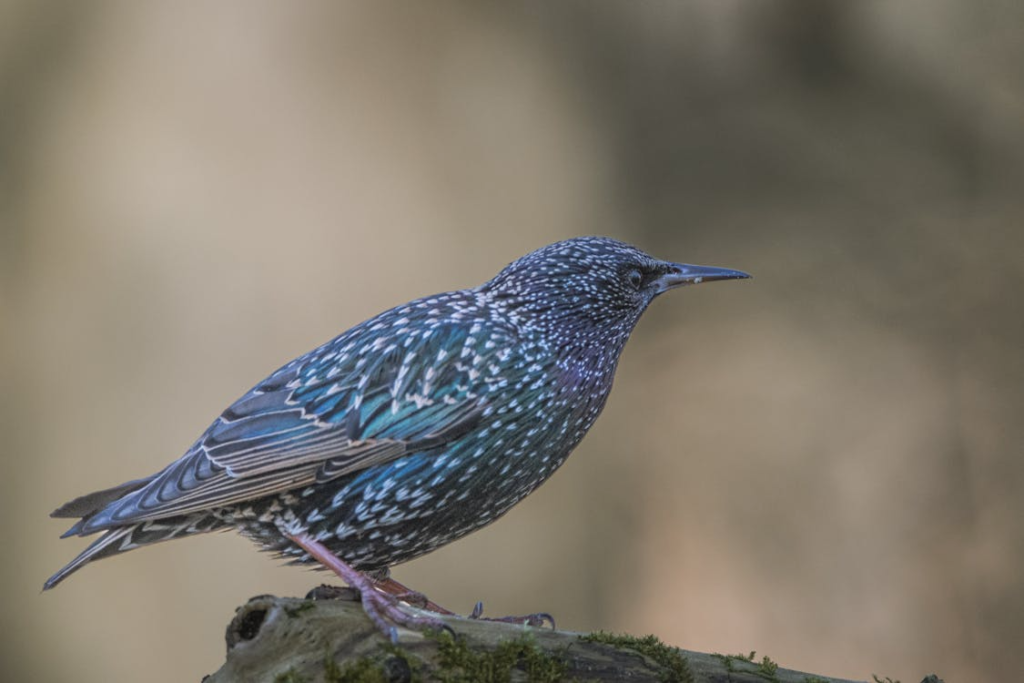
European starlings are one of the biggest yard troublemakers in many places. They travel in groups, they move with confidence, and they do not waste time being polite around other birds. Once they find a food source, they often dominate it. A feeder that might have attracted chickadees, finches, or woodpeckers can suddenly turn into a starling cafeteria, with very little left for anything else.
Part of the problem is how adaptable they are. Starlings will eat almost anything. Seeds, fruit, scraps, insects, and pet food all appeal to them. That makes them hard to discourage if your yard offers several easy meals. They also nest aggressively, often taking over cavities that native birds need. That includes birdhouses people put up specifically to help more desirable species. If a starling gets there first, smaller birds usually lose.
They are not just competitive, either. They are noisy. A small group can sound like a full argument happening in a tree. Larger flocks can turn a yard into a constant rush of whistles, clicks, squeals, and harsh chatter. Their droppings are another problem. When enough starlings gather in one place, fences, patios, outdoor furniture, and cars can end up coated fast.
What makes them especially frustrating is how quickly they spread the word. One bird finds food, then many more seem to follow. That is why people who casually toss seed into the yard often end up with far more starlings than they ever expected. They are clever, persistent, and very hard to outnumber once they settle in.
House Sparrows
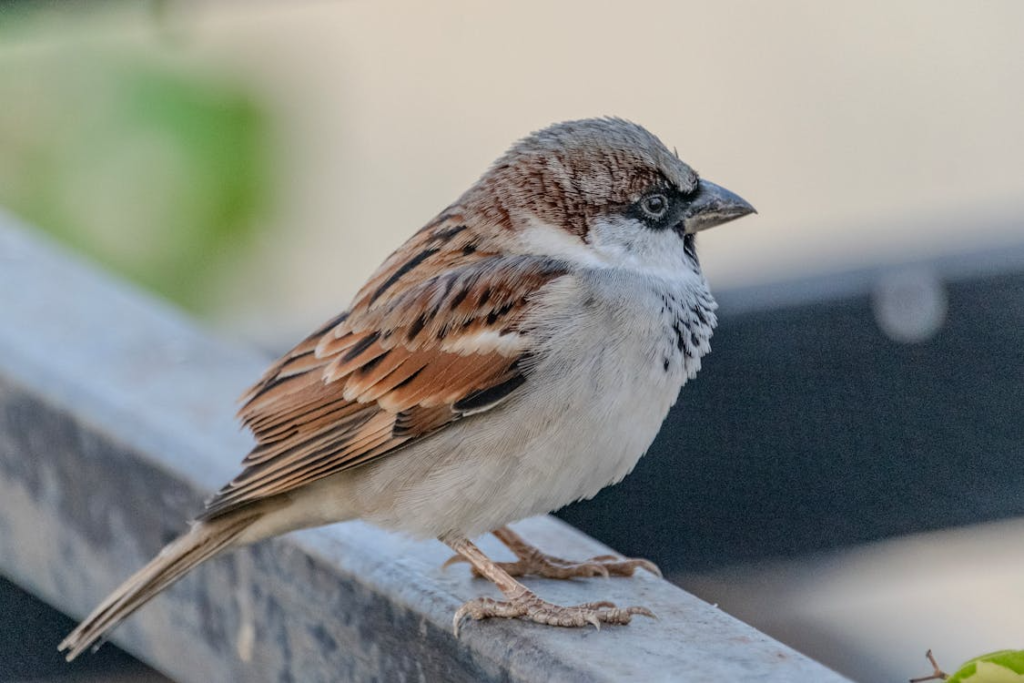
House sparrows are easy to underestimate. They are small, familiar, and common enough that many people hardly notice them at first. But once you pay attention to how they behave, they often become one of the most irritating birds in a yard. They are bold around feeders, quick to move into nesting spaces, and known for driving off birds that people actually want to attract.
One major issue is their attitude toward birdhouses. House sparrows do not simply move in where space is available. They often force their way into nest sites that bluebirds, swallows, or chickadees might use. In some cases, they destroy eggs or attack nestlings. That makes them especially unwelcome for anyone trying to support native cavity-nesting birds.
They are also messy eaters. A small flock can scatter seed everywhere while picking through for favorites. Instead of feeding neatly and moving on, they tend to hang around, argue, and come back again and again. That spilled seed can then attract rodents, which creates a second problem you did not ask for.
Their numbers can build quickly because they adapt well to human spaces. Roof edges, vents, signs, awnings, and small gaps around buildings all become possible nesting spots. Once they start using your home and yard as a base, they can be hard to push out. Their chirping may sound harmless in a single burst, but when it starts before dawn and continues through the day, it loses its charm fast.
A yard full of house sparrows may still look lively, but it often becomes less diverse. When one aggressive species starts running the show, the quieter and less assertive birds tend to disappear.
Common Grackles
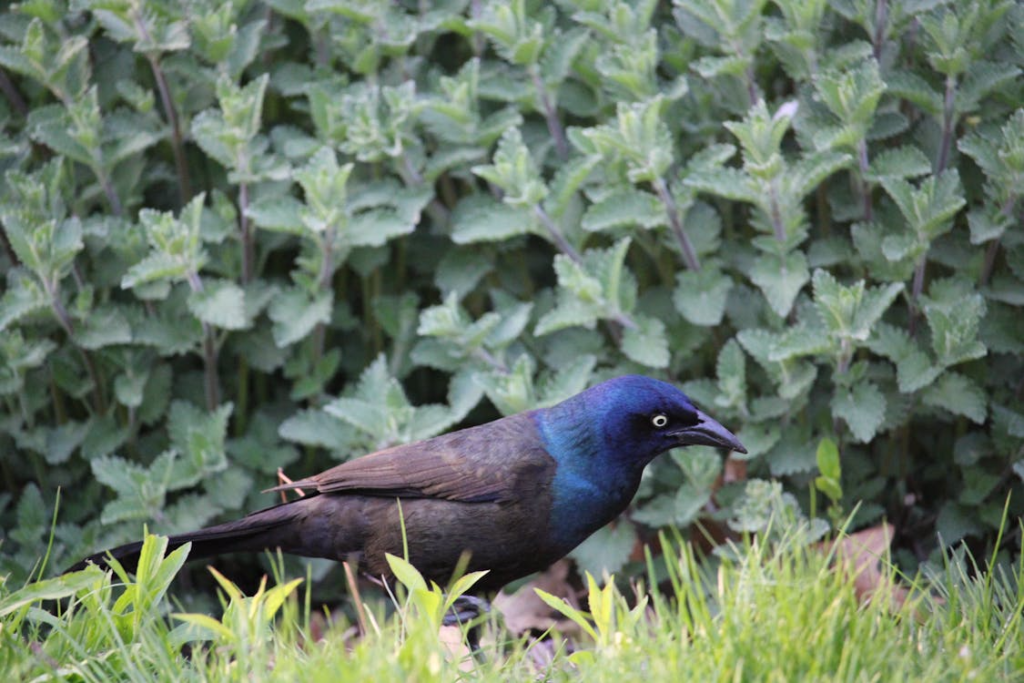
Common grackles are easy to spot once you know their look. They are bigger than many backyard birds, with long tails, piercing eyes, and glossy dark feathers that flash blue, purple, or bronze in the light. They can be beautiful from a distance. Up close, especially in groups, they are often a headache.
Grackles arrive with attitude. They are loud, forceful, and not shy about muscling smaller birds away from food. A few grackles can empty a feeder very quickly. A dozen can wipe it out before the usual visitors get anywhere near it. They also forage on the ground, dig through mulch, and peck at fruits and vegetables in gardens. If you grow berries, tomatoes, or sweet corn, grackles can become a recurring problem.
Another reason people dislike them is the sheer noise level. Their calls are not soft or musical. They creak, squeal, clack, and chatter in a way that sounds rough and mechanical. One or two in a tree might not matter much. A flock gathering every evening can become impossible to ignore.
Grackles also like open lawns and human food sources. That means pet food, dropped seed, outdoor dining leftovers, and unsecured garbage can all draw them in. Once they get comfortable, they may begin visiting daily. Their size and confidence let them crowd out smaller birds at baths and feeding stations, leaving less room for species people actually enjoy watching.
They are part of the natural landscape in many regions, but that does not make them easy yard guests. When their numbers rise, they often change the whole tone of a space, making it feel less like a bird-friendly yard and more like a loud feeding zone.
Crows
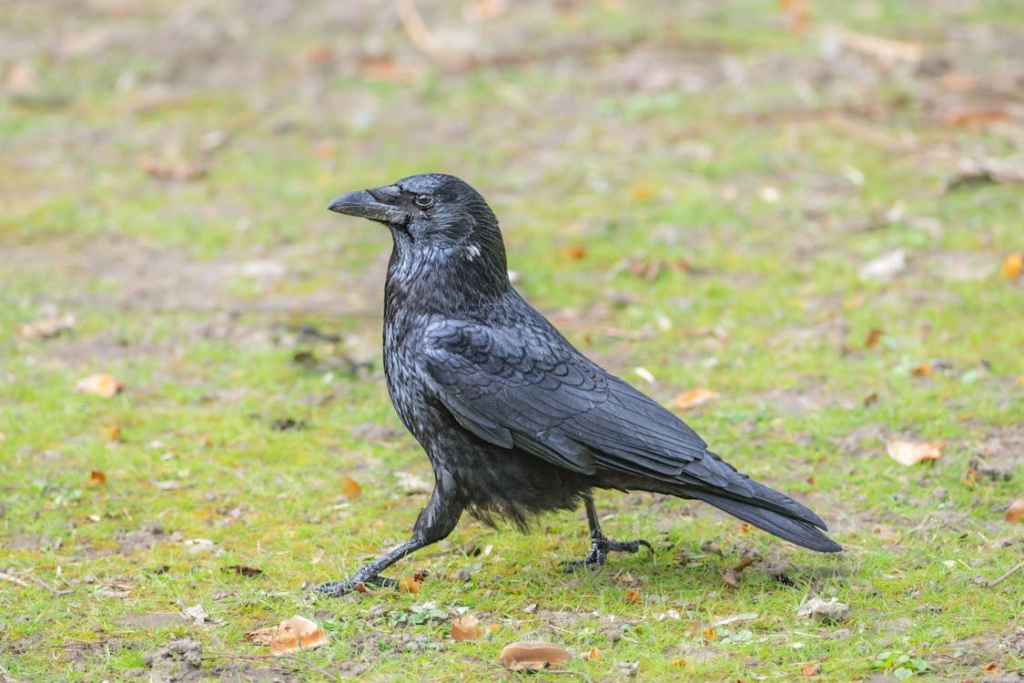
Crows are among the smartest birds most people will ever see up close. They solve problems, recognize faces, and remember useful places. That intelligence is exactly why they can become such difficult yard visitors. Once a crow learns your yard offers food, water, or a safe perch, it may keep checking back and bring others with it.
A single crow often is not a problem. In fact, many people enjoy seeing one. The trouble starts when a yard becomes part of a regular crow route. Then the noise picks up. Their cawing is loud, direct, and hard to ignore. Early morning visits can be especially annoying, particularly when several birds begin calling back and forth from nearby trees or rooftops.
Crows are also opportunists. They will raid trash, steal pet food, and investigate outdoor eating areas. They may pull apart bags, scatter scraps, and leave a mess behind. In some yards, they also go after eggs or nestlings from smaller birds, which makes them unpopular with people trying to create a safer space for songbirds.
Because they are so smart, basic deterrents often fail. Move a feeder, and they notice. Cover trash, and they test the weak spots. Chase them once, and they may stay away briefly, then return when things seem safe again. They learn routines, and that makes them harder to manage than birds that simply wander through.
Crows also influence the behavior of other birds. Smaller species often go silent or disappear when crows are nearby. The yard may still have bird activity, but it becomes less relaxed and more tense. For people who want a softer, more peaceful kind of wildlife presence, frequent crow visits can feel like too much.
Pigeons
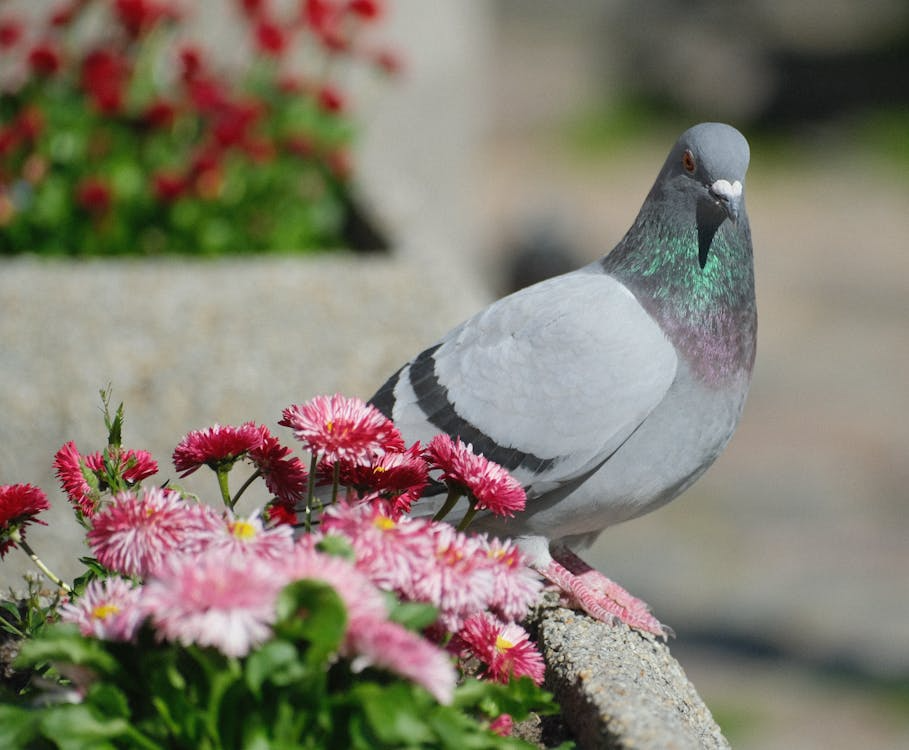
Pigeons are so familiar that many people stop thinking about them as yard birds at all. They seem more like part of the background in urban and suburban life. But when pigeons begin using a yard, roofline, or patio regularly, they create some very obvious problems. The biggest one is the mess.
Pigeon droppings build up fast. Railings, decks, outdoor tables, fences, ledges, and cars can all end up splattered if pigeons decide your property makes a good resting place. The cleanup is not pleasant, and when droppings collect in one area over time, they become more than just an annoyance. They can stain surfaces, create odor, and make outdoor spaces less usable.
Pigeons also tend to return to places where they feel secure. Flat roof edges, beams, sheds, and covered patios can all become favorite spots. Once they establish a routine, they may roost there daily. That means the mess keeps coming, even if you clean it up. If food is available, the problem gets worse. Seed on the ground, open trash, and pet food bowls all encourage them to stay.
Their cooing is not as harsh as a crow’s call, but it can still become repetitive when pigeons gather in numbers. More than anything, though, they are frustrating because they linger. Many other birds come and go. Pigeons often settle in and make themselves comfortable.
They also attract more pigeons. That is a pattern with many troublesome birds, but pigeons are particularly social about it. A spot used by two can soon be used by ten. Then the yard starts to look less like a home garden and more like a train station ledge.
Canada Geese
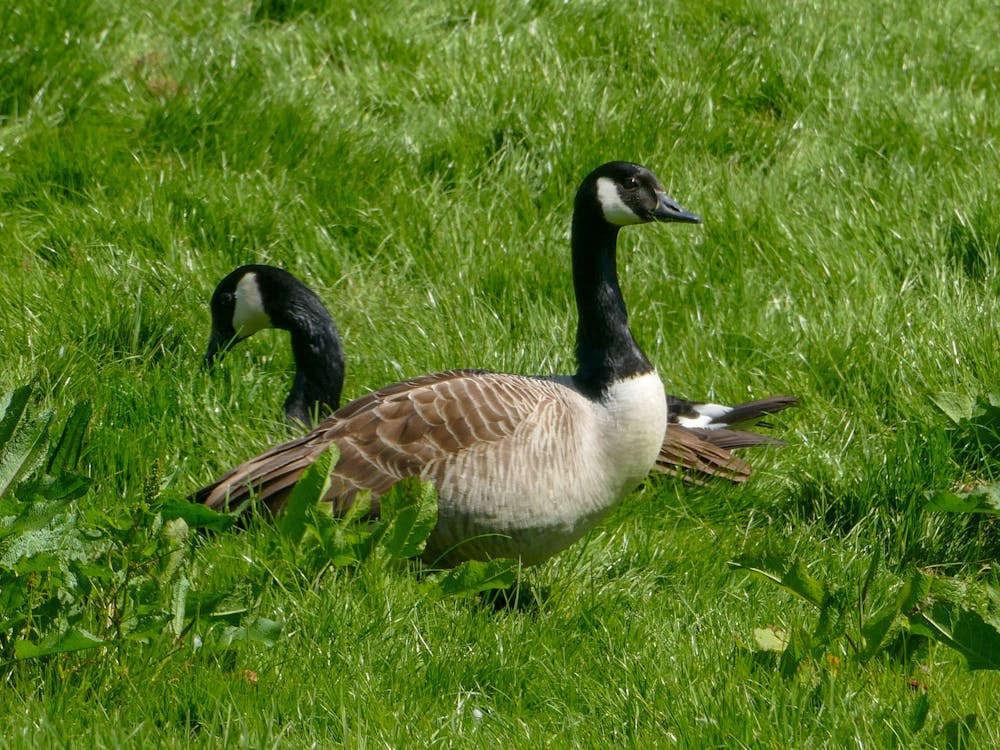
Canada geese are not typical feeder birds, but if your property includes a pond, open lawn, or sits near water, they can absolutely become a yard problem. In fact, they can become one of the biggest ones. Geese are large, loud, and famously messy. A group of them can leave droppings all over a lawn in a very short time, making the whole area unpleasant to walk through or use.
People often assume geese just pass through. Sometimes they do. But when they find a place with water, grass, and relative safety, they may stay much longer than expected. Open yards near ponds or lakes are especially attractive because the birds can feed on grass and still retreat to water if they feel threatened.
Another issue is aggression. During nesting season, geese can become territorial and intimidating. They hiss, charge, and spread their wings in a way that makes even adults back off. For families with children or pets, this can turn a backyard from a relaxing space into one that feels unpredictable.
The noise is another factor. Honking geese are not subtle, especially when several birds gather and begin calling at once. Early morning or late evening visits can be hard to ignore, and their size means they are impossible to overlook once they arrive.
Unlike smaller nuisance birds, geese do not need a feeder or birdbath to become a problem. A stretch of green lawn is enough. For people near water, they often represent the difference between having a pretty outdoor view and constantly cleaning up after large, stubborn birds that act like they own the place.
Gulls
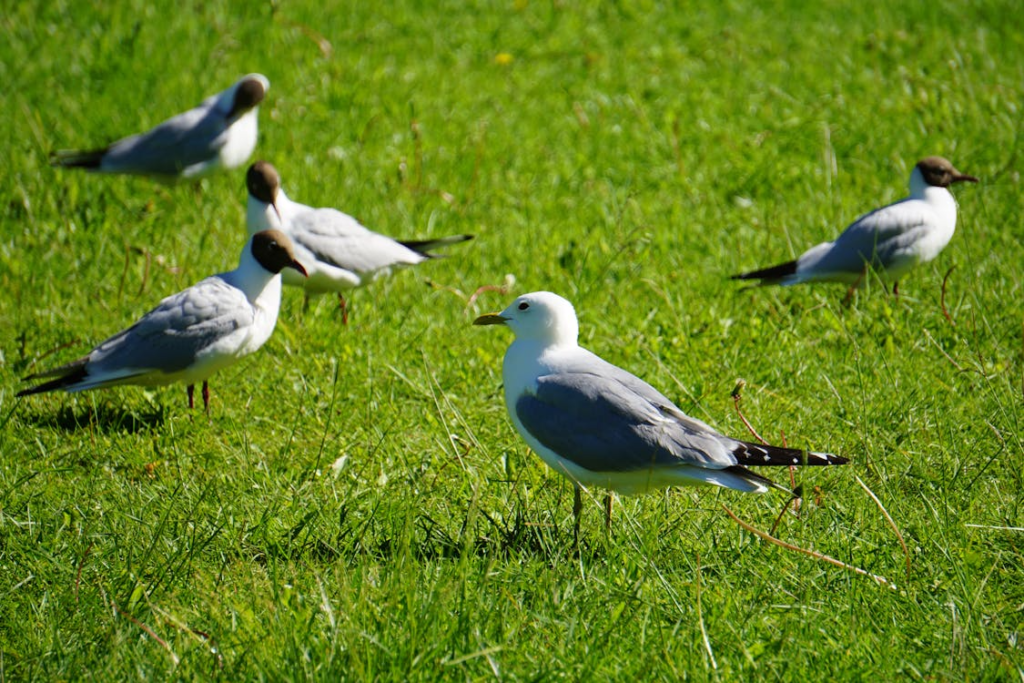
Gulls are not just coastal background birds swooping over the sea. In many areas, they move inland, follow human food sources, and become surprisingly common around neighborhoods, schools, parks, and backyards. If your yard includes outdoor dining, open bins, pet food, or even a pool, gulls may decide it is worth a visit.
What makes gulls especially unwelcome is their boldness. They do not behave like timid backyard birds. They land with purpose, poke through trash, grab food fast, and may not be easily scared off. If they connect your yard with easy meals, they can become repeat visitors.
Their calls are loud and harsh, and they often arrive in groups. One gull overhead might be nothing more than a passing glance. Several perched on a roof, railing, or lawn can be a different story. They are messy eaters and not known for leaving an area tidy after they investigate it. Droppings, torn trash, and scattered food scraps often follow.
Gulls can also intimidate smaller birds simply through size and energy. They change the mood of a yard quickly. What was once a place for robins and finches can suddenly feel taken over by birds that act more like opportunistic scavengers than gentle visitors.
In places where gulls have become used to people, they lose much of their caution. That is why they can seem almost rude around outdoor tables, patios, and picnic spaces. A yard near water, a landfill route, or even a busy commercial area may see more gull traffic than expected.
Blue Jays
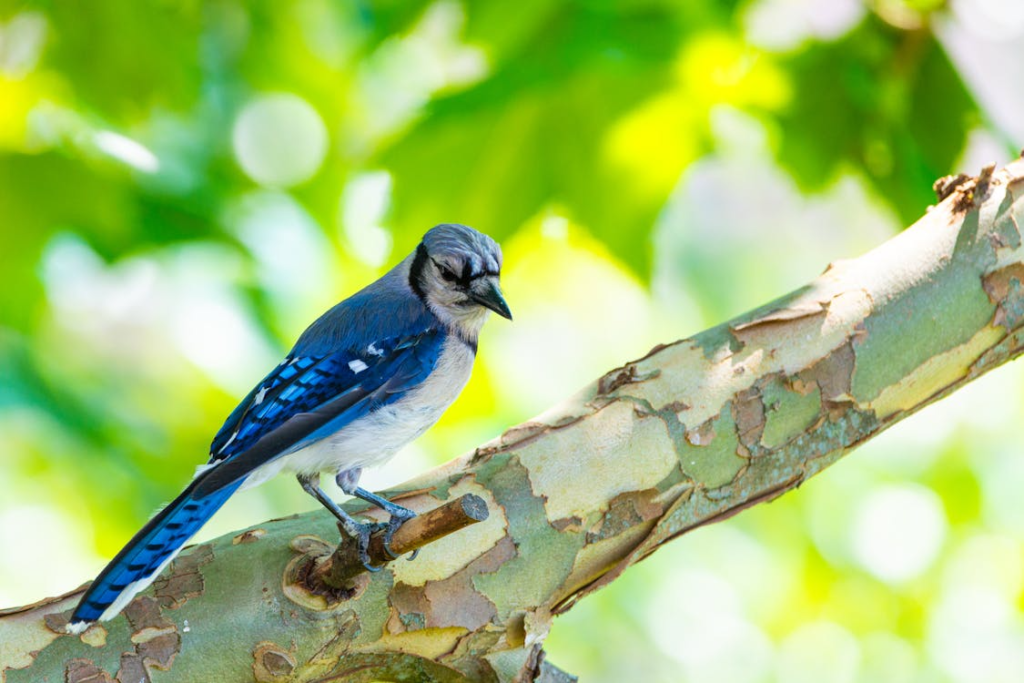
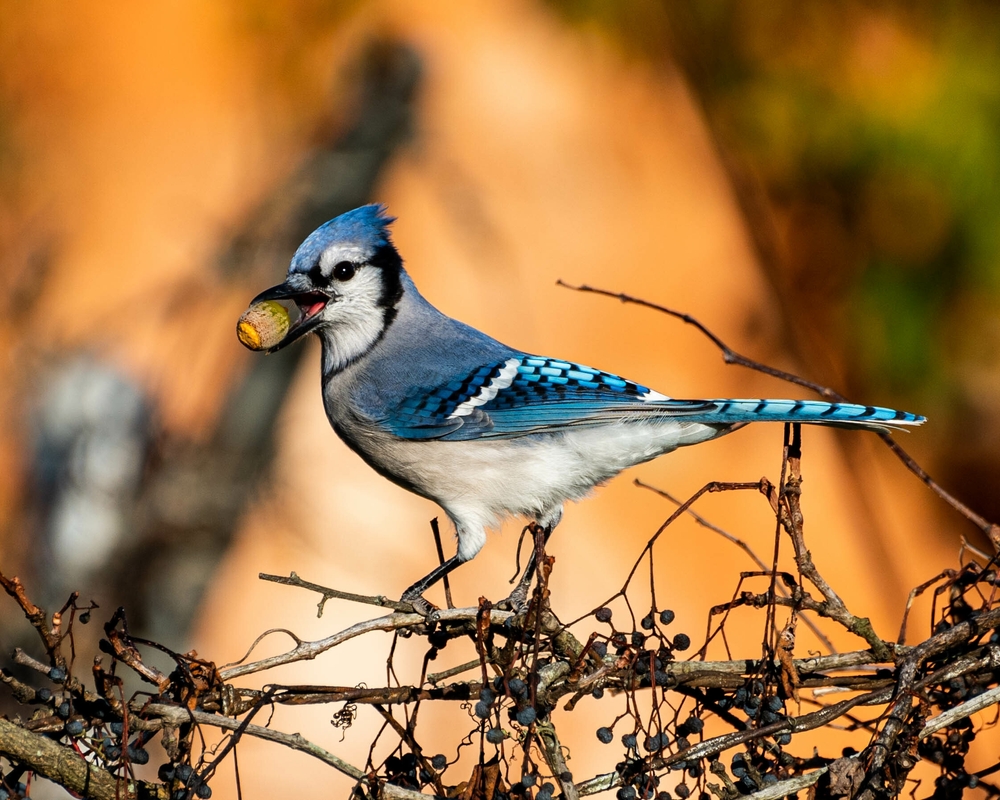
Blue jays are tricky because many people love them at first. Their blue plumage stands out, they are clever, and they bring a lot of personality to a yard. But that same personality can wear thin, especially when blue jays begin scaring off other birds, raiding feeders, and making their presence known every few minutes.
Blue jays are not always a problem, but they can be when they become dominant. They are assertive around food and not shy about chasing smaller species away. If your goal is to attract gentle songbirds, a pair of blue jays can sometimes undo that by taking over the space. They are also known to raid nests on occasion, eating eggs or nestlings when the chance presents itself.
Then there is the noise. Blue jays are not quiet birds. They call loudly and often, with sharp cries that carry a long distance. Some people enjoy the sound at first because it feels wild and energetic. Over time, though, repeated jay calls can become tiring, especially when they start at dawn or flare up every time another animal moves nearby.
They are also smart enough to exploit feeders efficiently. Jays can grab large amounts of food, carry it away, and come back again. They often favor peanuts and larger seeds, but they are not picky enough to ignore a well-stocked yard. Once they learn what is available, they tend to make regular visits.
Blue jays are native and part of healthy ecosystems, so they are not in the same category as invasive birds like starlings or house sparrows. Still, from a yard owner’s point of view, they can be more bird than you bargained for. Beautiful, yes. Easy to live with every day, not always.
Blackbirds
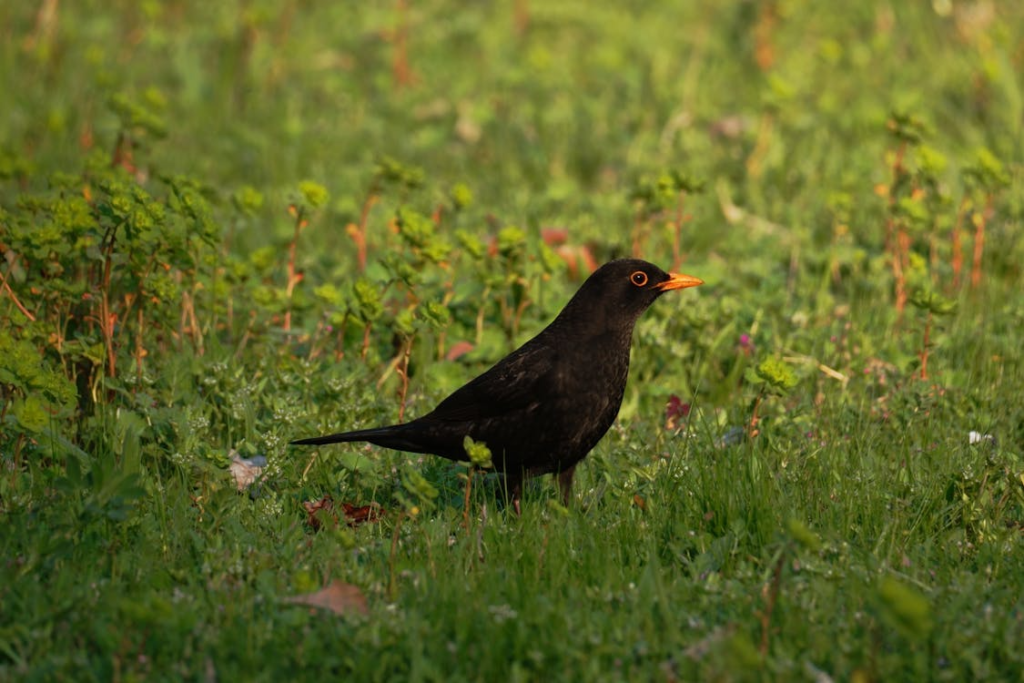
The word blackbird covers several species depending on where you live, but in many neighborhoods the complaint sounds the same. One or two are fine. A flock is not. Blackbirds often travel and feed in groups, and when those groups descend on a yard, they bring noise, competition, and a lot of movement all at once.
They crowd feeders and forage aggressively on the ground. If seed spills under a feeder, blackbirds are quick to notice. If fruit is ripening in a garden, they may sample it before you do. Lawns can also become target areas when blackbirds probe the soil for insects and grubs. A bit of that is natural and harmless, but in larger numbers, it can start to feel like constant traffic through the yard.
Sound is a major reason people lose patience with them. Many blackbird calls are loud, metallic, or repetitive. A flock settling into nearby trees at the end of the day can create a wall of noise that drowns out everything else. Instead of a few distinct bird calls, you get an outdoor space that feels crowded and restless.
There is also the issue of numbers. Blackbirds often seem to arrive all at once. A yard can go from a few peaceful visitors to a dense gathering in what feels like minutes. That sudden shift changes the balance. Smaller birds back off, feeders empty faster, and the space feels less inviting for anything else.
Like grackles and starlings, blackbirds can turn minor food sources into major attractions. Once a flock decides your yard is useful, discouraging repeat visits becomes more difficult than many people expect.
Woodpeckers
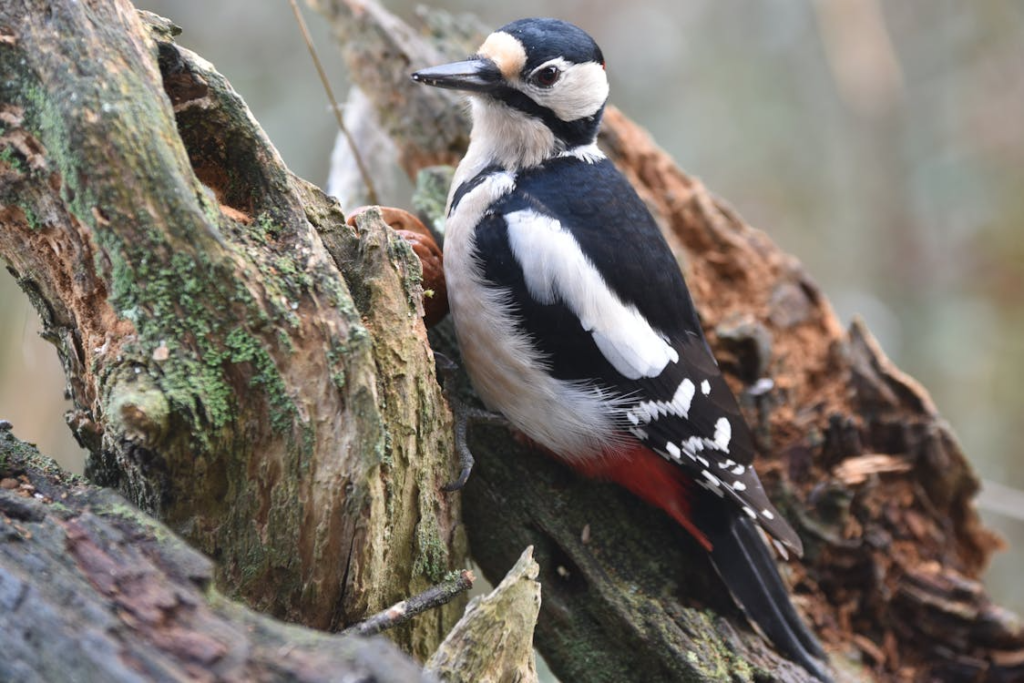
Woodpeckers are not usually grouped with nuisance birds in the same way as pigeons or starlings. In many cases, they are actually welcome. They eat insects, add character to a yard, and can be fascinating to watch. But when a woodpecker starts pecking at your house instead of a dead tree, the relationship changes quickly.
The problem is not always about food. Sometimes woodpeckers drum on siding, gutters, chimney caps, or trim to mark territory or attract mates. That means even a house without insect issues can become a target. The sound is loud, repetitive, and startling, especially in the early morning. It can echo through walls in a way that feels much bigger than the bird itself.
In other cases, woodpeckers really are after insects, and that points to a deeper home maintenance issue. If they keep drilling in the same area, there may be larvae or damage under the surface. Either way, the result is the same. Holes, chipped wood, and growing frustration.
People also run into trouble when they accidentally make their homes attractive to woodpeckers. Untreated wood, quiet corners, and nearby trees can all help create a setup the bird likes. Once it starts returning, it may come back season after season unless the situation changes.
This is a different kind of yard problem than a feeder bully or trash raider. It is less about crowding and more about direct damage. A woodpecker in a tree is part of the atmosphere. A woodpecker drilling your siding at 6 a.m. is something else entirely.
Mockingbirds During Nesting Season
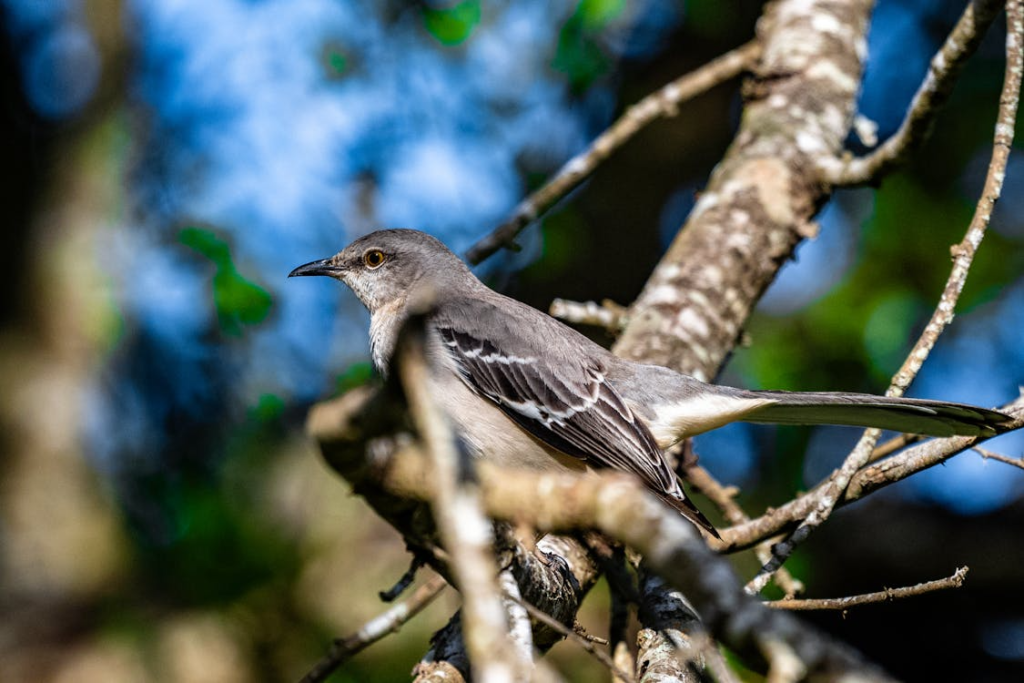
Mockingbirds are admired for a reason. They are talented singers, active, and often fun to observe. But during nesting season, they can become surprisingly aggressive. A bird that seemed charming in spring can turn into a full-time neighborhood patrol officer once eggs or chicks are involved.
These birds defend their nests with real commitment. They may dive at people, chase pets, and repeatedly harass anything they see as a threat. In some yards, that means every trip to the mailbox, garden bed, or driveway comes with an angry bird overhead. The behavior usually has a seasonal limit, but that does not make it less annoying while it lasts.
Mockingbirds are also loud, especially at night or in the very early morning. Their long, repeated sequences of calls can go on far longer than many people expect. Some enjoy the performance. Others find it impossible to ignore when it happens outside a bedroom window.
Their aggressiveness is usually tied to protection, not random hostility. Even so, that distinction matters less when a bird keeps swooping your head every time you step outside. Yards with dense shrubs, low trees, and attractive nesting spots may see more of this behavior.
Mockingbirds do a lot of good in natural terms, including insect control and seed dispersal. Still, from a human perspective, they can cross the line from entertaining to exhausting during certain parts of the year. Sometimes the birds people admire most are also the ones that test your patience the hardest.
Why These Birds Keep Showing Up
People often talk about troublesome birds as if they appeared out of nowhere, but there is usually a reason they keep returning. Birds go where life is easy. If your yard offers seed, fruit, standing water, pet food, open trash, thick shrubs, or sheltered ledges, some species will take that as an invitation. The more reliable the resource, the more likely they are to come back.
Feeders are a major factor. They attract birds, which is the point, but they do not always attract the ones you had in mind. Seed on the ground widens the guest list fast. Open platform feeders can be especially attractive to larger, more aggressive birds that smaller songbirds cannot compete with.
Water matters too. Birdbaths, ponds, pet bowls, and even puddles can draw in species looking for a regular stop. Shelter is the third part of the equation. Dense hedges, easy nesting cavities, roof ledges, and undisturbed corners all make a property more appealing.
Then there is routine. Birds notice patterns quickly. Put pet food outside every morning, and they learn the schedule. Leave trash out loosely covered the night before pickup, and they learn that too. Once birds connect your yard with predictable rewards, they stop treating it like a random place and start treating it like part of their territory.
The Better Goal Is Control, Not a Bird-Free Yard
A healthy yard does not have to be silent or empty. In fact, most people want birds around. They just do not want the species that bully everything else, damage structures, raid food sources, or leave constant messes. That is an important difference. The goal is not to turn your yard into a sterile space. It is to make it less attractive to the birds that create the biggest headaches.
That often means changing what is available. Clean feeders regularly. Use designs that limit access for larger birds if needed. Sweep fallen seed instead of letting it pile up. Keep trash tightly closed. Bring pet food indoors. Protect fruit and garden crops before birds find them first. Cover or block ledges where pigeons or other roosting birds settle.
It also helps to accept that no yard is perfectly neutral. The choices you make shape what shows up. A yard full of loose seed and easy nesting spots will always invite a certain kind of bird traffic. A yard managed with more intention usually supports a better mix.
Some birds are difficult only at certain times of year. Others become problems only when flocks build up. Paying attention early can prevent a manageable issue from turning into a daily one. Once a nuisance species settles in, it is much harder to change the pattern.
Final Thoughts
Backyard birds can add life, color, and movement to a space, but not every visitor improves the view. Some species are simply harder to live with than others. They crowd feeders, bully smaller birds, rip into trash, peck at gardens, damage homes, or leave behind constant noise and mess. In many cases, the issue is not the bird itself. It is the way that the bird behaves once it realizes your yard offers food, shelter, and an easy routine.
European starlings, house sparrows, grackles, crows, pigeons, geese, gulls, blue jays, blackbirds, certain woodpeckers, and even mockingbirds in the wrong season can all test your patience. Some do it through sheer numbers. Others do it through intelligence, aggression, or persistence. And once they settle in, they often push out the quieter species that made your yard feel enjoyable in the first place.
That is why it helps to think of your yard as something you are managing, not just decorating. The way food is offered, the way trash is stored, the kinds of shelter available, and the daily patterns around your property all affect which birds feel welcome. If you want a more balanced and pleasant mix, small changes often matter more than big reactions.
A good yard does not need to attract every bird. It just needs to stop making life so easy for the ones you would rather not host.
This article was created with the assistance of AI tools and reviewed by a human editor.