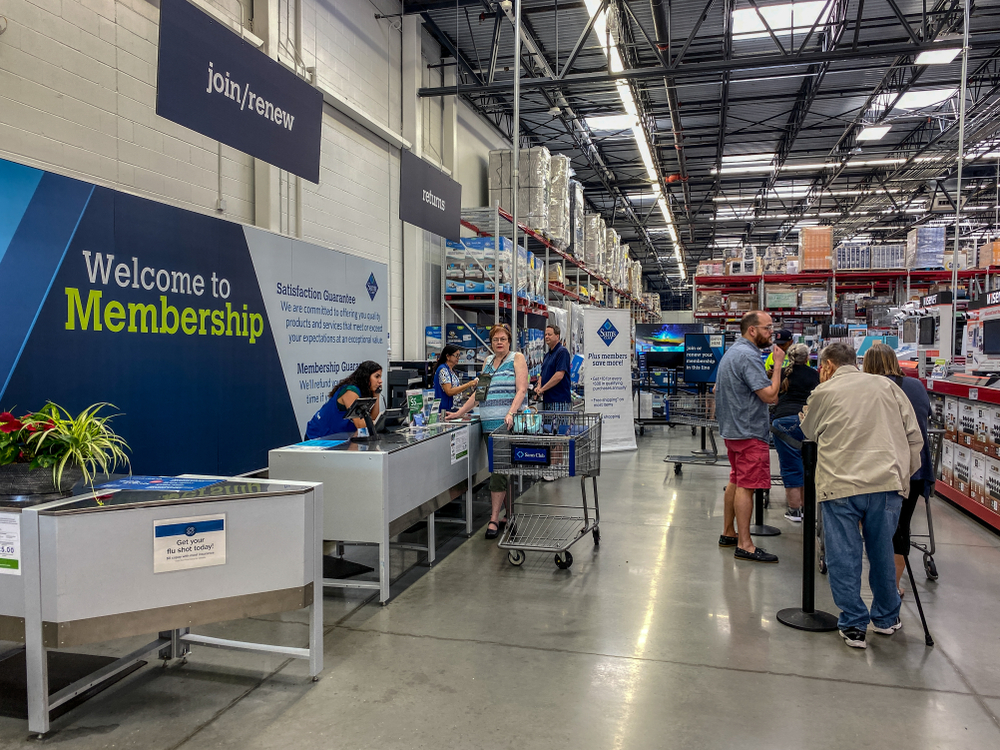

A warehouse membership only makes sense if you actually use it in a smart way. That is the part people miss. The fee can look annoying up front, especially if you are unsure whether bulk shopping fits your routine. But the right kinds of purchases can change that fast. A recent Business Insider comparison looked at Sam’s Club products across everyday categories and found that staples such as diapers, pet food, coffee, baby formula, contact lens solution, allergy medicine, paper goods, and pantry basics were among the items that can do the most work against the cost of a base membership. Sam’s Club’s help pages also note that the standard Club membership is now $60 a year.
The trick is not buying random giant packs just because they look like a bargain. That is how people end up wasting money in bulk. The smarter move is to focus on items you already use steadily, items that are expensive in normal stores, and items with a long enough shelf life to make the club format practical. Once you shop that way, the fee starts looking less like an extra cost and more like part of a system that lowers what you spend on things you would buy anyway. That is where Sam’s Club can really start to feel worth it.
Diapers Are One Of The Fastest Ways To Justify The Fee
If you have a baby at home, the membership question becomes a lot easier. Diapers are one of those items that disappear at an almost absurd pace, and they never feel optional. That is exactly why they matter so much in the warehouse equation. When a product is non-negotiable, used constantly, and expensive in regular stores, even a modest unit-price drop adds up quickly. Business Insider’s comparison placed diapers at the very top of the list of items that can offset the annual fee, which makes sense because parents do not buy one pack and move on. They buy them again and again.
The real value here is consistency. You are not depending on a one-time splurge or a seasonal buy to make your membership work. You are using a product that keeps moving through the house week after week. That turns the membership into something practical instead of theoretical. For families with babies or toddlers, a warehouse store can stop being just a place for oversized shopping carts and become a steady source of relief on recurring costs. When one category is already doing heavy lifting on its own, the rest of your cart becomes a bonus rather than the whole argument for joining.
Pet Food Can Quietly Do A Lot Of The Work
People often forget how expensive pet ownership can become when you zoom out over a full year. A bag of food may not look terrible on its own, but repeat that purchase enough times, and it becomes one of the higher routine costs in the household. That is why pet food deserves real attention when you are deciding whether a Sam’s Club membership pays off. Business Insider included pet food near the top of its list, and that tracks with how many households buy the same food on repeat for dogs or cats every single month.
The advantage is simple. Pet food is not trendy, exciting, or easy to forget. It is a recurring necessity. If your pet eats the same formula regularly and you know a large bag will be used before it goes stale, buying it at warehouse pricing can make a lot of sense. It is also one of those categories where shoppers often notice the difference most clearly when they compare size for size instead of just looking at the sticker on the shelf. That is the real bulk-store game. You are not chasing novelty; you are lowering the cost of something that returns to your list no matter what else is happening in your week.

Coffee Beans Are A Smart Buy For Daily Drinkers
Coffee is one of the easiest places for a warehouse membership to prove itself because it is both habitual and expensive. People who brew at home every day rarely think of coffee as a budget category until they see how much they spend over months, not days. Business Insider’s comparison included coffee beans as one of the stronger categories for offsetting the annual fee, largely because the item gets used steadily and bought repeatedly. That is exactly the kind of product warehouse stores handle well.
The key is being honest about your actual routine. If you drink coffee once in a while, a giant bag is probably not doing you any favors. But if your kitchen runs on coffee every morning, then a bigger pack at a better per-pound price can become one of the least painful ways to justify membership. It works even better if you already buy a recognizable brand and care about sticking with a roast you know you will finish. That matters because the best warehouse savings are rarely on mystery items. They are on products you already trust, already use, and already burn through without much thought. Coffee fits that pattern perfectly.
Baby Formula Can Change The Math Very Fast
Few categories hit household spending as directly as baby formula. It is one of those essentials where parents are not making occasional decisions; they are managing a regular and urgent need. That is why warehouse pricing can matter so much here. Business Insider included baby formula among the strongest examples of products that can help offset the membership fee, and Sam’s Club also carries store-brand formula alongside name-brand options, making the category even more important for budget-conscious families.
What makes formula different from many other shopping categories is that people do not casually swap it in and out of the cart for fun. Once a household is using a formula that works, the buying pattern becomes predictable. Predictable spending is where warehouse shopping can shine. You know the item will leave the house. You know you will need it again. That repeat demand turns a membership from a gamble into something more practical. Even if you do not build your entire shopping life around Sam’s Club, using it well in a category like formula can take a lot of pressure off the yearly fee and make the rest of your visits easier to justify.
Health And Personal Care Staples Pull More Weight Than You Expect
People often think of warehouse stores as places for giant cereal boxes and oversized paper towels, but the health aisle can be one of the most useful sections in the building. Business Insider’s list included contact lens solution, allergy medication, and vitamins, all of which make sense because these are products many people buy on repeat and often at frustrating prices in regular stores. The less glamorous the category, the easier it is to overlook how much it drains over time.
That is also why these items work so well in a membership strategy. They are not impulse buys. They are maintenance products. People who wear contacts, take daily vitamins, or rely on seasonal or year-round allergy relief do not need a shopping thrill. They need predictable access at a better value. These are the kinds of purchases that can quietly support the membership without demanding much thought. You do not need the whole household to be obsessed with bulk shopping for this to work. You just need a few regular-use items with strong value that keep showing up month after month. Sometimes the fee gets justified not by flashy grocery hauls, but by the boring products you would rather not overpay for in the first place.
Paper Goods Still Matter Because You Always Need Them
Toilet paper and similar household basics are warehouse classics for a reason. No one is building a fun shopping trip around paper goods, but nearly everyone needs them on a reliable cycle. Business Insider included paper products among the items that help chip away at the membership cost, and that feels right because few categories are as steady as this one. These are not products you buy once and forget. They are always coming back.
The value of paper goods is not that they will single-handedly transform your finances. It is that they are predictable, storable, and easy to understand. You are not guessing whether your household uses toilet paper. You already know it does. For many shoppers, that makes paper goods a foundational warehouse purchase. The packs are large, the need is constant, and the savings, while not dramatic on one trip, can become meaningful through repetition. This is also the kind of item that helps make a membership feel useful even in slower shopping months. You may not need pet food, diapers, or formula in every home, but most households can still make room for a few dependable basics that justify part of the fee without any complicated math.
Dishwasher Pods And Laundry Detergent Reward Routine Households
Cleaning supplies are not exciting, but they are exactly the sort of products that make warehouse memberships more rational. Business Insider highlighted dishwasher pods and laundry detergent as two categories where Sam’s Club pricing can help lower recurring household costs. These are strong examples because they are tied to routine. If your household runs the dishwasher regularly and does several loads of laundry a week, these products will not sit untouched in a closet for years. They will move.
That is the question shoppers should ask before buying anything in bulk, will this actually move through the house at a reasonable pace? When the answer is yes, cleaning supplies become one of the safer bets in the warehouse model. They are shelf-stable, familiar, and easy to budget around. You do not need to reinvent your lifestyle to benefit from them. You just need to be doing the same chores you already do. That may sound boring, but boring is good when it comes to making a membership pay off. The best warehouse categories are often the least glamorous because they reflect real household behavior instead of fantasy shopping. If your home already runs on detergent and dishwasher pods at a steady clip, the club format starts making a lot more sense.
Cheese, Yogurt, And Bacon Can Work If Your Household Is Consistent
Fresh food at warehouse clubs can be trickier because low unit prices mean very little if half the product goes bad in your fridge. Still, some refrigerated items can be smart buys if your household genuinely uses them often. Business Insider pointed to Greek yogurt, cheese, and bacon as examples where Sam’s Club pricing can help reduce regular spending. Those categories work best for homes with established eating patterns, not for shoppers who get seduced by size and then throw food away.
This is where honesty matters more than enthusiasm. If your family flies through yogurt, keeps cheese in constant rotation, or uses bacon regularly enough to freeze and finish it, then these items can help the membership feel worthwhile. But they only work if the product matches the pace of your home. Warehouse shopping rewards discipline. You need to know what your household really eats, not what you imagine it might start eating because the pack looked like a bargain. When refrigerated items line up with real habits, they can be some of the better membership-justifying buys because they touch everyday meals, not just pantry backups. The danger is not the warehouse itself. The danger is pretending your fridge belongs to a totally different household than the one you actually have.

Pantry Staples Are Better Than They Look On Paper
Pasta and cooking oil are not dramatic categories, but they are exactly the sort of pantry basics that can strengthen the case for a membership over time. Business Insider included both pasta and olive oil among the items that can help close the gap on the annual fee. These categories matter because they are ordinary. You do not need a special occasion or a major lifestyle change to use them. They already fit into the average kitchen.
That ordinariness is an advantage. Shoppers often make the mistake of thinking a membership must be justified by huge, flashy wins. In reality, a lot of value comes from steady everyday categories that quietly cost less when bought well. Pasta can become a repeat buy in households that lean on easy weeknight dinners. Cooking oil makes sense if you use enough of it to finish a large bottle without wasting it. These are not items that scream savings from across the aisle, but they can be useful because they slide naturally into your existing routine. When enough categories like this start working together, the fee begins to look much smaller. Not because one product performed a miracle, but because your cart stopped depending on overpriced basics from regular stores.
HVAC Filters And Similar Home Maintenance Buys Are Easy To Overlook
Some of the best warehouse categories are the ones people forget to count. HVAC filters are a strong example. Business Insider included them in its Sam’s Club roundup, which is a good reminder that home maintenance items can be part of the membership story too. These are not emotional purchases. No one walks into a warehouse excited about buying air filters. But that is precisely why they matter. They are necessary, they can be pricey elsewhere, and they tend to be bought in formats that suit bulk retail.
Home maintenance items often support a membership in a quieter way than groceries do. They are less frequent, but when you do need them, it is useful to find them at a better value. They also tend to avoid one of the biggest bulk-shopping problems, spoilage. If you have the storage space and know you are buying the right size for your system, filters can be one of the cleaner, lower-risk membership buys. The same thinking applies to other non-food staples that sit in the background of household life. These purchases do not make social media shopping hauls, but they can help make the annual fee easier to defend because they reduce the pain of necessities you were going to handle anyway.
The Best Membership Strategy Is Boring On Purpose
The strongest case for a Sam’s Club membership is usually not built on steak dinners, novelty desserts, or giant snack packs that looked fun in the moment. It is built on boring products with dependable turnover. That is what the Business Insider comparison really points toward. The categories that did the most work were the ones tied to regular household behavior, diapers, pet food, coffee, formula, health basics, paper goods, cleaning products, pantry staples, and a few high-use refrigerated items. In other words, the membership starts making sense when your cart reflects your real life.
That may not sound thrilling, but it is how people avoid warehouse-store regret. The point is not to buy more. The point is to buy smarter. If you already have the storage, the budget discipline, and the kind of household that burns through recurring essentials, then the annual fee becomes easier to defend. If you mainly shop for fun and love the idea of savings more than the practice of it, the membership can turn into an excuse to overspend. The difference comes down to whether you treat Sam’s Club like a value tool or an entertainment venue. People who get the most from it usually choose the first option, and their carts show it.
Final Thoughts
A Sam’s Club membership does not pay for itself by magic. It pays for itself when the products in your cart line up with how your household actually lives. The most useful categories are the ones you buy again and again without debate, diapers, pet food, coffee, formula, paper products, laundry supplies, cleaning basics, health items, and pantry staples that move at a predictable pace. That is why these categories matter more than the one-off bargains people like to brag about. They turn warehouse shopping into a routine instead of a stunt.
If you are considering joining, the smartest question is not whether Sam’s Club has deals. It clearly does. The better question is whether your own habits match the kinds of purchases that make a membership worthwhile. If the answer is yes, the $60 fee starts looking a lot less irritating. And once several of these categories are working together in the same household, the membership can stop feeling like an extra expense and start feeling like one of the easier budget decisions you made all year.
This article was created with the assistance of AI tools and reviewed by a human editor.