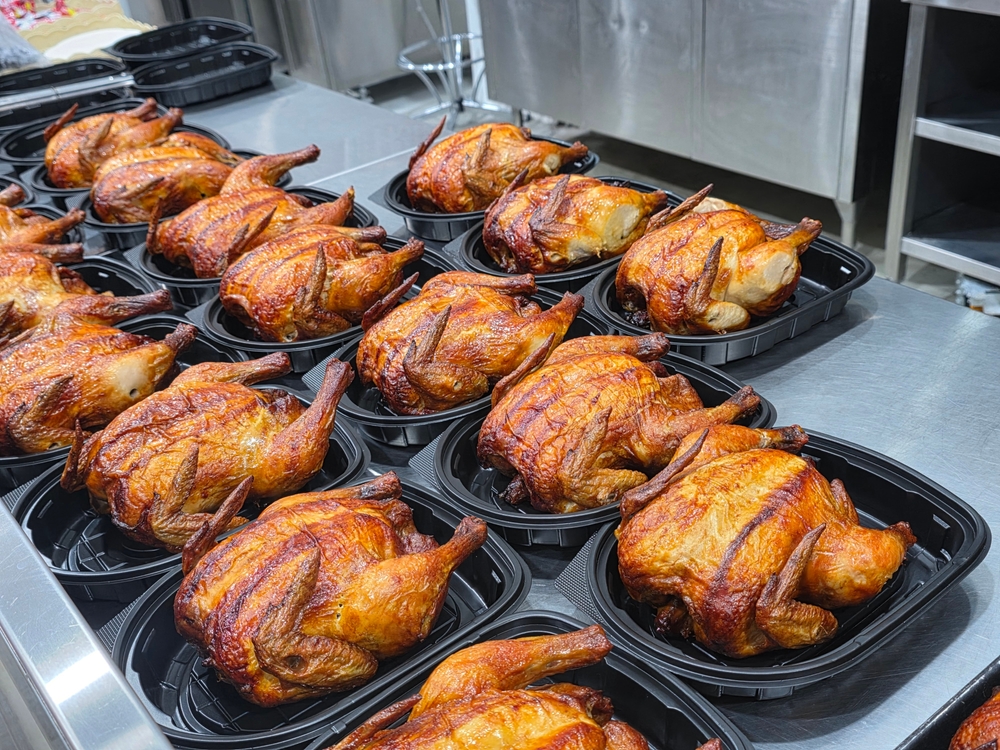

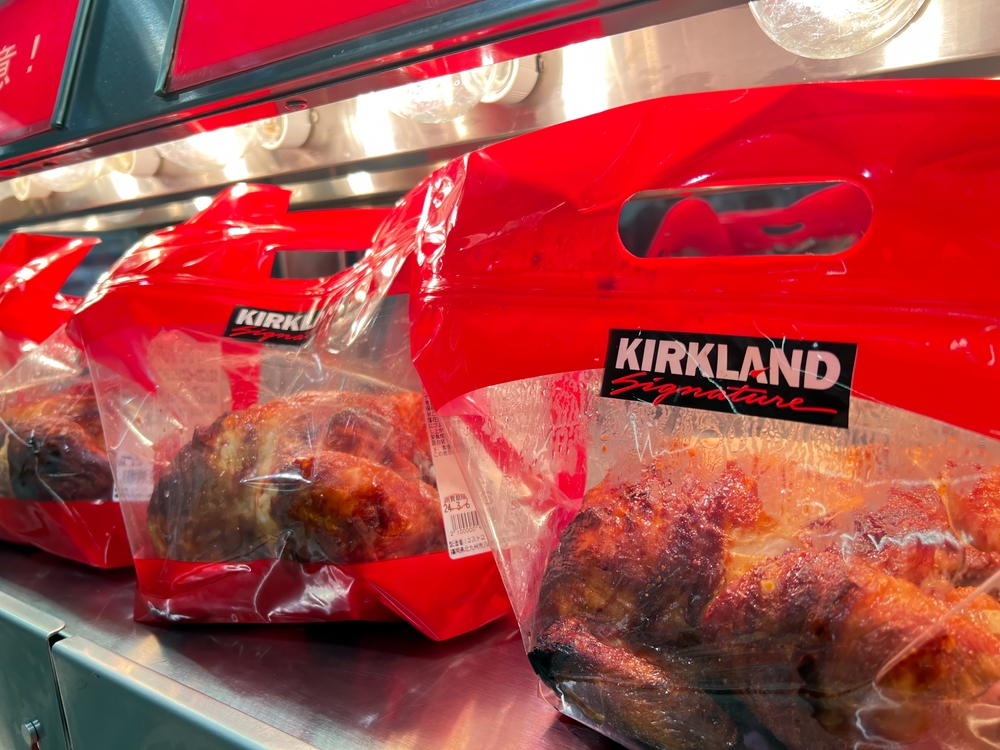
This is a fair fight because both stores have built strong reputations around value. Costco has the famous Kirkland Signature rotisserie chicken, and Walmart sells its hot Freshness Guaranteed whole rotisserie chicken through the deli. On price alone, the two are very close right now. Costco’s same-day listing shows its rotisserie chicken at about $5.66, while Walmart’s hot traditional rotisserie chicken is listed at about $5.97 for a 2.25-pound bird. Walmart also sells chilled rotisserie chicken options at lower prices, but for a straight hot-and-ready comparison, the deli whole chicken is the better match. Prices can vary by location and delivery markups, but those current listings show just how tight this contest is.
That close pricing is what makes this comparison interesting. If one bird cost twice as much, the answer would be easier. Instead, shoppers are deciding between two cheap, convenient dinners that promise similar value but often feel very different in real life. Costco’s bird has become a grocery legend because it is dependable, large, and easy to build several meals around. Walmart’s version has the advantage of accessibility because there are far more Walmart locations across the country, and many shoppers can grab one without a membership. So the real question is not just who sells a rotisserie chicken. It is who sells the better one once you look at size, flavor, convenience, and how useful it actually is after you get it home.
On size and value, Costco has the edge
If value is your main category, Costco is hard to beat. Costco has kept its rotisserie chicken famous partly because it stays cheap while still feeling generous. Walmart’s hot chicken listing specifies a 2.25-pound bird. Costco’s same-day product page does not list a weight in the search snippet, but the company’s rotisserie chicken has long been sold as a notably large bird, and that size is one reason the item keeps its cult following. Even without a weight listed right in the search result, the price comparison still favors Costco because the chicken comes in slightly cheaper than Walmart’s hot whole bird on the current listings.
That matters because rotisserie chicken is not just dinner. It is often dinner plus lunch the next day, plus extra meat for salads, sandwiches, tacos, soup, or pasta. A slightly bigger bird at a slightly lower price can stretch much further. Costco has built its prepared food reputation around exactly that idea: large portions that feel like they were designed for households, not just single meals. Walmart’s chicken is still a good deal, especially if you need one right now and Costco is not nearby. But if the question is which bird usually feels like the better buy for the money, Costco wins this round. It gives the stronger sense that you are bringing home a real value item rather than just a cheap convenience food.
Flavor is where the choice gets more personal
Value is only half the story. Rotisserie chicken also has to taste good enough that people actually want to eat it more than once. Walmart’s product description leans into convenience and a traditional savory profile, with 19 grams of protein per 3-ounce serving and a ready-to-eat format. Costco’s listing is less descriptive in the search result, but the Kirkland bird is known for a richer, more seasoned flavor profile than many grocery-store chickens. In simple terms, Walmart often comes across as more straightforward, while Costco tends to taste more like a full rotisserie product that people intentionally came to buy.
That does not mean Walmart tastes bad. It usually delivers the salty, warm, familiar grocery-deli flavor most people expect. For plenty of shoppers, that is enough. But if you are trying to decide which one feels more satisfying as a center-of-the-table dinner, Costco usually comes out ahead. The seasoning tends to read a little fuller, and the bird itself usually feels more substantial. Walmart’s chicken makes sense for convenience, especially if it is on the way home and you need something fast. Costco’s chicken makes more sense if you are actively looking for a better overall eating experience. So on taste, this is not a knockout, but Costco still feels like the more convincing winner for most people who care about flavor and not just price.
Convenience is Walmart’s best argument
Walmart’s strongest case is not the bird itself. It is how easy the bird is to get. Costco’s rotisserie chicken is famous, but it comes with a membership fee and usually a more deliberate shopping trip. Walmart is simply more reachable for many households. You can often order for pickup, stop in quickly, or add one to a bigger everyday grocery run without planning around a warehouse trip. The company also sells hot and chilled versions, plus shredded rotisserie chicken products, which give shoppers more flexibility depending on whether they want dinner now or meal prep later.
That kind of convenience matters more than food purists like to admit. A slightly better chicken is not always the better choice if getting it takes longer, requires a membership, or turns one item into a giant shopping trip. For a lot of households, Walmart’s advantage is that it fits into normal life more easily. You are already there for milk, cereal, school snacks, and detergent, and the hot chicken is simply waiting in the deli. Costco’s bird is the better value play, but Walmart’s bird is the easier weeknight play. If your question is, which chicken wins when life is busy, and dinner needs to happen fast, Walmart becomes much more competitive. It may not beat Costco on overall reputation, but it definitely beats Costco on pure everyday convenience.
The winner of the rotisserie chicken
If the question is simple, which rotisserie chicken wins, Costco takes it. The price is slightly lower on the current listing, the bird generally feels larger, and the overall experience is more like bringing home a real dinner anchor than just a quick deli pickup. Walmart stays close because it is accessible, convenient, and still reasonably priced, but Costco’s chicken remains the stronger all-around buy for most people. It is the one that better fits the reputation rotisserie chicken has earned as one of the smartest prepared-food buys in American retail.
Still, the final answer depends on the shopper. If you already have a Costco membership and you are doing a warehouse run anyway, Costco is the clear move. If you need dinner tonight, do not have a membership, and Walmart is ten minutes away, Walmart may be the more sensible choice despite losing the head-to-head. A lot of product comparisons are like that. There is a technical winner, and there is a practical winner. On rotisserie chicken, Costco wins technically and on value. Walmart stays in the game because real life is not always set up for the ideal shopping trip.
Comparison 2: Eggs are a very different story
Once you move away from prepared foods and into staple groceries, the balance shifts. Eggs are a good example. Costco’s same-day eggs page shows Kirkland free-range large eggs, 24-count, at about $5.32. Walmart’s Great Value large white eggs, 18 count, are listed at about $2.47, with extra-large 18-count eggs around $2.76. On a simple entry price, Walmart clearly looks cheaper because you spend much less at the register. But Costco’s eggs are free-range and sold in a larger pack, which makes the comparison a little more layered than it first appears.
This is where shopper priorities matter. If you want the lowest spend today, Walmart wins. If you care about the free-range label and you are feeding a larger household, Costco has a stronger case. Costco’s egg packs also fit the warehouse model: larger quantity, fewer trips, and better value, only if you actually use the volume. Walmart is much better for smaller households or anyone trying to keep the weekly bill under tighter control. So unlike rotisserie chicken, where Costco feels like the cleaner win, eggs are more of a split decision. Walmart wins on low immediate cost. Costco can still win on pack size and positioning, especially for shoppers already committed to buying in bulk.
Comparison 3: Croissants show the Costco formula at its best
Bakery is one area where Costco’s warehouse style really shows off. Costco’s Kirkland Signature butter croissants are listed as a 12-count package for about $6.80 on same-day delivery. Walmart’s Marketside all-butter whole croissants are listed at about $4.98 for a 4-count package. That is not a subtle difference. Costco is selling much more pastry for only a little more money. Even allowing for delivery markups and local variation, Costco’s pack gives a far stronger value impression.
This comparison also captures the personality difference between the two stores. Costco often wins when the product is something people are happy to buy in bulk and either share quickly or work through over several days. Croissants fit that model perfectly. They feel generous, bakery-driven, and built for families, office breakfasts, brunch tables, or a few mornings in a row at home. Walmart’s croissants make more sense for smaller households that do not want a dozen pastries sitting around. But on pure wow-for-the-money value, Costco wins comfortably here. It is the same formula that makes its sheet cakes, muffins, and party trays so popular. When Costco hits the right category, its scale becomes the whole selling point. Walmart is the easier stop. Costco is the stronger bakery haul.
Comparison 4: Prepared chicken beyond the hot bird
If you move beyond the fresh hot rotisserie chicken, Walmart starts offering more flexible prepared chicken options. Walmart lists chilled traditional rotisserie chicken and shredded rotisserie chicken breasts under its Freshness Guaranteed line. That gives shoppers more ways to use the product without carving a whole hot bird at home. Costco also sells prepared chicken items, including rotisserie chicken breast meat through Costco Business Delivery, but the presentation is less everyday-deli and more bulk prepared-food adjacent.
This category shows Walmart’s practical side very well. Costco tends to win when the item itself is iconic, like the hot whole chicken. Walmart often does better when the shopper wants convenience in smaller, easier formats that fit everyday meal assembly. A chilled rotisserie chicken or a tub of shredded chicken can be more useful to some households than a whole bird, especially if the goal is sandwiches, wraps, salads, or quick lunch prep. Costco still has strong prepared-food credibility, but Walmart is more direct here. If the question becomes, which store is easier for plug-and-play chicken meals, Walmart makes a strong argument. That does not overturn Costco’s win on the classic rotisserie bird, but it does show why Walmart stays competitive in the broader prepared-food conversation.
So who wins overall?
If this article were only about rotisserie chicken, Costco would take the crown. The current price is slightly better, the product feels more substantial, and the overall value reputation is deserved. But once you widen the lens to other popular grocery items, the answer becomes more mixed. Walmart often wins on accessibility, lower entry price, and smaller-pack practicality. Costco wins when the category rewards volume, family-size value, and a stronger sense of abundance. That is why Costco crushes the croissant comparison, while Walmart stays very strong in eggs and convenience-ready chicken products.
So the clean conclusion is this. For rotisserie chicken, Costco wins. For everyday grocery shopping overall, the better store depends on how you buy. If you want fewer trips, bigger packs, and standout value items, Costco keeps looking stronger. If you want flexibility, low immediate spend, and easy access without a membership, Walmart is very hard to beat. In other words, Costco wins the chicken battle, but the wider grocery war depends on the shopper. That may not be as neat as a one-store answer, but it is the truthful one.
This article was created with the assistance of AI tools and reviewed by a human editor.