
Road signs are designed to keep drivers safe, yet many are misunderstood or misread. Misinterpretation can lead to confusion, frustration, and even accidents. Some signs look simple, but their meaning is subtle, or they’re assumed to follow common sense rather than the official rule. Understanding what each sign truly indicates can improve driving confidence and road safety. This article highlights fifteen road signs that people often get wrong, explaining the correct interpretation and providing context. While some mistakes are harmless, others can have serious consequences if ignored. From markings that dictate lane usage to signs that warn about upcoming conditions, knowing the details matters. Whether you’re a new driver or have years of experience, reviewing these signs can help refresh your knowledge and prevent common mistakes. Each explanation focuses on practical understanding rather than technical jargon, making it easy to remember. By the end, you’ll be more confident in spotting signs and interpreting them correctly, reducing risk and ensuring smoother navigation.
1. Yield Sign
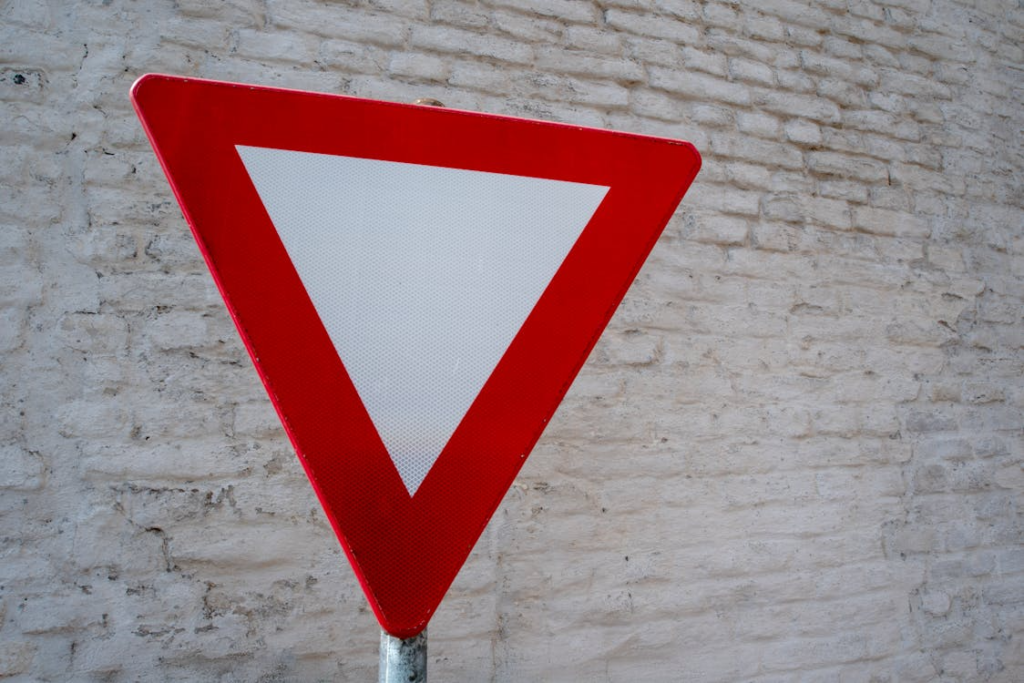
Many drivers think a yield sign means “slow down” or “proceed cautiously,” but its purpose is specific. A yield sign instructs drivers to give the right of way to traffic already in the intersection or merging lane. You must be ready to stop if necessary, but stopping is not mandatory unless a vehicle or pedestrian is present. Misreading this sign often causes unnecessary stops or, conversely, dangerous merging without checking traffic. Yield signs are commonly placed at roundabouts, merge lanes, or intersections without traffic lights. Understanding that yielding is about priority, not speed, improves flow and prevents collisions. It also reduces road frustration, as drivers who misuse the sign can create hesitation or confusion for others.
2. No Entry Sign
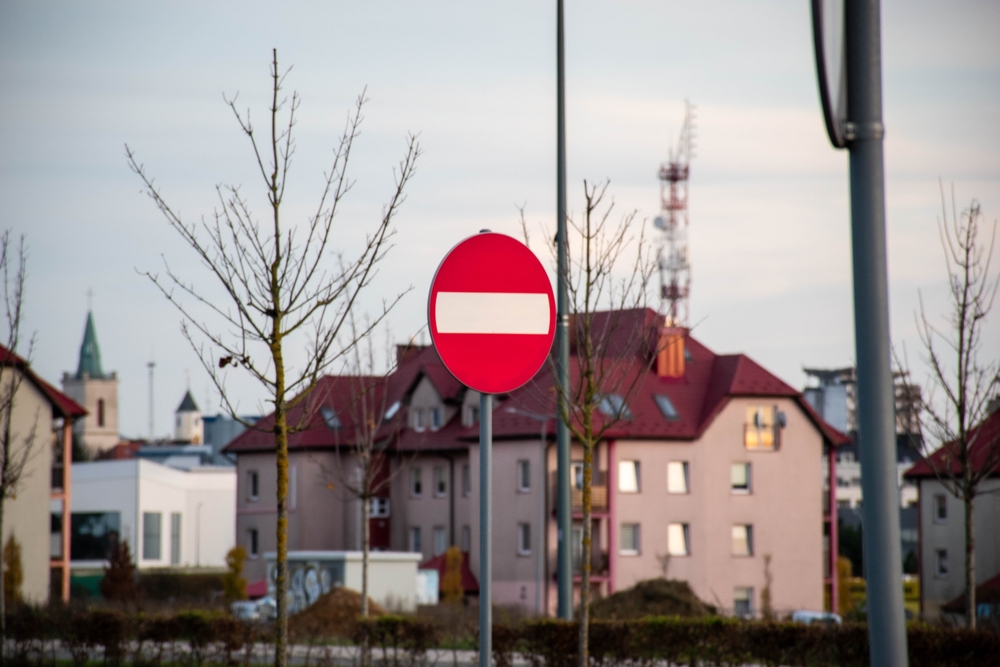
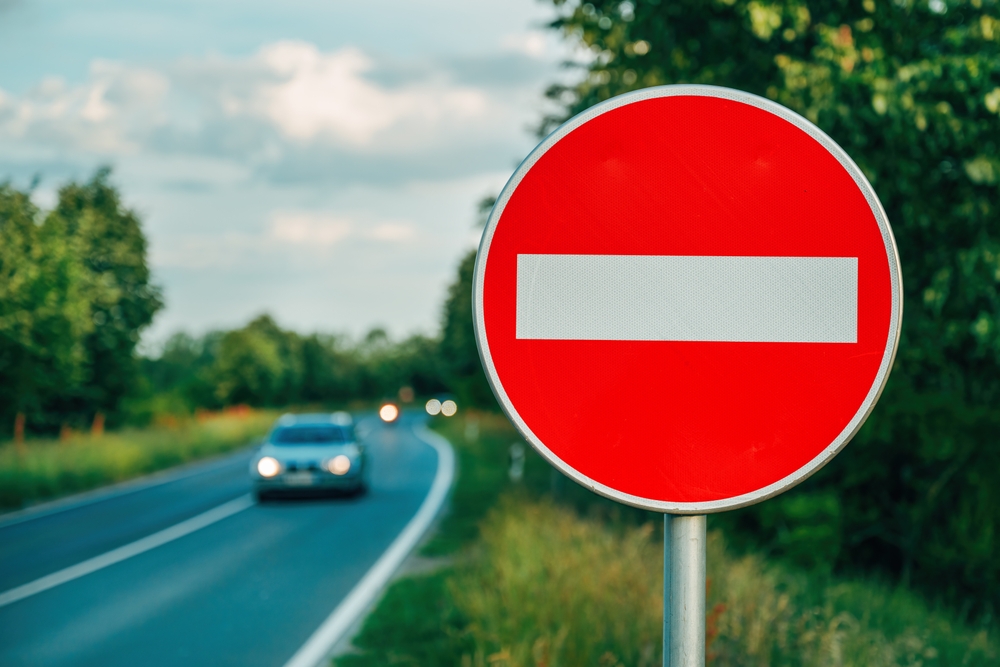
The red circle with a white horizontal line is simple in design, yet drivers frequently mistake it for a warning or suggestion. A no entry sign means vehicles must not enter the street from that direction. Ignoring this can lead to head-on collisions, especially on one-way streets. Some drivers assume it applies only to certain vehicle types or times, but unless specified, the rule applies universally. These signs are often installed at one-way entrances, private roads, or restricted areas. Recognizing this sign and responding immediately is critical for safety and legal compliance.
3. Stop Ahead Sign
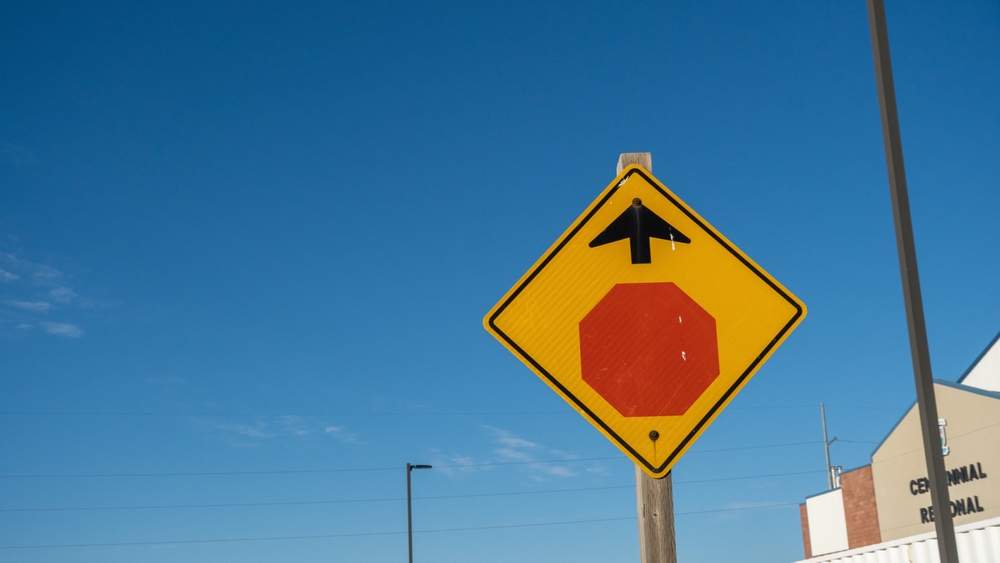
Image credit: Shutterstock
This yellow diamond-shaped sign warns that a stop sign is coming up, often before intersections with limited visibility. Many drivers ignore it, thinking they already know the road, but the warning exists to prevent abrupt stops that can cause rear-end accidents. Understanding this sign allows drivers to gradually reduce speed and prepare to stop safely. It’s particularly common in rural areas or where the stop sign might be obscured by foliage or curves. Taking the warning seriously improves reaction time and road safety.
4. Merge Sign
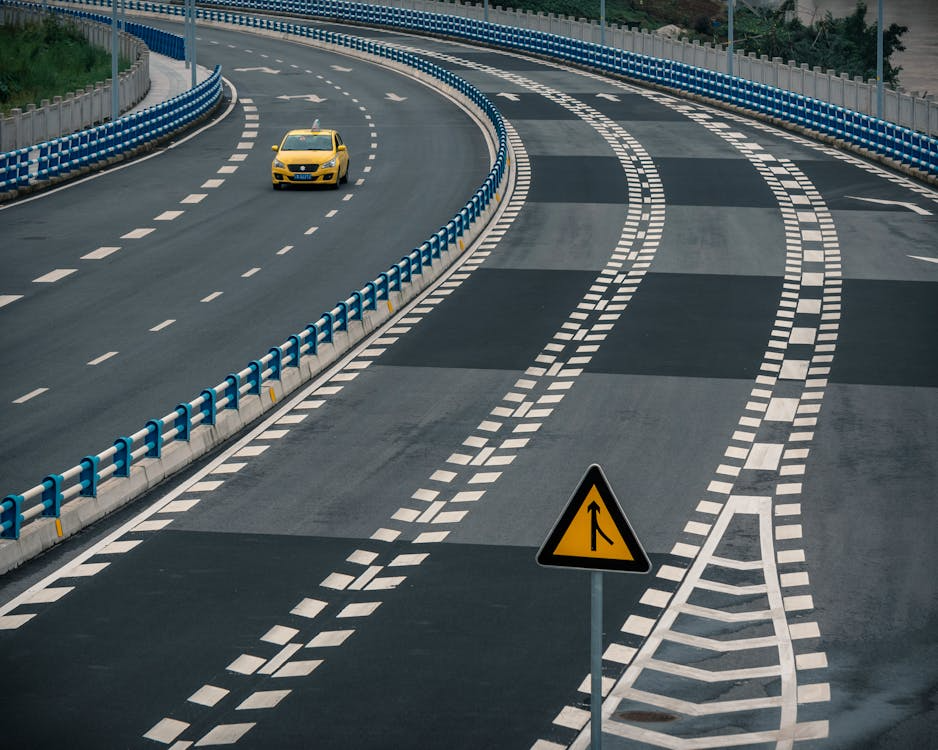
A merge sign indicates lanes are coming together and drivers must adjust speed and position to allow smooth merging. Misinterpretation often leads to abrupt lane changes or cutting off other drivers. Some think it’s merely informational rather than a legal requirement to cooperate. Proper merging involves observing traffic, signaling early, and adjusting speed to create gaps. These signs are frequent on highway on-ramps and lane reductions. Ignoring merge etiquette can cause congestion, road rage, and accidents.
5. Slippery When Wet Sign

Image credit: Shutterstock
Drivers often see this sign and overreact or ignore it, assuming it applies only during rain. In reality, it warns that the road surface may be unstable under certain conditions, including rain, ice, or loose gravel. Many underestimate the hazard and maintain regular speed, increasing the risk of skidding or loss of control. Slippery road warnings are placed near curves, bridges, or areas prone to moisture accumulation. Reducing speed and avoiding sharp maneuvers is key. Understanding the true meaning of this sign prevents accidents, especially in adverse weather.
6. Pedestrian Crossing Sign
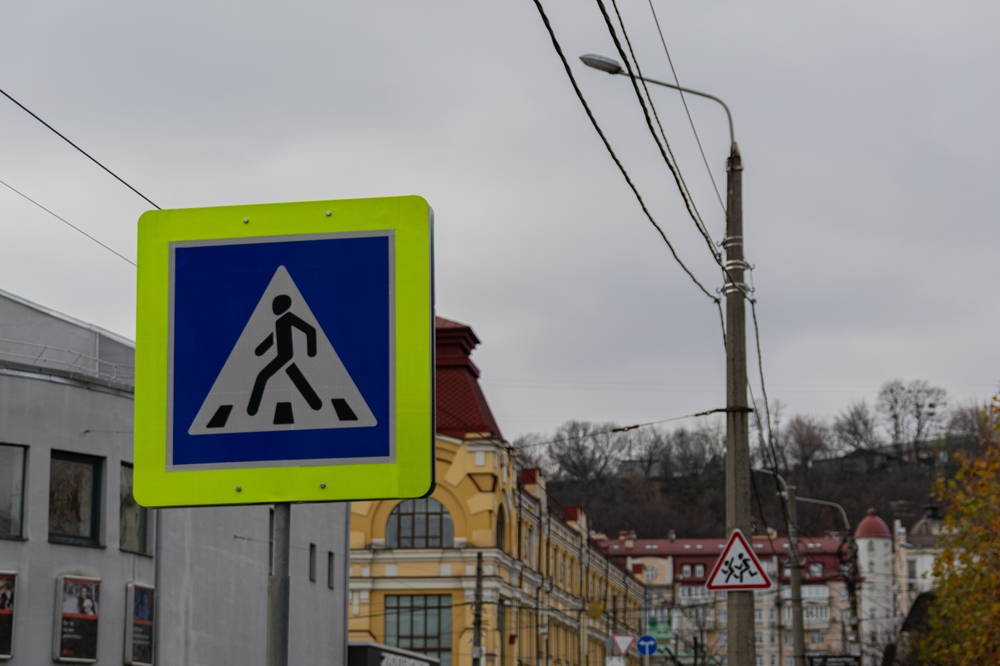
Image credit: Shutterstock
Many drivers treat pedestrian crossing signs as optional reminders, but they legally indicate areas where pedestrians have the right of way. Misunderstanding this sign can lead to dangerous situations, particularly near schools, parks, or busy city streets. Drivers should reduce speed and be prepared to stop. Crossing guards, traffic lights, or marked lines don’t negate the warning, vigilance is required at all times. Awareness of pedestrian zones prevents accidents and demonstrates responsible driving behavior.
7. Two-Way Traffic Sign
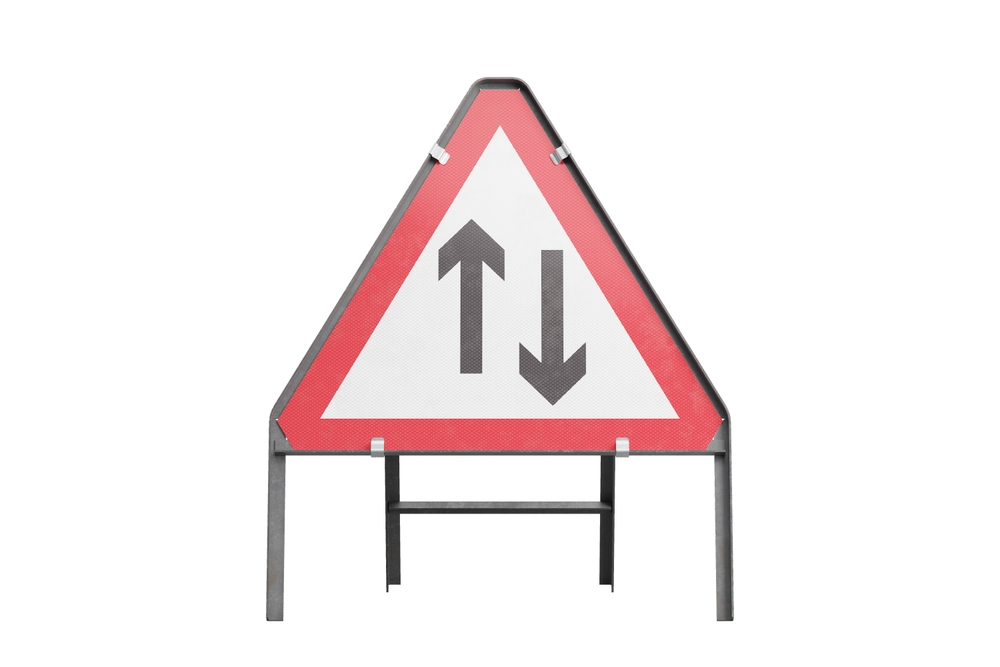
Image credit: Shutterstock
Some drivers confuse the two-way traffic sign with a one-way or divided highway. This sign warns that traffic will be moving in both directions, often on roads that may appear wide enough for one-way flow. Misinterpretation can result in dangerous overtaking or cutting into oncoming lanes. Being aware of this sign encourages careful positioning and lane discipline, especially on rural or narrow roads. Respecting the warning prevents head-on collisions and improves overall traffic safety.
8. No Overtaking Sign
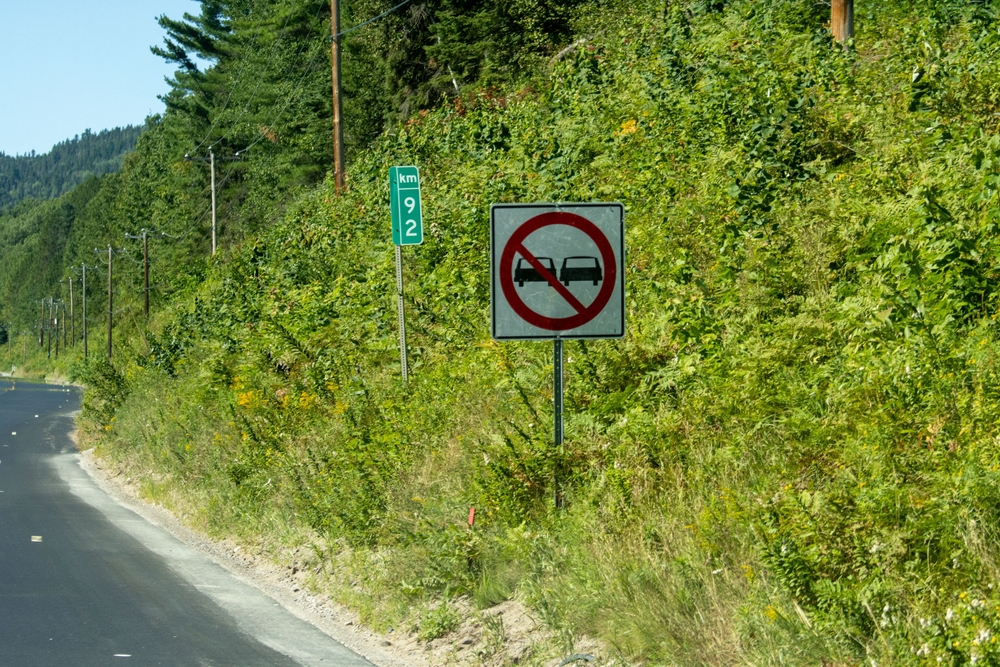
Image credit: Shutterstock
A circular sign showing two cars, one in red, indicates a no overtaking zone. Drivers often ignore it, thinking they can pass if the road seems clear. This restriction exists on curves, hills, or narrow roads where visibility is limited. Following the sign avoids collisions with oncoming vehicles. Ignoring it is not only risky but legally punishable. Proper adherence ensures smoother traffic flow and reduces accident potential.
9. Railroad Crossing Sign
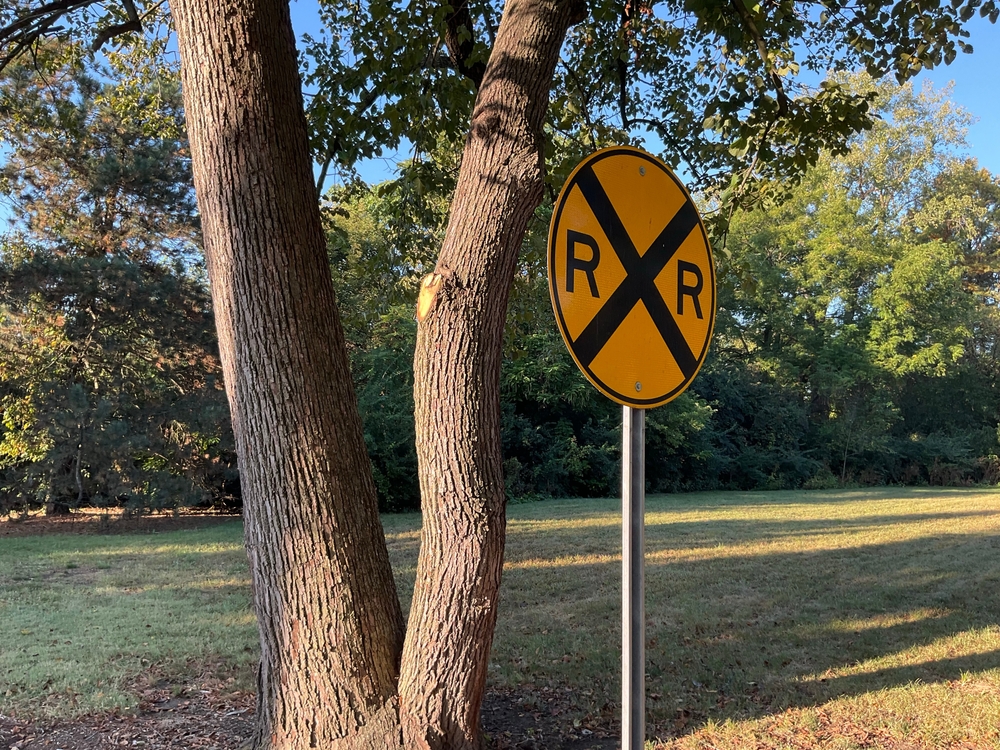
Image credit: Shutterstock
Drivers often misread or underestimate the circular yellow railroad crossing sign. It indicates a level crossing ahead, requiring vigilance for approaching trains. Some assume they can rush across or only stop if lights flash. In reality, approaching slowly, checking both directions, and stopping if necessary is critical. Misjudging the distance or speed of a train is extremely dangerous. Understanding this sign helps prevent severe accidents and ensures compliance with traffic laws.
10. Roundabout Sign
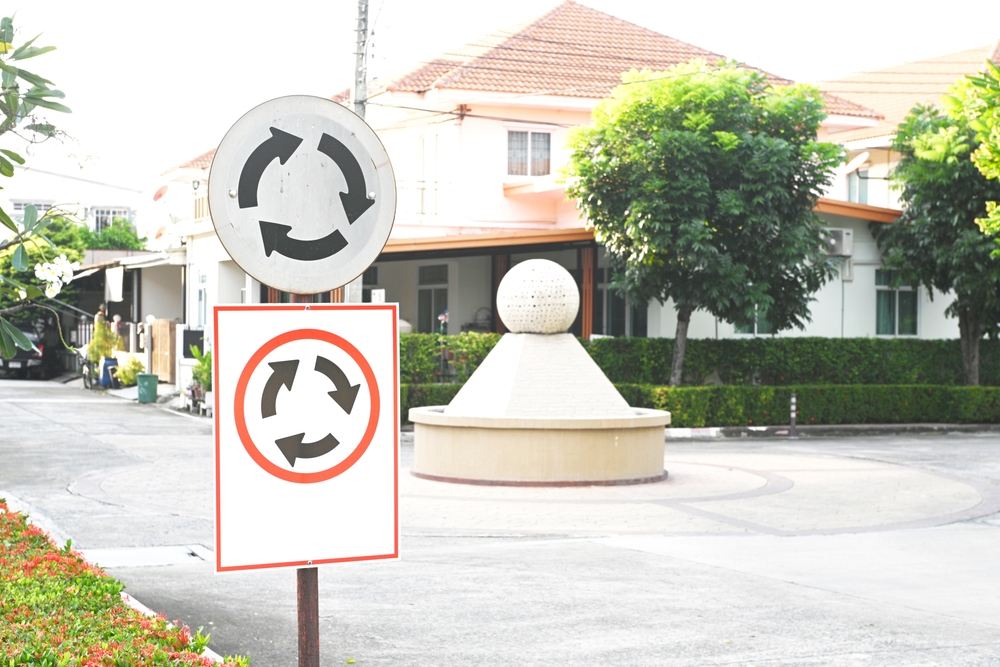
Image credit: Shutterstock
Roundabout signs indicate an upcoming circular intersection. Many drivers mistake them for advisory or decorative signs rather than instructions. Yielding to traffic already in the roundabout is mandatory, not optional. Misunderstanding can cause collisions or hesitation that disrupts flow. Proper lane selection and signaling are key. Recognizing the roundabout sign helps drivers navigate safely and reduces confusion at these increasingly common intersections.
11. School Zone Sign
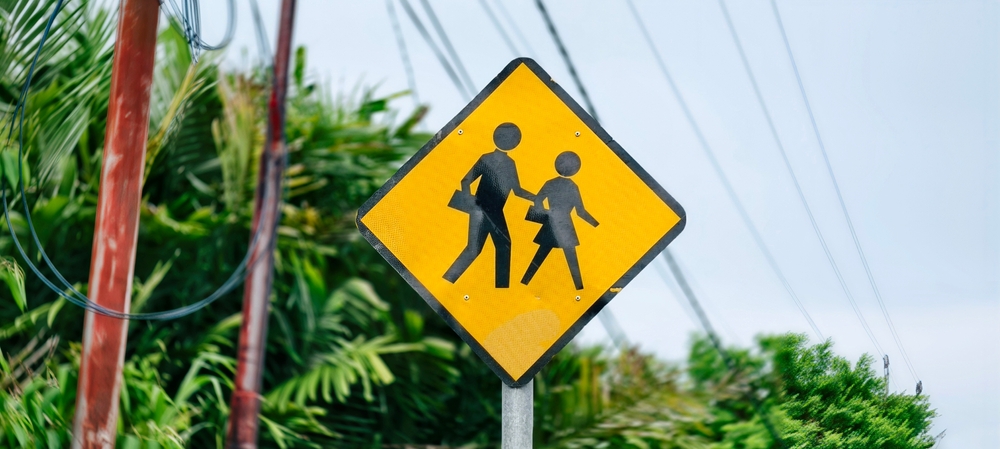
School zone signs indicate reduced speed areas near educational facilities. Many drivers think the rule only applies during visible school hours, but the posted speed limits are enforceable whenever children are present. Misreading this sign increases the risk of accidents. Drivers should slow down, watch for crossing children, and be ready to stop. Awareness and caution in these zones protect both students and pedestrians, ensuring safety around schools.
12. No U-Turn Sign
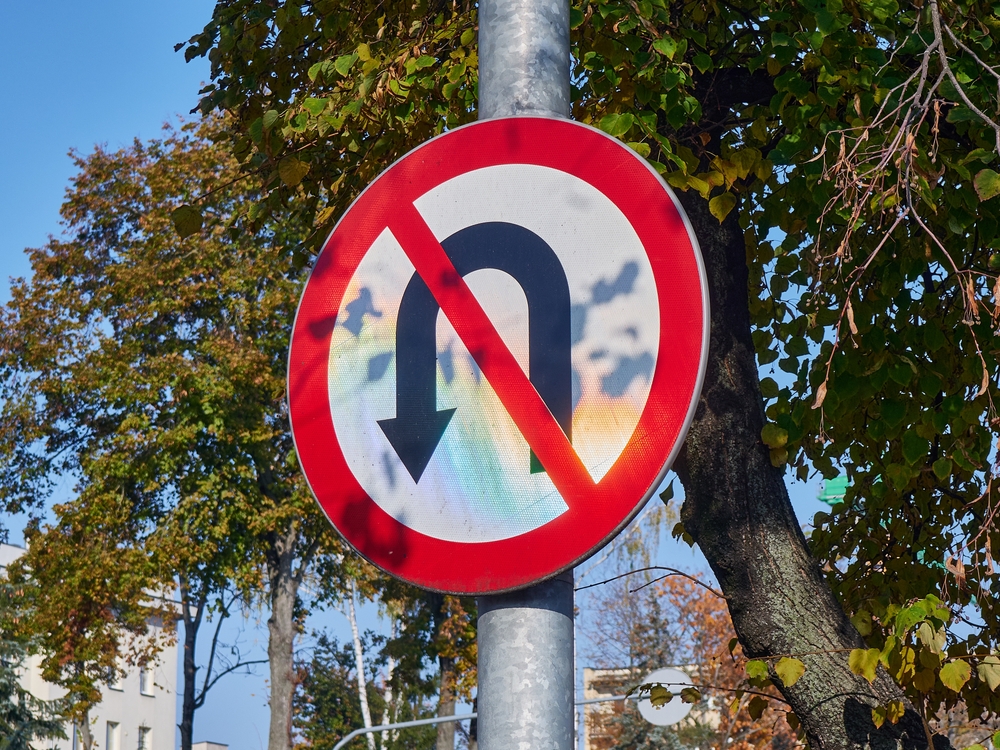
Some drivers confuse no U-turn signs with restrictions on left turns or other maneuvers. This sign specifically prohibits reversing direction at that intersection. Ignoring it can lead to collisions or traffic violations. These signs are commonly placed at busy intersections or medians. Understanding the rule helps drivers plan routes in advance and prevents dangerous or illegal turns.
13. Chevron Alignment Sign

Chevron signs appear along curves or bends, but many underestimate their purpose. They indicate sharp changes in road alignment and suggest safe speed adjustments. Ignoring them can result in drifting off the road, especially at night or in poor weather. Paying attention to chevron signs improves lane discipline and reduces the likelihood of accidents on winding roads.
14. Speed Bump Ahead Sign
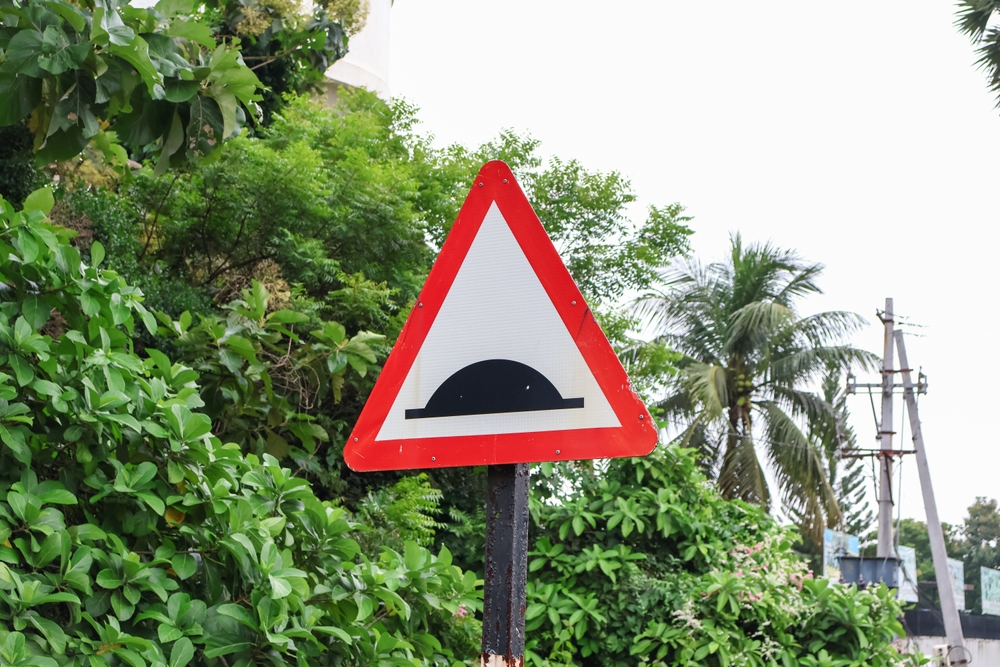
Drivers often misread speed bump warnings as optional, leading to abrupt braking or hitting the bump at unsafe speeds. The sign signals a physical bump ahead requiring speed reduction to maintain vehicle control and comfort. Proper response minimizes wear on the car and prevents loss of control. This sign is especially important in residential areas and near schools.
15. Merge Left/Right Lane Ending Sign
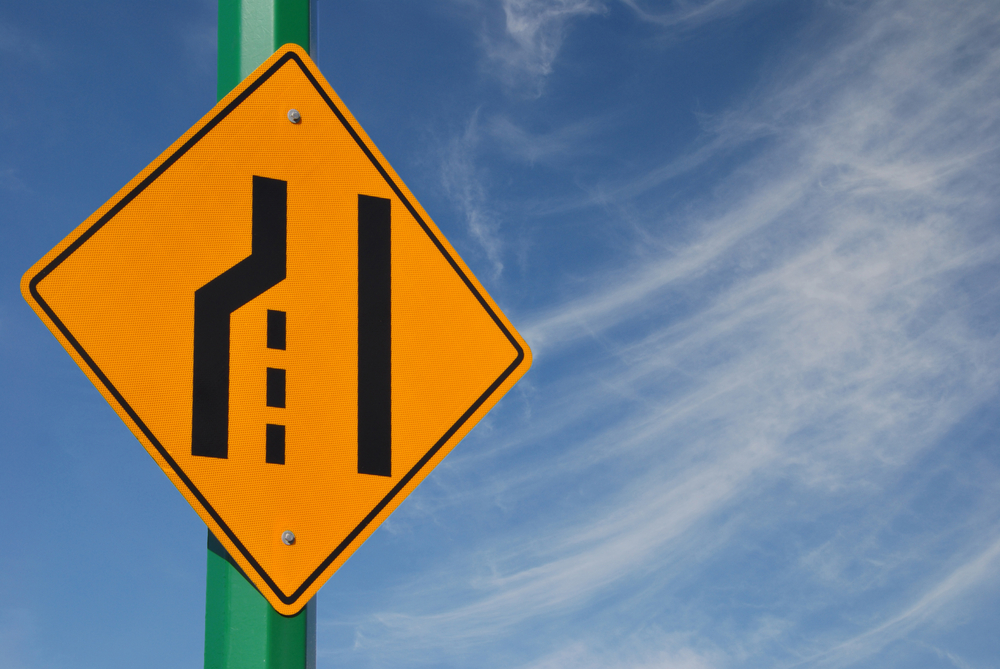
Lane-ending signs warn that a lane will disappear ahead, requiring drivers to merge safely into adjacent traffic. Many drivers fail to anticipate this, causing sudden lane changes and congestion. Observing the sign early, adjusting speed, and signaling improves flow and prevents collisions. Awareness ensures drivers transition smoothly and safely when lanes reduce, maintaining order on busy roads.
Always Be On The Lookout
Even with clear signage, misreading road signs is a common issue for drivers of all experience levels. Many mistakes happen because the signs are overlooked, assumed to be optional, or interpreted based on habit rather than official meaning. For example, a driver may approach a merge lane and assume others will yield automatically, or they may see a chevron sign and fail to slow down through a curve. These small misunderstandings can escalate into dangerous situations if ignored repeatedly. Awareness is the key to preventing such errors.
Taking a moment to study unfamiliar signs and remembering their true purpose helps maintain smooth traffic flow and reduces the likelihood of collisions. It’s also important to stay attentive even on familiar routes, as conditions can change and temporary signage may appear. Practicing defensive driving, including respecting all road signs, ensures both personal safety and the safety of others. Over time, recognizing the nuances of each sign becomes second nature. Drivers who commit to understanding signage fully gain confidence, reduce stress, and contribute to a safer driving environment for everyone on the road. This awareness makes every journey smoother and more predictable.
Reading the Road Correctly
Many road signs are misread simply because their meaning is assumed rather than understood. From yield and merge warnings to school zones and chevrons, small details matter. Proper interpretation improves safety, reduces accidents, and makes driving more predictable. Reviewing signs regularly, especially those people commonly get wrong, sharpens awareness and helps prevent dangerous mistakes. Understanding road signs isn’t just about passing a test, it ensures smoother, safer travel for everyone.