

Living with ADHD often comes with challenges like maintaining focus, managing energy, and coping with stress. For many, having a dog can provide emotional support, structure, and companionship. The right breed can help channel energy, encourage routine, and reduce anxiety. However, not all dogs are equally suited for individuals with ADHD, as differences in temperament, activity level, and trainability matter. This article highlights ten dog breeds that are particularly compatible with people managing ADHD, explaining their traits, care needs, and how they can enhance daily life. Choosing a breed that matches your lifestyle can improve both your wellbeing and the dog’s happiness.
How Dogs Benefit People with ADHD
Dogs provide more than companionship for individuals with ADHD; they can help create structure, reduce stress, and encourage focus. The daily responsibilities of feeding, walking, and training a dog help establish routines, which can be especially helpful for those who struggle with organization or time management. Physical activity with a dog, such as regular walks or play sessions, also helps release excess energy, improving mood and attention throughout the day. Dogs respond to consistent cues and training, which can reinforce focus and patience for owners learning to manage impulsivity or distraction. Beyond physical benefits, dogs provide emotional support. Their presence can reduce feelings of isolation, anxiety, and stress, which are common challenges for people with ADHD. Interacting with a dog promotes mindfulness, as owners must pay attention to the animal’s needs and behaviors, helping redirect focus in positive ways. Social benefits also arise, since walking or exercising a dog encourages interactions with other people in the community. Choosing the right dog breed, based on energy level, temperament, and trainability, ensures that both the owner and dog thrive together. A well-matched dog can become a supportive partner, enhancing routines, promoting mental wellbeing, and creating a rewarding bond that improves daily life.
Labrador Retriever

Labrador Retrievers are known for their friendly, outgoing nature and high intelligence. They are easy to train and eager to please, which helps maintain structure for people with ADHD. Labs require regular exercise, which encourages physical activity and routine, helping owners channel their energy positively. They thrive on social interaction and provide consistent companionship, which can reduce feelings of loneliness or restlessness. Their gentle temperament and loyalty make them excellent for families or individuals seeking a supportive canine partner. Labs also respond well to clear commands and structured training, which can help reinforce routines in daily life.
Golden Retriever

Golden Retrievers are similarly friendly, calm, and affectionate. They are patient and tolerant, making them ideal for owners who may experience distraction or impulsivity. Regular walks, playtime, and training sessions provide structure and encourage mindfulness. Their social nature also promotes positive interactions and helps reduce stress. Goldens are intelligent and enjoy mental stimulation, so incorporating games or training exercises into daily routines keeps both the dog and owner engaged. They are also highly adaptable, able to adjust to changes in environment or schedule, which is helpful for people with ADHD who may face fluctuating energy levels or attention spans.
Border Collie

Border Collies are energetic, intelligent, and highly trainable. They thrive on mental challenges and physical activity, which suits owners who want to stay active and focused. Their high energy levels encourage consistent exercise, benefiting both dog and owner. Border Collies respond well to structured training, agility courses, or interactive games that keep their minds occupied. Their intelligence requires engagement, which can help owners create organized routines and provide purposeful daily tasks. While they need significant exercise and stimulation, Border Collies reward dedicated owners with loyalty, focus, and companionship.
Australian Shepherd
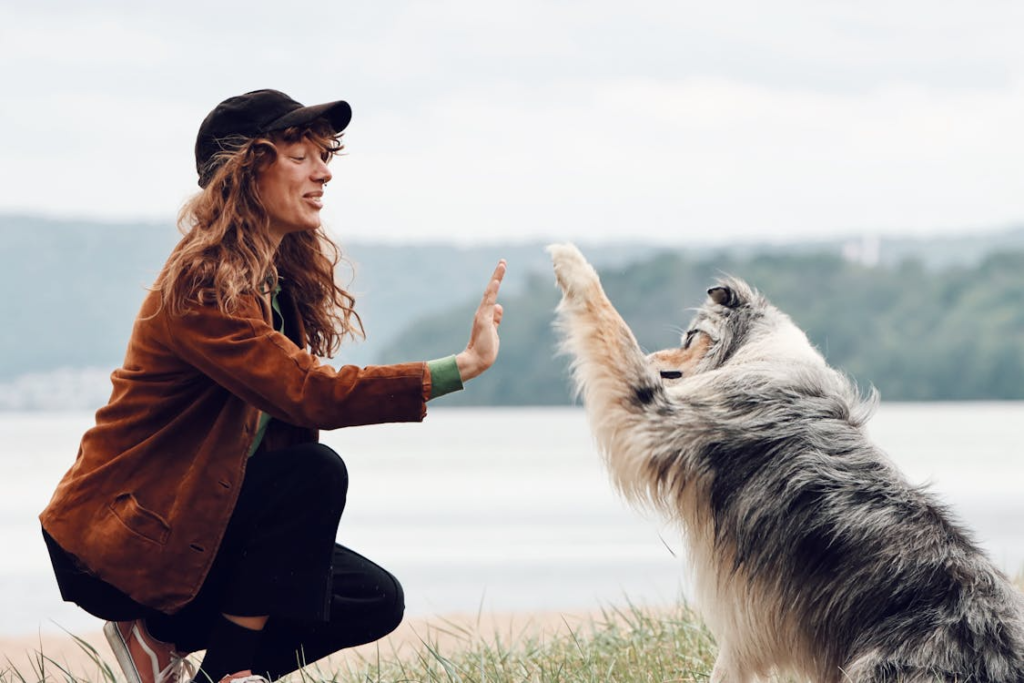
Australian Shepherds are lively, intelligent, and versatile. They enjoy mental challenges and thrive when given tasks or interactive toys. Their energetic nature encourages daily exercise, walks, or play sessions, helping owners burn energy and reduce restlessness. They are responsive to training and benefit from consistent commands and routines. Australian Shepherds are also highly social and enjoy companionship, which can reduce feelings of isolation. These dogs excel in structured environments and reward owners who can provide regular mental and physical stimulation. Their adaptability and enthusiasm make them excellent partners for individuals managing ADHD.
Poodle

Poodles are intelligent, trainable, and highly adaptable. They come in standard, miniature, or toy sizes, allowing flexibility for different living environments. Poodles enjoy learning new commands and tricks, providing mental stimulation for both dog and owner. Their loyalty and affection offer emotional support and consistent companionship. Poodles require regular exercise and grooming, which encourages routine and structure. Their intelligence and eagerness to engage make them well-suited for owners who benefit from clear expectations and consistent interaction. Additionally, their low-shedding coats can reduce sensory distractions for sensitive individuals.
Beagle

Beagles are friendly, curious, and energetic dogs. They enjoy walks, playtime, and interactive games, which help channel energy productively. Their social nature provides companionship and reduces feelings of restlessness or isolation. Beagles can be stubborn, so consistent training and routine are important. Their intelligence and curiosity require engagement, helping owners stay organized and focused on structured activities. Beagles also thrive in environments where they receive attention and guidance, making them excellent companions for individuals who benefit from external cues and consistent routines.
Cavalier King Charles Spaniel

Cavalier King Charles Spaniels are affectionate, gentle, and adaptable. They thrive on companionship and respond well to calm, consistent guidance. Their moderate energy level makes them suitable for individuals who want a supportive, interactive dog without overwhelming exercise needs. Spaniels enjoy playtime and short walks, which provide structure and help manage restlessness. Their affectionate nature encourages bonding and emotional support, which can reduce stress and improve mood. Cavalier King Charles Spaniels also adjust well to different living environments, making them versatile for owners with ADHD.
Shetland Sheepdog
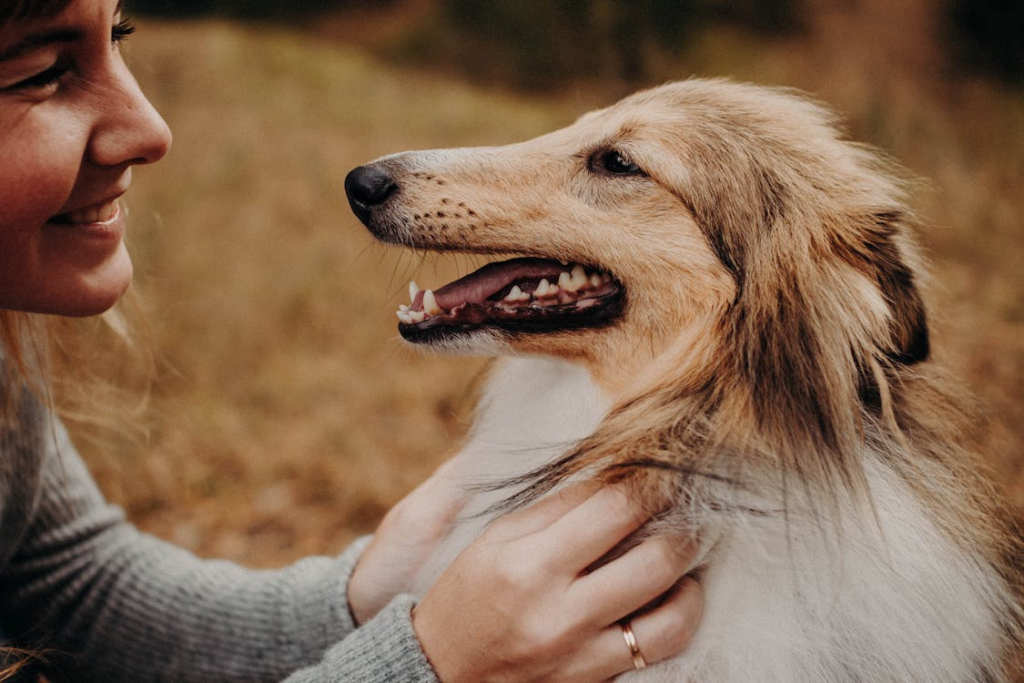
Shetland Sheepdogs are intelligent, loyal, and energetic. They respond well to structured training and enjoy tasks or challenges, keeping their minds engaged. Their activity level encourages daily walks, play, and mental stimulation. Shelties are sensitive to routines, which can help owners maintain consistent schedules. Their affectionate and attentive nature provides emotional support and companionship. Shetland Sheepdogs thrive when given responsibilities or interactive play, making them suitable for individuals with ADHD who benefit from structure and purpose in daily life.
Boxer

Boxers are energetic, playful, and affectionate. They require regular physical activity, which encourages owners to maintain consistent exercise routines. Boxers are intelligent and respond well to training with clear commands. Their playful personality reduces stress and promotes positive social interaction. Boxers are also protective and loyal, providing a sense of security and companionship. Daily engagement with a Boxer encourages structured activities, helping owners channel their energy productively. Their outgoing nature makes them ideal for individuals who enjoy active, interactive relationships with their dogs.
Boston Terrier

Boston Terriers are friendly, adaptable, and low-maintenance. They enjoy moderate exercise and respond well to training, making them suitable for owners with varying energy levels. Boston Terriers are affectionate and social, providing companionship and reducing feelings of isolation. Their manageable size and easygoing temperament make them compatible with apartments or smaller living spaces. Engaging with a Boston Terrier through walks, play, and training helps maintain structure and routine. Their intelligence and adaptability make them a great choice for individuals managing ADHD while seeking a supportive and interactive pet.
Fuzzy Solutions for Fuzzy Minds: These Fluff Babies are Perfect
Choosing the right dog breed can make a significant difference for individuals with ADHD. Dogs provide structure, exercise, companionship, and emotional support, helping owners manage stress, energy, and focus. Breeds like Labrador Retrievers, Golden Retrievers, Border Collies, and Poodles combine intelligence, trainability, and social temperament to encourage positive routines. Smaller or lower-energy breeds, such as Cavalier King Charles Spaniels or Boston Terriers, provide affectionate companionship with less demanding exercise needs. By understanding breed traits, energy levels, and care requirements, individuals with ADHD can find a canine partner that complements their lifestyle, enhances daily routines, and supports mental and emotional wellbeing. The bond between dog and owner can provide stability, joy, and motivation in ways that benefit both parties.
Read More: 8 Emotional Traits People Who Talk to Their Pets Tend to Have