
The worst things in 2025 have left a lasting mark on communities, economies, and the environment worldwide. From natural disasters to economic turmoil, the year has tested resilience and exposed vulnerabilities in ways few anticipated. People everywhere faced challenges that disrupted daily life, from soaring prices and energy shortages to extreme weather and health scares. Governments and organizations scrambled to respond, often highlighting both the strengths and weaknesses of global systems. Social and political tensions intensified as communities struggled with unemployment, political unrest, and humanitarian crises.
At the same time, climate-related events such as heatwaves, wildfires, and flooding revealed the growing impact of environmental changes on human lives. Technology and cybersecurity failures reminded the world how reliant society has become on digital infrastructure, while ongoing conflicts and refugee crises emphasized the need for international cooperation. As individuals, families, and nations navigated these complex challenges, the consequences of 2025 served as both a wake-up call and a stark reminder of the interconnectedness of global systems. The following list highlights 20 of the most significant and disruptive events, illustrating the scope and severity of the worst things that shaped the year.
1. Global Inflation Surge Hits Household Budgets
One of the worst things in 2025 has been the sharp surge in global inflation, affecting households worldwide. Prices for essential items like food, energy, and housing climbed faster than wages in many countries. Families in both developed and developing nations struggled to balance budgets as grocery bills and utility costs soared. Central banks attempted to counteract the inflation with interest rate hikes, but higher borrowing costs added pressure on mortgages, loans, and small businesses. Economists warned that prolonged inflation could deepen economic inequality, leaving vulnerable populations with fewer resources. In countries reliant on imports, currency depreciation amplified the price increases, forcing governments to introduce subsidies and temporary relief measures.
Despite some stabilization later in the year, the inflation shock left lasting effects, with households needing to adopt stricter budgeting and rethink spending priorities. Analysts continue to debate whether the inflation spike represents a short-term disruption or a more sustained economic challenge that could linger into 2026.
2. Severe Flooding Devastates Multiple Regions
Another major event in 2025 involved extreme flooding that devastated several regions across Asia, Europe, and the Americas. Record-breaking rainfall and overflowing rivers caused widespread destruction of homes, businesses, and infrastructure. Thousands of residents were displaced, and emergency response teams struggled to reach isolated communities. The floods also destroyed crops and disrupted supply chains, contributing to rising food prices in affected areas. Local governments declared states of emergency, and international aid organizations mobilized resources for rescue and relief operations.
In addition to the immediate destruction, the floods caused long-term economic damage, particularly in regions dependent on agriculture and tourism. Scientists noted that climate change is intensifying rainfall patterns, making such events more frequent and severe. Insurance companies faced unprecedented claims, while communities worked to rebuild homes and livelihoods. The widespread flooding underscored vulnerabilities in urban planning and infrastructure resilience, leaving experts calling for more proactive mitigation measures to reduce future risks.
3. Cybersecurity Breaches Shake Global Confidence
Cybersecurity crises ranked among the worst things in 2025, as major breaches hit governments, corporations, and financial institutions. Hackers exploited vulnerabilities in widely used software, leading to data theft, ransom attacks, and disruption of critical services. Millions of personal records were compromised, including sensitive financial and health information, leaving individuals at risk of identity theft and fraud. Governments issued urgent warnings about the growing sophistication of cyberattacks, while companies scrambled to implement emergency patches and security measures. In some cases, attacks temporarily halted public services, including transport, healthcare, and communications networks.
The breaches exposed weaknesses in digital infrastructure and highlighted the need for stronger international cybersecurity cooperation. The economic impact was significant, as businesses faced both operational downtime and reputational damage. Analysts warned that the scale of attacks in 2025 indicated a shift toward more organized, state-linked cybercrime, emphasizing the importance of robust preventative strategies and public awareness campaigns.
4. Global Food Shortages Intensify
Food insecurity became one of the worst things in 2025, affecting millions across several continents. Poor harvests, extreme weather, and supply chain disruptions led to significant shortages of staple foods such as wheat, rice, and maize. In some countries, these shortages triggered price spikes that disproportionately affected low-income households. Humanitarian organizations warned of growing malnutrition, particularly in regions already facing poverty and political instability. Export restrictions by major producers worsened the problem, leaving importing nations struggling to secure adequate supplies.
The situation also highlighted vulnerabilities in global agricultural systems, where dependency on limited crop varieties and long supply chains increased the risk of crisis. In urban areas, consumers faced empty supermarket shelves, while rural communities dealt with ruined crops and livestock losses. Governments and NGOs launched emergency food distribution programs, but demand often exceeded capacity. The 2025 food shortages emphasized the urgent need for more resilient agricultural practices and international collaboration to stabilize global food supplies.
5. Escalating Middle East Conflicts
Rising geopolitical tensions and military escalations in the Middle East marked another of the worst things in 2025. Conflicts between nations and non-state actors led to civilian casualties, displacement, and humanitarian crises. Key urban centers experienced bombings, airstrikes, and clashes, resulting in significant infrastructure damage. Refugee flows increased, placing pressure on neighboring countries and international aid agencies. Diplomatic efforts to negotiate ceasefires were often delayed or undermined, prolonging instability. The unrest disrupted oil production and regional trade, affecting global markets and contributing to energy price volatility.
International organizations criticized both military interventions and insufficient protection for civilians. Human rights groups documented violations and called for stronger enforcement of international law. The ongoing conflicts not only endangered local populations but also fueled global concerns about terrorism, migration, and regional security. Analysts noted that without sustained diplomatic solutions and economic support, the crisis could have long-term repercussions for both local and international stability.
6. Global Energy Crisis Worsens
The energy crisis in 2025 intensified, ranking among the worst things for both consumers and industries. Rising demand combined with limited supply caused fuel prices to spike sharply across continents. Electricity shortages hit several countries, forcing rolling blackouts and disrupting businesses, healthcare, and transport networks. Fossil fuel dependency exposed vulnerabilities, and renewable energy infrastructure struggled to meet the surge in demand. Governments scrambled to stabilize markets by releasing reserves, imposing rationing, and negotiating new import contracts.
The crisis also slowed industrial production, affecting global trade and manufacturing output. Households faced rising utility bills, and public frustration grew over perceived government inaction. Experts warned that without significant investment in energy storage, sustainable generation, and grid modernization, shortages could continue in the coming years. The crisis highlighted how fragile energy systems remain, even in developed nations, and emphasized the need for long-term solutions to secure reliable, affordable power worldwide.
7. Major Airline Disruptions and Crashes
In 2025, aviation faced some of the worst things with multiple airline disruptions and crashes. Extreme weather, aging fleets, and technical failures caused delays, cancellations, and tragic accidents. Tens of thousands of passengers were stranded due to grounded flights, particularly during peak travel seasons. Investigations into crashes revealed lapses in maintenance protocols and regulatory oversight in some regions. Families were affected by both financial losses and personal tragedies, and air travel confidence declined. Airlines faced massive compensation claims, while insurance companies recorded high payouts, putting further pressure on the industry. Safety agencies called for stricter standards, advanced monitoring, and new pilot training programs.
The combination of operational failures and environmental challenges made 2025 one of the most turbulent years for global aviation. Analysts noted that without urgent reforms, both passenger safety and industry stability could remain at risk for years to come.
8. Widespread Mental Health Crisis

Social isolation, economic pressures, and climate-related disasters increased rates of depression, anxiety, and stress disorders. Healthcare systems struggled to meet rising demand, with mental health professionals in many countries reporting overwhelming caseloads. Suicide rates rose in some regions, prompting urgent warnings from medical organizations and NGOs.
Digital platforms, while helpful in connecting people, sometimes amplified misinformation and harmful content, complicating treatment and awareness efforts. Governments introduced emergency funding and public health campaigns, but gaps in services remained, particularly in rural and underserved areas. Workplaces and schools also faced challenges in providing support and managing stress-related absenteeism. The crisis highlighted the urgent need for integrated mental health policies, better access to care, and proactive preventive programs to reduce long-term societal impact.
9. Devastating Wildfires Sweep Multiple Countries
Wildfires became one of the worst things in 2025 as extreme heatwaves and prolonged droughts fueled massive blazes across several continents. Forests, wildlife habitats, and rural communities were destroyed, and air quality reached dangerous levels in cities downwind. Thousands were forced to evacuate, and emergency services were stretched to their limits. Economic losses were extensive, including property damage, agricultural losses, and disruption to tourism. Firefighting teams used aircraft, ground crews, and volunteers to contain the flames, but unpredictable weather often worsened conditions. Environmental experts warned that climate change made such fires more frequent and intense.
Long-term consequences included soil degradation, water contamination, and loss of biodiversity. The wildfires exposed weaknesses in early warning systems and forest management practices. Communities called for better preparedness, stricter regulations on land use, and investment in technology to detect and respond to fires more effectively in the future.
10. Water Scarcity Reaches Critical Levels
Severe water shortages in 2025 were among the worst things for both urban and rural populations. Rivers, reservoirs, and groundwater sources fell to dangerously low levels due to drought, overuse, and climate change. Cities faced rationing and restrictions, impacting households, agriculture, and industrial operations. Farmers struggled to irrigate crops, causing food production losses and rising prices. Some regions relied on emergency water deliveries, but supply often failed to meet demand. Public health concerns grew as sanitation and hygiene were compromised in certain areas. Governments invested in desalination plants, water recycling, and infrastructure upgrades, but solutions were costly and slow to implement.
Experts warned that population growth and continued climate pressures could make water scarcity a persistent global challenge. Communities were urged to adopt conservation measures, improve water management, and plan for sustainable usage to avoid even more severe crises in the coming years.
11. Rising Global Unemployment
One of the worst things in 2025 was the sharp rise in unemployment across multiple regions. Economic slowdowns, automation, and corporate downsizing contributed to millions losing jobs. Young workers and those in service industries were disproportionately affected, leaving many struggling to cover basic living costs. Governments implemented emergency unemployment benefits and job retraining programs, but the measures were often insufficient to meet demand. Businesses faced reduced consumer spending, creating a feedback loop that slowed recovery. Job insecurity led to increased mental health issues, household stress, and social unrest in certain areas. Labor markets also saw widening inequality, as highly skilled workers remained in demand while lower-skilled roles declined.
Analysts emphasized the need for long-term workforce planning, investment in new industries, and education reforms to prevent further erosion of employment opportunities. The rising unemployment crisis highlighted systemic vulnerabilities and reinforced the importance of economic resilience and adaptive policies in an increasingly volatile global market.
12. Widespread Airline Fuel Strikes
Fuel industry strikes in 2025 disrupted global aviation, ranking among the worst things for travelers and commerce. Workers at major refineries and transport hubs staged prolonged strikes over wages and working conditions, halting fuel supply chains. Airlines were forced to cancel thousands of flights, leaving passengers stranded and damaging international business travel. Freight transport delays affected perishable goods, pharmaceuticals, and industrial components. Governments attempted to mediate, but negotiations often stalled, prolonging disruption. The strikes highlighted the fragility of global energy logistics and the dependence of critical industries on a small number of key suppliers.
Economists warned that repeated disruptions could erode consumer confidence and impact global trade. Airlines increased contingency planning, including fuel stockpiling and route adjustments, but costs rose sharply. Public frustration grew as travelers faced uncertainty, cancellations, and higher ticket prices. The strikes emphasized the need for better labor relations, diversified supply chains, and infrastructure resilience to prevent similar crises in the future.
13. Record-Breaking Heatwaves
Extreme heatwaves in 2025 were among the worst things affecting millions of people. Temperatures reached unprecedented levels in North America, Europe, Asia, and Australia, breaking historical records. Heat-related illnesses and deaths surged, particularly among vulnerable populations such as the elderly, children, and outdoor workers. Energy grids were strained due to high demand for cooling, causing temporary blackouts in some areas. Wildfires ignited in drought-affected regions, compounding environmental and economic damage. Agriculture suffered as crops wilted under extreme conditions, creating food shortages and higher prices.
Governments issued public health warnings, opened cooling centers, and implemented water usage restrictions, but relief efforts often fell short. Scientists emphasized that these heatwaves reflected the growing impact of climate change and called for accelerated adaptation and mitigation measures. The intensity and frequency of the 2025 heatwaves underscored the urgency of preparing urban infrastructure, emergency services, and communities for extreme weather events.
14. Global Supply Chain Disruptions
Supply chain disruptions became one of the worst things in 2025, affecting industries from electronics to food. Transportation bottlenecks, port congestion, labor shortages, and geopolitical tensions delayed shipments worldwide. Manufacturers struggled to source raw materials, while retailers faced empty shelves and rising costs. Delayed production affected consumer electronics, automobiles, and medical supplies, creating widespread frustration. Companies attempted to reroute shipments, increase inventory, and negotiate alternative suppliers, but solutions were often temporary. Inflationary pressures worsened due to scarcity and shipping cost increases.
The disruptions highlighted vulnerabilities in global trade networks and dependence on limited production hubs. Analysts emphasized the need for diversified supply chains, regional manufacturing, and improved logistics planning. Consumers faced shortages and price spikes for essential and non-essential goods alike. Governments and businesses were forced to consider long-term strategies for resilience, including investment in domestic production and technology to better predict and manage global supply risks.
15. Rising Sea Levels Flood Coastal Cities
Rising sea levels and extreme tides were among the worst things in 2025, threatening coastal cities and communities. Major urban areas experienced repeated flooding, damaging infrastructure, homes, and transportation networks. Low-lying regions faced permanent land loss, forcing evacuations and long-term relocation plans. Insurance costs soared as flood-prone areas became riskier, and property values declined. Governments invested in sea walls, drainage systems, and emergency response teams, but many cities remained vulnerable. Environmental experts warned that rising sea levels were accelerating due to melting polar ice and warming oceans.
Flooding disrupted commerce, tourism, and daily life, creating economic strain on both local governments and residents. The recurring floods emphasized the need for climate adaptation, sustainable urban planning, and international collaboration to protect populations. Without immediate action, analysts predicted further loss of life, property, and economic stability in coastal zones globally.
16. Escalating Political Instability
Political unrest became one of the worst things in 2025, affecting several countries across continents. Protests, strikes, and clashes with security forces erupted over economic grievances, corruption, and government policies. In some regions, opposition parties and activist groups faced suppression, fueling international criticism. Political instability disrupted governance, slowed decision-making, and reduced investor confidence. Markets reacted negatively, with stock indices experiencing volatility, while foreign aid and trade agreements were delayed or canceled. Civilian populations faced uncertainty and stress, and in extreme cases, violent confrontations caused injuries and fatalities.
Analysts warned that prolonged instability could weaken democratic institutions and lead to long-term economic and social consequences. Governments attempted dialogue and reform, but success varied widely. The unrest underscored the fragility of political systems and the importance of transparent governance, public trust, and conflict resolution mechanisms to prevent future crises.
17. Major Earthquakes Cause Widespread Damage
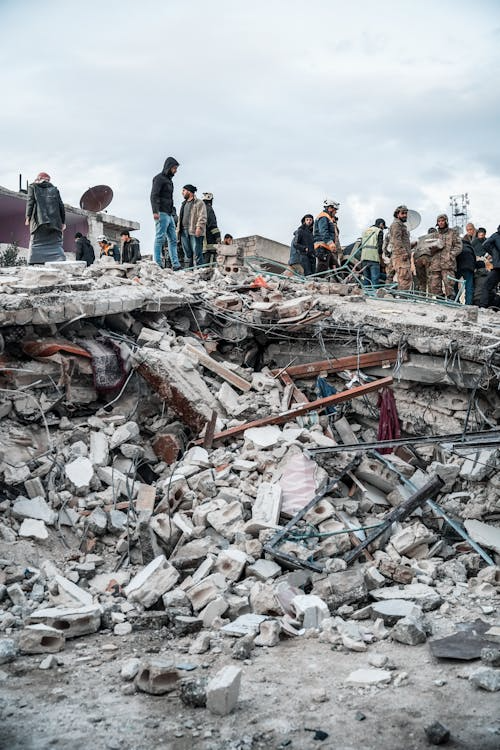
Seismic activity damaged buildings, roads, and essential infrastructure, leaving thousands homeless. Rescue operations faced challenges due to blocked roads, unstable structures, and aftershocks. Casualties and injuries were significant, and hospitals struggled to provide emergency care. The economic impact was severe, with reconstruction costs and insurance claims reaching billions.
Regions with limited building codes suffered disproportionate damage, highlighting the importance of disaster preparedness. International aid agencies provided relief, but long-term recovery often required years of rebuilding. Earthquake events also disrupted local industries, education, and public services. Scientists emphasized the need for improved seismic monitoring, stricter construction standards, and community preparedness programs. The 2025 earthquakes illustrated the vulnerability of urban centers to natural disasters and the need for proactive measures to reduce human and economic losses.
18. Global Refugee Crises Intensify
Rising conflicts, climate disasters, and political instability in 2025 contributed to worsening refugee crises, one of the worst things affecting humanity. Millions were displaced, fleeing war zones, floods, and famine. Border countries faced overwhelming humanitarian pressure, struggling to provide food, shelter, and medical care. Refugee camps often became overcrowded, raising health risks and sanitation concerns. International organizations appealed for urgent assistance, but funding and logistical challenges limited responses.
Displacement caused social tensions, as host communities faced resource strain. Long-term integration and resettlement remained difficult, leaving many in temporary or insecure conditions. The crises highlighted gaps in global refugee protection systems and the urgent need for coordinated international action. Advocates stressed addressing root causes, including conflict resolution, climate adaptation, and economic development, to reduce forced migration. The situation in 2025 revealed the persistent vulnerability of displaced populations and the importance of proactive global cooperation.
19. Devastating Hurricanes and Tropical Storms
In 2025, hurricanes and tropical storms caused destruction in multiple regions, ranking among the worst things for affected populations. Coastal communities faced flooding, property damage, and power outages. Storm surges destroyed infrastructure and forced mass evacuations. Agricultural lands were damaged, causing crop losses and food insecurity. Emergency services were often overwhelmed, and recovery efforts were prolonged. Insurance claims surged, and economic losses impacted local and national economies.
Meteorologists noted that unusually warm ocean temperatures fueled the intensity of storms. Governments invested in warning systems, emergency shelters, and rebuilding programs, but some areas remained highly vulnerable. The storms also contributed to long-term environmental degradation, including erosion and habitat loss. Analysts emphasized that continued climate change will likely increase the frequency and severity of such events, highlighting the importance of improved planning, resilient infrastructure, and international support for disaster response.
20. Global Public Health Scares
Public health emergencies in 2025 were among the worst things affecting millions worldwide. Outbreaks of infectious diseases, some linked to mutated viruses, challenged healthcare systems. Hospitals faced overcrowding, shortages of medical supplies, and staffing pressures. Vaccination campaigns and public health measures were implemented, but uneven access and misinformation hampered effectiveness. Travel restrictions, quarantines, and closures disrupted economies and daily life. Governments and international organizations coordinated responses, including surveillance, testing, and treatment programs, yet challenges persisted in containment and prevention.
Public anxiety rose, impacting mental health and social cohesion. Analysts warned that global interconnectedness increased vulnerability to emerging diseases and stressed the need for preparedness, rapid response infrastructure, and public education. The 2025 health scares reinforced the importance of global cooperation in monitoring, preventing, and managing infectious disease outbreaks to minimize societal and economic disruption.
Vulnerabilities, Cyber Madness, Politics. 2025 Was a Year of Change
2025 proved to be a year of unprecedented challenges, with the worst things affecting millions around the world. From economic struggles like inflation and rising unemployment to environmental crises such as wildfires, heatwaves, and rising sea levels, the impact was both immediate and long-term. Conflicts, political instability, and refugee crises highlighted the fragility of social systems, while public health scares and cybersecurity breaches revealed vulnerabilities in global preparedness.
These events were not isolated, but often interconnected, demonstrating how disruptions in one area can ripple across economies, communities, and ecosystems. Despite efforts by governments, organizations, and communities to respond, many people experienced hardship, loss, and uncertainty. Understanding these challenges is critical to building resilience and developing strategies to mitigate future crises. By examining the 20 worst things that shaped 2025, we gain insight into global vulnerabilities, the importance of cooperation, and the urgent need for proactive solutions to protect both people and the planet in the years ahead.
Read More: 17 Grocery Staples That Got So Expensive, People Just Gave Up