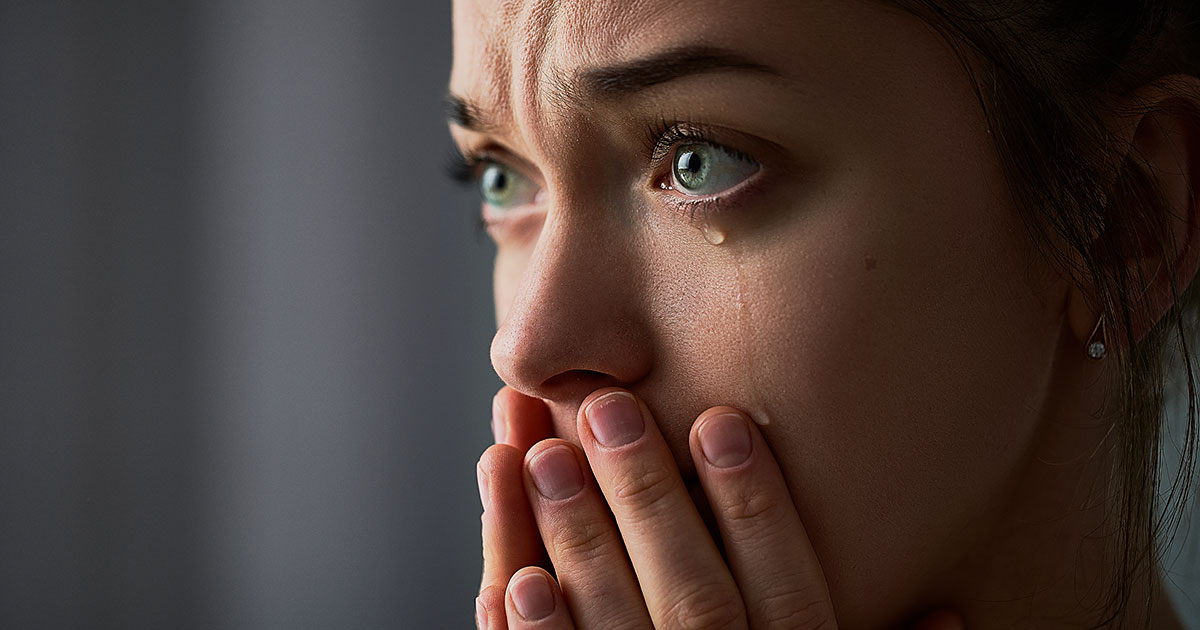

Loneliness rarely announces itself in a direct way. For many women, it settles into routines, moods, and choices long before they call it loneliness. The word can feel heavy, so they focus on tasks, people, or responsibilities instead, hoping the feeling fades. Yet the signs appear in day to day moments, often disguised as habits that seem harmless. When you look closer, these patterns show how the mind tries to cope when connection feels distant or inconsistent. This list focuses on the hidden ways loneliness shows itself, especially for women who stay busy enough to miss the early signals. Understanding these signs is not about blame, it is about recognition. Once you see how loneliness influences your reactions, you can take steps that actually help. The goal is awareness, because awareness turns loneliness into something you can address instead of something you carry in silence.
1. Choosing Distraction Over Rest
Many women fill every spare moment with errands, scrolling, or background noise to avoid sitting with their own thoughts. It feels productive, yet the pace often masks the discomfort that settles in when life feels disconnected. Distraction becomes the default because stillness brings up emotions they would rather postpone. You might notice yourself jumping into chores you do not need to do or reaching for your phone anytime there is a pause. That pattern signals that your mind is trying to outrun something heavier. Loneliness often grows in the gaps between tasks, so keeping busy feels like protection. The problem is that distraction never solves the feeling, it only pushes it forward. If this habit sounds familiar, it may be worth asking why still moments feel so uncomfortable. That question uncovers more truth than the activity ever will.
2. Conversations Feel One-Sided Even When Surrounded by People
You can have people around you, text threads active, and group chats buzzing, yet still feel unseen. Loneliness appears when conversations stay surface level or when you feel responsible for carrying the connection. Many women listen, support, and respond, yet rarely feel that same attention directed back at them. It becomes clear when you leave interactions feeling drained rather than supported. This is not about expecting perfection from others, it is noticing whether you feel understood. When loneliness grows, women often lower their expectations to keep relationships functioning, convincing themselves that being included is enough. But inclusion without connection leaves an emotional gap that becomes harder to ignore. If you walk away from conversations feeling unseen, your loneliness may be trying to tell you something important about the relationships you depend on.
3. Feeling Left Out Without a Clear Reason
Some women notice a sense of being on the outside even when no one has excluded them. It shows up in group settings, at work, or around friends who have not changed their behavior. The feeling comes from within, not from how others treat them. Loneliness can create a gap between what is happening and what it feels like internally. You might listen to everyone talk and still feel disconnected from the moment. This does not mean people are pushing you away, it means your emotional bandwidth is low and connection feels harder to reach. Many women ignore this sign because it feels vague, but the message is simple. Your mind is telling you that you need deeper contact, not just presence in a room. Once you acknowledge the feeling, you can start moving toward conversations or relationships that feel more mutual.
4. Getting Irritated More Easily
Loneliness can make small inconveniences feel bigger than they are. When someone is running low on meaningful connection, patience wears thin. A minor comment from a coworker, a household mess, or a delayed response from a friend can feel heavier than expected. This is not because you are overly sensitive, it is because your emotional reserves are stretched. Many women blame themselves for these reactions instead of recognizing the underlying signal. Irritation often rises when you are carrying too much without enough support or understanding from others. It is your mind’s way of saying something feels off. If you notice this pattern, take it as information rather than a flaw. It might mean you need companionship, conversation, or a place to express what you have been holding in. Addressing the loneliness behind the irritation brings more relief than trying to force yourself to “be fine.”
5. Losing Interest in Things You Normally Enjoy
Loneliness can take the excitement out of routines you usually look forward to. You might still do the activity, but it feels different, almost like you are going through the motions. Many women notice this during hobbies, workouts, or weekend plans that used to energize them. Nothing dramatic happens, the spark just feels thinner. This shift often comes from missing emotional connection rather than losing interest in the activity itself. When you feel disconnected from others, your own world can start to feel muted. Instead of pushing yourself to “snap out of it,” pause and pay attention. This reaction often means you need more meaningful contact or someone to share parts of your life with. Once that need is met, enjoyment tends to return, because the activity was never the problem in the first place.
6. Talking Less Because It Feels Pointless

Many women pull back from conversation when loneliness grows. It is not that they have nothing to say, they just feel unsure that anyone will understand or care in a meaningful way. You might notice yourself shortening answers, skipping details, or deciding certain topics are easier to keep to yourself. This quieting is a protective habit that develops when emotional needs feel unmet. The less you expect from others, the less you risk disappointment. But withdrawing creates even more distance, which deepens the loneliness you were trying to avoid. If you notice you are speaking less, especially with people you trust, that is a sign something inside you needs connection, not silence. Starting with one honest conversation can break that cycle faster than you expect.
7. Overthinking Simple Interactions
Loneliness can make everyday moments feel heavier in your mind than they were in reality. A short text, a delayed reply, or a brief comment can turn into something you replay and question. Many women start looking for hidden meaning in interactions that would normally feel straightforward. This does not come from insecurity, it comes from missing the reassurance that deeper connection provides. When you feel unsupported, your mind fills the gaps with worry or doubt because you do not have enough emotional feedback to lean on. If you catch yourself analyzing conversations that did not require that level of attention, pause before assuming the worst. This pattern usually reflects a need for closer connection, not a problem with the interaction itself. The moment you get steady support again, the overthinking tends to ease.
8. Feeling Tired Even When You’re Not Busy
Loneliness can drain your energy in a way that feels confusing. You might get enough sleep, handle your tasks, and still feel worn down. Many women blame work or stress, but the deeper reason is often emotional fatigue from carrying too much alone. When connection is missing, the day feels heavier because there is no outlet for thoughts, frustration, or humor. It becomes tiring to hold everything inside, even if your schedule looks manageable. This kind of tiredness is not solved by rest alone; it improves when you have someone to talk to or spend time with in a meaningful way. If you notice this pattern, treat it as a sign that your emotional world needs attention, not as a sign of personal weakness. A single genuine exchange can bring back more energy than a full weekend of doing nothing.
9. Feeling Invisible in Your Own Home
Loneliness does not only appear when you are physically alone. Many women feel it most inside their own home, especially when their needs fade behind everyone else’s routines. You may handle tasks, answer questions, solve problems, and still feel unseen in the process. This feeling grows when your contributions go unacknowledged or when no one checks in on how you are actually doing. It creates a gap between what you give and what you receive. That gap becomes a form of loneliness that is easy to ignore because life keeps moving. If you notice yourself feeling overlooked even in familiar spaces, listen to that signal. It means you need more recognition, more partnership, or simply more conversation that centers you instead of everyone else. Seeing the pattern is the first step toward changing it.
10. Wanting Company but Avoiding Plans

A surprisingly common sign of loneliness is craving company while turning down invitations. Many women feel torn between wanting connection and fearing they will not fit in or feel understood once they get there. You might make excuses, say you are too busy, or tell yourself it is easier to stay home. The truth is that loneliness shifts your expectations. It convinces you that showing up will feel disappointing, so you withdraw before anything starts. The conflict between wanting people and avoiding them is not laziness or moodiness; it is a sign that your emotional confidence needs support. If this pattern sounds familiar, start with something low-pressure, like a short visit or a casual chat. Taking one small step toward connection helps rebuild the comfort you lost, making future plans feel less overwhelming.
11. Buying Things to Fill Emotional Gaps
Loneliness can push women into buying things they do not truly need. It is not about materialism, it is about wanting a momentary lift or a sense of reward. A new outfit, skincare routine, or home item brings a quick hit of satisfaction, but the feeling fades fast. Many women notice this pattern during stretches when they feel disconnected or unheard. The purchase becomes a stand-in for comfort or excitement. There is nothing wrong with treating yourself, but if shopping feels like the only highlight in your week, it may be covering something deeper. This habit often signals a craving for emotional warmth rather than physical items. When real connection returns, the urge to shop for comfort usually decreases on its own.
12. Feeling Jealous of Other People’s Friendships
Even women who rarely experience jealousy can feel a tug when they see others laughing together, making plans, or sharing moments online. It is not envy in a harsh sense; it is a reminder of connection you wish you had. Loneliness heightens awareness of what is missing. You might find yourself thinking, “Why don’t I have that?” or “When did I lose that kind of closeness?” These thoughts do not make you needy; they make you human. They show you that companionship matters more than you have been admitting. Instead of judging yourself for the feeling, treat it as information. It highlights a space in your life that needs attention, not comparison. Realizing this can help you reach out instead of pulling further away, which is usually the step that brings relief.
13. Becoming Overly Independent
Many women respond to loneliness by taking on everything themselves. It feels safer to depend on your own routines than risk feeling let down by others. You start solving problems alone, keeping emotions to yourself, and convincing people you are fine even when you feel stretched. Independence becomes a shield, but it also reinforces the isolation you were trying to avoid. Over time, the habit makes it harder to reach out because you forget what support even feels like. If you notice yourself insisting on doing everything without help, pause and ask whether it comes from strength or from loneliness that has gone unspoken. Letting someone assist you, even a little, breaks the pattern and reminds you that connection does not require perfection.
14. Constantly Second-Guessing Your Decisions

Loneliness often shows up in the way women doubt themselves. When you feel disconnected, you lose the emotional sounding board that helps decisions feel steadier. You might rethink choices you used to trust or analyze every option until nothing feels certain. This does not mean you are indecisive; it means you are missing the reassurance that comes from supportive conversation. Without that anchor, everyday decisions start to carry more internal debate than usual. If you notice this happening, do not judge yourself for it. It is simply a sign that you need connection, not more analysis. Talking something through with someone you trust often provides more ease than any amount of internal questioning.
15. Feeling Like You’re Watching Your Life Instead of Living It
Loneliness can create a strange distance between you and your own experiences. You go through your day, complete your tasks, meet your responsibilities, yet everything feels slightly out of sync. It is as if you are observing rather than participating. Many women describe this feeling during periods when emotional support is thin or when they feel disconnected from people who matter to them. This sense of being “elsewhere” is not dramatic, but it is telling. It signals that you need connection that feels alive and mutual, not just routine. Once you start engaging with people in ways that feel genuine, the sense of distance fades, and life begins to feel like something you are actually part of again.
What These Signs Are Really Telling You
Loneliness does not always show up as emptiness. Most of the time, it slips into habits that look like stress, exhaustion, or distraction, which is why so many women miss the early clues. These patterns are not failures; they are information. They point toward needs that have gone unanswered for too long. Once you identify the signs that resonate with your experience, you can respond in a way that actually shifts something. That might mean reconnecting with people you trust, seeking new friendships, or being more honest about what you need emotionally. The goal is not to eliminate loneliness instantly, it is to stop carrying it silently. Recognition is the first step toward change, and change becomes possible the moment you stop ignoring what your own behavior has been trying to tell you.
Read More: 25 Small details to pay attention to if you’re suspicious of your partner