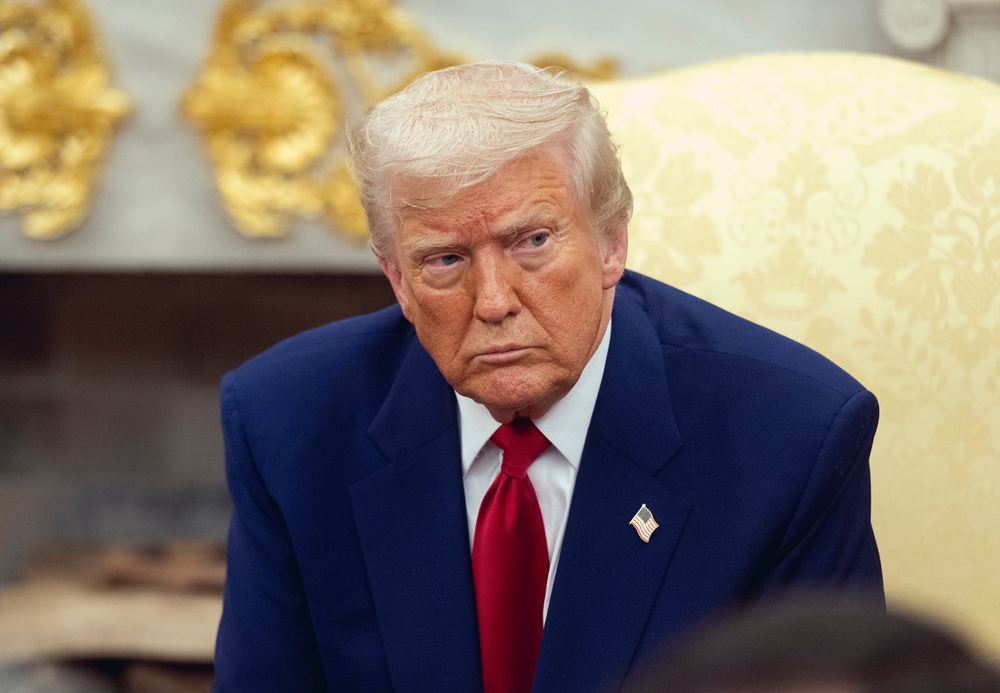
People tried to make sense of why President Trump returned to office with such low favorability, so they looked at the mood of the country and noticed how strained things felt long before he stepped back into power. This mattered because voters do not judge a returning leader in a vacuum, they judge them through years of built up feelings that shape how they react when the spotlight turns on again. The country entered his second rise with tension already in the air because people carried strong memories of his first term, and those memories pushed them toward quick judgments that softened his support the moment he reappeared.
Many felt pulled between exhaustion and uncertainty because the political climate never settled, so they linked that restless energy to his leadership style. These emotions shaped early impressions because people tend to measure leaders through how they feel in their own lives, and many felt stretched between economic pressure, social conflict, and a desire for something steadier. His return collided with that desire, so negative perceptions formed faster than positive ones. When a figure carries years of division behind them, their approval does not rebound easily, which explains why his comeback arrived with such low public enthusiasm.
Widespread Polarization Shaped Public Sentiment
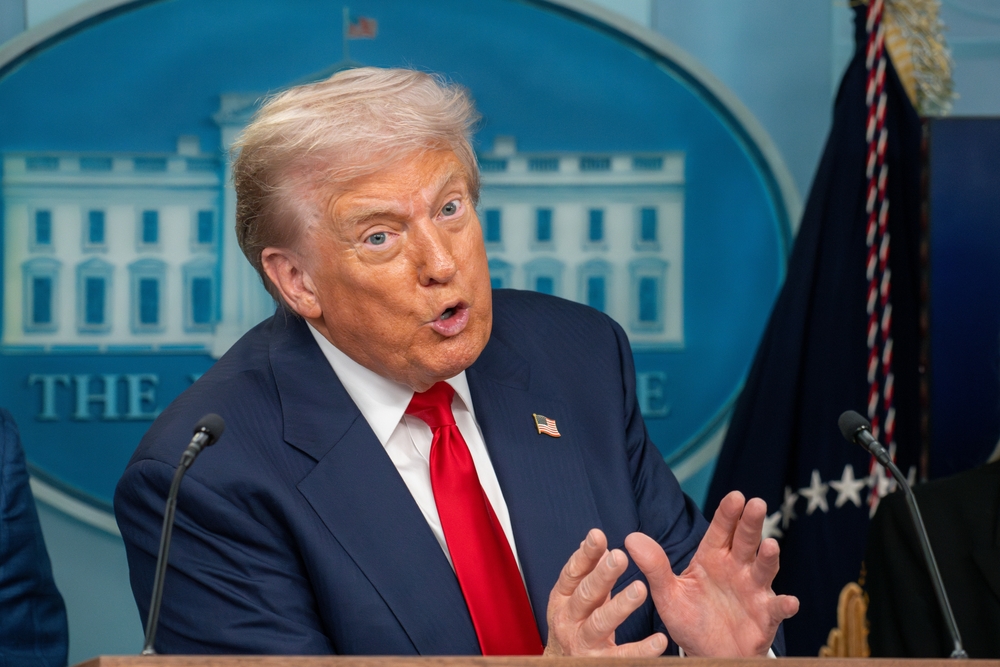
President Trump returned to office at a moment when the country already felt divided because people had spent years sorting themselves into groups that viewed events through completely different lenses. This environment shaped how his return landed because supporters saw a champion while critics felt wary of what his leadership represented. These views hardened because people had spent so long debating every move he made that few felt neutral by the time he returned. This meant his reentry arrived with baked in reactions that leaned negative for many voters, which created the foundation for why his overall favorability measured so low. The divide grew because the same traits that energized one side irritated the other, so the country reacted through tension rather than shared excitement.
Fatigue From Constant Conflict Lowered Enthusiasm
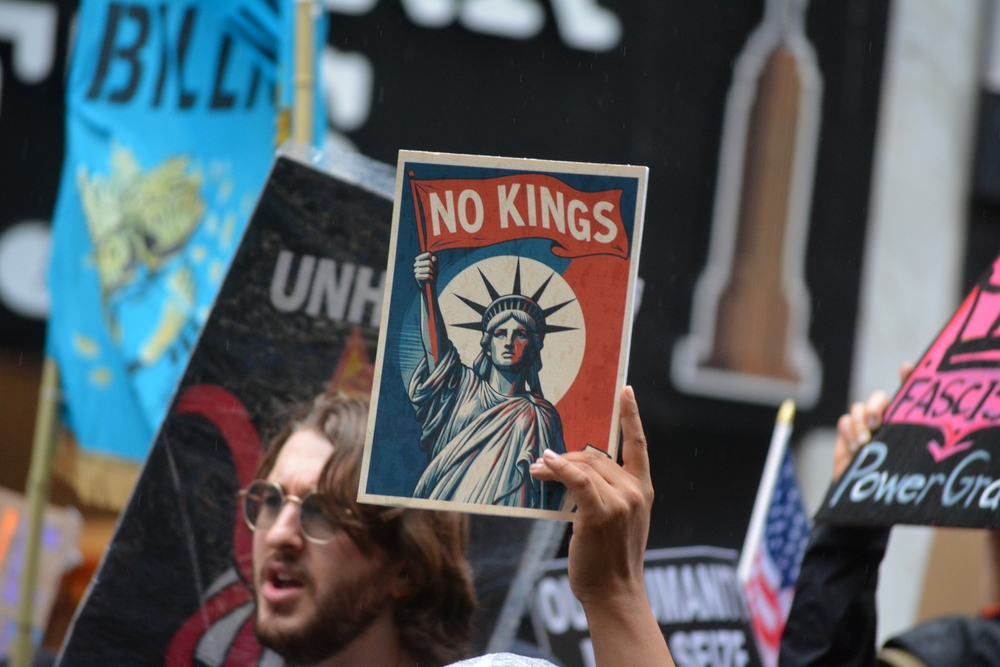
Image credit: Shutterstock
People felt tired because political fights had filled their daily lives for years, so the prospect of another term with nonstop battles produced more weariness than motivation. This fatigue influenced how they rated President Trump because they tied his leadership to a sense of constant friction. They carried memories of earlier disputes that stretched from household conversations to global headlines, so the idea of returning to that pace pushed many toward negative impressions. This reaction grew because fatigue does not spark support, it tends to reduce goodwill. When voters feel worn down, they often retreat from leaders who remind them of that feeling, which is why his favorability struggled to rebound during his return.
The Legal Drama Created Heavy Doubt
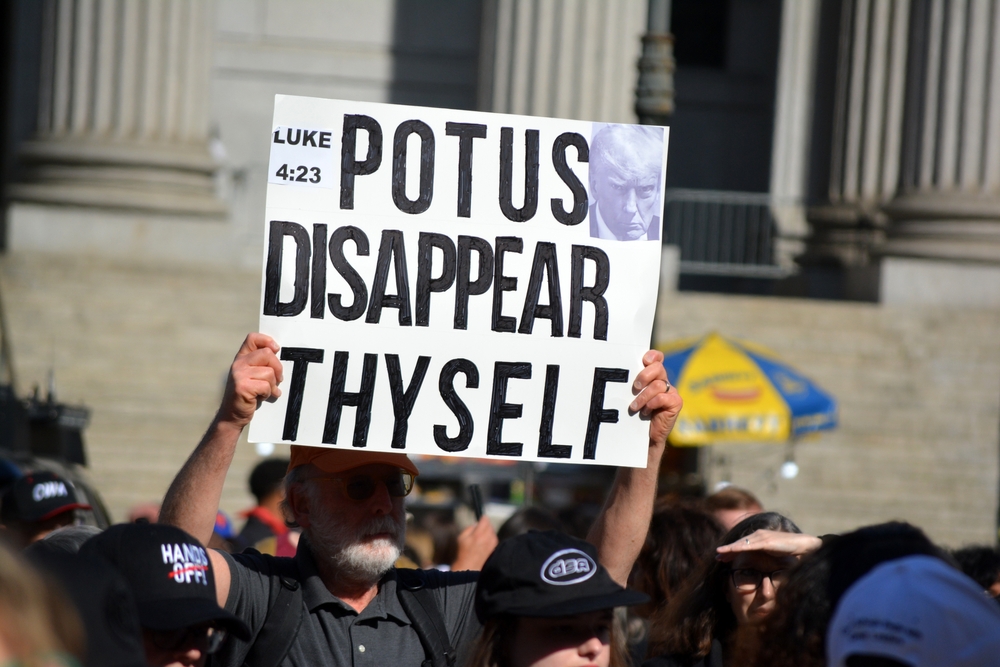
Image credit: Shutterstock
Court cases filled news cycles, and people processed those stories as signs of turmoil, so public trust weakened even before he took office again. Many individuals could not separate the legal drama from the role of a returning president, so they viewed the situation as a burden that followed him into the new term. These perceptions spread because each headline pushed people to question how the next four years might unfold. Doubt grows when people see instability, and this sense of instability influenced how they judged him. Even those who felt uncertain about the charges reacted to the constant tension that surrounded them, which contributed to low enthusiasm.
Past Handling of Crises Still Shaped Public Memory
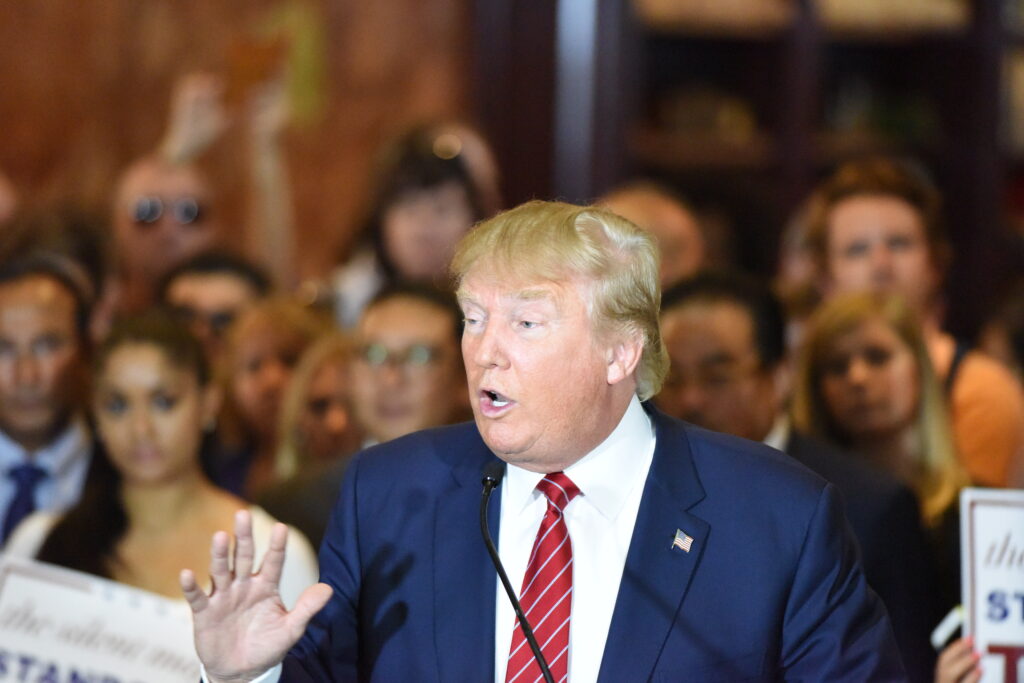
Image credit: Shutterstock
Major events from his first term remained vivid because people lived through them in ways that felt personal. They connected earlier decisions to their own experiences, so those memories shaped how they judged President Trump when he returned. People rarely reset their views when a leader comes back, so earlier impressions carried into his second rise. This mattered because those memories did not fade, and voters felt strongly about them on both sides. Critics revisited moments they disliked, and supporters leaned on moments they saw as strengths, but the critics grew louder in poll numbers. Memory influences approval because people use the past to predict the future, which softened his support as he reentered office.
A Shifting Demographic Map Reduced Support
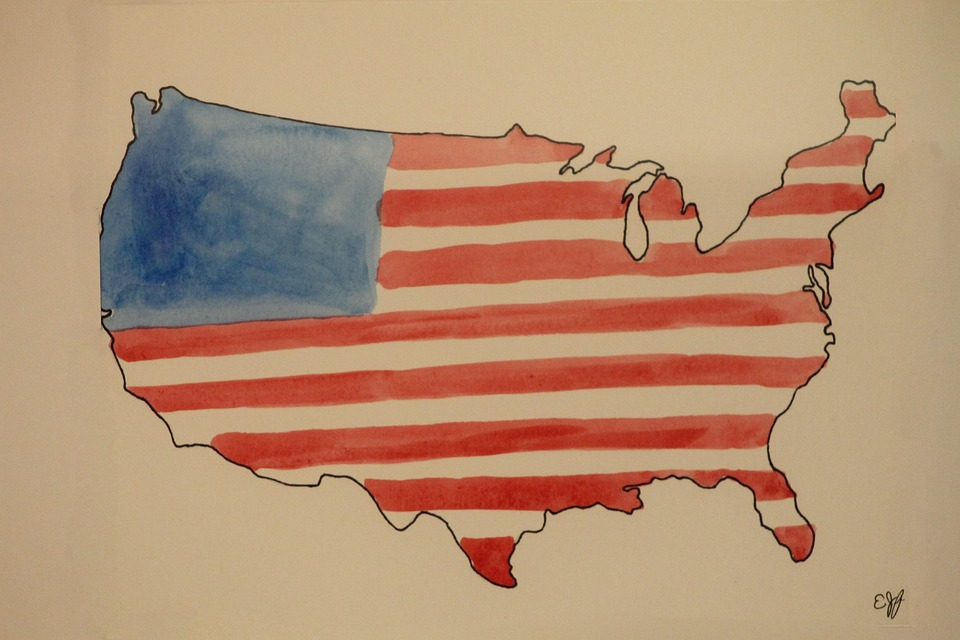
Image credit: Pixabay
Voter demographics changed between his terms because younger groups reached voting age while older groups declined in numbers. These shifts mattered because younger voters carried different priorities that often clashed with his message. They valued issues he did not emphasize, so their reactions formed part of the reason his favorability dropped. Population movement also changed political regions, which weakened his previous advantage in some states. When the demographic foundation of a political landscape shifts, the leader’s support shifts with it, which helped explain why his return did not produce a strong approval rating.
Social Media Dynamics Turned Against Him
Image credit: Pixabay
Platforms changed in structure and culture since his first term, so the tone of online conversation moved in a direction that often amplified negative views faster than positive ones. People reacted quickly to short clips and short posts, which spread criticism at a speed traditional media could not match. These cycles shaped his public image because online narratives often framed him through conflict rather than accomplishment. This mattered because online sentiment signals voter sentiment, and the two tend to feed each other. When criticism spreads faster than support, approval ratings usually reflect that speed.
The Pandemic Legacy Still Influenced Voter Emotion
People carried emotional remnants of the pandemic because it altered their lives deeply. Many tied their memories of that era to President Trump, which shaped how they reacted to his return. They processed grief, frustration, and economic strain through the decisions made during that time, so their opinions felt anchored in lived experience. Even when economic conditions improved, the emotional weight lingered, and people connected that weight to their assessment of him. This emotional link influenced polls because people judge leaders through feelings as much as facts.
Economic Anxiety Fed Into Low Favorability
Image credit: Shutterstock
Even when metrics showed mixed or improving signs, many households still felt unstable because wages struggled to keep up with rising costs. Voters often credit or blame leaders for how their wallets feel, so they tied their financial stress to the political environment surrounding his return. Because people felt stretched, they placed part of that strain on President Trump, which reduced overall enthusiasm. Economic stories become personal stories, and personal stories shape approval. When people feel squeezed, they rarely rate leaders highly.
Suburban Voters Shifted Their Loyalties
During his return, suburban regions carried a tone of caution rather than excitement because many households wanted predictability, and they associated his leadership with conflict instead of stability. This mattered because suburban voters influence national elections and shape public opinion. Their shift happened because they had grown more diverse and more focused on issues that felt disconnected from his message. When a major voting group moves away from a candidate, approval ratings follow, which is part of why his numbers stayed low.
Traditional Conservatives Felt Divided
His return created tension inside his own party because part of the conservative base supported him fully while another part leaned toward candidates they felt offered a different tone. This division weakened his favorability because fractured support is still reduced support. People inside the party debated identity, direction, and messaging, so President Trump carried both loyalty and hesitation from his own side. Internal conflict limits the strength of public ratings because approval rises fastest when a party speaks in one voice, and that unity did not exist during his return.
Moderate Voters Wanted a Different Style
Moderates often shape the middle ground of public opinion, and many individuals in this group preferred leaders who used softer rhetoric and fewer confrontations. They assessed President Trump through his communication style, which they viewed as intense. This reaction shaped why moderates leaned away during his return. When the middle of the electorate shifts, overall approval drops because the center holds the largest group of undecided or flexible voters. His tone energized supporters but created resistance among these moderates, which helped explain his lower ratings.
Media Saturation Reduced Appetite for His Message
People spent years consuming heavy coverage of him, so by the time he returned, some felt overloaded. When media exposure remains high for long periods, audiences sometimes react with fatigue that extends toward the subject itself. This saturation created a sense of heaviness, and people projected that heaviness onto their opinion of President Trump. Even voters not driven by dislike reacted to the constant coverage by wanting something fresher. This feeling influenced approval because people rarely reward leaders who make them feel overwhelmed.
Public Trust in Institutions Continued to Decline
Image credit: Shutterstock
People grew skeptical of institutions across the board, from government to media, so they viewed leadership through a lens of doubt rather than faith. This decline influenced how they judged any returning leader, including President Trump, because voters no longer extended automatic trust to the office itself. When institutional trust weakens, leaders inherit that weakness. This dynamic contributed to his low rating because people evaluated him in an era where skepticism felt normal.
Celebrity Culture Made His Image Harder to Shift
Image credit: Shutterstock
His image blended politics and entertainment, so people reacted to him as a public figure rather than a traditional leader. This made his return challenging because impressions formed through entertainment culture tend to stick. People consumed him as a personality, not only as a policymaker, which meant their feelings toward him came from emotion as much as analysis. This type of identity rarely shifts quickly, which is why his approval numbers did not rebound even with fresh political messaging.
Long Standing Controversies Still Shaped Perception
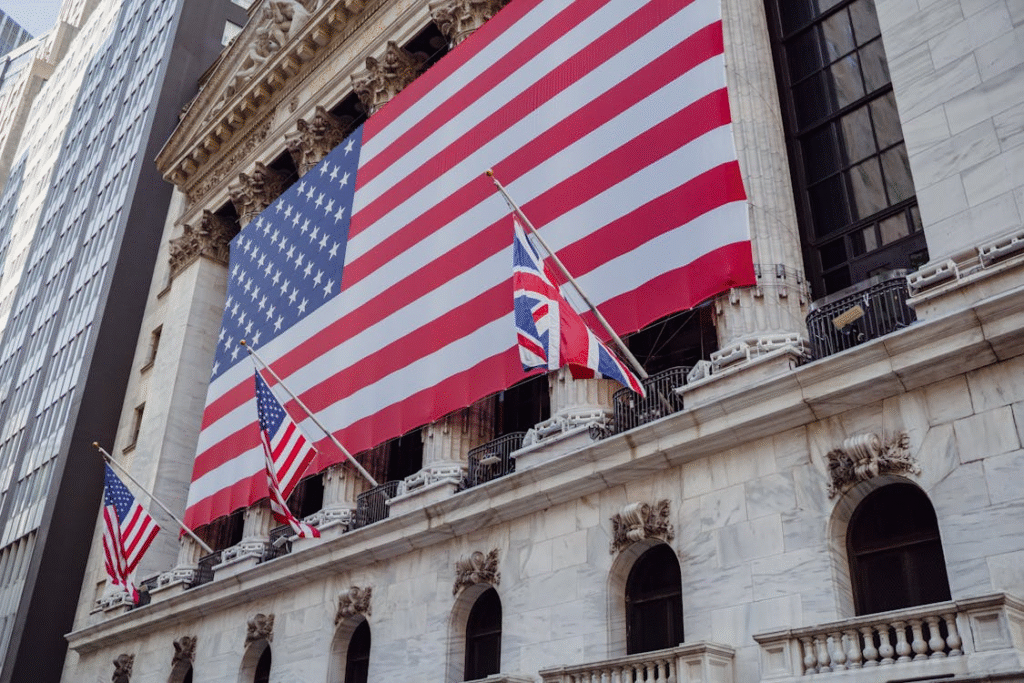
Events from earlier years stayed in public conversation because opponents and supporters revisited them constantly. This kept earlier controversies alive, and each of those stories influenced how people judged him now. Approval depends on whether voters feel comfortable with a leader’s history, and many critics did not. When the past stays loud, the present suffers. This reality shaped his low favorability because the controversies never faded.
Global Allies Reacted Cautiously
Image credit: Pexels
Foreign governments responded with caution because they remembered earlier disputes over alliances, trade, and strategy. Their hesitation appeared in headlines that voters absorbed, which influenced the mood inside the country. People often judge presidents by how the world reacts to them, and this cautious tone shaped how Americans felt. When allies take a careful stance, voters mirror that stance. This perception influenced how people rated President Trump during his return.
The Tone of Public Discourse Grew Harsher
Image credit: Pexels
People felt that conversations about politics became harsher during his rise and return, and many linked that tone to him. They reacted not only to what he said but to how others behaved when discussing him. This connection shaped approval because people want leaders who reduce friction, not increase it. Since they viewed the political atmosphere as sharp and heated, they attributed part of that heat to him. This created another reason his favorability struggled.
Fact Checking Cultures Created Instant Pushback

Image credit: Pexels
Newer media norms encouraged real time verification, which meant any claim he made faced immediate scrutiny. This dynamic influenced how people interpreted his speeches and interviews because reactions spread instantly across platforms. Instant pushback often paints leaders through doubt, and voters absorb doubt quickly. This pattern shaped his public image because people consumed both his words and the counterpoints in the same moment, which complicated his messaging.
Women Voters Shifted Away From His Leadership Style
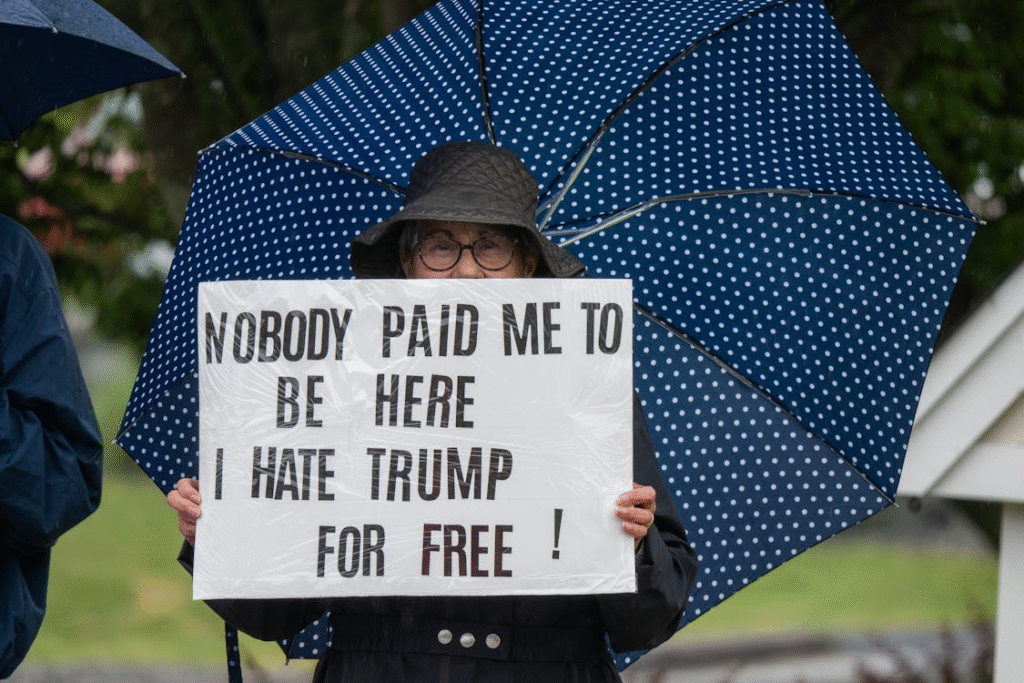
Polling showed that many women viewed his communication style as abrasive, so their support softened. This mattered because women represent a large voting group and shape national mood. Their concerns focused on tone, safety, and social stability, so they responded with caution when he returned to office. Their shift influenced approval ratings directly because losing strength in such a large demographic creates large polling deficits.
He Returned to a Country Seeking Stability
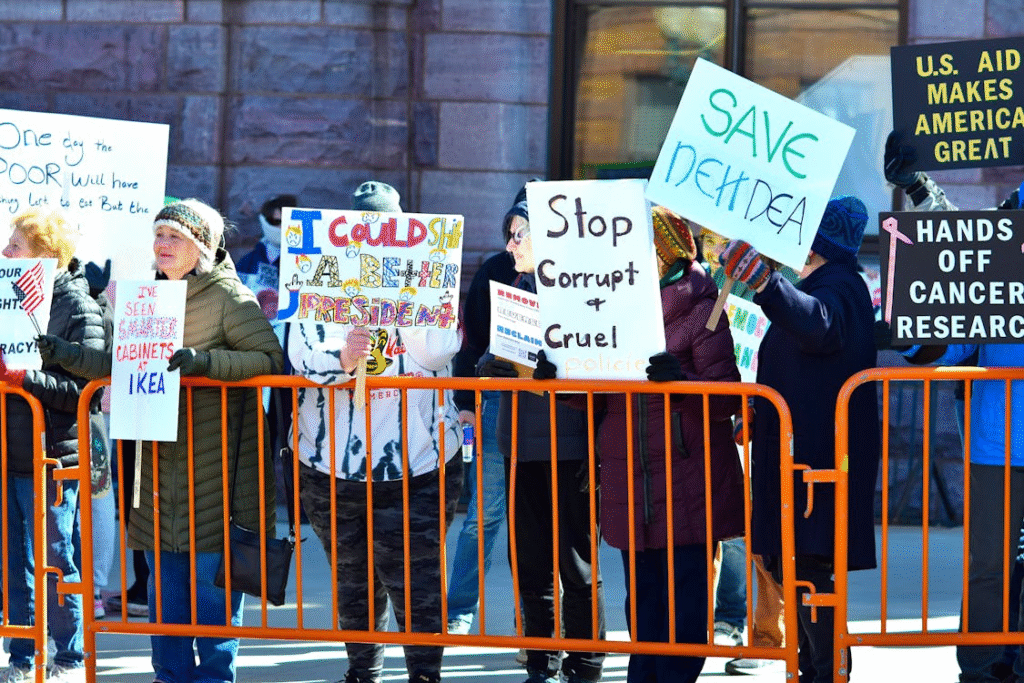
After years of upheaval, many Americans wanted leadership that felt steady, predictable, and unifying. They evaluated President Trump through this lens because they associated his style with disruption rather than steadiness. The desire for stability shaped why many voters hesitated to embrace his return. Approval grows strongest when people feel anchored, and many did not. This desire for steadiness explains why he returned as one of the least liked presidents to step back into office, because the mood of the country conflicted with the tone of his leadership.
In Summary
President Trump returned to office during a moment when people wanted steadiness, so his comeback collided with a national mood shaped by exhaustion, conflict, and shifting expectations. The factors that lowered his favorability stretched across politics, culture, economics, and emotion because voters carried old memories into a new term and judged him through the lens of everything they had lived through before. They reacted to years of polarization, constant fighting, legal turmoil, and a communication style that energized loyalists but pushed others away, so his approval never found the broad base that returning presidents often enjoy.
Demographic changes, suburban shifts, and declining institutional trust widened the gap even further, while the pandemic legacy, economic pressure, and harsher public discourse attached heavy weight to his image. These pieces fit together because public opinion does not move in isolation, it forms through accumulated experiences that shape how people interpret familiar leaders. This is why his return carried unusually low enthusiasm, and why polls reflected more caution than excitement. When a president comes back with a history that divides more than it unites, approval numbers tend to fall instead of rise, which explains why his second rise entered the record books for its lack of widespread support.