

Some musicians do more than play an instrument, they change the entire direction of sound. Lead guitarists hold that kind of power, and the legends on this list shaped music in ways that still echo through every new generation. Their riffs became cultural landmarks, their solos turned into moments people can identify within seconds, and their influence reaches far beyond the genres they came from. Each guitarist brought a different kind of fire to the stage, whether through raw emotion, unmatched precision, or a style no one had seen before. Together, they built the backbone of modern music, and their impact continues to push artists toward new shapes, new sounds, and new ideas.
Jimi Hendrix
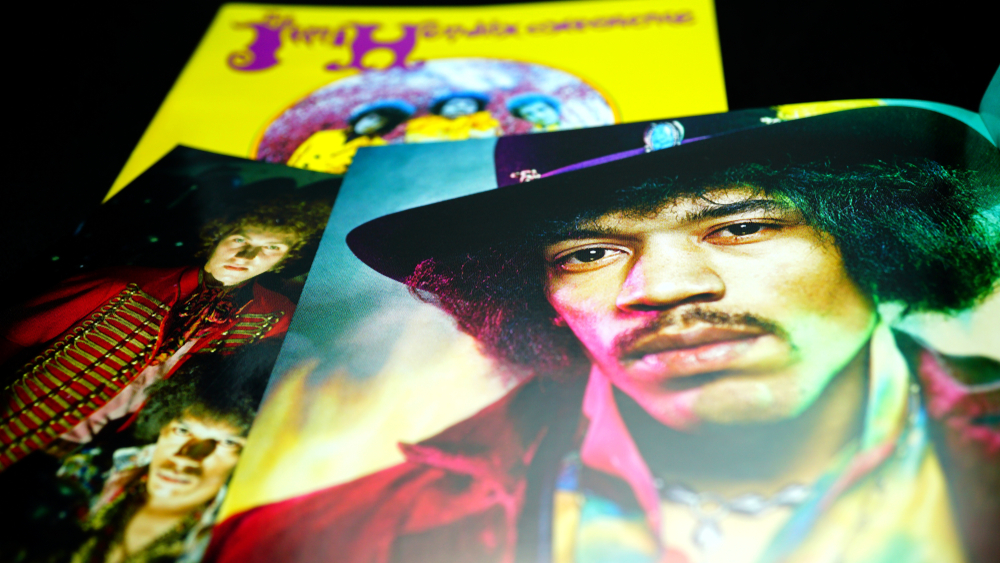
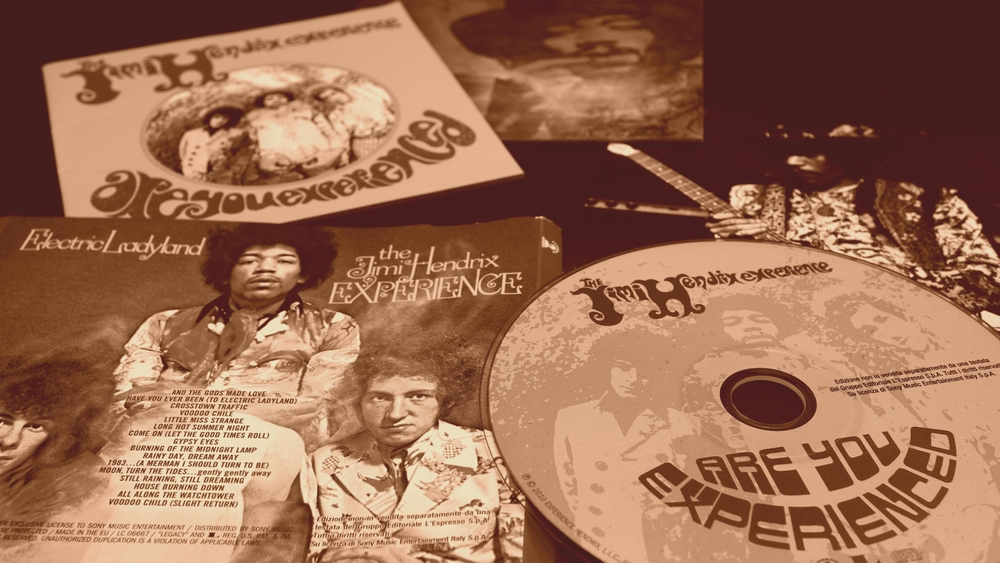
Jimi Hendrix changed the electric guitar because he played with freedom and curiosity. His tone, effects, and stage presence set him apart because he treated every part of the instrument as something worth exploring. He mixed blues, rock, and soul into a style that felt direct and emotional, and he made bold ideas sound natural. Players still go back to his recordings because he proved that creativity grows when you stop worrying about rules. His work shaped the direction of rock because he showed what happens when a player pushes sound as far as it can go.
Jimmy Page
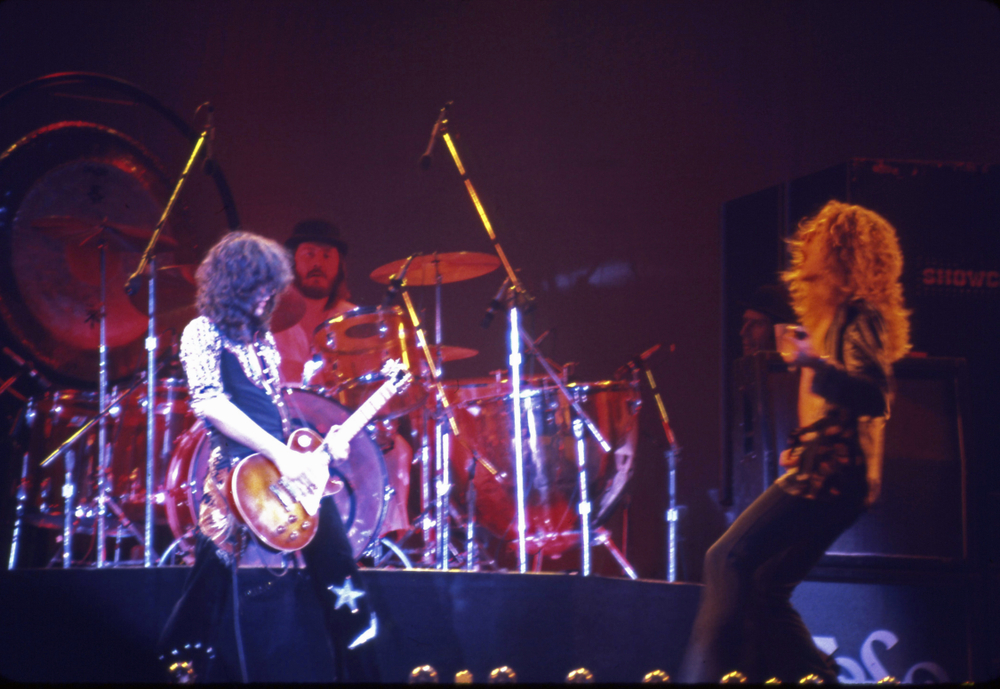
Jimmy Page shaped rock because he combined strong riffs with inventive studio work. His solos carried confidence without feeling forced, and his arrangements added weight to every track he touched. Page approached songs with a producer’s mind, so he understood how each part supported the whole. He built a sound that blended heavy rock with folk and blues, which helped his band stand out during a crowded era. His influence holds because many players still rely on the mix of strength and detail that he brought to the instrument.
Eric Clapton
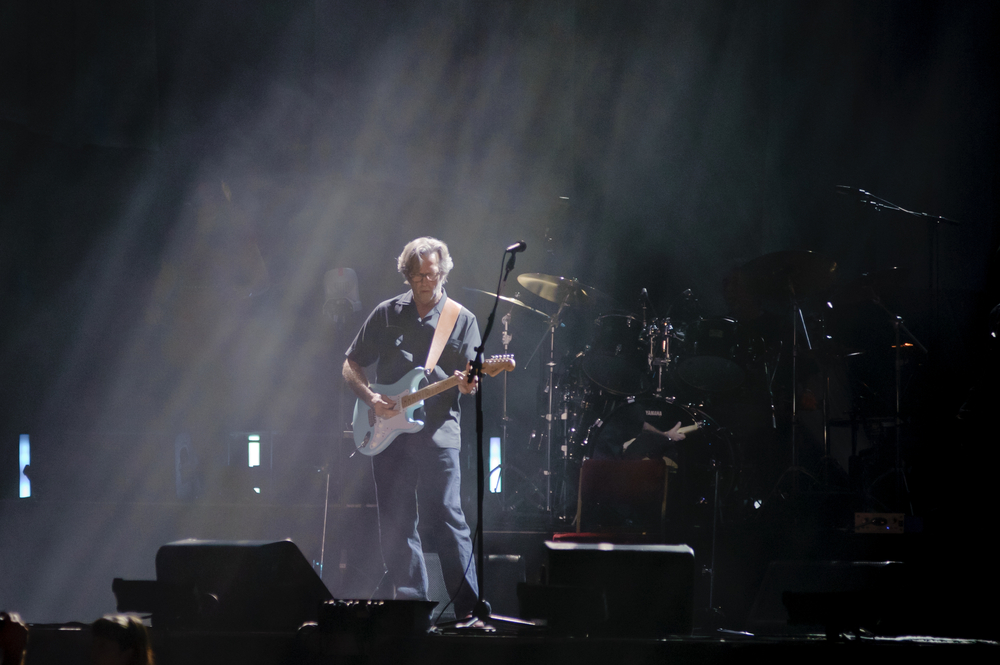
Eric Clapton built his reputation through tone, feel, and dedication to the blues. He kept his playing straightforward because he believed each note needed purpose. His phrasing borrowed from early American blues artists, and he carried that approach into rock with a calm sense of control. Clapton showed that emotion sits at the center of every strong solo, and this idea shaped his entire career. Players still look to him when they want a reminder that simple choices can hit hardest.
Eddie Van Halen
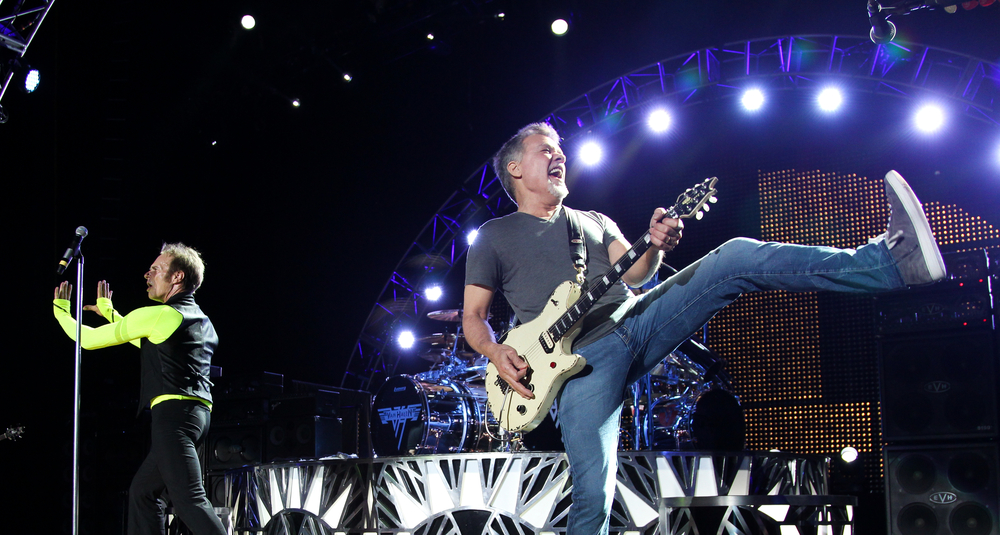
Eddie Van Halen changed rock guitar because he treated the instrument like a playground for new ideas. His tapping technique, tone shaping, and gear experiments created sounds fans had never heard before. He played with excitement that carried through every solo, and audiences felt that energy immediately. Eddie built guitars, rewired gear, and chased tones that matched his style instead of following trends. His influence remains strong because he showed that innovation grows from curiosity.
Stevie Ray Vaughan

Stevie Ray Vaughan brought fire to modern blues because he played with force and focus. His bends, vibrato, and rhythmic drive made his style easy to recognize, and his intensity gave new life to a genre that needed fresh attention. Vaughan honored classic blues elements without sounding stuck in the past because he used them to build his own voice. His work still inspires players who want emotion and power at the same time. He changed expectations for what blues could sound like in a new era.
Carlos Santana
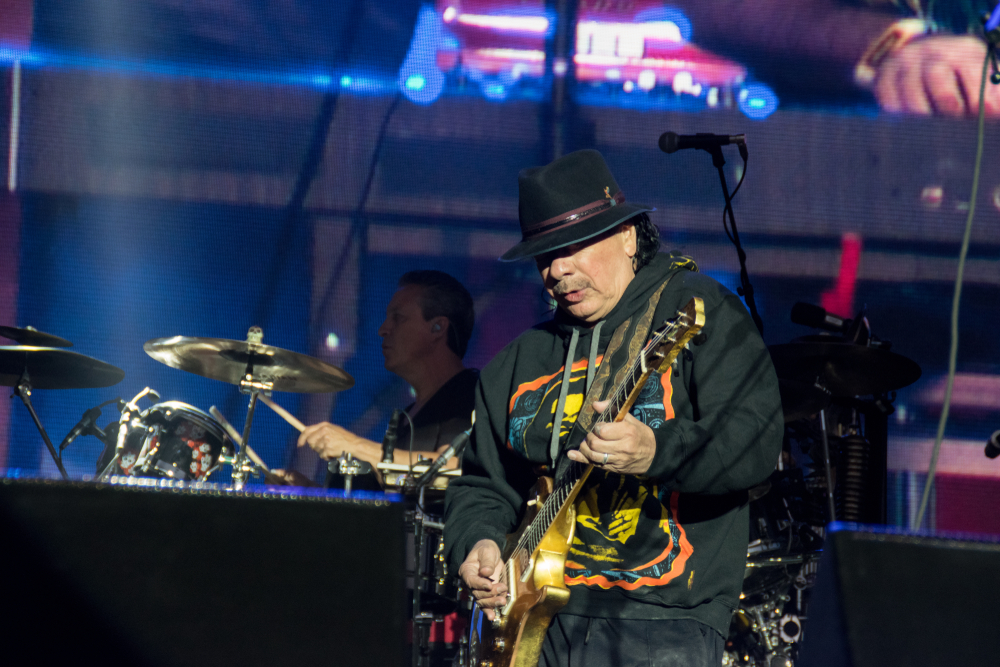
Carlos Santana pioneered his own brand of rock with Latin rhythms because he believed melody should sit at the heart of every song. His smooth, sustained tone gave his solos a warm lift that fans connected with right away. Santana’s approach crossed genres because he focused on feeling instead of strict rules. His band used rhythm and percussion in ways that added movement to his melodic lines. His influence remains because he kept his sound personal while still welcoming new ideas.
Keith Richards
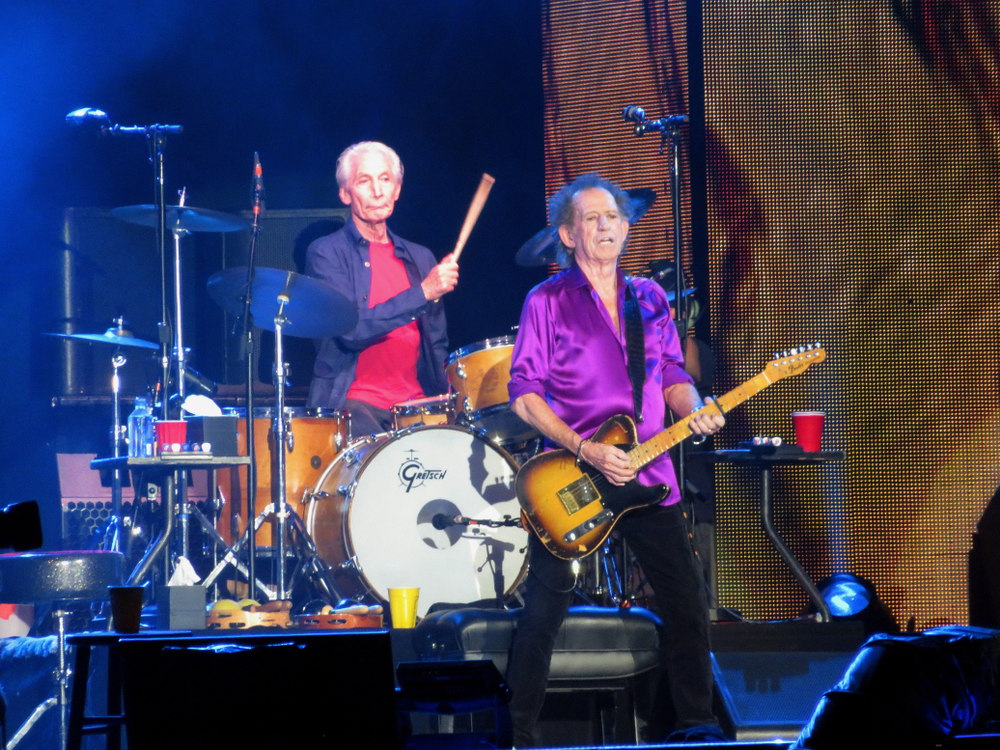
Keith Richards shaped rock rhythm because he treated riffs like stories. His open tuning work created lines that felt loose yet steady, and this style helped define several decades of rock music. Richards cared about groove more than flash, which made his parts strong foundations for the rest of the band. His influence holds because he proved that rhythm playing can be just as powerful as lead work. Many younger musicians credit him for showing how much character a guitar part can carry.
David Gilmour
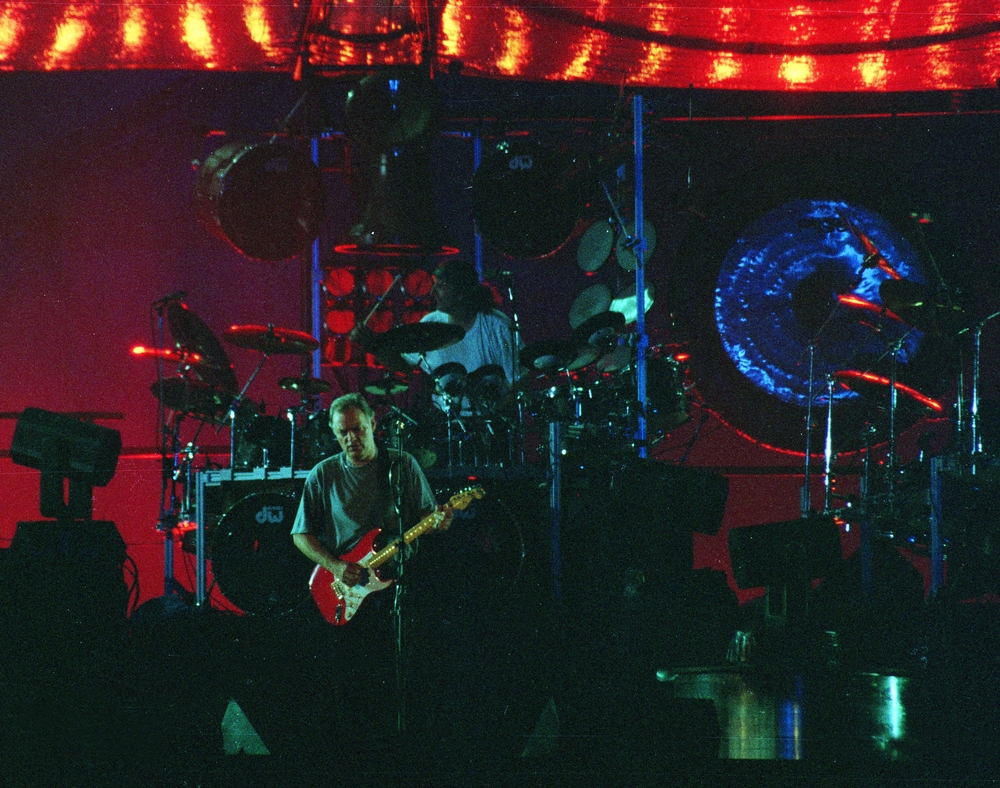
David Gilmour shaped rock through tone and restraint. He preferred clean, thoughtful lines instead of fast runs, and this gave his solos a strong emotional pull. Gilmour placed each note with care, which made his melodies stand out in long, atmospheric tracks. His tone became instantly recognizable because he focused on shape rather than speed. Players still study him when they want to build solos that feel expressive without needing technical excess.
Brian May
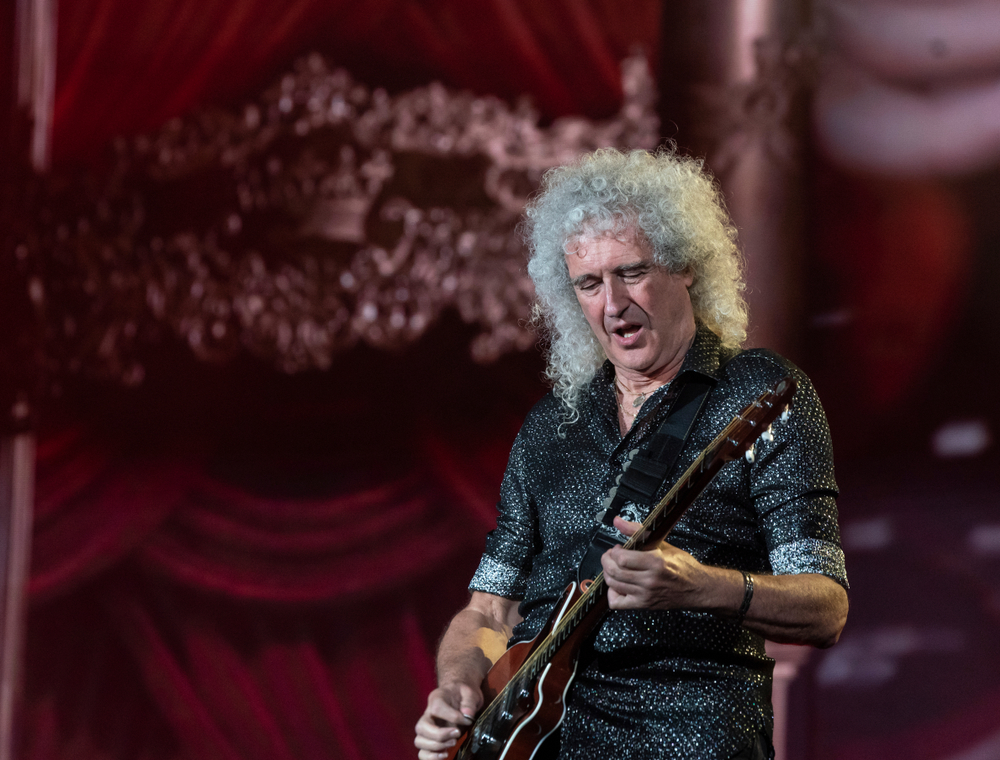
Brian May created a sound that felt bright and melodic because he used harmonies, homemade gear, and careful layering. He approached the guitar almost like an orchestra and built lines that supported the drama of each song. May’s tone carried personality because he crafted it piece by piece instead of relying on standard equipment. His influence remains clear because he proved that imagination shapes style as much as technique. Many modern players still take cues from his approach to melody.
Slash
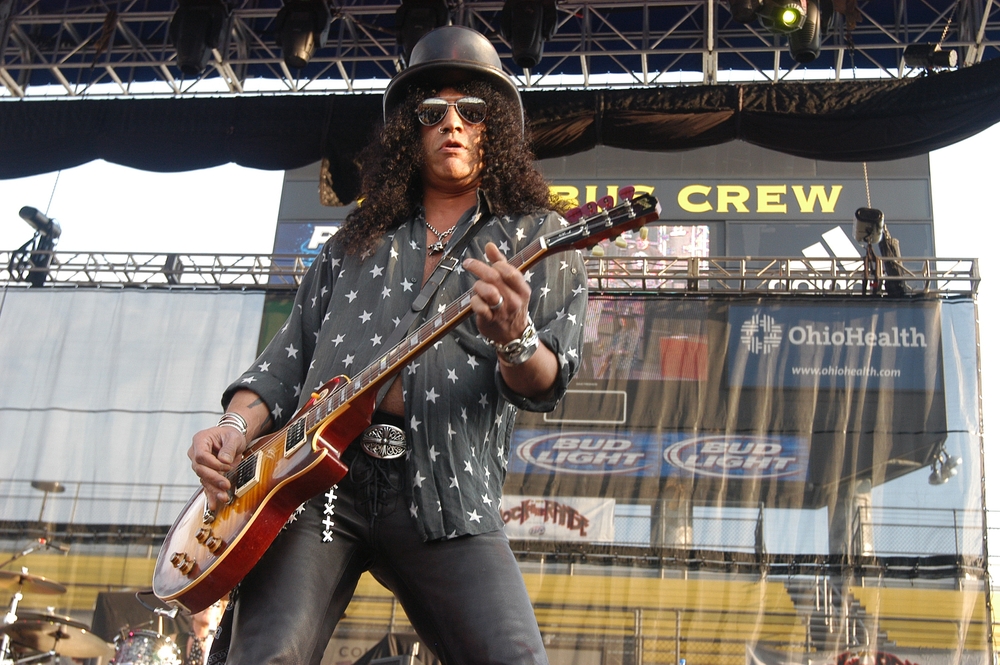
Slash brought blues based playing back into rock because he used tone and attitude to cut through heavy arrangements. His lines stuck with listeners because they mixed grit with melody in a simple, honest way. Slash built solos that felt strong without losing their emotional center, and this helped revive interest in guitar driven music. His influence shows up in players who want rock to feel raw without losing musical sense. He became a reference point for anyone chasing a timeless rock sound.
Jeff Beck
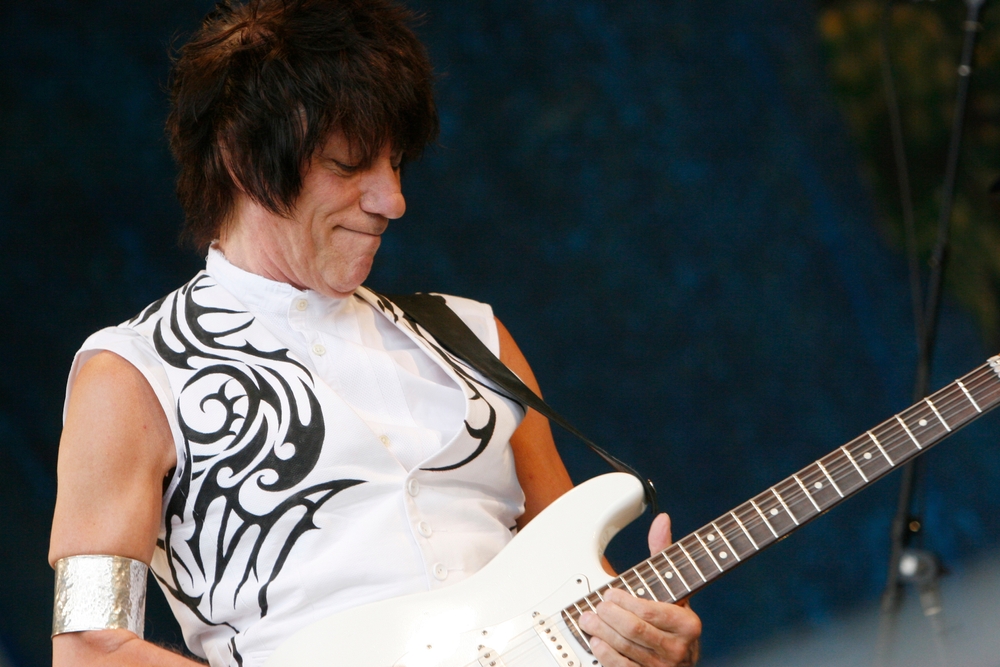
Jeff Beck explored the instrument with instinct and touch. He rarely repeated himself and moved through genres without hesitation. His control over dynamics gave his playing a vocal quality, and he relied on feel more than predictable patterns. Beck avoided the spotlight when it came to words, but he spoke loudly through sound. His influence continues because he proved that the guitar carries endless possibilities when a player follows curiosity instead of comfort.
B. B. King
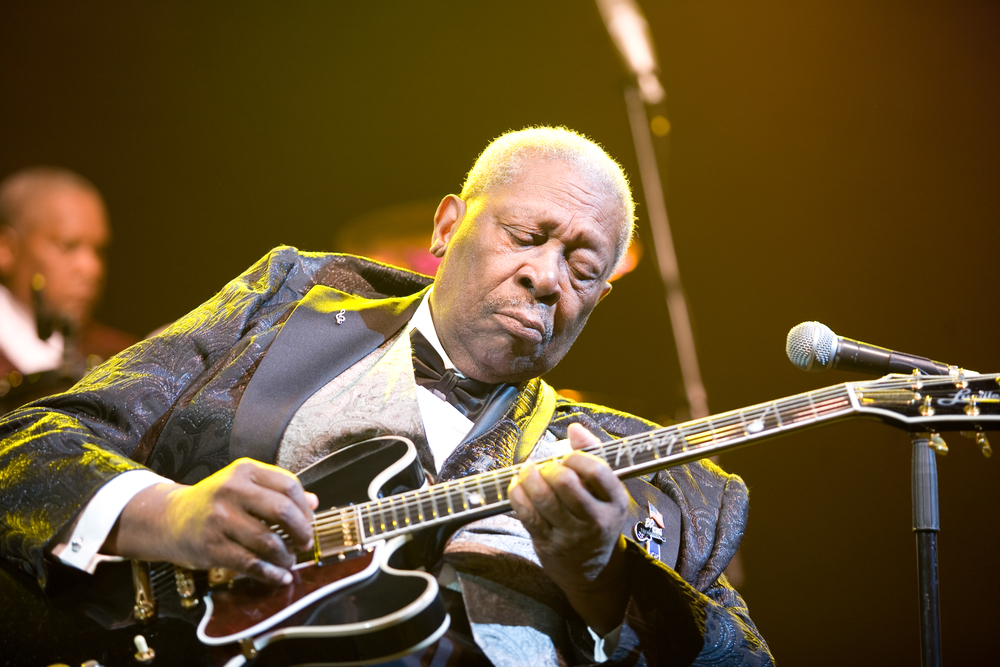
B. B. King shaped modern blues because he used space, bends, and vibrato with purpose. His lines sounded direct and human, and listeners connected with the honesty in his playing. King became a model for players who wanted emotion over speed. He kept his sound simple but strong, which made his style easy to recognize. His influence still guides musicians who value feeling above technical showmanship.
Chuck Berry
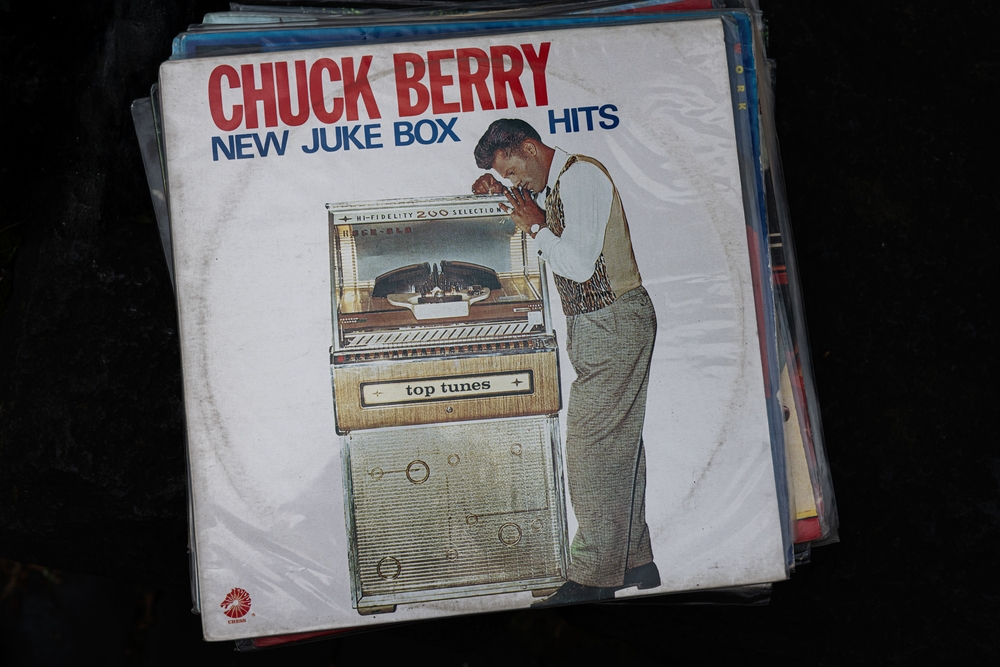
Chuck Berry pushed the electric guitar into everyday culture because he built riffs that carried momentum and fun. His playing drove early rock and roll and shaped how future bands approached rhythm and lead parts. Berry kept his lines sharp and upbeat, which made them easy for fans to sing or hum. He became a reference point for nearly every rock player who followed. His influence stands because he provided the blueprint for a genre that grew worldwide.
George Harrison

George Harrison supported songs with thoughtful lines that carried melody instead of flash. He viewed the guitar as a tool for storytelling, and his choices always served the song. Harrison introduced new sounds and scales into popular music, which broadened the instrument’s vocabulary. His influence stays strong because he proved that restraint has power when used with intention. Many players still follow his approach when they want to add feeling without overcrowding a track.
Tony Iommi
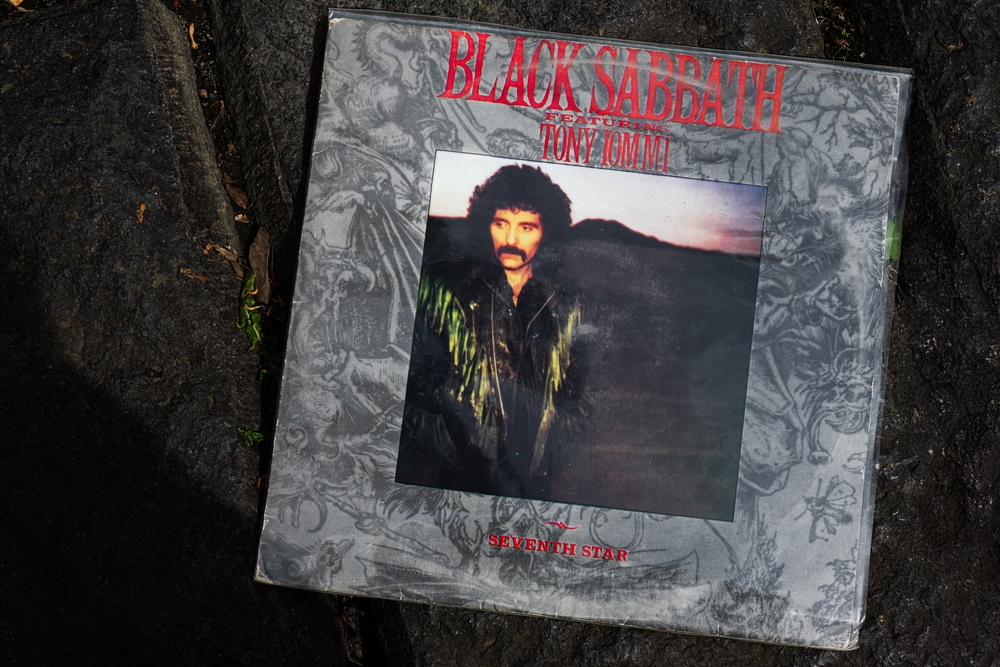
Tony Iommi built the foundation for heavy metal by creating riffs that felt weighty and direct. His downtuned approach shaped the genre’s darker sound and gave bands a new direction. Iommi used repetition and structure to form lines that felt bold and unmistakable. His influence continues because nearly every metal band builds on the path he set. He showed that strong ideas do not need complexity to make an impact.
Ritchie Blackmore
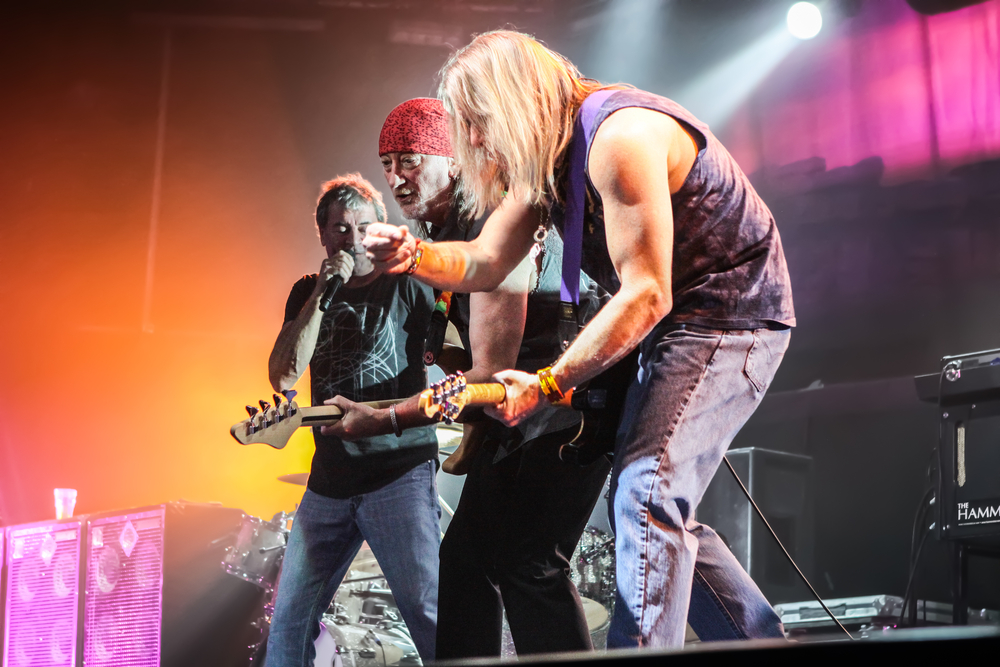
Ritchie Blackmore mixed classical elements with rock aggression to build a sharp, fast, and confident style. His solos carried precision, and his riffs shaped early hard rock and metal. Blackmore believed in strong technique, and he applied it in ways that kept songs moving. His influence holds because many players still study his approach when they want control and energy at the same time. He pushed rock into new territory by treating the guitar like a disciplined instrument with room for fire.
Pete Townshend
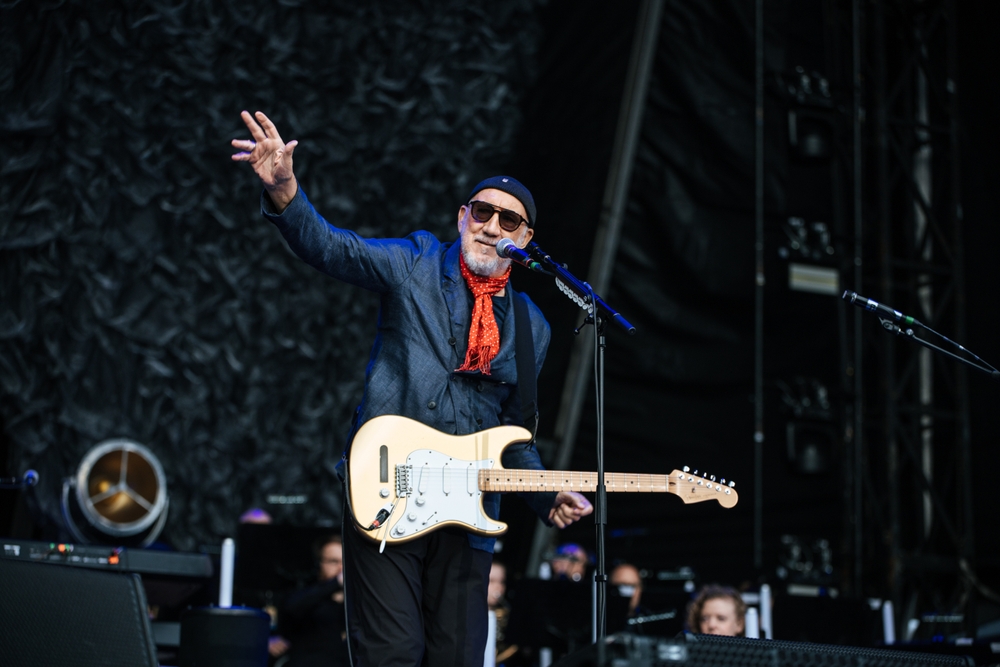
Pete Townshend gave rhythm guitar a driving force that shaped his band’s identity. His strumming and chord choices added intensity to each track, and his sense of motion kept songs exciting. Townshend treated the guitar as both rhythm and attitude. His influence remains because he proved that rhythm can lead as strongly as a solo. His work guides players who want to create movement without losing musical direction.
Prince
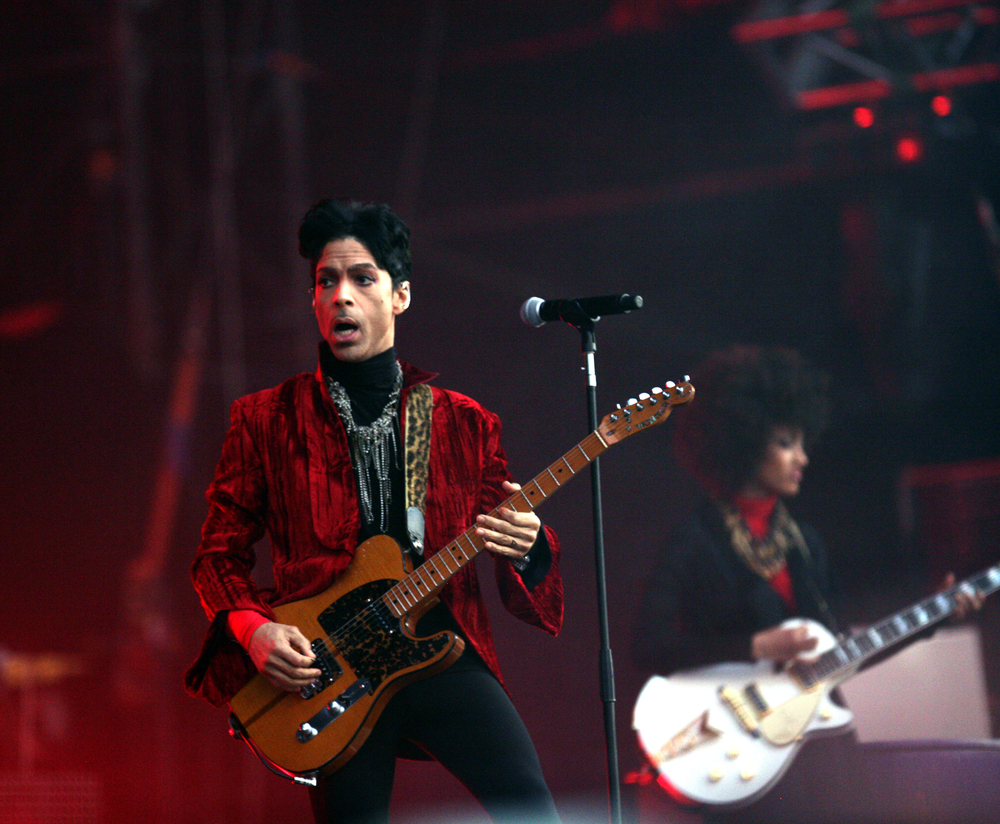
Prince approached the guitar with versatility and ease because he did not limit himself to one genre. His solos felt sharp and emotional, and his rhythm work shaped entire arrangements. Prince blended funk, rock, pop, and soul in ways that shifted modern music. His influence stays alive because he used the guitar as a natural extension of his creative voice. Many players look to him when they want range without losing identity.
Mark Knopfler
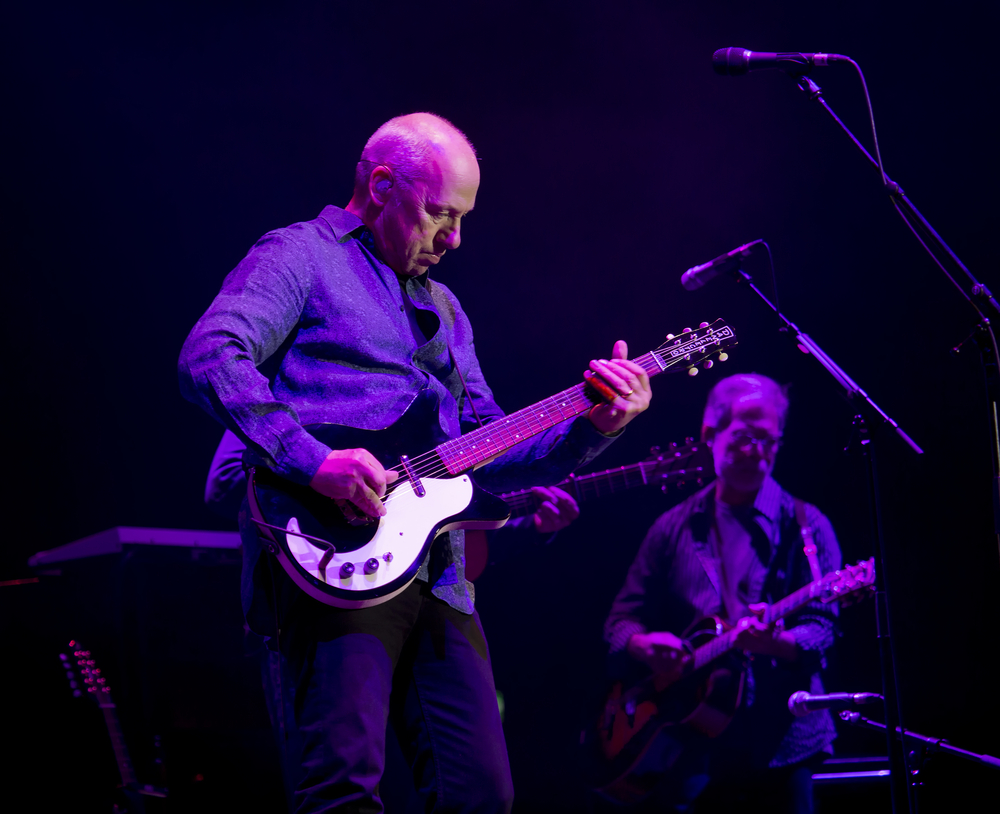
Mark Knopfler used fingerstyle technique to create a warm, smooth sound that set him apart from players who relied on picks. His lines carried a calm confidence that worked well in both quiet and energetic songs. Knopfler liked melody over noise, which helped his work stay clear and focused. His influence holds because he showed that strong playing does not need heavy distortion. Many musicians still study his touch and tone when they want a more natural sound.
Tom Morello
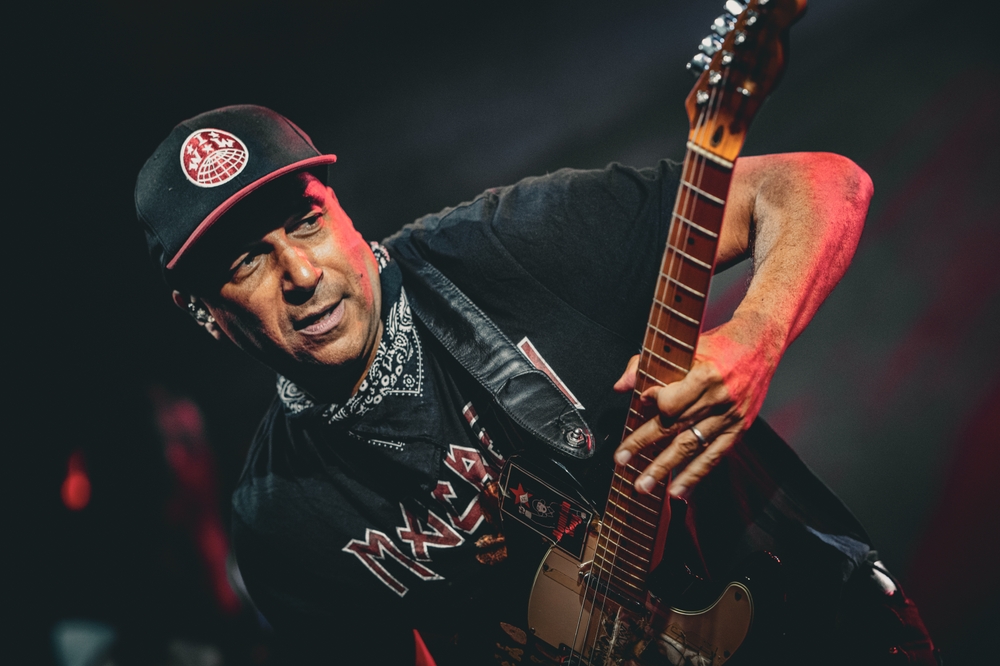
Tom Morello pushed the guitar into new territory by using pedals, switches, and physical techniques in creative ways. He made the guitar sound like machines, voices, and other unexpected textures. Morello kept his ideas simple enough to serve songs, yet bold enough to sound fresh. His influence remains strong because he broke habits without losing musical sense. He showed that tradition and experimentation can work together when a player stays grounded.
Frank Zappa

Frank Zappa approached the guitar with a composer’s mindset, so his lines often carried bold shapes and sharp turns. He played with intent and never repeated ideas simply to fill space. Zappa used the guitar to express humor, structure, and commentary. His influence continues because he proved that the instrument can hold complex ideas without losing direction. Many musicians still respect his commitment to originality.
John Frusciante
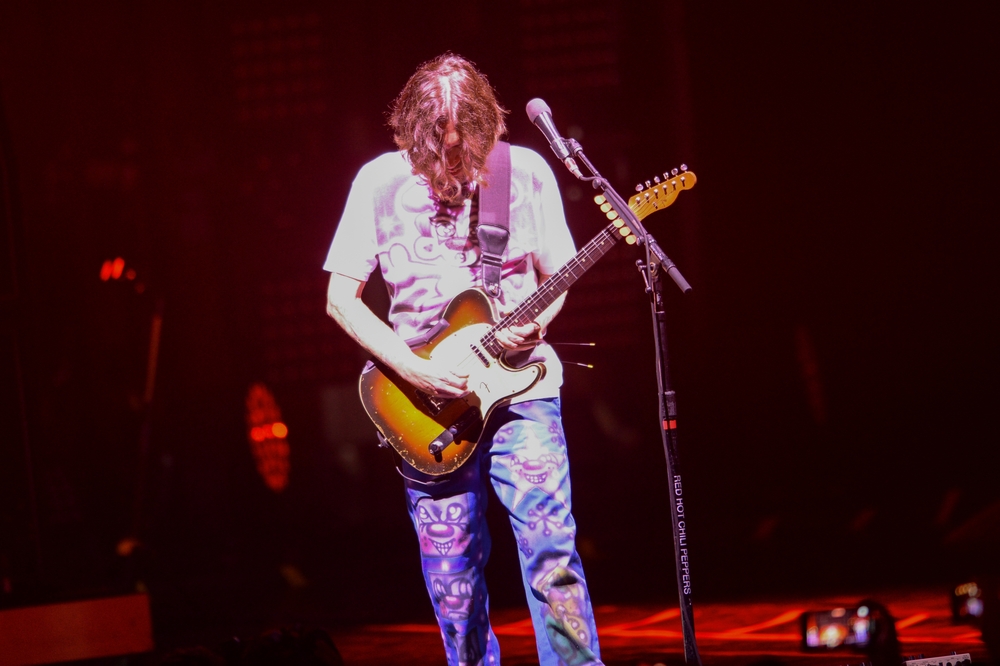
John Frusciante brought emotion to alternative rock through simple, melodic lines that supported every song. He used space, clean tone, and careful timing to build a style that felt open. Frusciante kept his playing honest and personal, and fans connected with that approach. His influence stays strong because many players want to create parts that feel human rather than polished. He changed expectations for what rock guitar could sound like in the modern era.
Angus Young
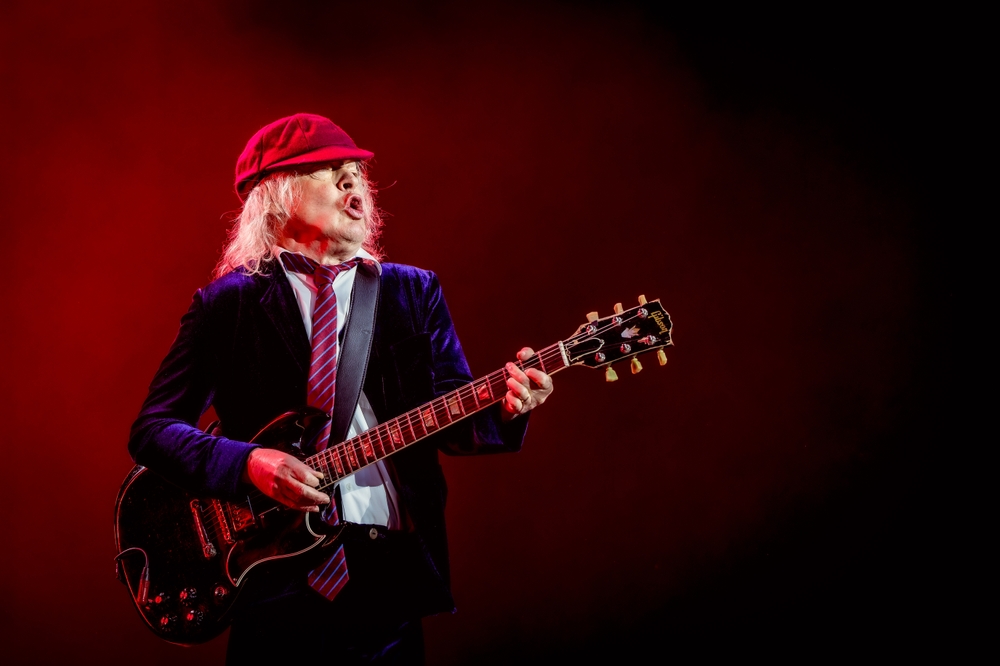
Angus Young delivered high energy rock that relied on sharp blues based lines. His tone cut through mixes with ease, and his stage presence added force to every performance. Young kept his riffs tight and direct, which helped shape a clear identity for his band. His influence holds because he showed that simplicity, power, and confidence make a strong combination. Many players still follow his approach when they want music that hits fast and hard.
Kirk Hammett

Kirk Hammett shaped modern metal through fast, controlled lines that balanced aggression with melody. He used the wah pedal to add movement to his solos, and this became a signature part of his sound. Hammett helped define the lead style of his band because he delivered emotion inside heavy walls of sound. His influence stays strong among players who want speed and feeling to work together. He proved that metal guitar can carry both strength and emotion.
Randy Rhoads
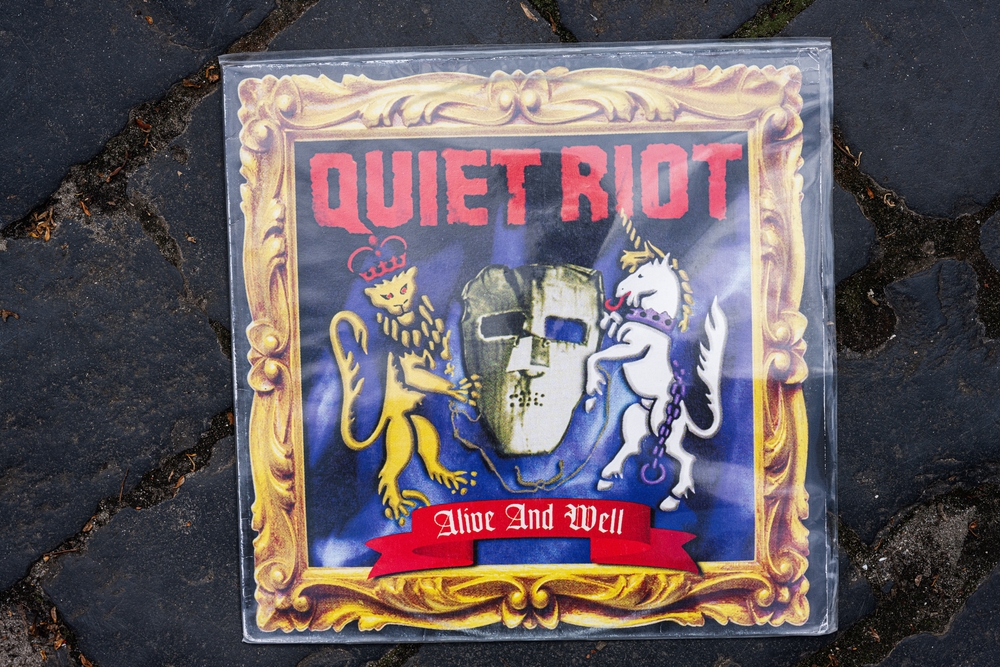
Randy Rhoads combined classical training with rock intensity to build a style that felt precise and energetic. His solos had clean structure and clear direction, which made them memorable. Rhoads left a deep impression despite his short career because his ideas helped shape metal’s melodic side. His influence continues because players still study how he blended discipline with passion. He showed that strong technique can support emotional playing instead of replacing it.
Gary Moore
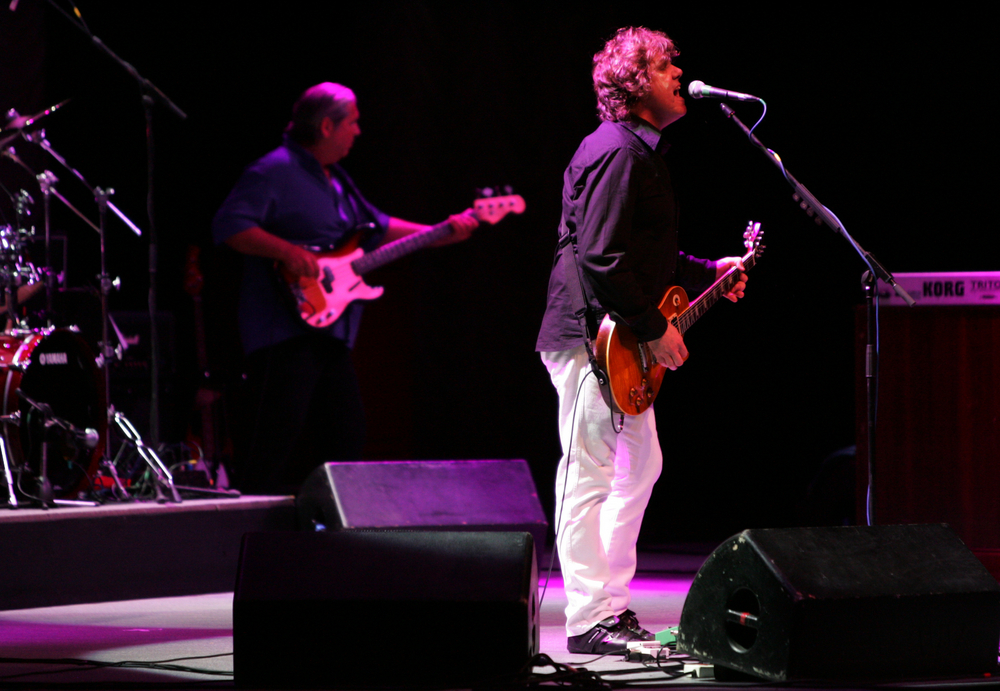
Gary Moore played with force and emotion, especially in his blues work. His tone carried weight, and his phrasing felt direct. Moore moved easily between blues and rock because he focused on expression rather than speed. His influence remains because he showed how a player can shift styles without losing the honest core of their sound. Many musicians still look to him when they want intensity with purpose.
Joe Satriani
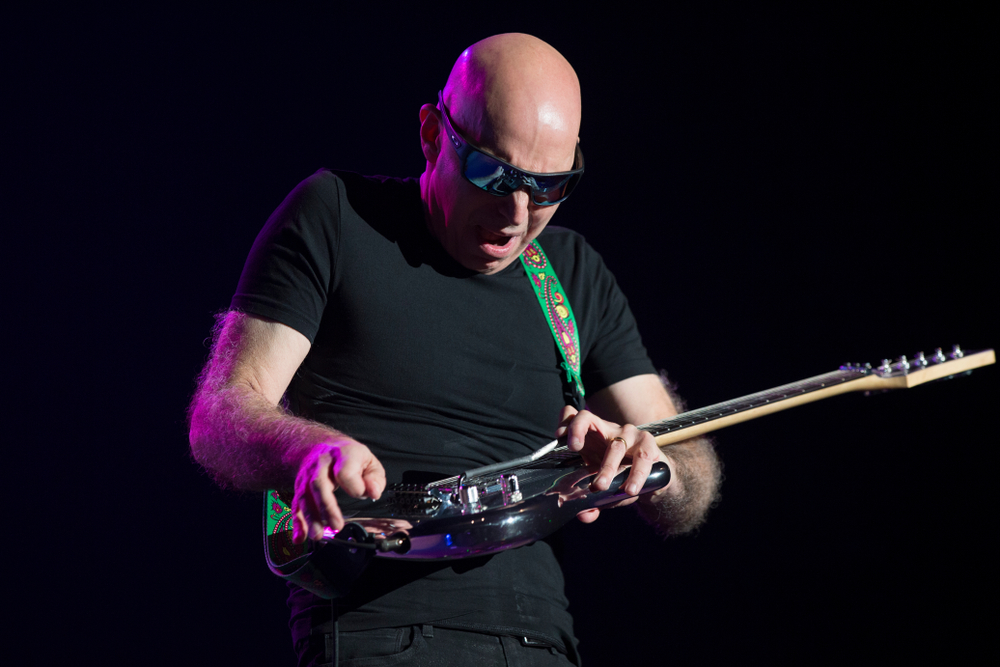
Joe Satriani shaped instrumental rock through clear melodies and smooth technique. His lines flowed with ease, and he kept his songs centered on hooks rather than long displays of speed. Satriani made complex ideas sound natural because he focused on structure. His influence remains strong among players who want to build instrumental music that stays engaging. He showed that skill and accessibility can work together.
Steve Vai
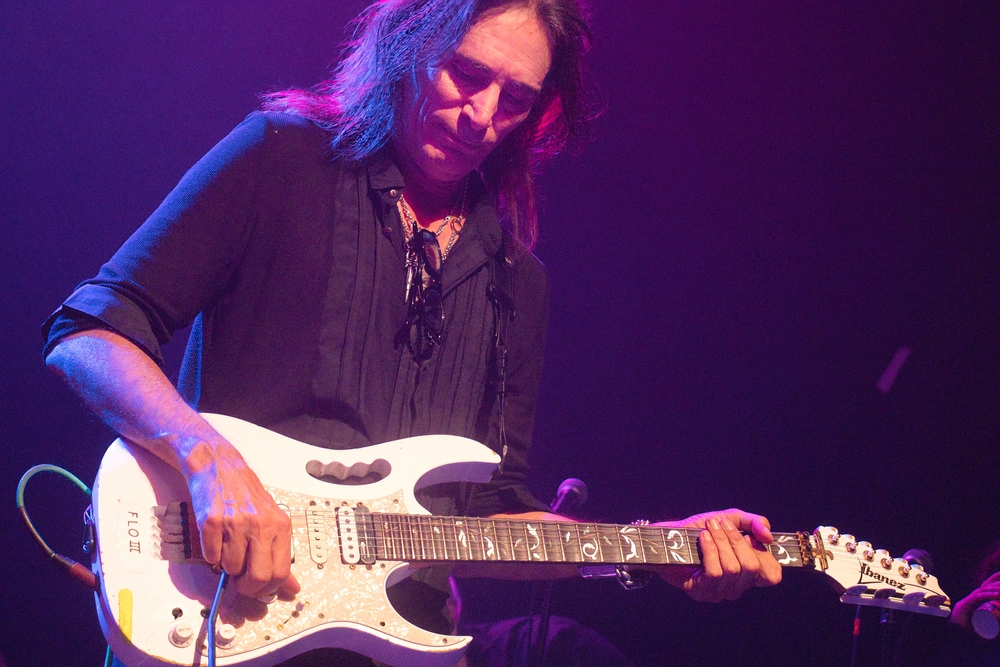
Steve Vai approached the guitar with imagination and technical strength. His phrasing stretched into shapes that felt playful and bold, and his tone matched his creative personality. Vai treated the guitar like something that could take on endless forms, and he kept pushing new ideas. His influence stays strong because he encouraged players to chase their own vision. He proved that creativity and discipline can support each other.
The Lasting Mark of Their Work
These thirty players left a lasting mark because they trusted their ideas and played with intent. Their styles shaped the direction of rock, blues, metal, and many other genres because they believed sound could grow in new directions. Musicians still turn to them for guidance because strong ideas carry across generations. Each guitarist on this list showed that the instrument continues to evolve when someone picks it up with curiosity and conviction.
Read More: 23 Stars Who Broke Down Under the Pressure of Being Famous