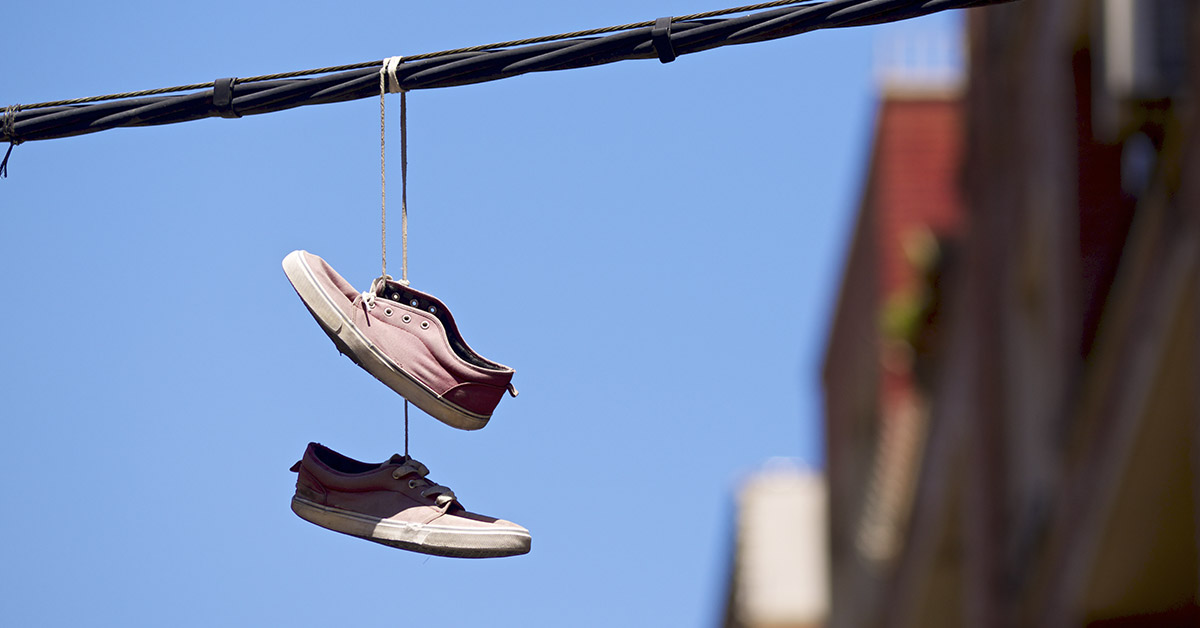

You’ve probably seen them before: a random pair of shoes on power lines, hanging there like they’re part of the scenery. It’s one of those things that makes you pause for a second and wonder why they’re there. Are they a prank, a message, a memory? Nobody seems to know for sure, yet the sight shows up in cities, suburbs, and small towns all over the world. Some call it strange, others see it as tradition. To understand why this happens, you have to look at how the practice started, what people believe it means, and how it connects to other little rituals people leave behind in public places.
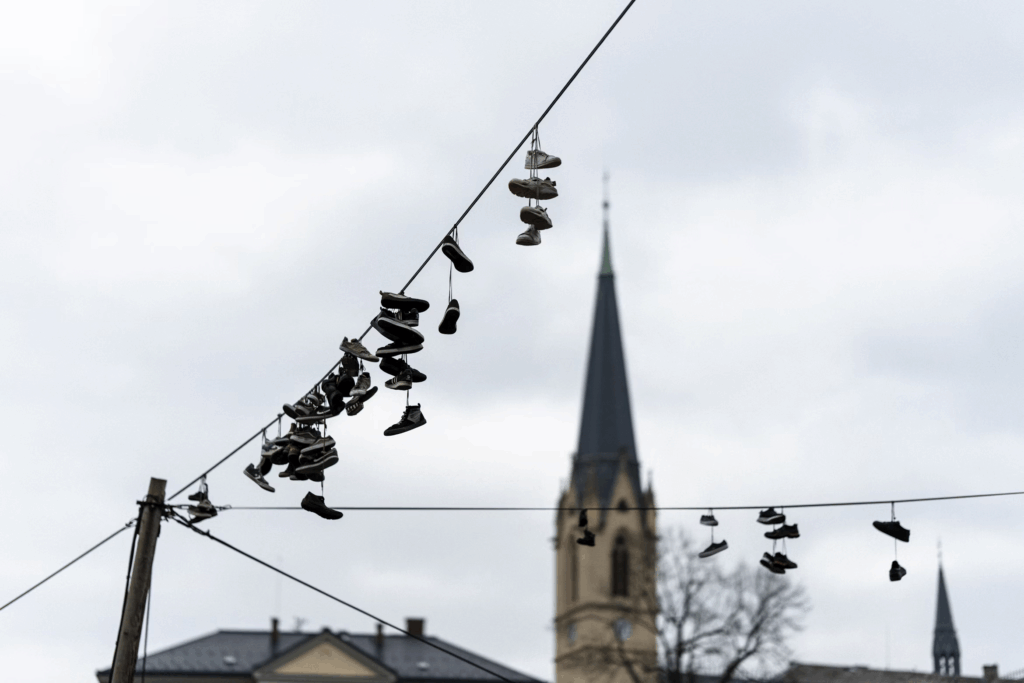
Image credit: Unsplash
A Look Back: When It All Started
Nobody can pinpoint exactly when people began tossing shoes onto power lines, but most historians agree the trend took off in the second half of the 20th century. The appearance of widespread electrical and telephone wires in cities during the 1960s and 70s made it possible for the practice to exist at all. By the late 1970s, shoes hanging from wires were being reported in large American cities like Chicago, Los Angeles, and New York.
What started as a local curiosity slowly turned into a common sight. Early newspaper mentions describe it as playful mischief among young people, while others point to symbolic meaning. Over the next few decades, the act evolved from a regional oddity into a cultural phenomenon seen across continents. Today, it’s found in both urban centers and small towns, showing how a simple act—throwing a pair of laced shoes over a line—can become part of shared human behavior.
The Military Tradition
One of the earliest and most verifiable explanations for shoes on power lines comes from military culture. Soldiers have long used personal rituals to mark milestones, from shaving their heads during boot camp to tossing helmets after deployment. According to veteran accounts, throwing boots over power lines or telephone wires was a way of signaling that a phase of service had ended. It symbolized leaving the hardship of training behind or saying goodbye to a unit after discharge.
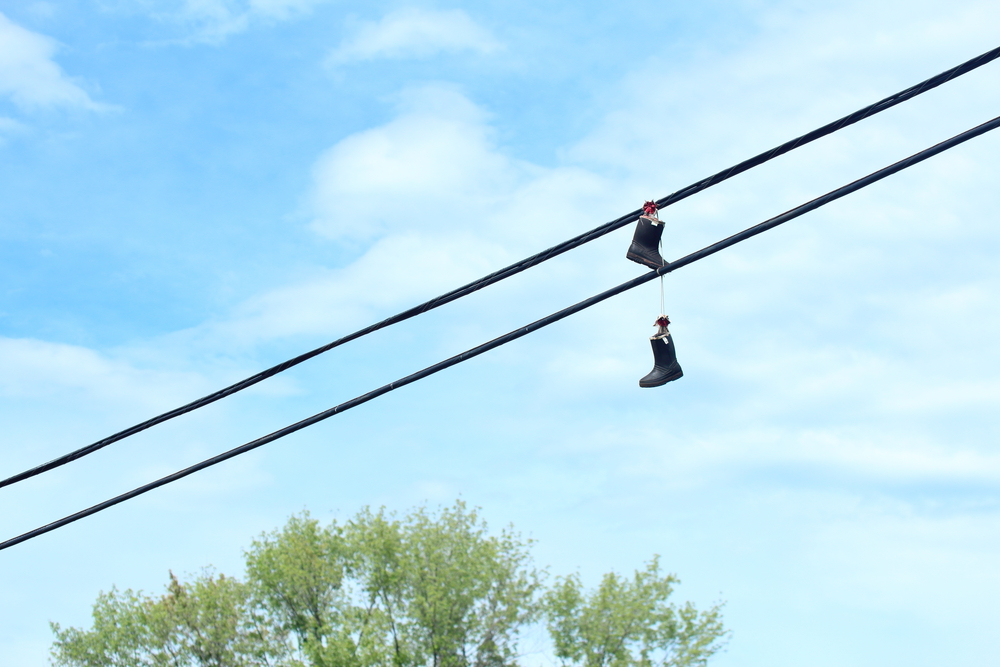
The boots, often old and worn, represented the time and effort invested in military life. In some bases, it became tradition to toss them near the exit gate on the final day of duty. Over time, this habit spilled beyond military grounds and into surrounding communities. Locals saw soldiers doing it, picked up the idea, and adapted it for their own milestones—graduations, moves, or personal achievements. This connection between shoes and closure gave the act emotional depth that remains part of its mystery today.
The Teenager’s Dare
For many, shoes on power lines started as a harmless prank. Teenagers, driven by curiosity and competition, would challenge each other to see who could throw their shoes high enough to land on the line. The appeal was partly about skill—getting the laces to loop just right—and partly about claiming a bit of territory in a public space. In schoolyards and suburban streets, it became a dare or a rite of passage: once you’d managed to get a pair to stick, everyone knew it was yours.
Psychologists often explain these acts as part of adolescent identity-building—testing limits, asserting independence, and creating visible proof of belonging. It wasn’t destructive, just a way to leave a mark without causing harm. Over the years, this playful version of the tradition merged with others, so what began as a dare among friends became something more layered and symbolic.
Milestones and Life Transitions
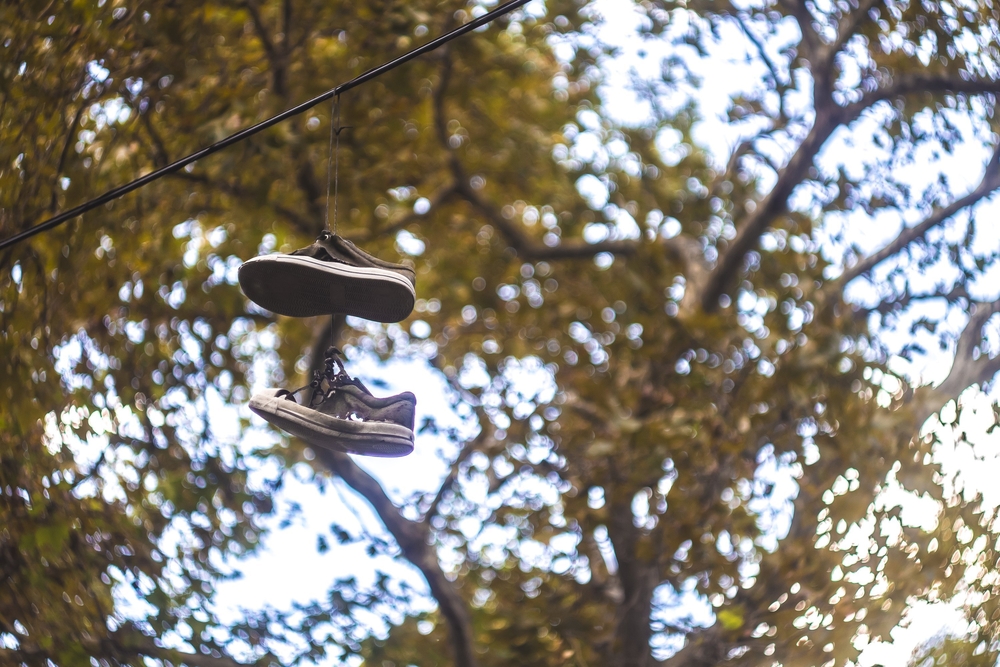
Outside of the military and teenage circles, many people toss shoes to mark transitions in life. Graduations, birthdays, weddings, and moves to new cities have all inspired the act. Throwing old shoes away symbolizes stepping into a new chapter, while placing them high up ensures they stay as a visible reminder of change. In this sense, shoes become a metaphor for movement—where you’ve been and where you’re going next. Anthropologists note that similar gestures appear across cultures: burning old clothes, burying objects, or hanging keepsakes to mark major shifts. In cities, shoes on power lines function the same way. They serve as silent storytellers for whoever walks by.
Memorials and Personal Tributes
Another meaningful interpretation comes from remembrance. In some neighborhoods, shoes on power lines are used as memorials for people who have passed away. Friends or family members tie a loved one’s shoes together and throw them near a place connected to that person’s life. The shoes act as a symbol of presence—something physical that stays visible long after the person is gone. This idea has roots in ancient traditions of leaving objects behind to honor the dead. It also mirrors modern memorials like roadside flowers or “ghost bikes” left for cyclists. The difference is that shoes on power lines combine grief with defiance, placing memory high above the reach of time or weather. Over the years, this practice has added emotional weight to what might otherwise seem like a simple act.
Expansion Into Global Culture
Although the tradition is most commonly linked to the United States, it has become a global phenomenon. Variations appear across Europe, South America, and Australia. In Spain and Italy, it’s sometimes associated with students marking the end of exams or military service. In parts of South America, it’s viewed as a playful symbol of youth. The spread likely followed cultural exports through film, music, and migration. Movies set in American cities often feature shoes dangling from power lines, turning them into a recognizable urban image. As international audiences adopted it, local meanings evolved. Some communities treat it as street art; others as folklore. The global reach shows how quickly a spontaneous gesture can travel and adapt, becoming part of shared visual language across cultures.
Cultural Relatives of the Practice
If you think about it, hanging shoes on power lines isn’t too different from other public traditions that leave something behind. Love locks on bridges, for instance, began in Europe as romantic symbols before spreading worldwide. Couples attach locks to metal railings and throw away the keys, leaving their affection permanently displayed. Similarly, hikers sometimes leave boots at the end of long trails, marking personal achievement. Across cultures, people tie ribbons to trees, carve initials into wood, or build tiny shrines in public spaces. All these acts share the same essence: making a personal story part of the environment. Shoes on power lines fit right into that human pattern. They reflect our need to be seen, to commemorate, and to leave a trace of our experiences where others can notice them.
How Pop Culture Helped the Tradition Spread
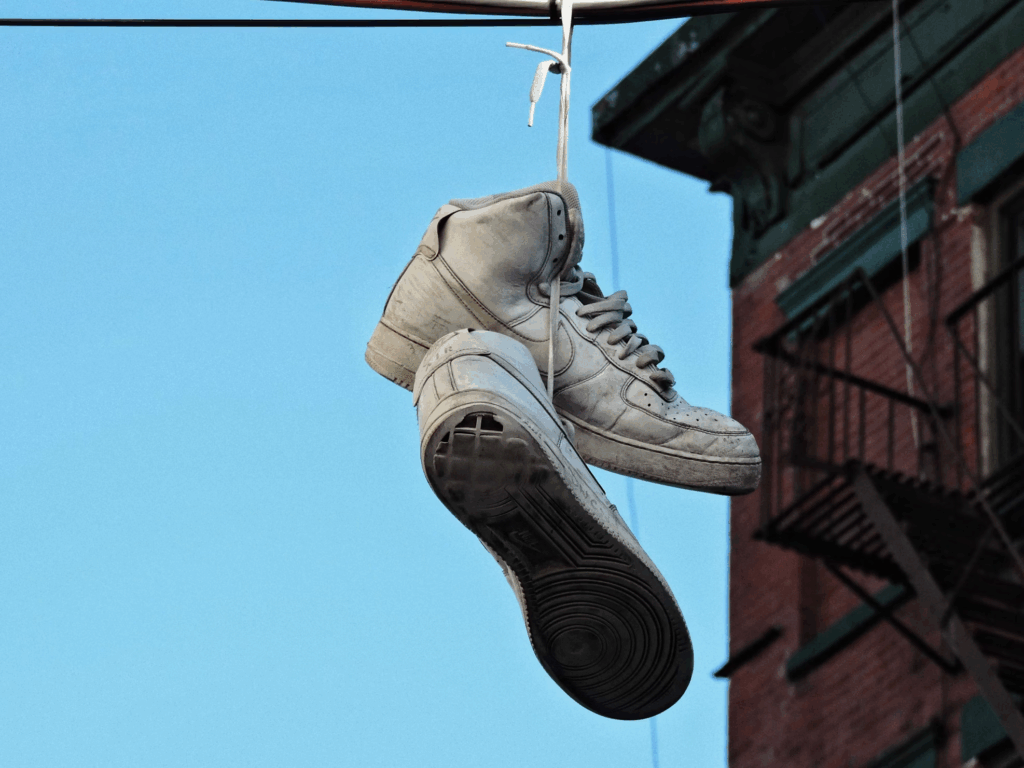
Image credit: Unsplash.
The image of shoes hanging from power lines became one of the most recognizable symbols of urban life largely because of pop culture. In the 1980s and 1990s, filmmakers used it to set the scene for authenticity. Movies like Boyz n the Hood and Friday featured these images to portray everyday life in city neighborhoods, capturing both community and struggle. Directors used the visual shorthand of dangling shoes to communicate atmosphere without needing dialogue. It quickly became a cinematic cue that audiences recognized, even without knowing its origin.
Music videos followed, especially within hip-hop culture. Artists used the imagery to express resilience, transformation, or neighborhood pride. In album covers and graffiti murals, shoes on wires stood for both presence and perseverance. The idea resonated because it captured the blend of hardship and hope often found in city storytelling. By the 2000s, photographers around the world were using the motif as a lens on urban identity. Streetwear brands even adopted the image for marketing, treating it as a symbol of authenticity and grit.
Through repetition in films, music, and art, the shoes became more than just objects—they turned into cultural language. Today, people in countries far from where the tradition started instantly recognize the meaning of shoes on power lines, even if they’ve never seen them in person. Pop culture didn’t just document the phenomenon; it amplified it, giving a local practice global visibility and emotional weight.
Artists and Anthropologists Who Study the Phenomenon
For artists and anthropologists, shoes on power lines are more than discarded footwear; they’re cultural artifacts that reveal how humans leave traces of themselves in public space.
The phenomenon is often described using the term “shoefiti,” a blend of “shoe” and “graffiti.” The word captures how the act transforms footwear into a form of unsanctioned street art. Much like graffiti, shoefiti alters everyday spaces with personal expression, turning power lines into unexpected canvases. The sight of hanging shoes can feel like a public installation—unplanned but strangely deliberate. Across cities, photographers and street culture enthusiasts have documented these displays as reflections of identity and community. Whether seen in Melbourne, New York, or Madrid, shoefiti represents the same impulse behind many creative acts: to leave a visible trace of human presence in a shared environment.
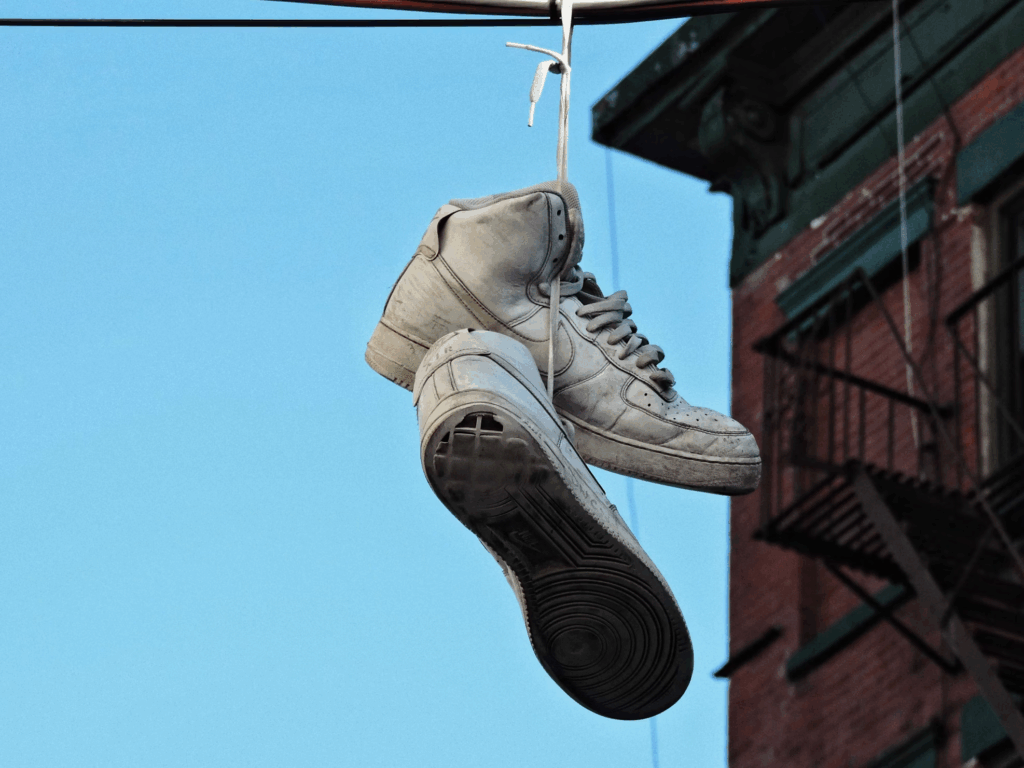
Image credit: Unsplash.
Photographers and artists like Deepa Mann-Kler have also captured them as metaphors for transition, rebellion, or nostalgia. She transformed an everyday urban image into a striking work of light and imagination with her installation Shoefiti. The piece features glowing LED trainers suspended above city streets, inviting people to pause, look up, and reconnect with their surroundings. First commissioned by Artichoke for Lumiere Durham 2019, it turned familiar architecture into a canvas of color and curiosity. The artwork later appeared at Light Up Leicester 2020, continuing to spark conversation about how art can reframe ordinary spaces. Mann-Kler’s Shoefiti celebrates the spirit of urban creativity, blending humor, beauty, and reflection.
Utility Workers’ Perspective
While most people see shoes on power lines as curious decoration or cultural mystery, utility workers experience them as a recurring part of their job. Power companies receive hundreds of calls each year from residents reporting dangling shoes, either because they find them unsightly or worry they’re dangerous. Technicians explain that the shoes themselves rarely pose electrical threats—rubber soles act as insulators—but they can cause mechanical strain on lines if they accumulate or get wet. The real challenge lies in safe removal. Workers often use long insulated poles or bucket trucks to retrieve them, but only when it’s practical or necessary.
In rural areas or older neighborhoods, removal can take weeks, which is why shoes often stay up for years. Many workers view the practice with mild amusement, comparing it to graffiti that keeps coming back. Some even develop informal collections of unusual pairs they’ve taken down, treating them as job souvenirs. Utility company reports show that shoe-related maintenance is minor compared to other hazards, but public interest keeps the topic alive.
City departments occasionally run awareness campaigns asking people not to toss objects onto wires, though with limited success.
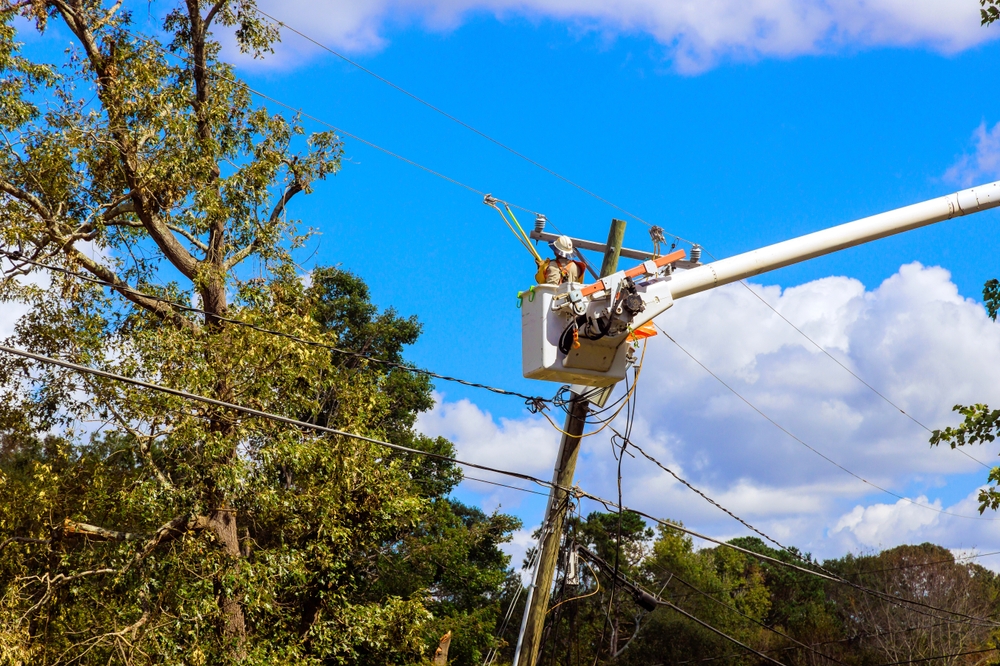
Image credit: Shutterstock.
Environmental and Safety Aspects
Although the act looks harmless, it carries environmental and maintenance consequences that often go unnoticed. When shoes stay exposed to the elements, their rubber and synthetic materials slowly break down, releasing microplastics into surrounding soil and stormwater. Birds sometimes attempt to nest in the shoes, which can lead to injuries or interference with electrical equipment. In cold climates, snow and rain can accumulate inside the shoes, increasing their weight and pulling on the lines. Utility inspectors have reported that heavy, waterlogged footwear can cause minor sagging or vibration over time.
From an ecological standpoint, hanging shoes contribute to visual pollution and urban clutter, similar to litter or abandoned signage. Some municipalities now list shoe removal as part of public “clean and green” initiatives. Environmental advocates have even suggested recycling programs that collect unwanted shoes before they’re tossed away, turning them into playground surfacing or insulation materials. In educational outreach, cities frame this tradition as a chance to redirect creativity—encouraging public art walls or sculpture installations instead.
The Tradition Today
Today, this act remain a curious blend of art, ritual, and urban myth. Some cities remove them for safety reasons, while others let them be, recognizing their cultural value. Photographers often document them as signs of everyday creativity. Social media keeps the tradition alive, with people sharing sightings from around the world. Even as cities modernize, the simple act of tossing a pair of shoes into the sky continues to capture attention. It’s a reminder that people crave expression, even in small, unpredictable ways. Whether they mark endings, beginnings, or just boredom on a summer afternoon, those shoes tell us something universal: humans have always found ways to turn ordinary objects into meaning.
Read More: The Real Reason Your Flight Takes Longer Than It Should
Disclaimer: This article was written by the author with the assistance of AI and reviewed by an editor for accuracy and clarity.