

Your dog or cat depends on you for every meal, and what you put in their bowl impacts their health. While many pet food brands market themselves as healthy or premium, not all of them deliver the nutritional quality. Some brands cut corners by using cheap fillers, vague, and preservatives, which may be harmful over time. What looks appetizing to the eye often hides low-grade ingredients that offer little real nourishment.
Dogs and cats have specific dietary needs that differ from humans. Cats are obligate carnivores, requiring high amounts of protein, while dogs need a balanced mix of protein, fat, and carbohydrates. When pet foods rely on grains, soy, meat by-products, and artificial additives, they fail to meet these essential needs. Over time, poor-quality diets can lead to issues like obesity, allergies, digestive troubles, and even kidney or liver damage.
Some Recognizable Names
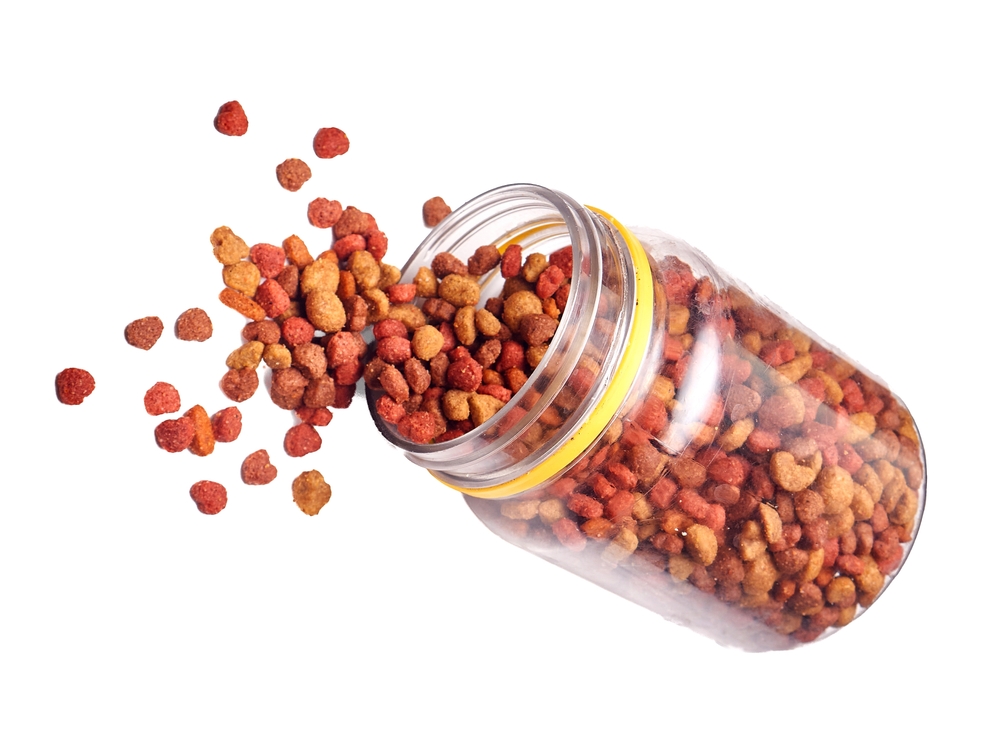
In the pet food aisle are also among the worst offenders. Popularity and wide distribution do not equal safety or nutritional balance. It is easy to assume that if a brand is widely sold in grocery stores or advertised on TV, it must be trustworthy. But many of these well-known products rely on low-cost manufacturing methods and poorly sourced ingredients that may harm your pet’s health more than help it.
If you want your pet to live a long, active, and healthy life, choosing the right food is one of the most powerful decisions you can make. Below is a list of 15 pet food brands that fall short in quality, nutrition, or safety. Whether due to harmful additives, poor ingredient sourcing, or nutritional imbalances, these are brands you should consider avoiding when shopping for your furry companion.
1. Ol’ Roy
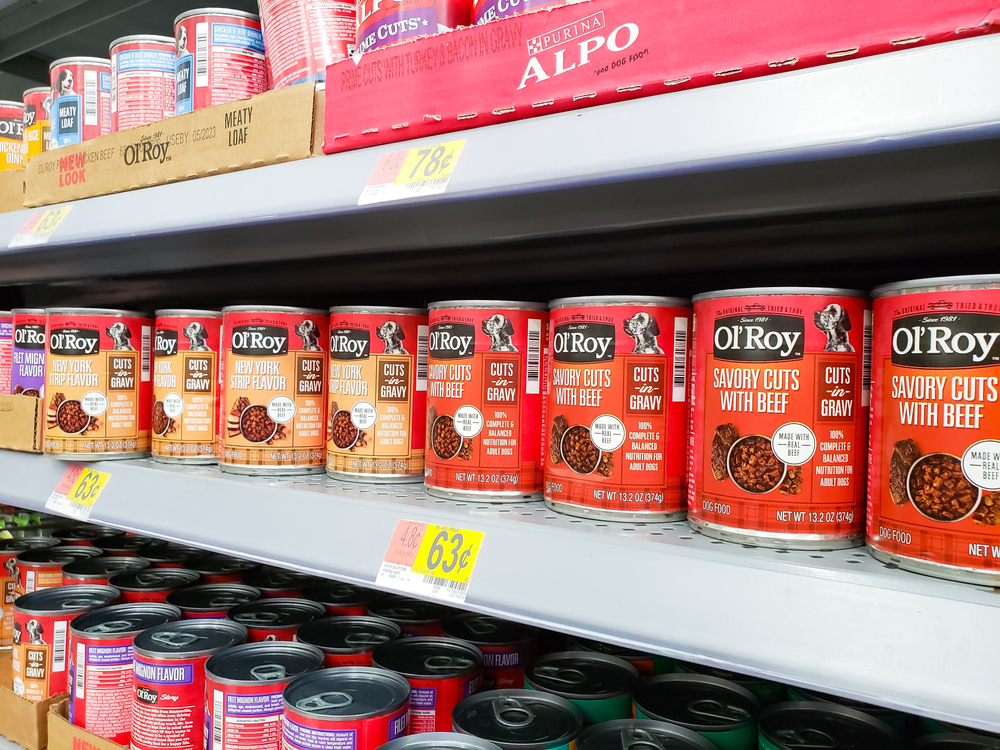
Ol’ Roy is Walmart’s private-label dog food and is one of the most inexpensive options available. However, its low cost often reflects the quality of ingredients used. The formulas rely heavily on corn, wheat, and soy fillers, which provide limited nutritional value for dogs. Instead of using real meat, Ol’ Roy includes meat by-products and meat and bone meal, which are often untraceable in origin and quality.
These ingredients are processed at high temperatures, which can destroy vital nutrients and make proteins harder to digest. Many Ol’ Roy recipes also contain artificial dyes and preservatives, which do not benefit dogs and may cause long-term harm. Regular feeding of this brand has been linked to digestive issues, skin flare-ups, and decreased energy levels in some dogs.
2. 9Lives
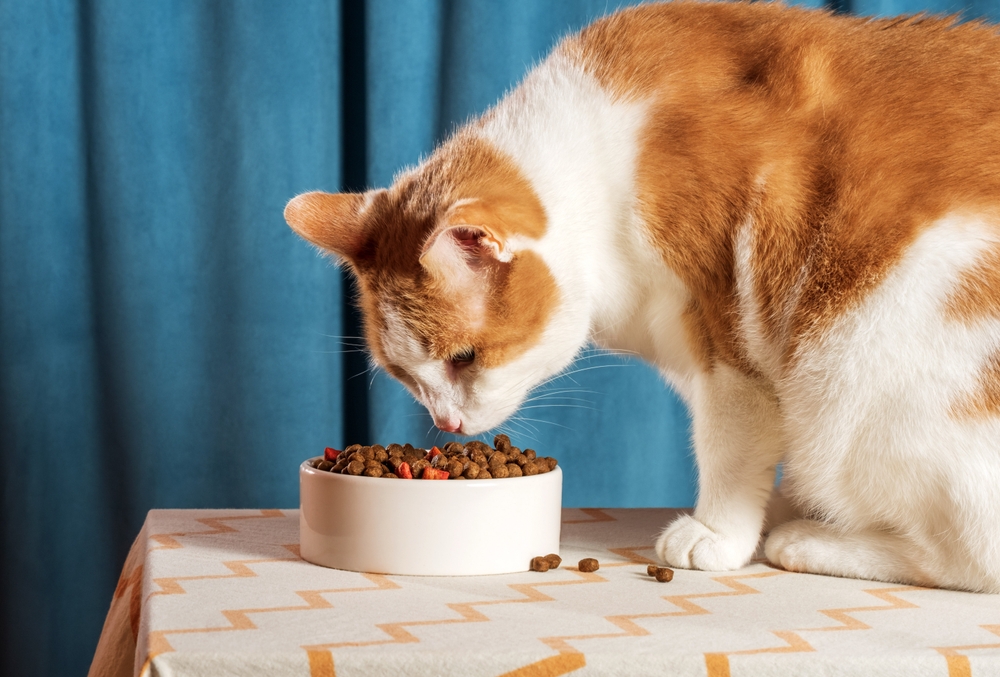
9Lives is a well-known budget cat food that is widely available in grocery stores and online retailers. Despite its popularity, this brand often cuts corners by using low-cost ingredients that do not support a cat’s biological needs. Cats are obligate carnivores, meaning they need meat-based protein for survival. However, 9Lives frequently uses corn gluten meal, soybean meal, and meat by-products instead of whole, named meat sources.
These plant-based fillers are not well-digested by cats and provide poor-quality protein. Additionally, 9Lives contains artificial colors and chemical preservatives, which can add stress to a cat’s digestive and immune systems. Over time, a cat fed this diet may suffer from nutrient deficiencies, muscle loss, and metabolic disorders due to the poor protein-to-carbohydrate ratio.
3. Kibbles ‘n Bits
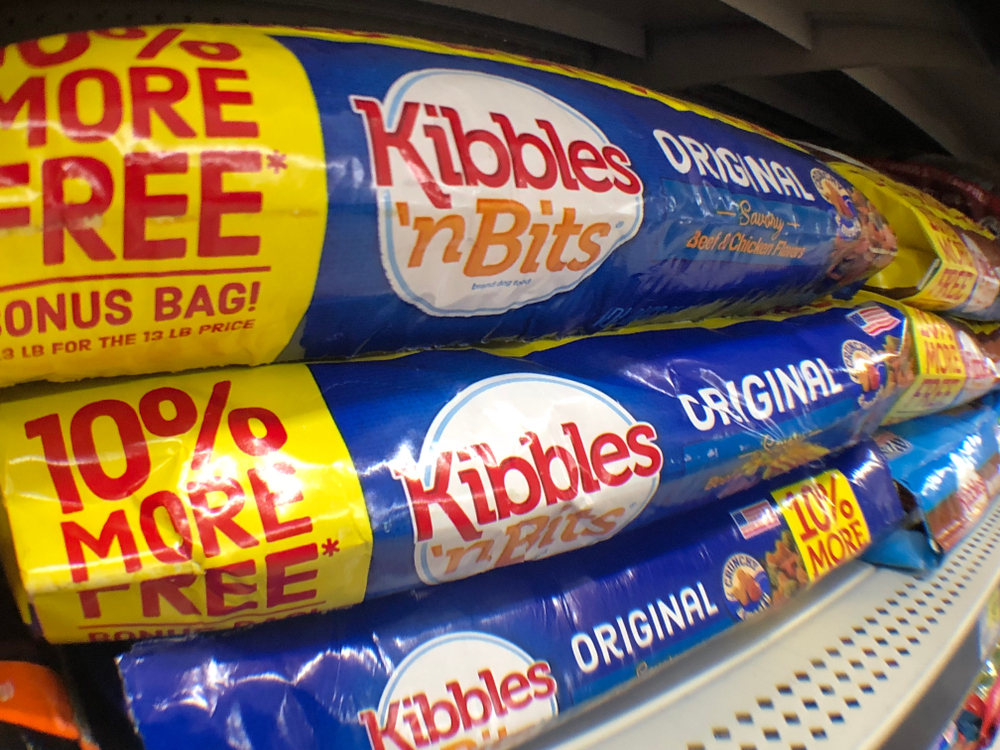
Kibbles ‘n Bits is a brand that markets its kibble as fun and flavorful, but the colorful pieces are a warning sign. Those bright colors are created using artificial dyes such as Red 40, Yellow 5, and Blue 2, which serve no nutritional purpose and may cause allergic reactions in some dogs. The formulas often list corn, soybean meal, and wheat middlings as the first few ingredients, all of which are considered fillers with low biological value.
Real meat is often listed far down the ingredient list, if at all, and is typically replaced with meat and bone meal or poultry by-product meal. These unnamed sources provide inconsistent quality and questionable digestibility. Kibbles ‘n Bits also contains added sugars and preservatives, which are unnecessary and potentially harmful. Long-term feeding may lead to obesity, dull coat, and reduced muscle mass in dogs.
4. Meow Mix
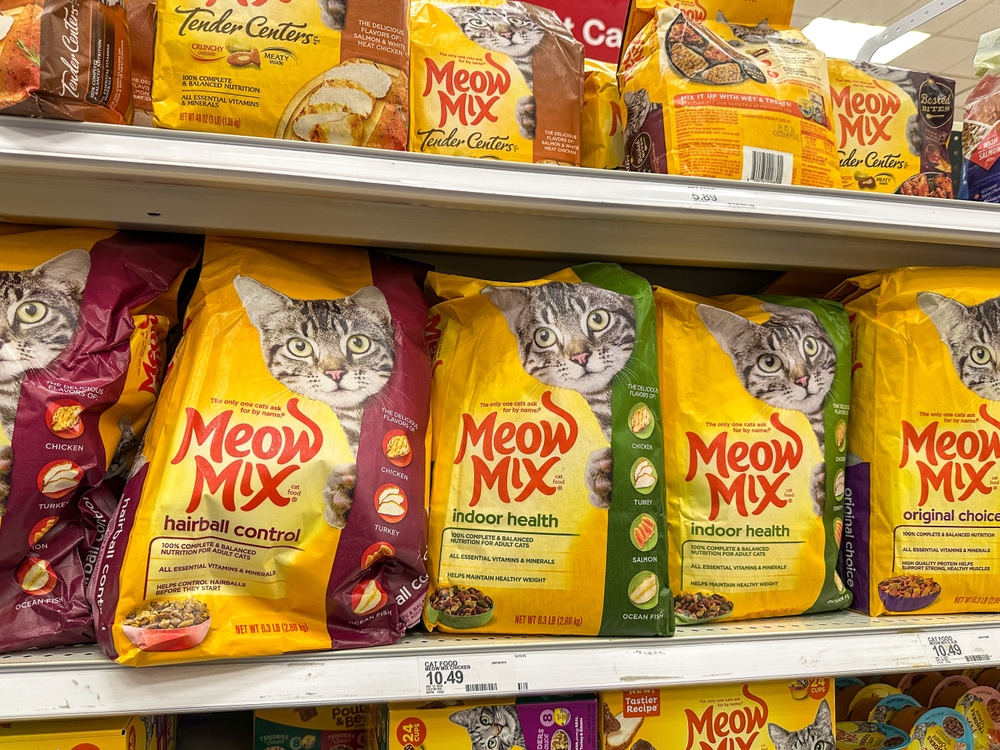
Meow Mix is heavily promoted for its taste appeal, but when it comes to ingredient quality, it falls short. This brand uses corn and soybean meal as base ingredients, which are not suitable for a carnivorous diet. Whole meat or fish is rarely the primary protein source, and instead, the food relies on meat by-products, which lack transparency and nutritional reliability.
These by-products can come from parts of animals that are not muscle meat, such as organs or bone fragments, which may not provide complete amino acid profiles. Meow Mix also includes artificial preservatives and synthetic flavor enhancers to improve palatability, which may burden a cat’s kidneys and liver over time. Feeding this brand regularly may result in excessive shedding, gastrointestinal upset, and a lack of vital nutrients like taurine and arachidonic acid, both of which are critical for feline health.
5. Gravy Train
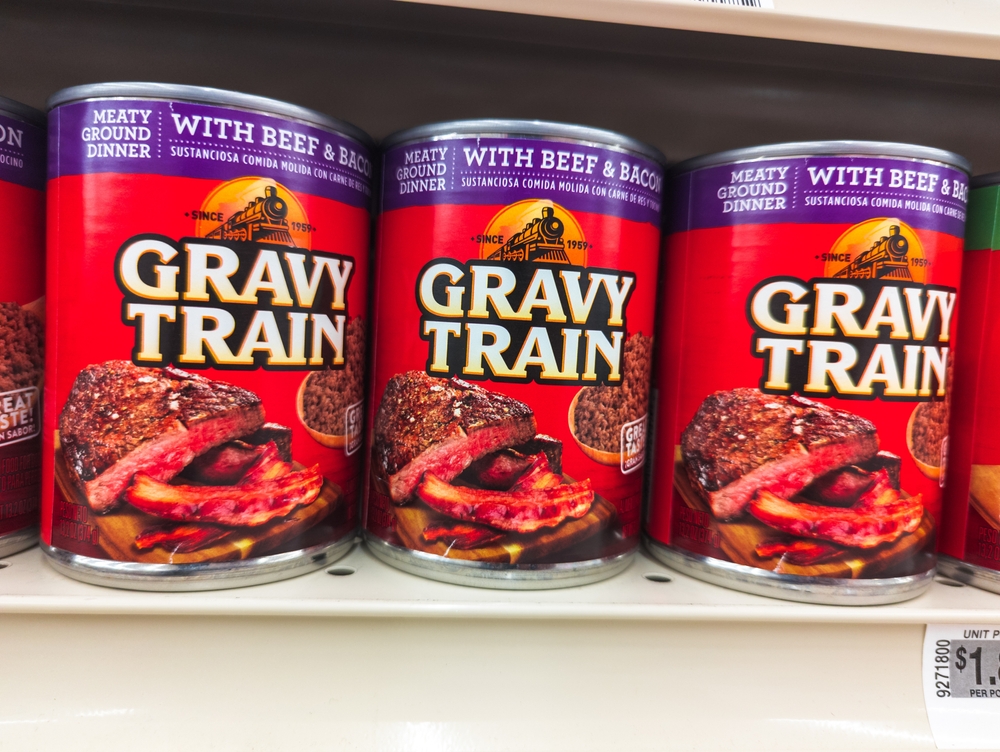
Gravy Train markets itself as flavorful, comfort-style food for dogs, but its ingredient profile raises serious concerns. The brand uses meat and bone meal, a vague and low-quality protein source that varies in content and origin. It is typically rendered from multiple animal parts, which can include scraps not fit for human consumption. Instead of relying on lean meats or identifiable animal proteins,
Gravy Train bulks up its recipes with soybean meal and corn derivatives. These ingredients are harder for dogs to digest and provide less bioavailable protein. Gravy Train also contains artificial preservatives like BHA and propylene glycol, which may affect a dog’s liver and kidney function if consumed regularly. Sodium content in this brand is high, which can lead to water retention and put unnecessary stress on the cardiovascular system, especially in older dogs. When combined with added sugar, these components may contribute to unhealthy weight gain, dental issues, and long-term health risks.
6. Special Kitty
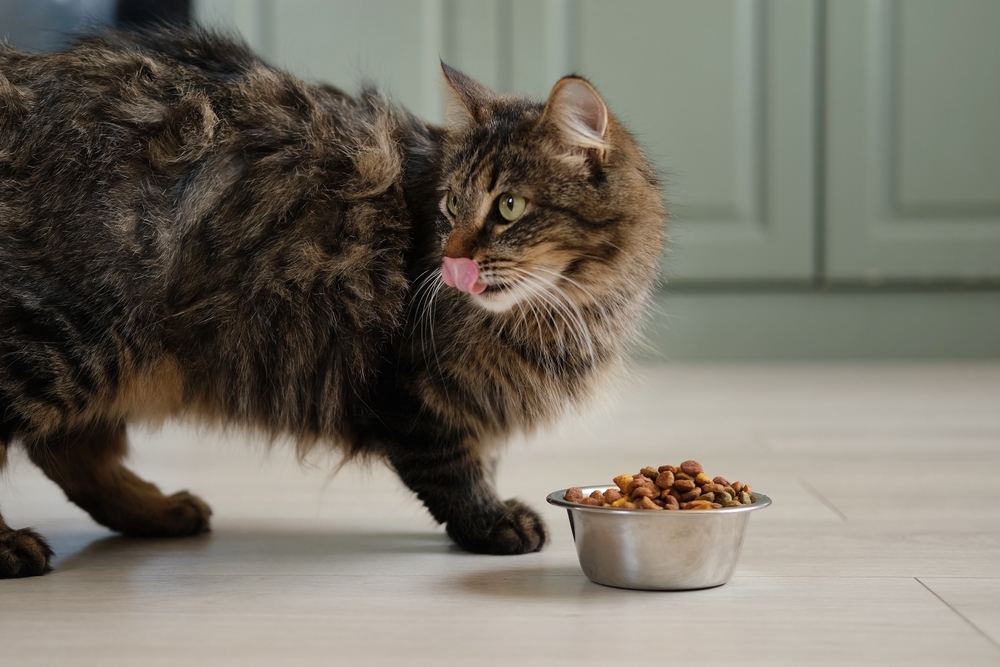
Special Kitty is a low-cost option targeted toward cat owners looking for affordability, but it falls short in meeting essential nutritional needs. The first ingredients often include cornmeal, soy flour, or wheat middlings, none of which are ideal for cats who require a high-protein, low-carb diet. The protein sources are often animal by-products or generic meat meals, which do not guarantee a consistent level of quality or amino acid profile.
These by-products may lack vital nutrients like taurine, which is critical for feline heart and vision health. Special Kitty also includes artificial coloring agents and chemical preservatives that offer no benefit and may place stress on a cat’s liver. Feeding this brand long-term could lead to nutritional deficiencies, immune dysfunction, and digestive issues due to the imbalance of protein to carbohydrate ratio and the lack of high-quality animal fats. Its formulas do not align with what cats need for lean muscle maintenance, organ health, and energy.
7. Beneful
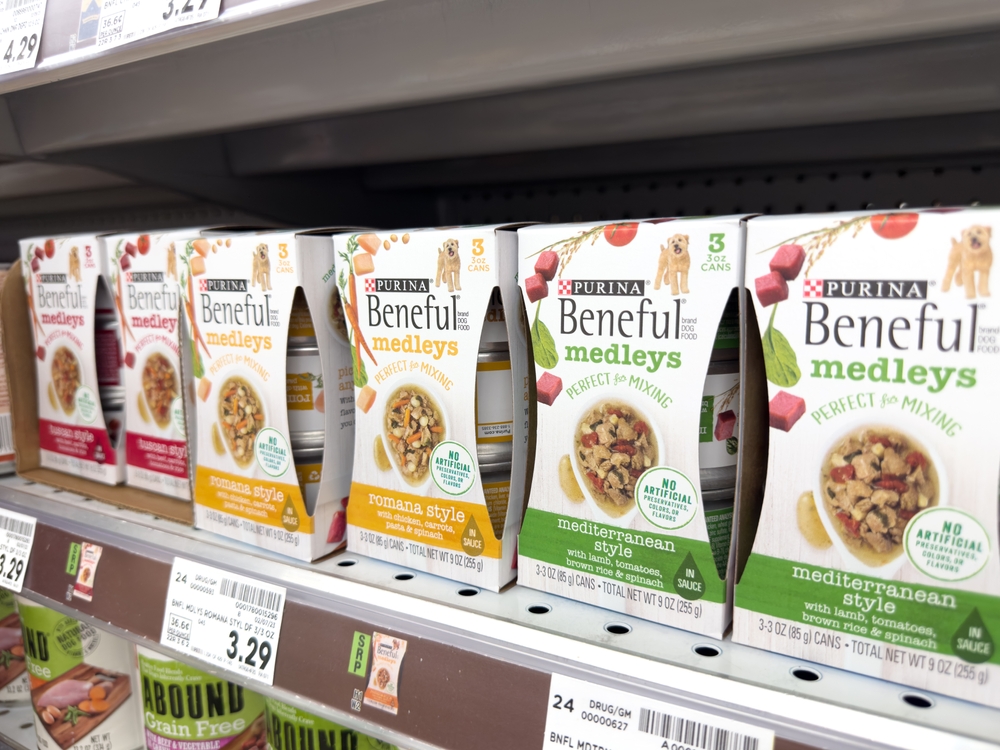
Beneful is a brand produced by Purina that appeals to dog owners with colorful kibble and an attractive marketing message. However, a closer look at its ingredients reveals the use of sugar, artificial coloring, and low-grade grains like corn and wheat. These additives provide no benefit to dogs and can actually lead to inflammation, weight gain, and allergies over time.
Beneful often lists corn as the primary ingredient, rather than animal protein. When protein is present, it is typically from by-products or vague meat sources, which are harder for dogs to digest and less nutritionally complete. The inclusion of propylene glycol, a chemical compound used to retain moisture, may raise additional health concerns. Over time, a diet based on Beneful can lead to chronic skin issues, gastrointestinal discomfort, and decreased immune response. Despite its visual appeal and marketing claims, this brand does not provide the balanced, high-quality nutrients that dogs need to thrive.
8. Alpo
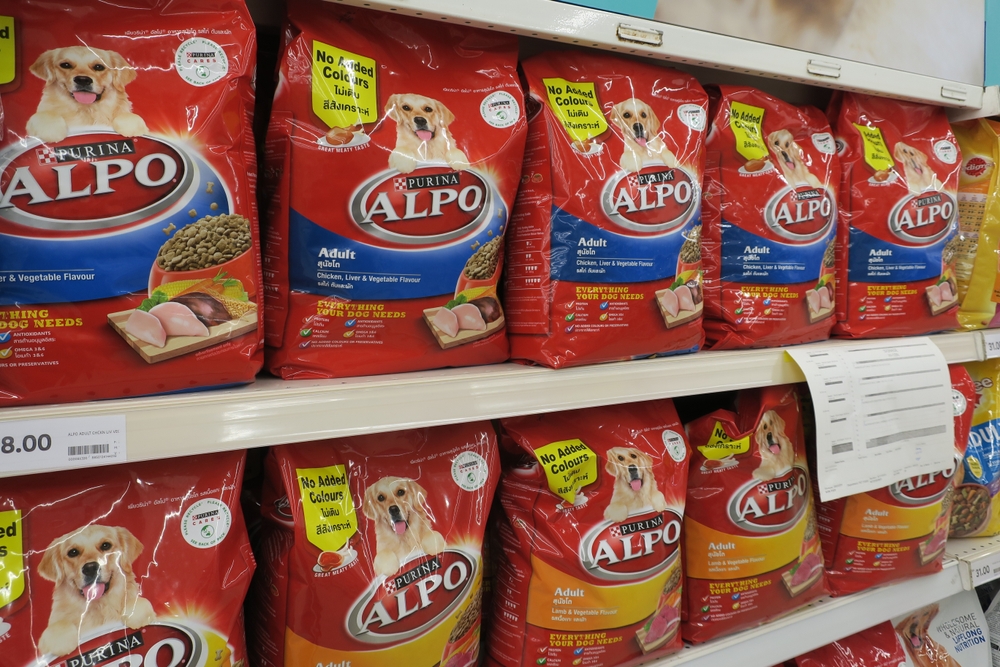
Alpo is another widely sold brand from Purina that often uses generic meat meals and by-products as its protein base. The formulations rely heavily on corn, soybean meal, and wheat gluten, which do not align with a meat-based canine diet. These fillers reduce the bioavailability of essential amino acids, vitamins, and minerals. The lack of real, named meat sources in most Alpo formulas makes it difficult to gauge nutritional consistency.
Artificial flavors and preservatives are also commonly found in this brand, which may lead to reactions in dogs with food sensitivities. Alpo’s protein-to-fat ratio is often imbalanced, leading to reduced muscle tone and poor coat condition over time. High levels of carbohydrates can cause spikes in blood sugar, making this food particularly risky for dogs prone to diabetes or obesity. Feeding Alpo consistently can result in low energy, increased waste output, and a weakened digestive system.
9. Cat Chow
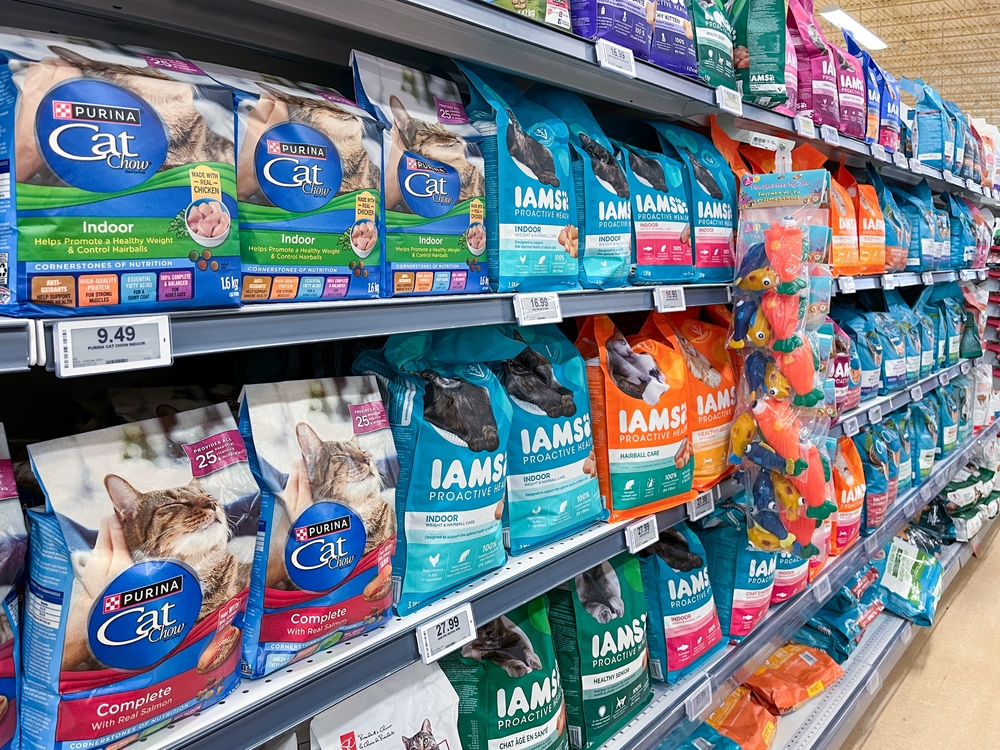
Cat Chow is widely distributed and heavily advertised, but its reliance on plant-based ingredients and by-products makes it less suitable for cats. Many formulas begin with ground yellow corn or soybean meal, which are not species-appropriate for obligate carnivores. Cats require a high percentage of animal protein to support muscle, organ, and immune health, but Cat Chow often delivers incomplete or poorly sourced proteins.
Meat by-products are commonly listed without specifying which animal they come from, reducing transparency and trust. The formulas also include artificial colors, flavors, and chemical preservatives that may burden the kidneys and liver over time. Cat Chow’s high carbohydrate content can cause blood sugar imbalances, urinary issues, and unwanted weight gain. Feeding this brand long-term could lead to malnutrition, digestive sensitivity, and lack of essential nutrients like taurine, omega-3 fatty acids, and vitamin A, all of which are vital for feline health.
10. Pedigree
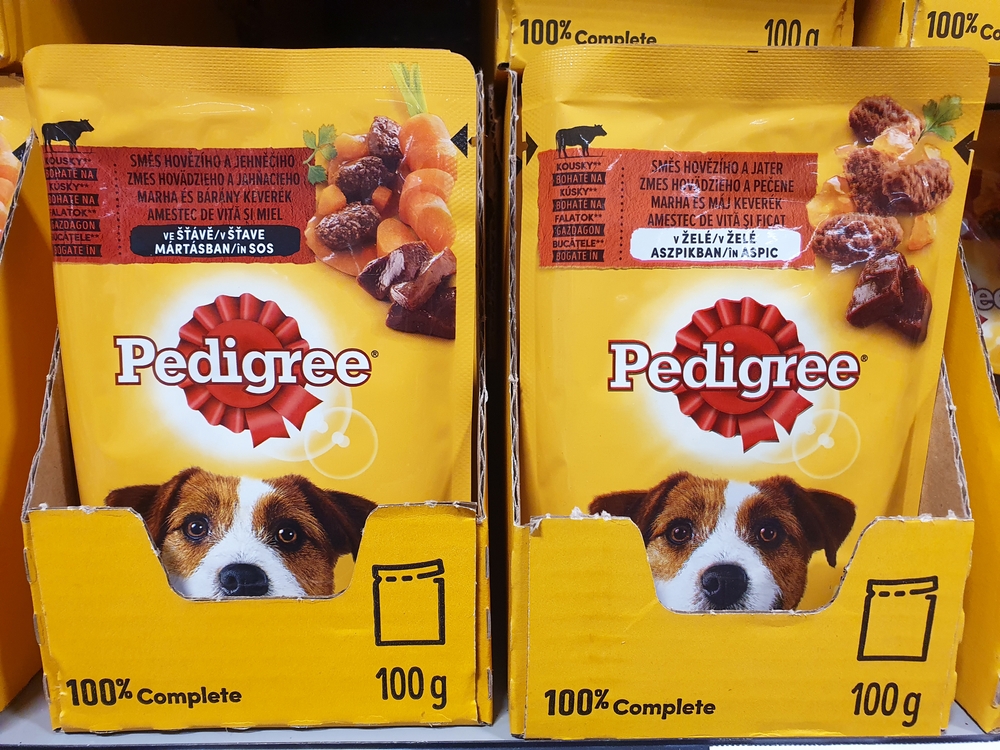
Pedigree is one of the most recognized dog food brands worldwide, but its ingredients do not reflect high nutritional standards. Many of its formulas list cornmeal, wheat flour, and soy protein concentrate before any real meat appears. These grains and fillers offer limited nutritional value and are harder for dogs to digest. Protein sources often come from meat by-products, which can include low-quality scraps not ideal for canine nutrition. Pedigree also uses artificial flavors and color additives that have no health benefits and may trigger allergic responses.
The lack of omega fatty acids and quality animal protein makes it unsuitable for maintaining healthy skin, coat, and joint function. Dogs fed Pedigree long-term may experience itchy skin, dull fur, and chronic gastrointestinal problems. While the brand is affordable and easy to find, the poor ingredient quality may lead to higher vet costs and health complications down the line.
11. Friskies
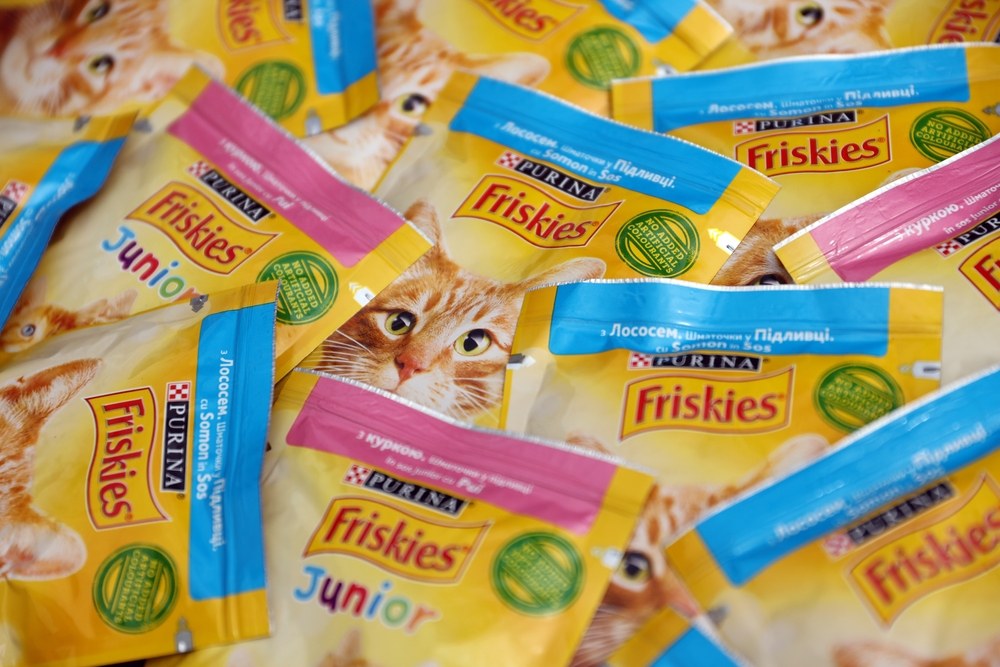
Friskies is a staple in many households, especially for cat owners who want a wet or dry food option that is easy on the budget. However, the formulas rely heavily on corn gluten meal, rice, and soybean meal, which are not appropriate for carnivorous animals. Friskies often uses meat by-products and artificial flavors to enhance taste, but these ingredients fall short in providing the full spectrum of amino acids cats need. Taurine, an essential nutrient for cats, is often added synthetically rather than derived from whole meat.
Artificial preservatives such as BHA and BHT are used to extend shelf life but may be harmful over time. Cats eating Friskies may suffer from frequent hairballs, digestive issues, and reduced energy levels due to the imbalance in protein and carbohydrate content. Long-term feeding may also increase the risk of urinary tract issues, especially in male cats, due to low moisture and high ash content in some dry formulas.
12. Iams
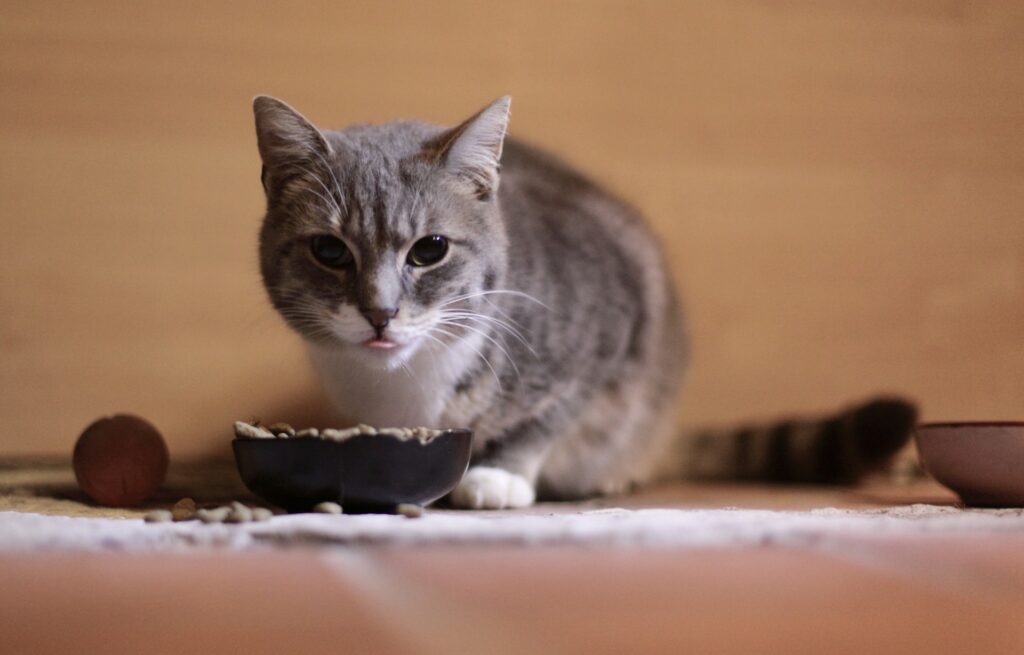
Iams has long positioned itself as a brand recommended by veterinarians, but many of its recipes still rely on cornmeal, animal by-product meal, and beet pulp, which are not ideal for optimal pet nutrition. Corn and beet pulp are used as fillers to increase bulk, not as nutrient-rich ingredients. While some Iams products do include chicken or lamb, they often appear lower in the ingredient list, making them a secondary source of protein.
The brand also includes preservatives and additives such as caramel coloring and synthetic vitamins, which are not easily absorbed. For pets with food sensitivities or allergies, these ingredients can lead to recurring skin conditions, ear infections, and gastrointestinal upset. Dogs and cats that eat Iams over time may show signs of nutrient imbalances, such as dry skin, poor coat condition, or low energy. While not the worst brand available, it still does not deliver the clean, whole-food nutrition pets truly need.
13. Science Diet
Science Diet is often viewed as a high-end or specialized food, especially for pets with medical conditions. However, many of its regular formulas contain ingredients like corn gluten meal, wheat, and soybean oil as primary sources of nutrition. These plant-based fillers are not ideal for carnivores and do not provide the high-quality animal protein needed for muscle maintenance and immune support. The brand also includes preservatives and artificial flavors, particularly in its dry food options.
Science Diet’s use of synthetic vitamins and minerals does not always compensate for the lack of whole meat or natural nutrient sources. The protein content is often lower than expected for the price point, and the fat levels may not support healthy skin or brain function. Pets eating this food daily may not get the full spectrum of essential nutrients required for long-term health and may develop chronic conditions over time if deficiencies go unaddressed.
14. Purina Dog Chow
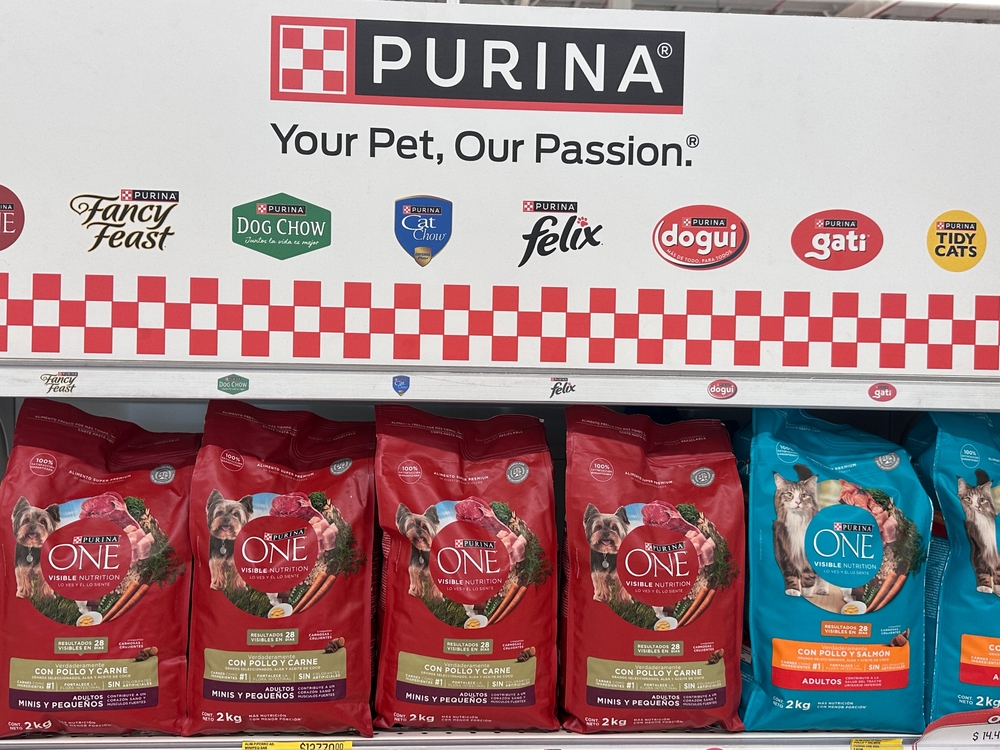
Purina Dog Chow is another commonly used brand that places affordability and mass production above nutritional quality. The formulas are often led by corn, soybean meal, and wheat flour, which are inexpensive fillers that add bulk without contributing to a pet’s overall health. The protein in this food usually comes from meat and bone meal or poultry by-product meal, both of which are low-grade and inconsistently processed.
These ingredients may lack essential amino acids and are harder to digest than whole meats. Artificial colors and preservatives are commonly used to improve appearance and shelf life but can be irritating to sensitive dogs. Many of the added vitamins and minerals are synthetic, which reduces bioavailability. Feeding this food over time may result in nutrient gaps, poor coat condition, and lethargy. Despite its wide availability, Dog Chow offers limited value in terms of long-term wellness and disease prevention.
15. Whiskas
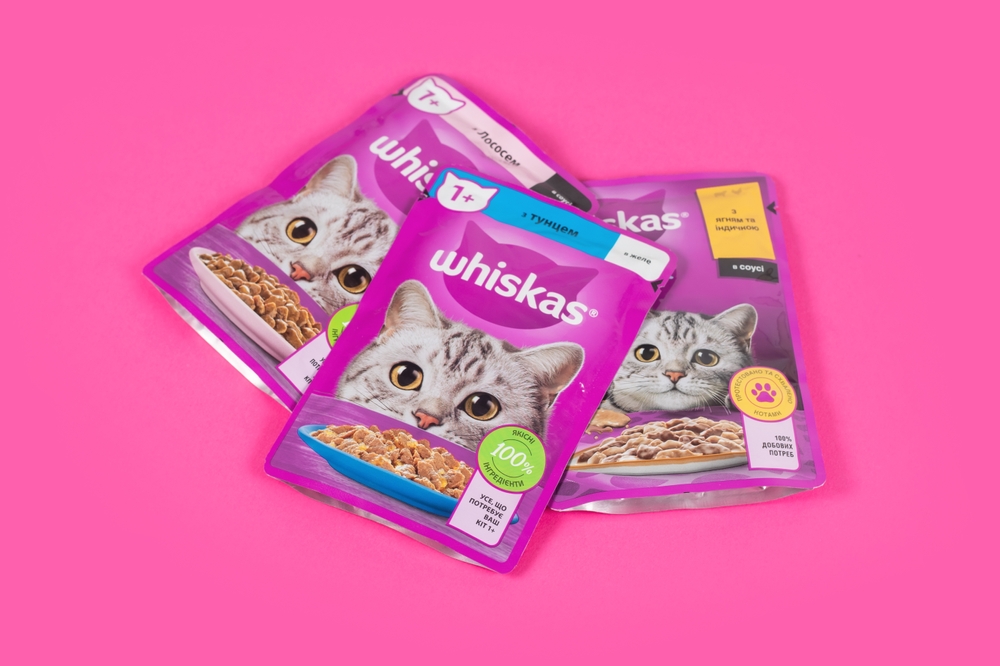
Whiskas cat food is easy to find and often priced to appeal to budget-conscious pet owners, but it comes with a significant nutritional trade-off. The main ingredients in many formulas are corn, meat by-products, and wheat gluten, which do not meet the high-protein needs of cats. These fillers offer limited energy, poor digestibility, and can lead to malnutrition over time.
Whiskas also includes added sugars in some wet food varieties, which can cause weight gain and disrupt blood sugar levels. The use of artificial coloring and preservatives further reduces the quality of the product and may burden a cat’s kidneys and liver with unnecessary toxins. While the flavor and texture may appeal to picky eaters, the brand lacks the nutritional balance to support long-term feline health. Cats fed Whiskas exclusively may suffer from dental decay, urinary problems, and dull fur due to the lack of key nutrients and moisture.
Feeding and Ingredients
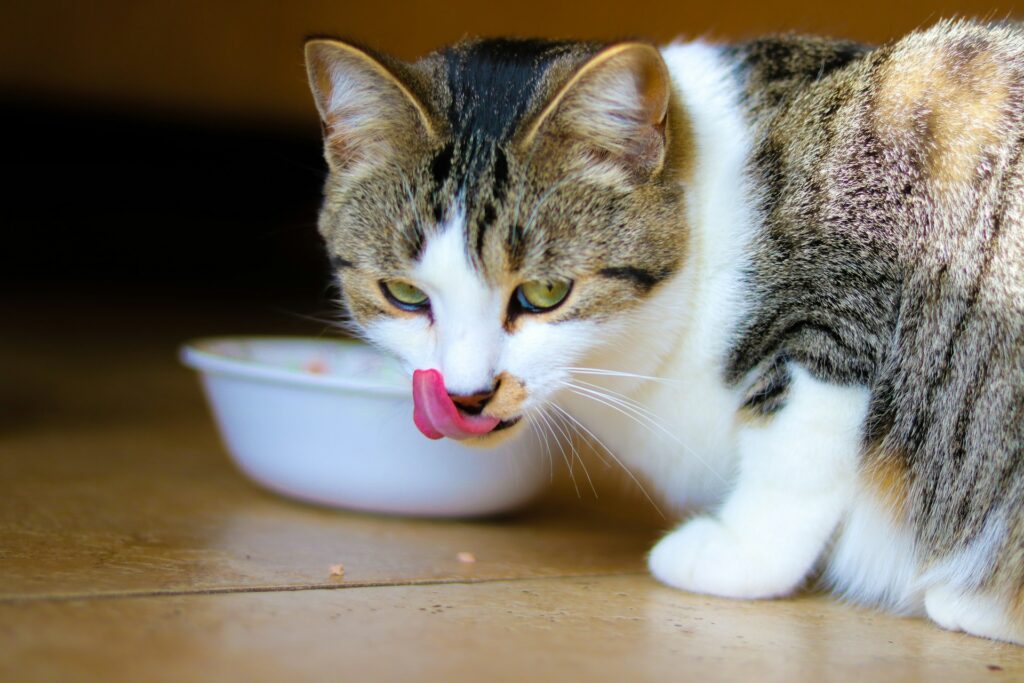
Feeding your pet goes beyond filling their bowl with whatever brand is on sale or widely advertised. The quality of ingredients, sourcing, and formulation all play a critical role in their health, energy levels, and longevity. Brands that use meat by-products, excessive grains, artificial colors, and chemical preservatives may keep costs low, but they can come at the expense of your pet’s well-being. Over time, a poor diet can lead to chronic issues like skin conditions, digestive problems, nutrient deficiencies, obesity, and even organ damage.
Many of the brands listed above use marketing to create a sense of trust, but the ingredient lists tell a different story. Pets thrive on diets rich in whole, named meats, essential fatty acids, and balanced minerals. When brands cut corners with low-cost fillers and vague proteins, pets may suffer the consequences quietly for years. Health problems that seem unrelated at first may actually begin with poor diet and low-quality food.
Choosing Better
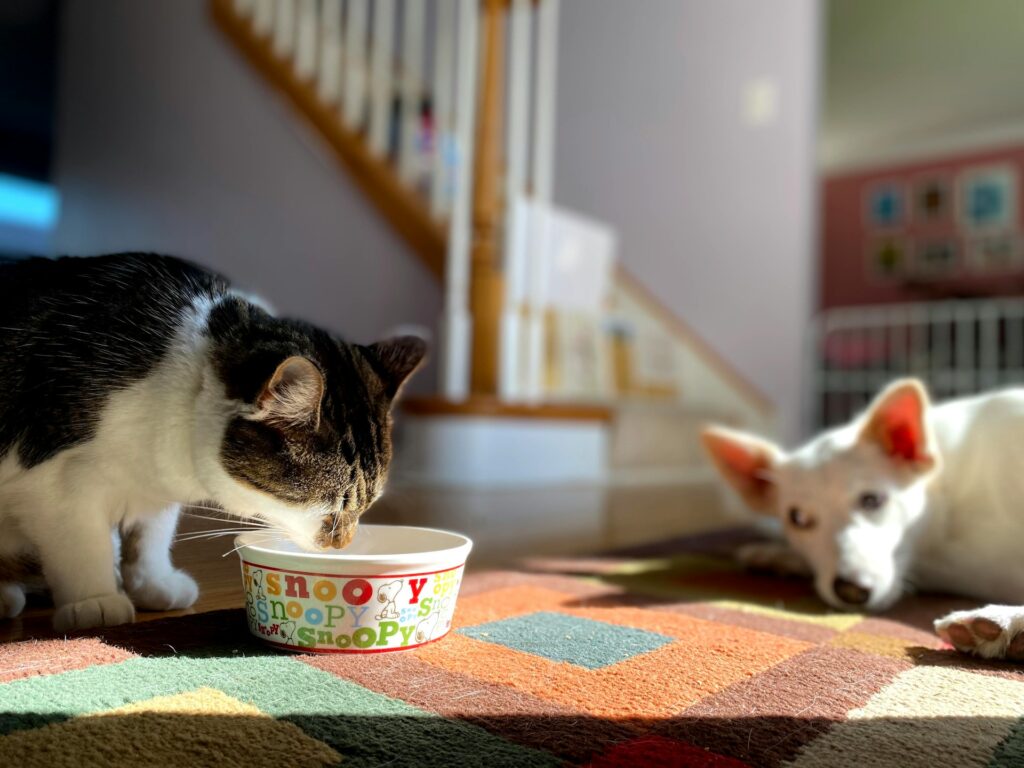
Choosing better food does not always mean spending more, but it does mean paying attention to what is actually in the bag or can. Avoid vague terms like “meat meal” or “animal by-product,” and prioritize brands that lead with real protein and minimal processing. Changes in your pet’s diet can lead to improved digestion, better coat health, higher energy levels, and a longer, healthier life.
Always read labels carefully, consult your veterinarian about your pet’s unique dietary needs, and be willing to change brands if your pet’s current food does not meet nutritional standards. Your dog or cat depends on you to make the right choice, and avoiding brands listed here is a strong step toward giving them the best possible life.
Read More: Coyote Problem in Your Garden? Here’s What You Should & Shouldn’t Do
Disclaimer: This article was created with AI assistance and edited by a human for accuracy and clarity.