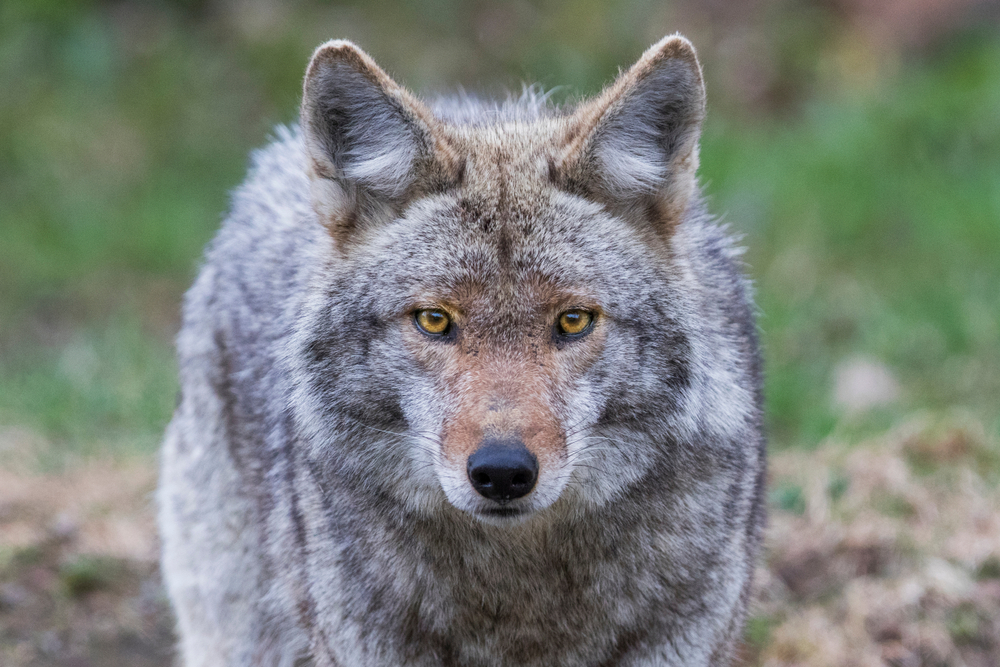

Coyotes are highly intelligent and remarkably adaptable animals. Once native only to North America’s wide open plains, they have steadily expanded their range into suburban neighborhoods and even major cities. As human developments grow into previously wild territories, encounters between people and coyotes have become far more common. Many homeowners find themselves surprised to see a coyote trotting through their garden or standing confidently at the edge of their property. When that happens, knowing what to do and what not to do becomes crucial.
Coyotes are not naturally aggressive toward humans, but they are opportunistic feeders. They often appear in gardens searching for easy meals such as small rodents, pet food, garbage, or even fruit that has fallen from trees. While their curiosity is often harmless, repeated visits can create serious risks for pets, small livestock, and human safety. This article explains everything you should and should not do if you discover a coyote problem in your garden, focusing on humane, practical, and effective ways to keep your space safe.
Understanding Coyotes and Their Behavior
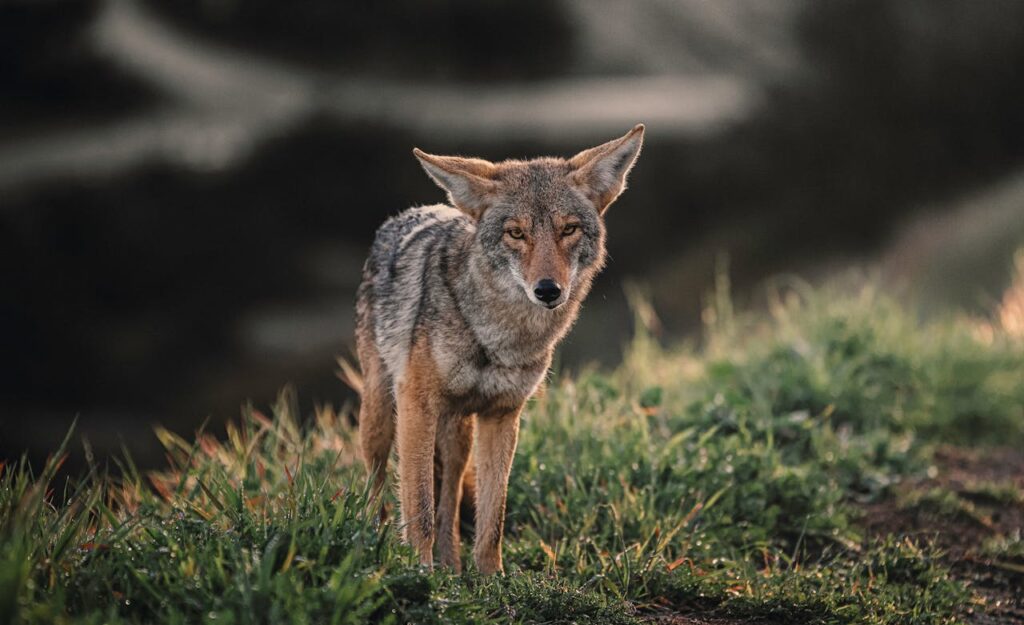
To deal with coyotes effectively, it is important to first understand their behavior. Coyotes are members of the dog family, closely related to wolves, and have evolved to survive in an impressive range of environments. They are quick learners, excellent hunters, and have strong family bonds. In the wild, coyotes rely on hunting small animals and scavenging for food, but in residential areas they quickly learn that human spaces offer easier rewards.
Coyotes are Mostly Nocturnal
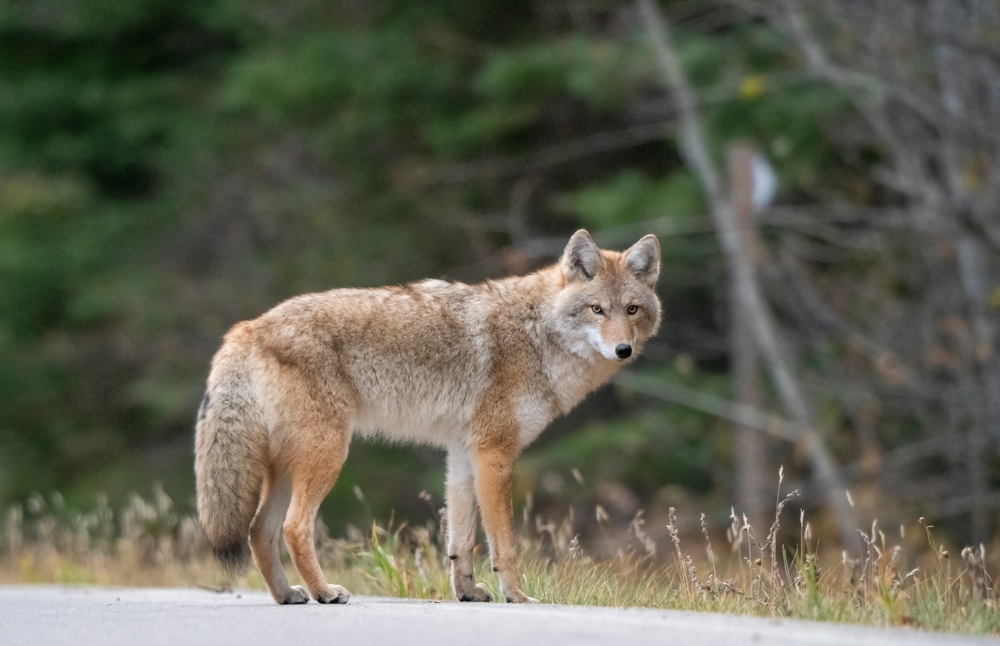
However, in populated regions they can appear during the day, particularly in the early morning or evening. They are cautious by nature and prefer to avoid people, but when they lose their fear due to easy food access or repeated exposure, their behavior can become bolder. In that situation, it is vital to reestablish boundaries so they do not view your garden as part of their territory.
Why Are Coyotes Visiting Your Property?
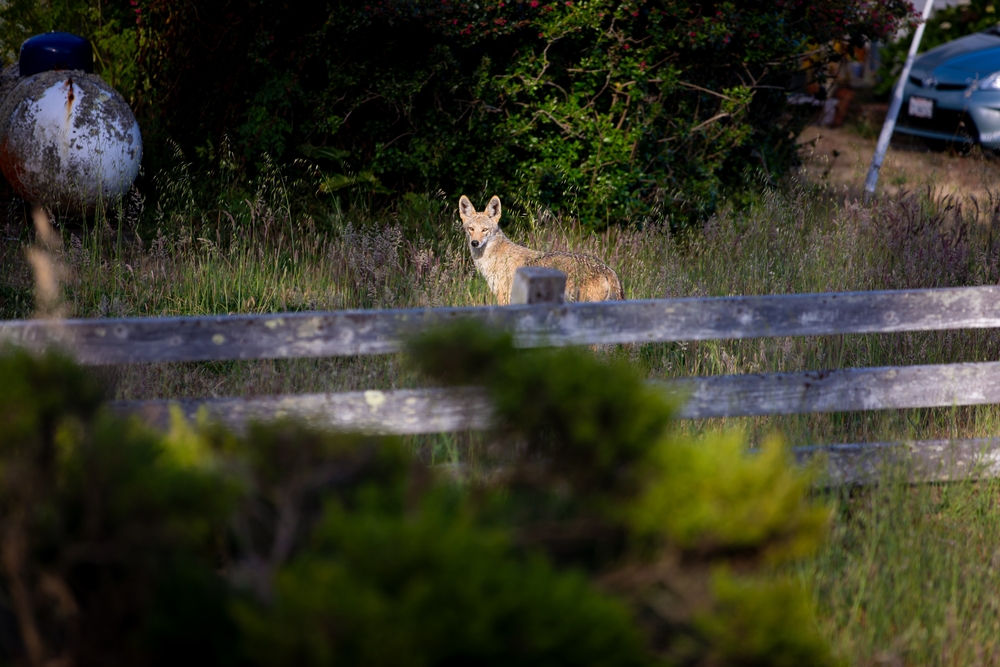
Common reasons include exposed garbage, outdoor pet food, compost, fallen fruit, water sources, or thick vegetation that provides shelter. Even something as simple as leaving dog food outside overnight can draw them in. Once they find a reliable food source, they return repeatedly. Recognizing these motivations helps you address the root of the problem rather than just the symptoms.
What You Should Do: Smart and Humane Actions
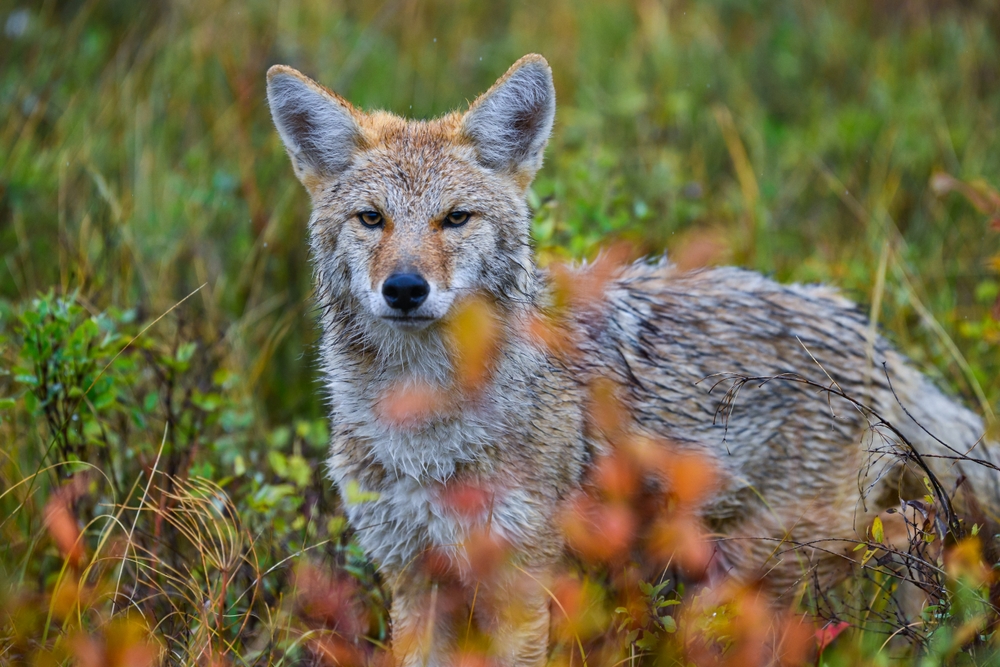
The best way to manage coyotes is through prevention and deterrence, because once they find comfort and resources in a particular area, removing them becomes far more difficult. Prevention begins with understanding that coyotes are not inherently aggressive but opportunistic, meaning they take advantage of whatever food or shelter is easiest to access. If your garden offers those opportunities, they will continue returning. By making your property less appealing and more difficult to navigate, you teach coyotes that your space is not worth the effort.
Eliminate Food and Water Sources

Start by removing anything that might feed or attract a coyote. Secure all garbage in sturdy bins with tightly sealed lids, and store them in enclosed areas whenever possible. Do not leave trash outside overnight unless it is collection day. Clean up after outdoor cooking because leftover grease and scraps will easily attract wild animals.
Avoid feeding pets outside

If you must, do it only at designated times and remove any uneaten food immediately. Do not leave pet water bowls, bird baths, or fountains unattended because water also draws coyotes, especially in dry climates. Pick up fruit that has fallen from trees, and manage compost carefully by using closed containers and avoiding meat or fat waste. Even bird feeders can lure rodents, which in turn attract coyotes, so keep them tidy and spill-free.
By eliminating these attractants, you make your garden less inviting and encourage coyotes to move elsewhere in search of easier food. This single step often stops most casual visits before they develop into a real problem.
Manage Shelter and Hiding Areas

Coyotes also look for comfortable shelter or denning sites. Overgrown vegetation, woodpiles, debris, or gaps under decks provide excellent hiding spots for them or their prey. Trim dense bushes, clear away unused piles of logs or scrap materials, and seal any gaps beneath structures. This denies coyotes the sense of safety they seek when exploring human spaces.
If your property borders open land, create a clear boundary by maintaining a clean, open strip between natural brush and your garden. Coyotes are less likely to cross open ground where they feel exposed. Regular yard maintenance helps not only in discouraging coyotes but also in preventing smaller pests that might attract them.
Secure Your Perimeter
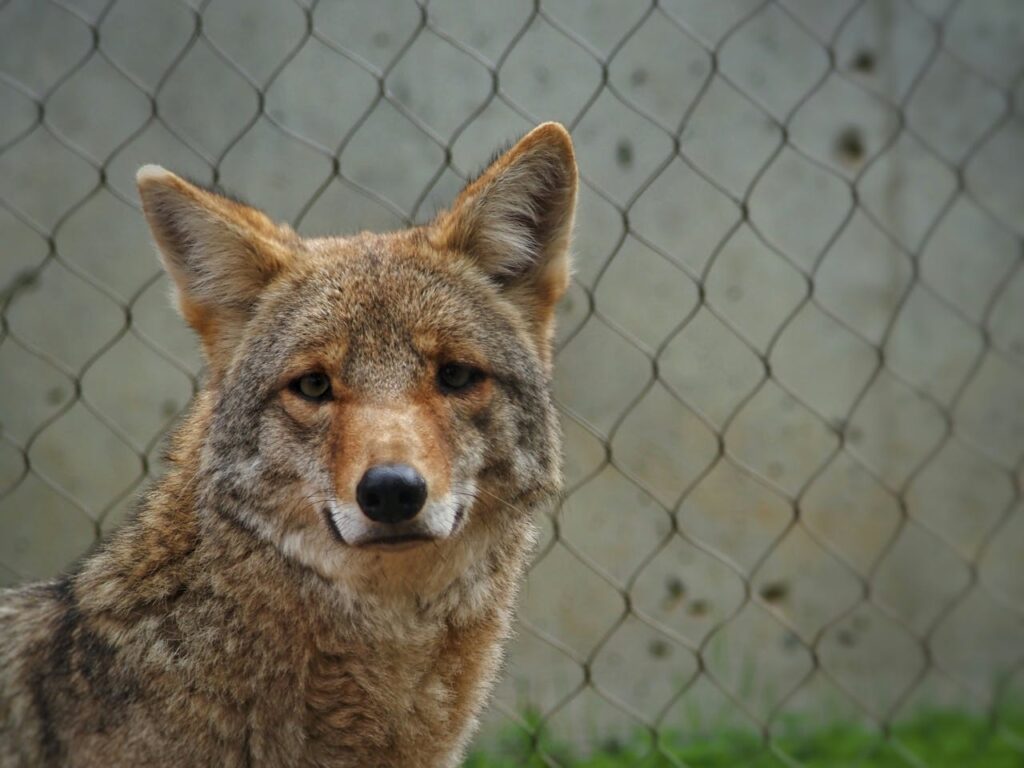
Good fencing can make a huge difference. A standard fence should be at least six feet high to deter jumping and extend underground or use wire mesh to prevent digging. Adding devices such as coyote rollers at the top makes it harder for them to climb. Gates should latch securely, and any damaged sections should be repaired promptly. Motion-activated lights or sprinklers placed near entry points can also startle intruding coyotes and convince them to stay away.
These barriers serve as both psychological and physical deterrents. Even if a coyote could technically find a way through, most prefer to avoid the effort once they realize your property is difficult to access.
Use Hazing to Reinforce Boundaries
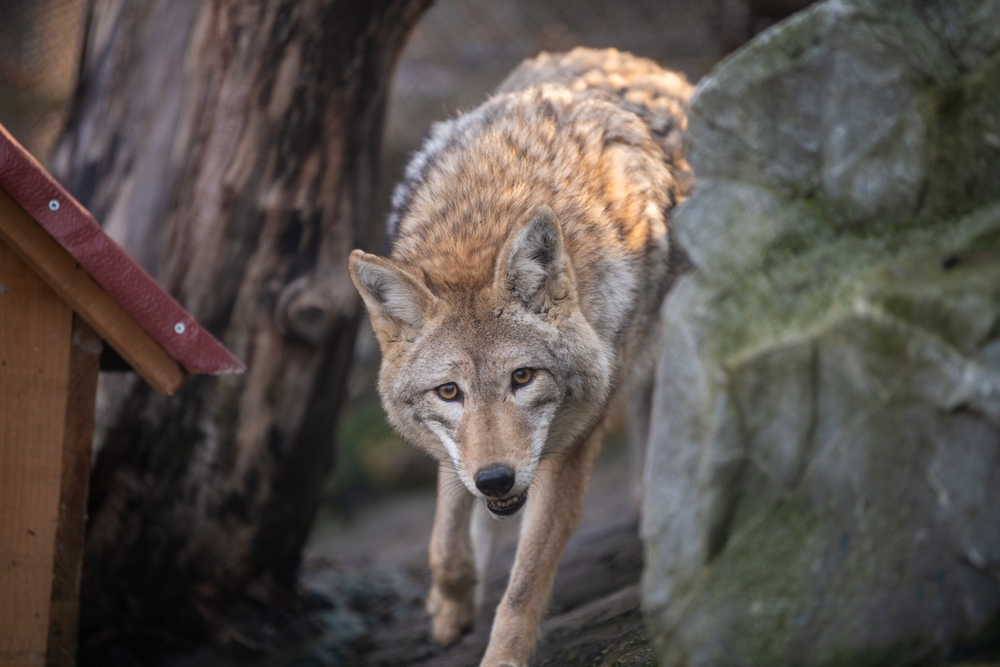
Hazing is the practice of using harmless but firm tactics to frighten coyotes and remind them to stay away from humans. If you see a coyote in your garden, do not ignore it. Make loud noises, wave your arms, clap, or shout assertively until it leaves. You can use an air horn, whistle, or even bang metal objects together. The goal is to make the coyote associate your property with unpleasant experiences.
If noise alone is not enough, you can spray water from a hose or throw small objects like sticks toward the ground near the animal without attempting to injure it. Changing your methods occasionally helps because coyotes can become used to repetitive stimuli. For example, alternate between loud noises, flashing lights, and water deterrents to maintain effectiveness.
Consistent hazing teaches coyotes that humans and gardens are not worth approaching. Over time, this reinforces their natural caution and helps reduce future visits.
Protect Pets and Small Animals
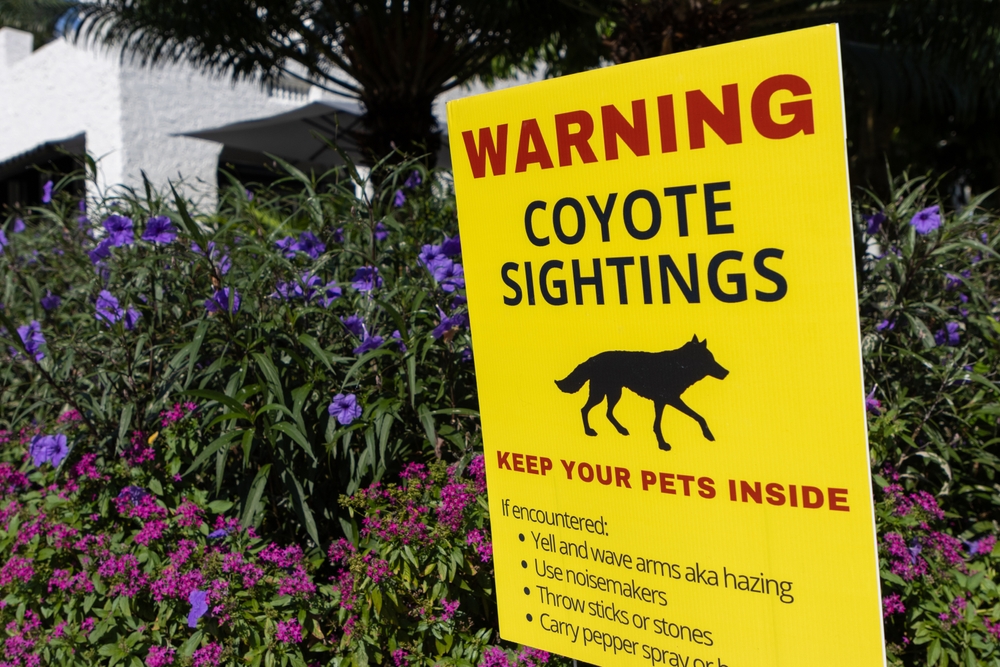
Coyotes are primarily drawn to easy prey, and small pets can be vulnerable. Always supervise cats and small dogs when outdoors, especially at night or during early morning and evening hours when coyotes are most active. If possible, keep pets indoors during these times. When walking dogs, use a short leash and remain alert near wooded or brushy areas.
If you keep chickens, rabbits, or other small animals, make sure their enclosures are sturdy and predator-proof. Use strong wire mesh, solid floors, and roofs that prevent climbing. Electric fencing can add extra security if local regulations allow it. Keep livestock areas well-lit and clear of leftover feed or water that could attract coyotes or rodents.
Other Important Notes for Pets

In addition to physical protection, ensure your pets are up to date on vaccinations and parasite prevention, since coyotes can carry diseases such as rabies, mange, and distemper. These precautions safeguard both pets and humans.
Work with Neighbors and the Community
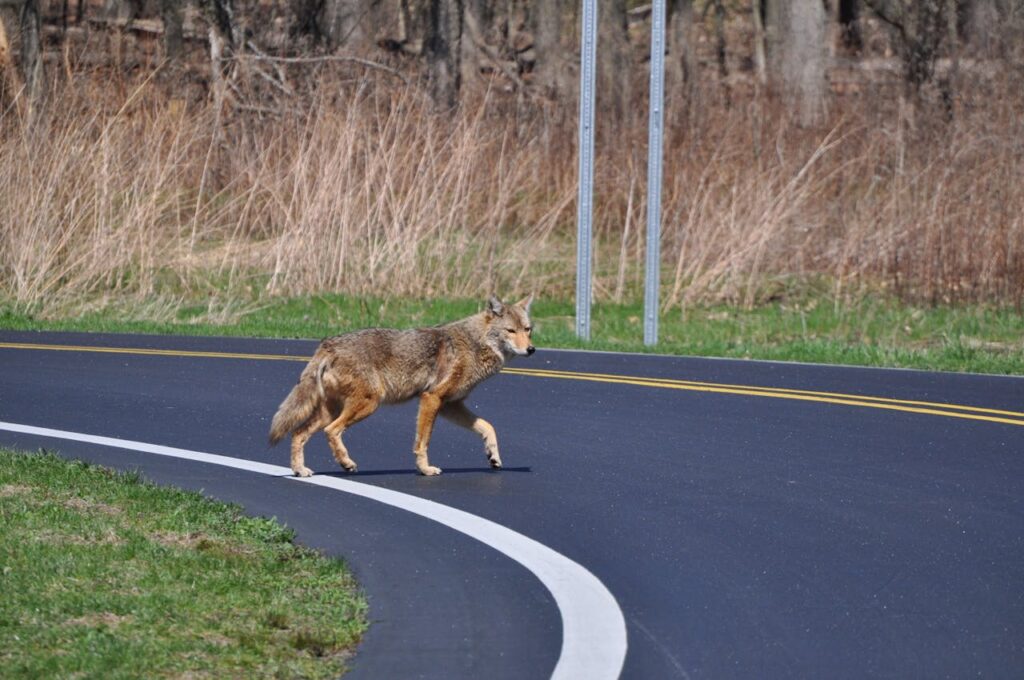
Coyotes do not recognize property boundaries, so a coordinated neighborhood effort is far more effective than individual action. Talk to your neighbors about what you are doing, and encourage them to follow similar practices. If one household continues leaving food outside or fails to secure garbage, it will undermine everyone’s efforts.
Neighborhood groups or homeowner associations can share reminders, provide educational materials, and even organize community clean-up days to remove attractants. When everyone participates, coyotes quickly learn that the entire area is inhospitable.
Record and Report Problem Coyotes
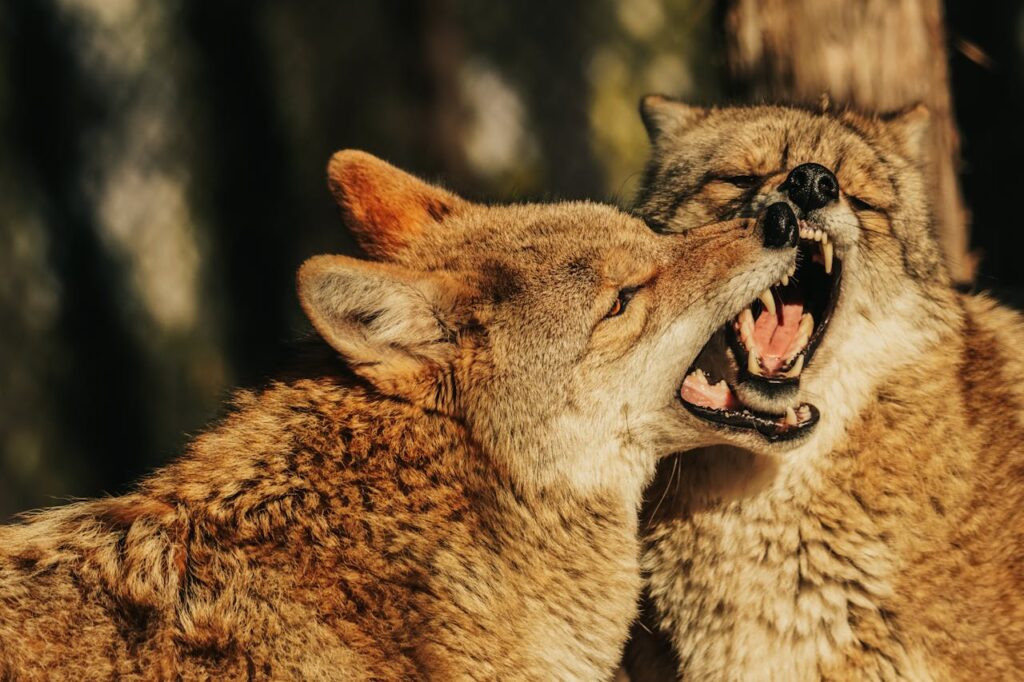
If coyotes repeatedly visit your garden or behave aggressively, begin documenting their activity. Keep a record of sightings, noting the date, time, and any specific behaviors you observe. This information helps local wildlife control officers determine whether the situation requires intervention.
In some cases, coyotes may become unusually bold, approaching people or attacking pets. If that happens, contact local animal control or wildlife services immediately. Professionals can assess the risk and decide if removal or targeted deterrence is necessary. Attempting to trap or relocate a coyote yourself is unsafe and often illegal.
Maintain Vigilance Over Time
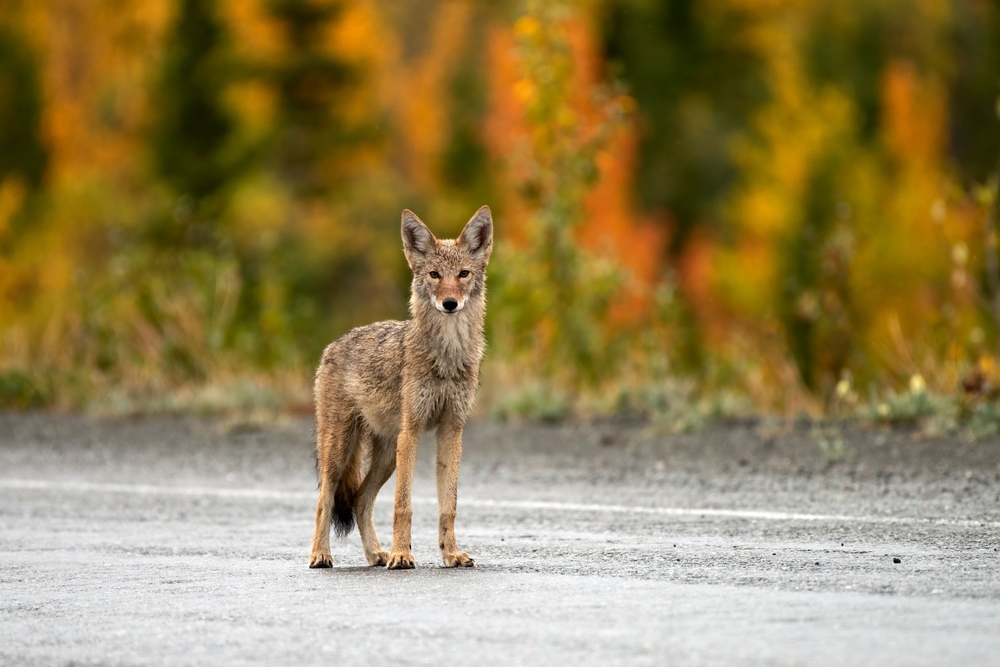
Coyotes are persistent, and even if you succeed in driving them away, they may return weeks or months later to test boundaries. Maintain your deterrents consistently. Inspect fences regularly, replace worn materials, and ensure that motion lights or sprinklers remain functional. Continue occasional hazing even after coyotes stop appearing to remind them that the area is still defended.
If your garden provides an ongoing food source for rodents or small wildlife, it may still indirectly attract coyotes. Keep your yard tidy, use pest control when necessary, and remain observant of animal activity. Long-term diligence is the key to lasting success.
What You Should Not Do: Mistakes to Avoid
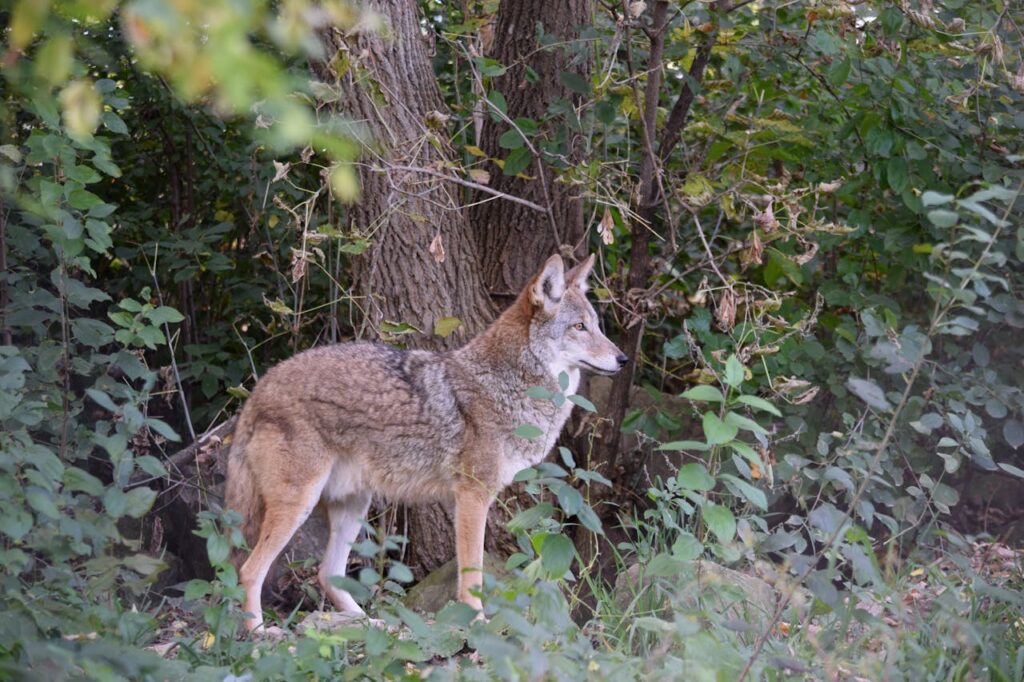
While proactive measures are essential, certain actions can make the situation far worse and even invite the very behavior you are trying to prevent. Many homeowners react out of fear or frustration when they see a coyote in their garden, but impulsive or aggressive responses often backfire. Coyotes are intelligent animals that learn from human behavior, so every action you take teaches them something about how to interact with your property. If you accidentally reward their curiosity or make them feel cornered, you could create a long-term problem instead of solving one.
Do Not Feed Coyotes
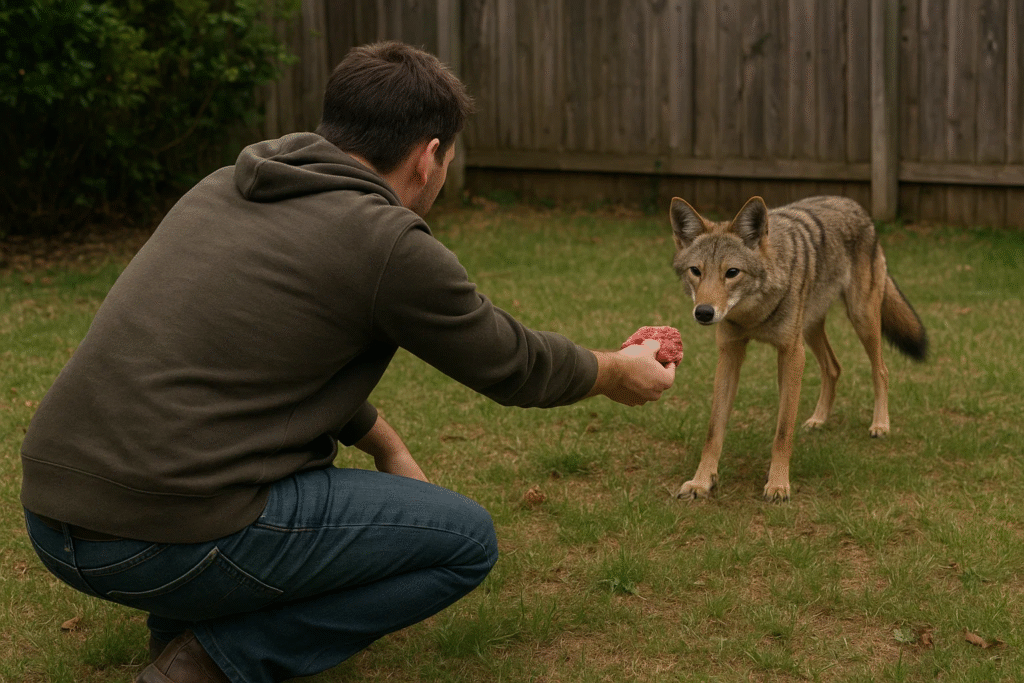
Image created with AI for illustrative purposes
Feeding coyotes, intentionally or accidentally, is one of the most common causes of conflict. Once they learn that humans provide food, their fear diminishes, and they become bolder in seeking it out. Never feed coyotes directly, and do not leave scraps or leftovers where they can scavenge. Avoid feeding other wildlife near your home as well, because spilled food or gathering animals may draw coyotes. Feeding wild animals disrupts their natural behavior and can create dangerous dependencies.
Do Not Attempt to Trap, Poison, or Harm Them

Using poisons or traps is dangerous, often illegal, and highly ineffective. Poisons can harm pets, children, and other wildlife. Traps, even if intended for coyotes, may catch non-target animals or cause suffering without solving the issue. Killing or relocating coyotes rarely works in the long term. When one animal is removed, others quickly fill the vacant territory, and the underlying attractants remain. Humane deterrence and prevention are the only sustainable methods.
Do Not Corner or Approach Coyotes

Image created with AI for illustrative purposes
Coyotes are wild animals and must be treated as such. Never corner or try to approach one, even if it seems calm or curious. Cornered animals may feel threatened and act defensively. Keep a safe distance, and use hazing techniques from afar. Never attempt to pet, capture, or physically confront a coyote, no matter how tame it appears. These animals remain unpredictable and potentially dangerous.
Do Not Ignore Bold Behavior
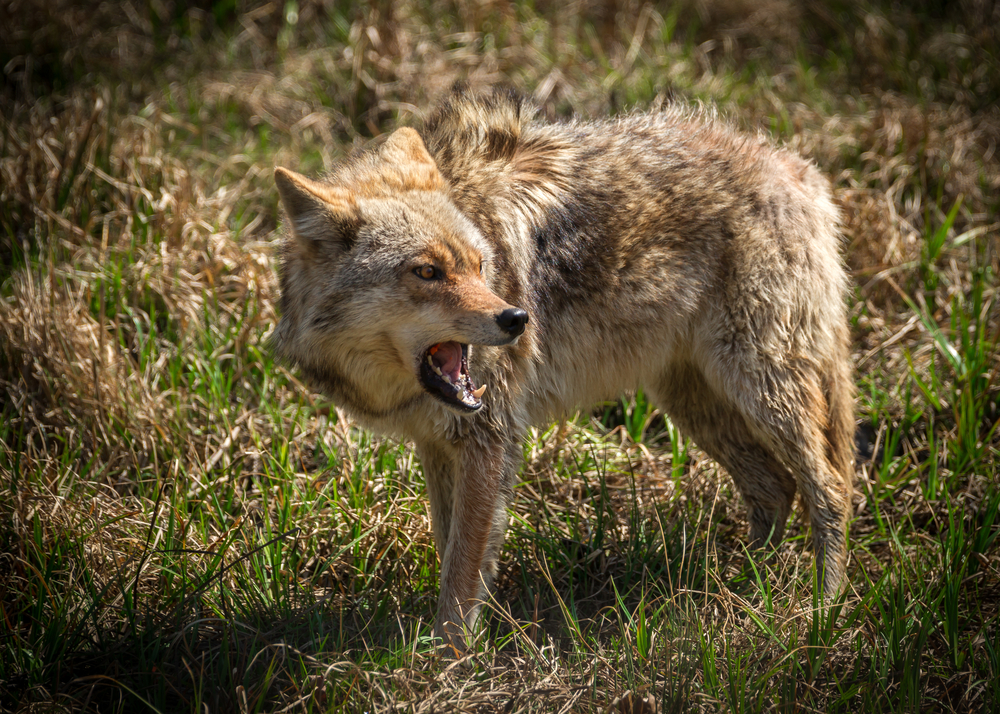
If a coyote repeatedly appears during the day, stares at you without retreating, or shows little fear, this indicates habituation. Do not ignore this warning sign. The longer you allow this behavior, the more confident the animal becomes. Immediate hazing and removal of attractants are essential to break the pattern. If aggressive behavior persists, professional wildlife officers should handle the situation.
Do Not Rely on a Single Deterrent

Coyotes quickly adapt to predictable patterns. If you use only one type of deterrent, such as sound or scent, they may soon realize it poses no real threat. Combine multiple strategies instead. Strong fencing, motion lights, and hazing together are much more effective than any single measure. Change your approach occasionally to keep the animals guessing and discourage them from testing your defenses.
Do Not Panic or Overreact

While coyote sightings can be unsettling, panicking or using extreme measures is unnecessary and often counterproductive. Coyotes have an important ecological role in controlling rodents and other pests. The goal is not total elimination but coexistence through boundaries and respect. With consistent management, most coyotes will move on without causing harm.
When to Call for Professional Help

In rare cases, a coyote may become aggressive, sick, or show signs of rabies such as disorientation or unprovoked attacks. If you suspect illness or danger, contact local animal control or wildlife authorities immediately. Do not attempt to deal with a potentially diseased animal yourself. Trained professionals have the equipment and expertise to handle it safely.
If your efforts to deter coyotes fail after several weeks of consistent prevention and hazing, professional assistance might also be necessary. Wildlife experts can identify weak points in your property and implement stronger deterrents or humane removal if legally permitted.
The Importance of Coexistence

Coyotes are here to stay. As their territories overlap with human spaces, coexistence becomes the only sustainable path forward. By maintaining clean, secure environments and respecting their role in nature, people can live alongside these animals with minimal conflict. Coyotes help control populations of rodents and small pests that might otherwise damage gardens. Recognizing their ecological value allows for a balanced approach that protects both humans and wildlife.
Coexistence requires education and awareness. When communities understand why coyotes behave the way they do, fear decreases, and management improves. Children should be taught never to approach wild animals, and adults should model calm, confident responses during sightings.
The Key Steps Are Simple Yet Powerful
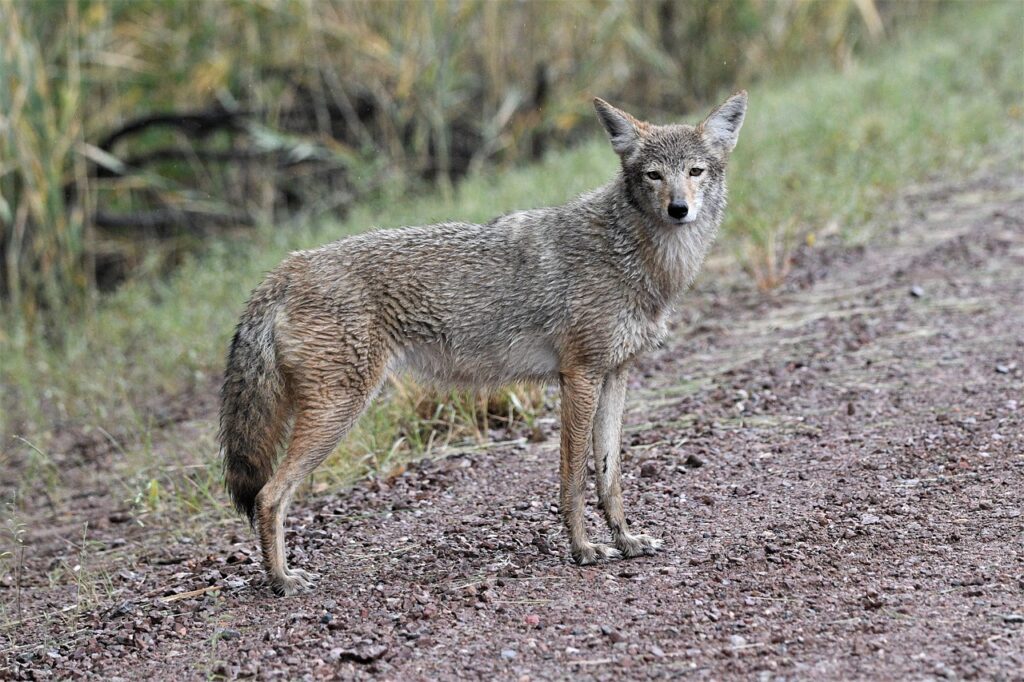
A coyote problem in your garden can be unsettling, but it is entirely manageable with the right approach. Eliminate anything that might attract them, secure your space with fencing and lights, use humane hazing to reinforce boundaries, and protect your pets. At the same time, avoid feeding, trapping, or harming coyotes, and never allow them to lose their fear of humans. Consistent action, community cooperation, and awareness ensure that your garden remains a safe and peaceful space.
The Bottom Line
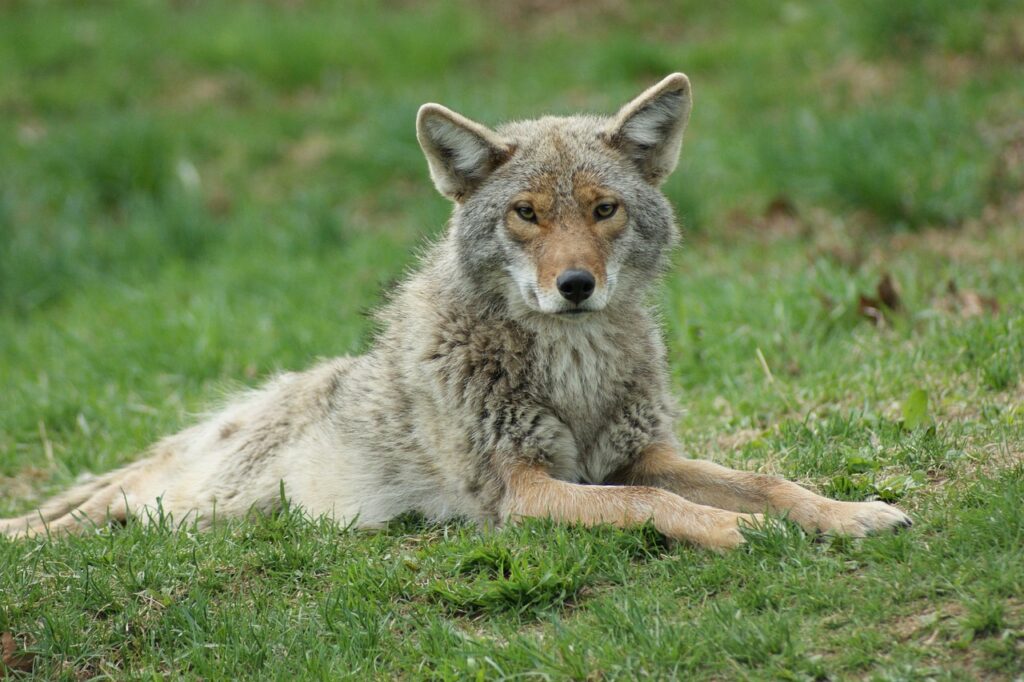
Coyotes are survivors that adapt to nearly any environment, but they also respect clear boundaries when those boundaries are enforced. By acting responsibly and thoughtfully, you not only solve your immediate garden problem but also contribute to a broader balance between humans and nature. With patience and vigilance, both you and the local wildlife can coexist without conflict.
Read More: You Could Land Up in Trouble if You Remove These 7 Creatures From Your Garden or Home
Disclaimer: This article was created with AI assistance and edited by a human for accuracy and clarity.