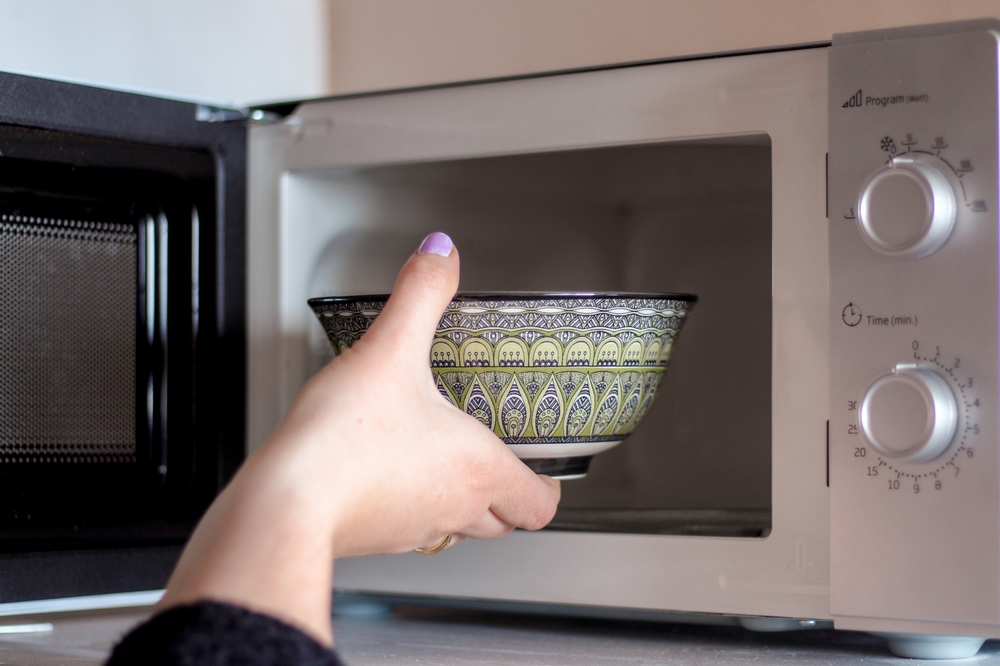

Reheating leftovers can seem harmless, but not all foods respond well to heat a second time. Some ingredients develop harmful compounds or bacteria when reheated improperly. Understanding which foods to avoid reheating can help prevent foodborne illness and nutrient loss. Here are eight foods that can become toxic or unsafe when heated again.
1. Chicken
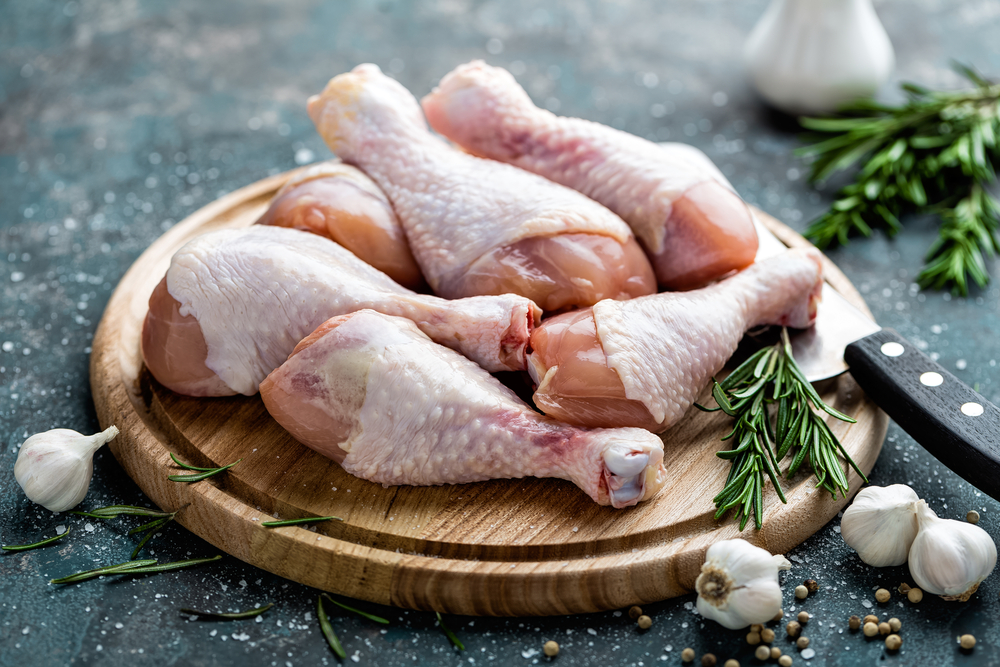
Chicken is a high-protein food that changes structure when reheated. When exposed to heat again, the protein molecules can break down and rearrange in ways that make them more difficult for the body to digest. If chicken is not reheated evenly, harmful bacteria such as Salmonella or Campylobacter can survive inside.
These bacteria thrive in moist environments. Especially when the chicken has not been heated to a safe internal temperature of at least 75°C. Microwaves often heat food unevenly, which can make reheated chicken particularly risky. To stay safe, chicken should be reheated slowly on the stove or in the oven, ensuring that it is hot throughout with no cold or pink areas remaining.
2. Rice
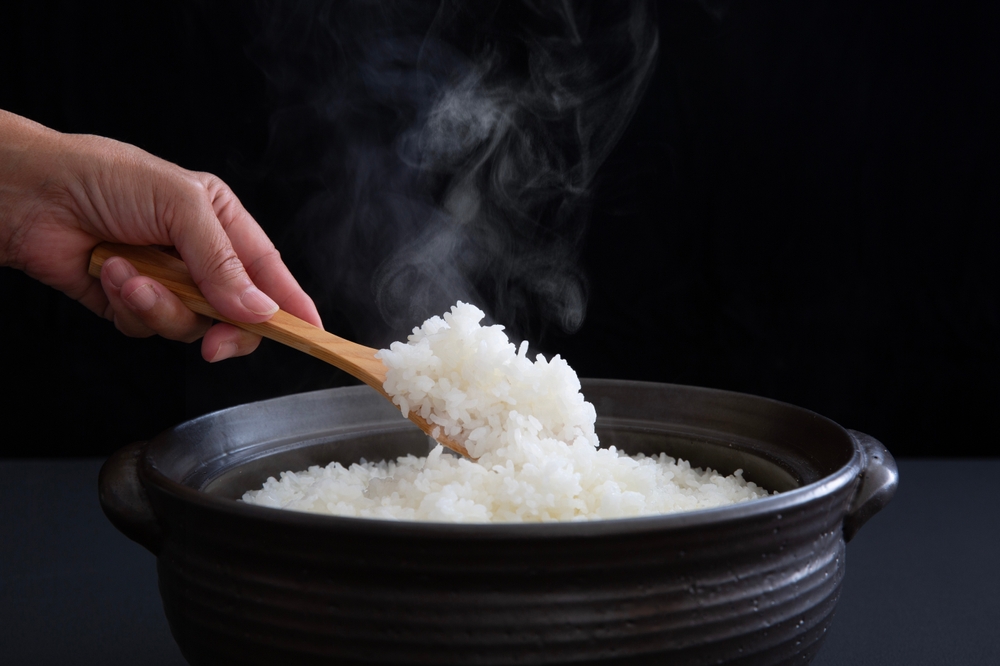
Rice is a staple in many homes, but it is one of the most common sources of foodborne illness when reheated incorrectly. This is because cooked rice can contain Bacillus cereus spores, which survive the initial cooking process. When the rice cools at room temperature, these spores can multiply and release toxins that are heat-resistant.
Reheating rice does not eliminate these toxins, meaning the dish can make people sick even after it is hot again. To prevent this, rice should be cooled quickly after cooking, stored in the refrigerator within one hour, and reheated only once. It should also be steaming hot before serving, not just warm.
3. Potatoes
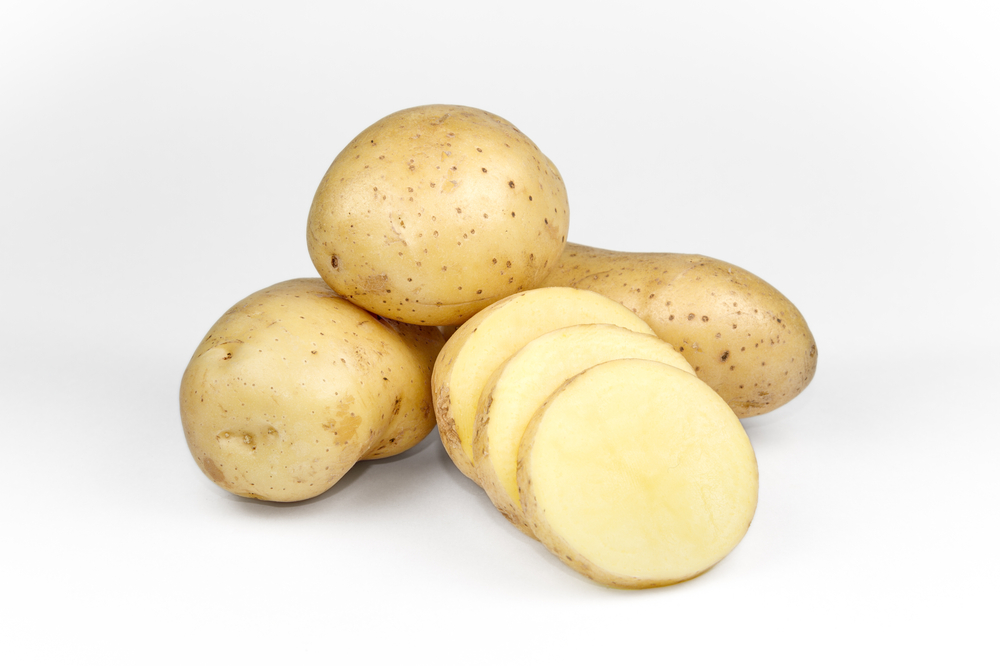
Once cooked potatoes cool at room temperature, they can attract Clostridium botulinum, the bacterium responsible for botulism. This toxin is extremely dangerous and cannot be removed by reheating.The risk increases if the potatoes were wrapped in foil because the airtight environment helps bacteria grow.
When reheating potatoes, they should always be stored uncovered in the refrigerator and reheated to a very high temperature. The safest practice is to refrigerate cooked potatoes promptly and consume them within a day or two to avoid bacterial buildup.
4. Spinach
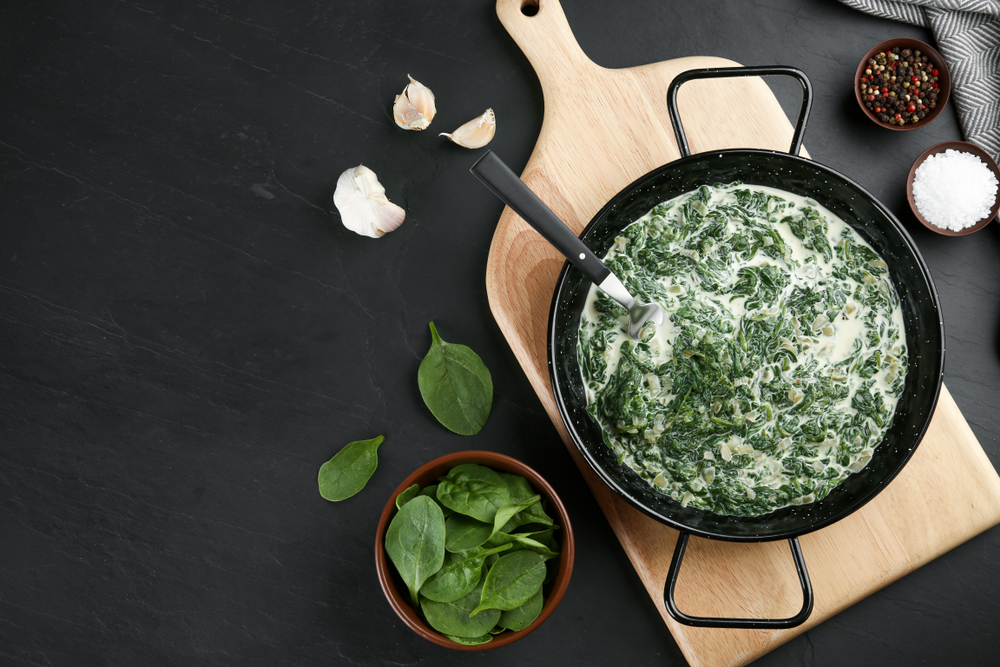
Spinach contains large amounts of nitrates, which are beneficial in raw form but can become problematic when exposed to high heat. When spinach is reheated, these nitrates can convert into nitrites and eventually into nitrosamines, compounds that are linked to health concerns such as reduced oxygen flow in the blood and, in large quantities, possible carcinogenic effects.
The risk is particularly concerning for infants and pregnant women. It is better to cook spinach once and eat it fresh or cold in salads or sandwiches rather than reheating it. If spinach must be stored, it should be kept refrigerated in airtight containers and consumed within 24 hours for safety and nutrient retention.
5. Eggs
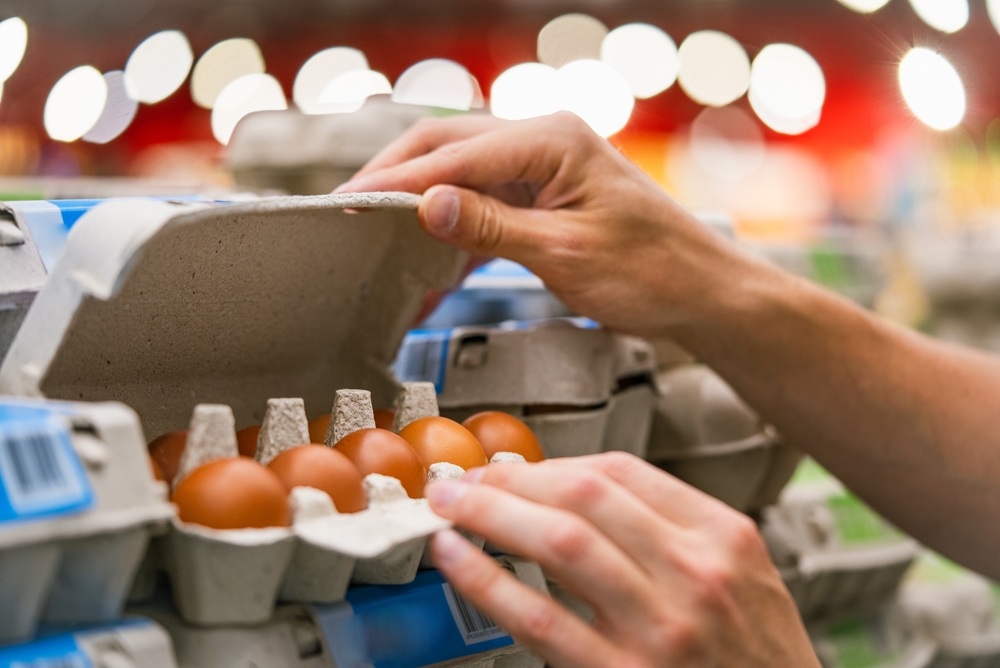
Eggs are one of the most temperature-sensitive foods, and reheating them can cause more than just a change in texture. When cooked eggs are reheated, the protein and fat molecules undergo oxidation, which can affect the flavor and potentially release harmful compounds. Boiled or scrambled eggs become rubbery and lose their natural nutrients, while reheating fried eggs can introduce bacteria if they were not cooled properly.
The safest approach is to cook only the number of eggs needed and avoid saving leftovers. If eggs must be reheated, they should be brought to a uniform temperature and never microwaved, since uneven heating increases the risk of bacterial contamination.
6. Mushrooms
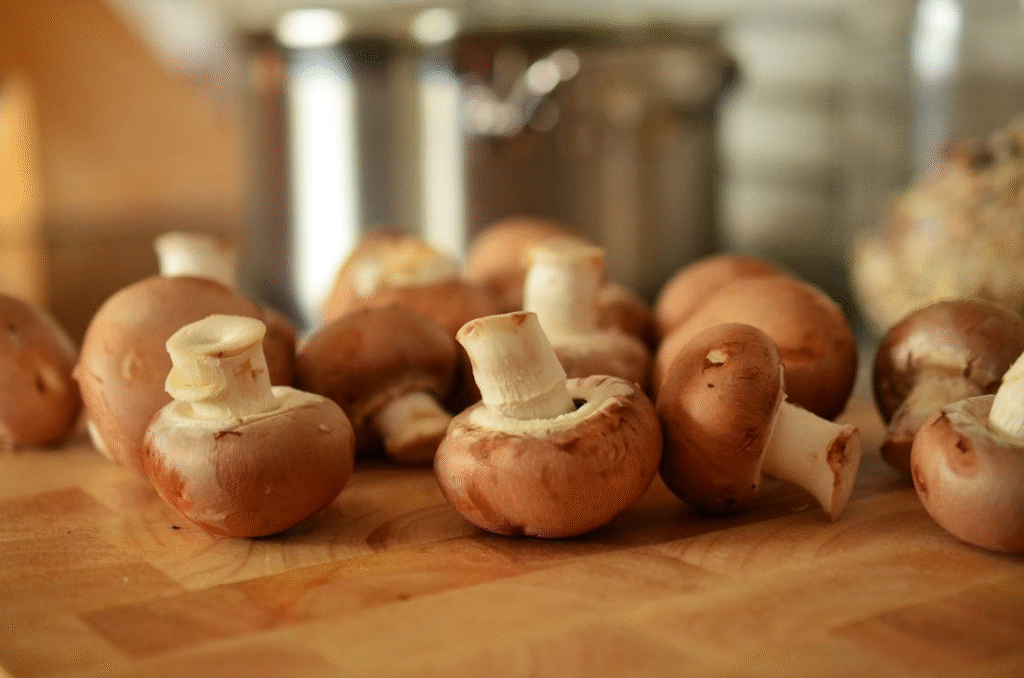
Mushrooms are made up of complex proteins and amino acids that begin to change once cooked. When reheated, these compounds can alter in structure, leading to digestive discomfort and reduced nutritional value. Because mushrooms are low in water but high in enzymes, they deteriorate quickly if stored incorrectly. Bacteria can multiply rapidly if cooked mushrooms are left out at room temperature for too long.
The safest way to enjoy them is to refrigerate leftovers within two hours of cooking and consume them cold or at room temperature. If reheating is necessary, it should be done only once and over low heat to prevent protein breakdown and spoilage.
7. Beets
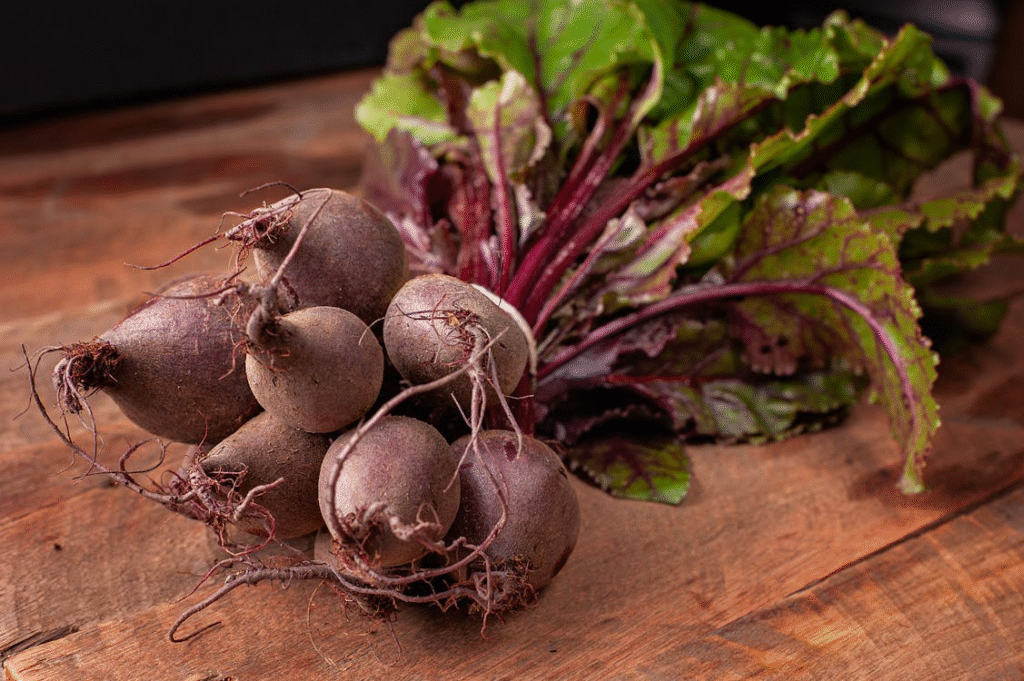
Beets naturally contain nitrates, which the body can convert into beneficial nitric oxide that supports healthy blood flow. However, when beets are cooked and then reheated several times, some of these nitrates can change form and react with other compounds in the food, creating small amounts of nitrites and, under certain conditions, nitrosamines. These byproducts are not typically dangerous in small quantities, but repeated reheating may increase their levels. In addition, reheating beets diminishes their flavor and reduces heat-sensitive antioxidants like betalains, the pigments that give them their deep red color.
To keep their nutritional integrity, cooked beets should be refrigerated immediately after cooling and eaten cold in salads, juices, or blended dishes. Avoid repeatedly heating them, as this increases the chance of chemical transformation that can reduce their health benefits.
8. Celery
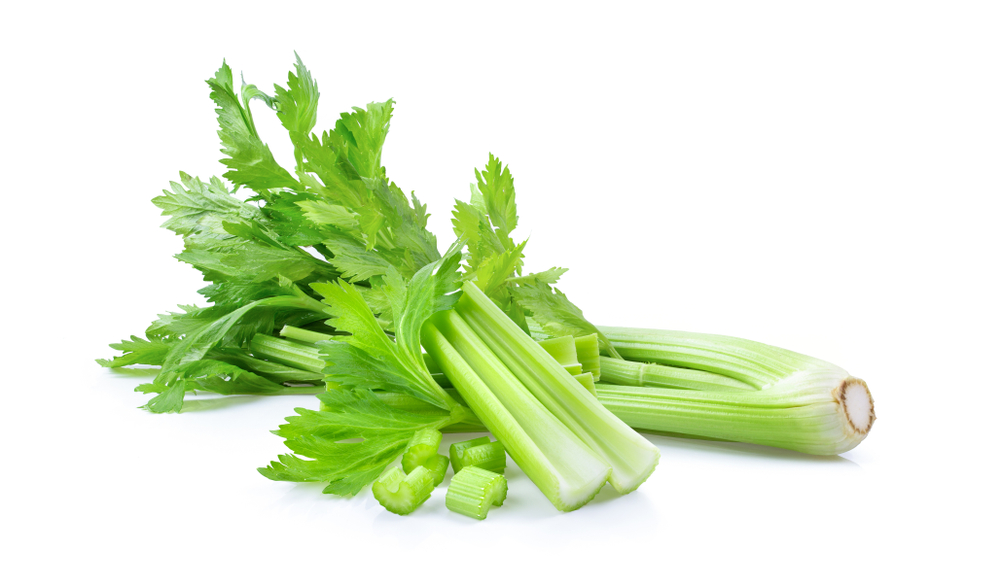
Celery is often included in soups and stews for its flavor and crunch, but it is another nitrate-rich food that can turn harmful when reheated. When celery is exposed to heat a second time, those nitrates can convert to nitrites, especially if the food has been sitting in the fridge for several days. This transformation can be risky for children and individuals with certain blood onditions.
If you plan to store soup containing celery, remove the celery before reheating and add fresh pieces afterward to retain both taste and safety. Storing it separately also preserves the texture and prevents the soup from becoming overly mushy.
Leftovers Can Be Convenient
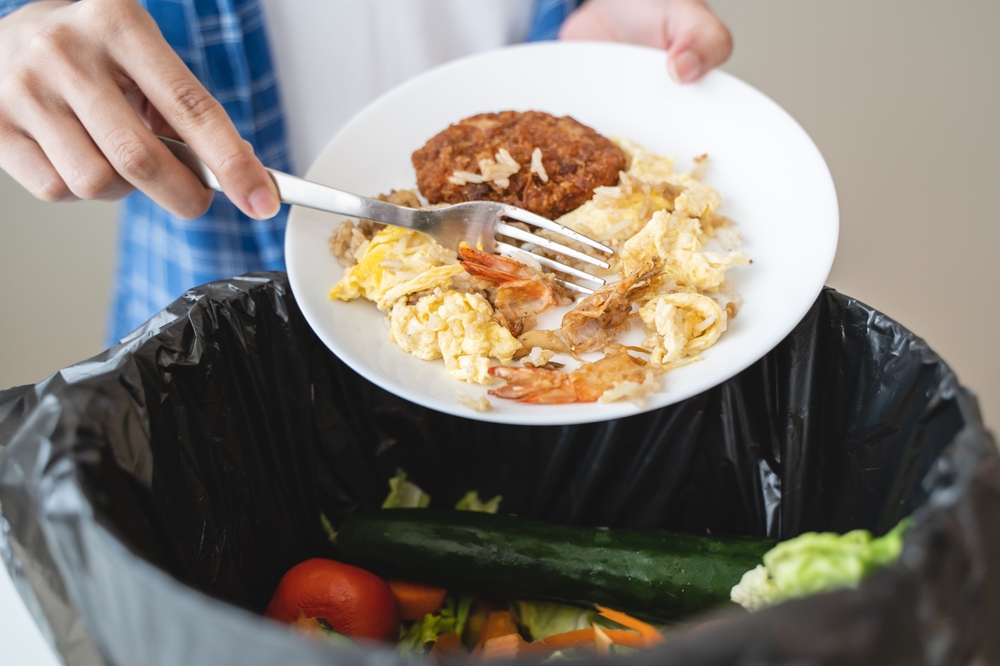
Leftovers can be convenient, but food safety depends on how items are stored and reheated. Some foods lose their structure or develop toxins when exposed to heat again. By learning which foods are safe to reheat and which should be eaten cold or freshly prepared, individuals can reduce the risk of foodborne illness and preserve the natural nutrients in their meals.
Read More: 9 Foods You Should Never Defrost on the Counter
Disclaimer: This article was created with AI assistance and edited by a human for accuracy and clarity.