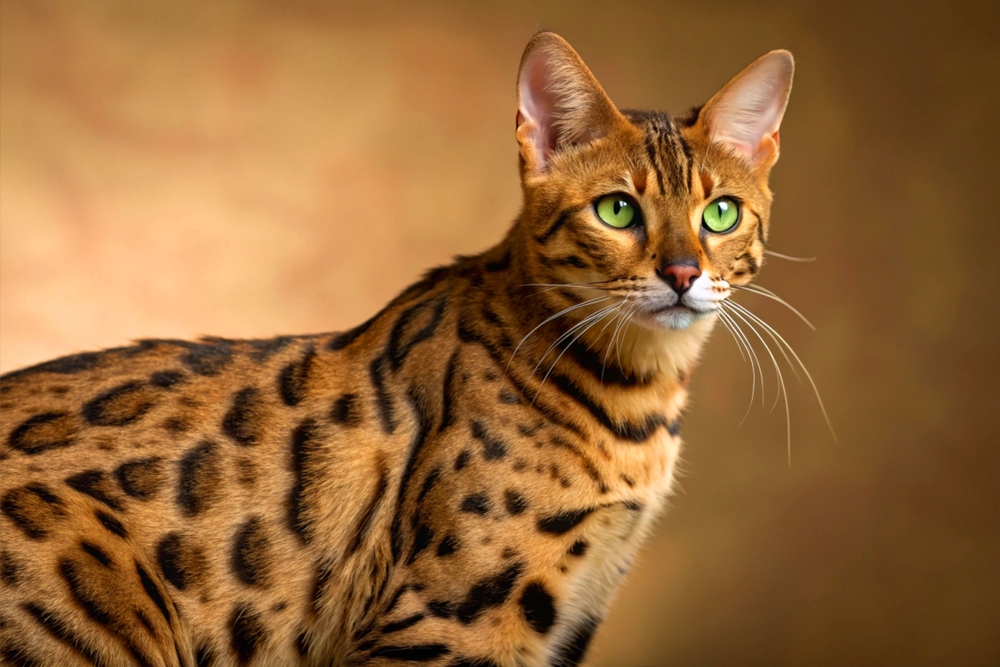

Owning a Bengal cat might sound exotic, but this breed is far from easy to manage. Known for their wild ancestry and striking leopard-like coats, Bengals require more care, attention, and energy than most cat owners expect. While they are beautiful and intelligent, they are also demanding companions that can quickly overwhelm an unprepared household. Here are ten reasons why owning a Bengal cat might not be as glamorous as it seems.
Extremely High Energy
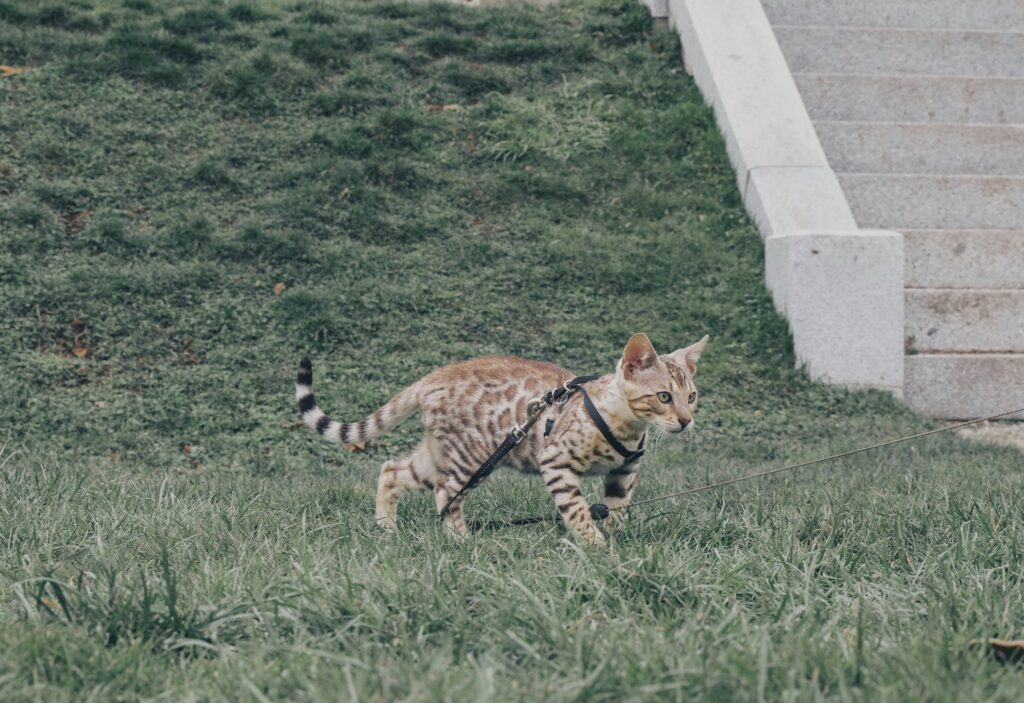
Bengal cats are descended from the Asian leopard cat, which gives them a natural instinct for activity and exploration. They are constantly on the move, needing physical and mental stimulation almost all day. Without enough exercise or enrichment, they can become destructive or anxious. Unlike typical domestic cats, Bengals are rarely content to nap all day. They need interactive play sessions and challenging toys to stay balanced.
Destructive Behavior
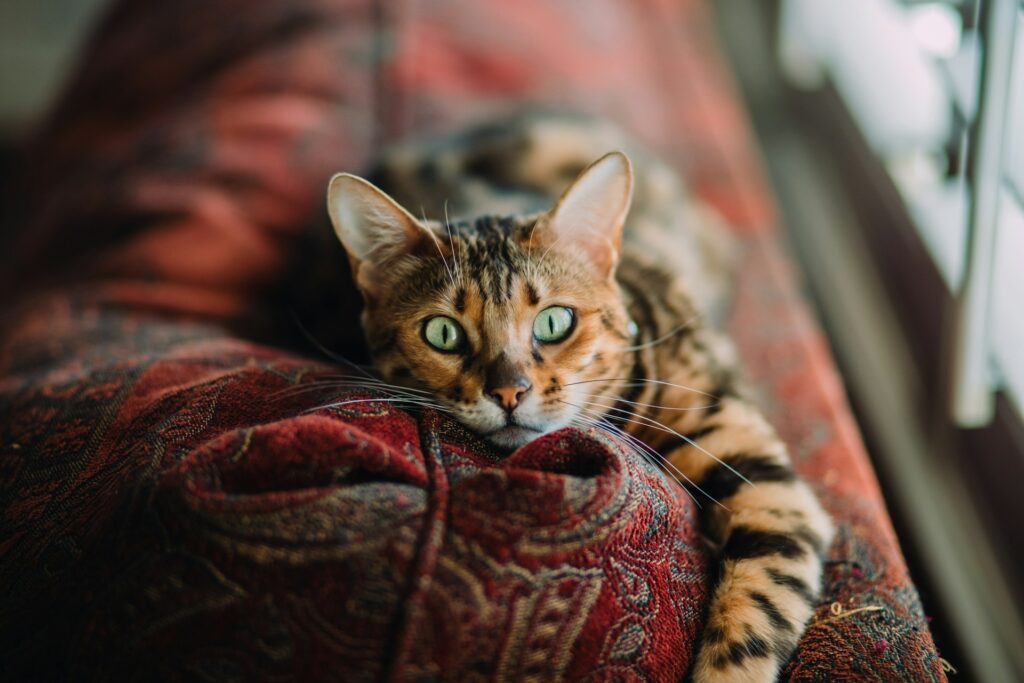
When bored, a Bengal cat can turn into a household wrecking crew. They are known to shred curtains, knock over plants, and chew cables. Their intelligence and curiosity often lead them into trouble. Owners who underestimate their energy level usually find their furniture, decor, and patience tested. Even scratching posts and toys may not be enough if they are left alone too long.
Constant Vocalization
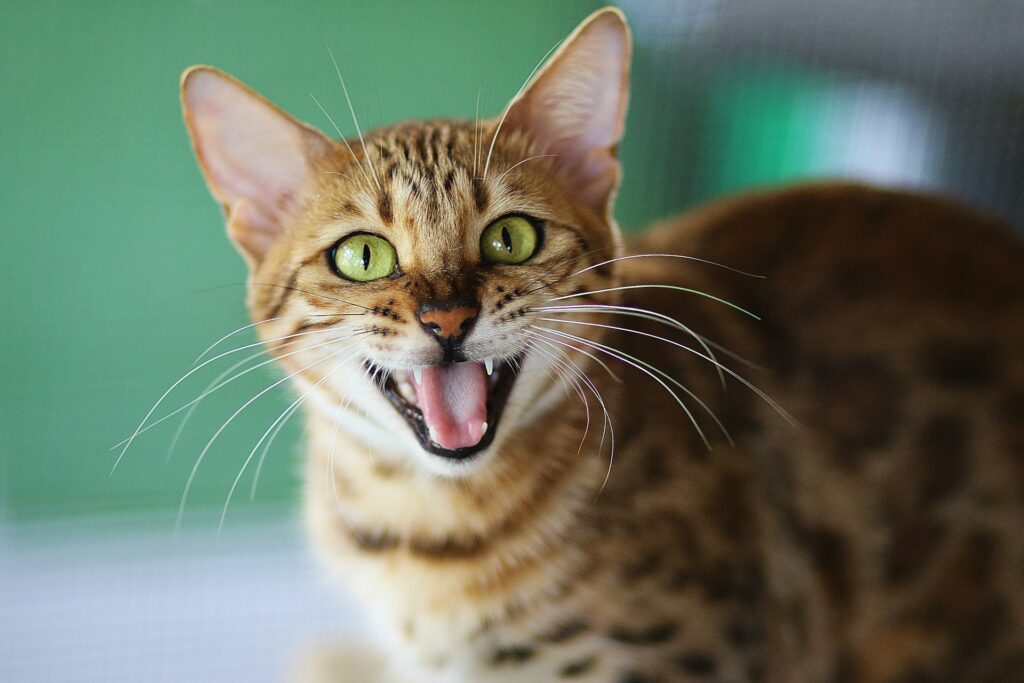
Bengals are very talkative. They use a wide range of sounds, from chirps to loud yowls, to get attention. While some owners enjoy this communication, others find it exhausting. A Bengal will not hesitate to let you know when it is bored, hungry, or displeased. Their constant chatter can be disruptive, especially in small homes or apartments where noise carries easily.
Not a Lap Cat
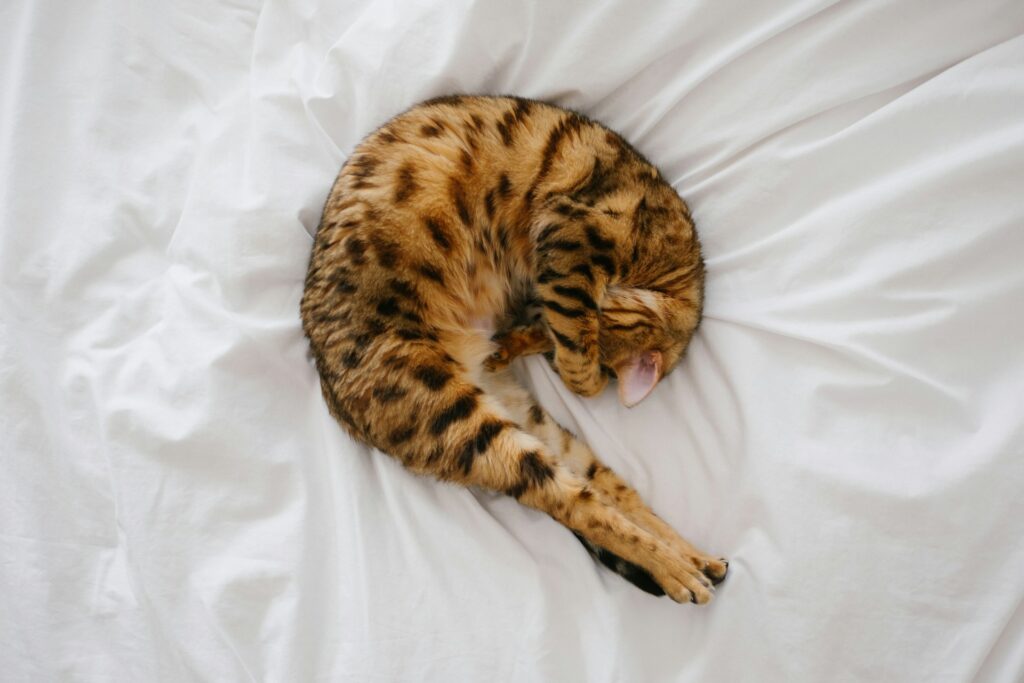
Unlike many domestic breeds, Bengal cats are not naturally cuddly or calm. They prefer interaction through play and exploration rather than long periods of sitting still. While some can become affectionate over time, many remain independent and prefer their own space. Those looking for a gentle companion to snuggle with might be disappointed.
High Maintenance Diet
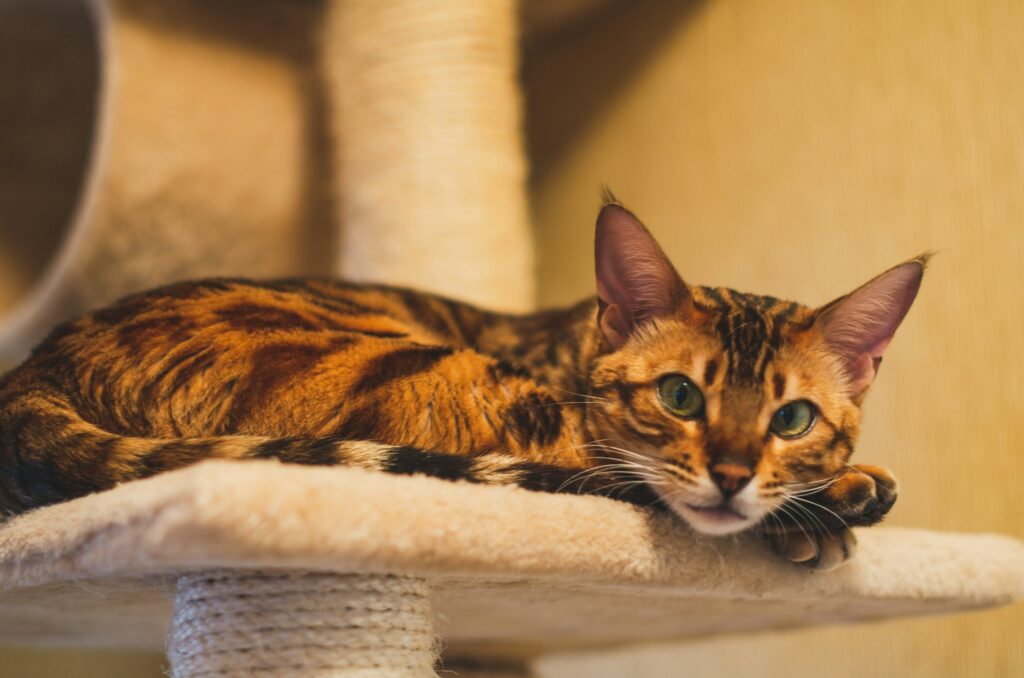
Bengals often have sensitive stomachs and require high-quality, protein-rich diets that mimic what wild cats eat. Cheap cat food with fillers or grains can cause digestive issues or dull their distinctive coat. This means owners must invest in premium food and monitor their pet’s diet closely. Maintaining their health and shine can become a costly routine.
Territorial and Dominant Behavior
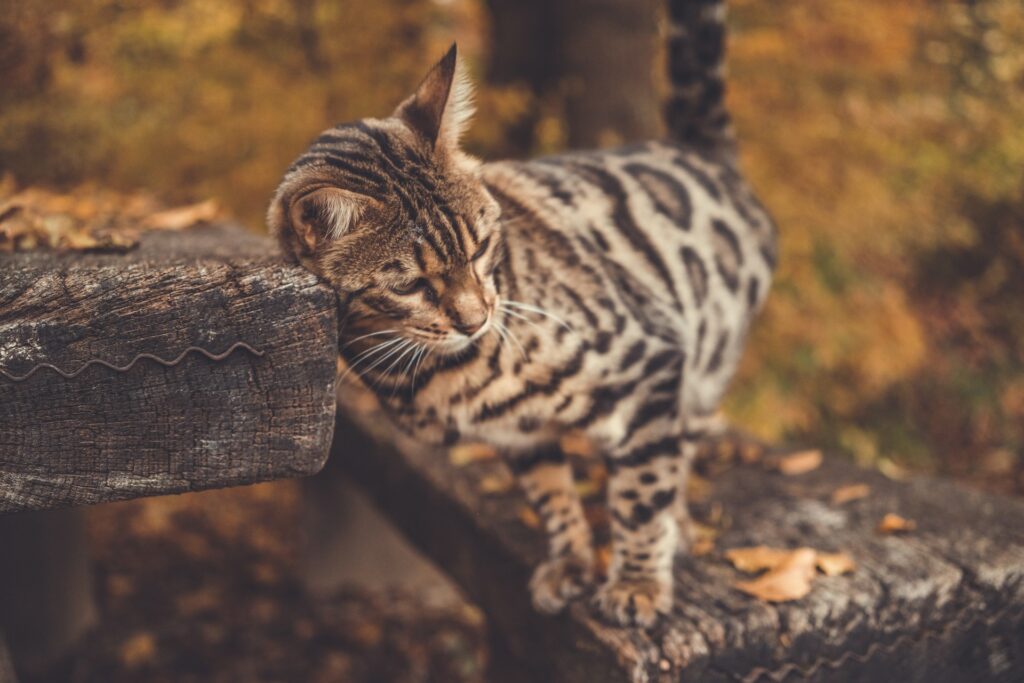
Bengals can be very territorial, especially with other pets. Their dominant nature sometimes leads to aggressive behavior when they feel challenged or threatened. They may mark their space by spraying or guarding their favorite areas. Introducing a Bengal into a multi-pet household often requires careful supervision and gradual adjustment.
Difficulty Adapting to Small Spaces
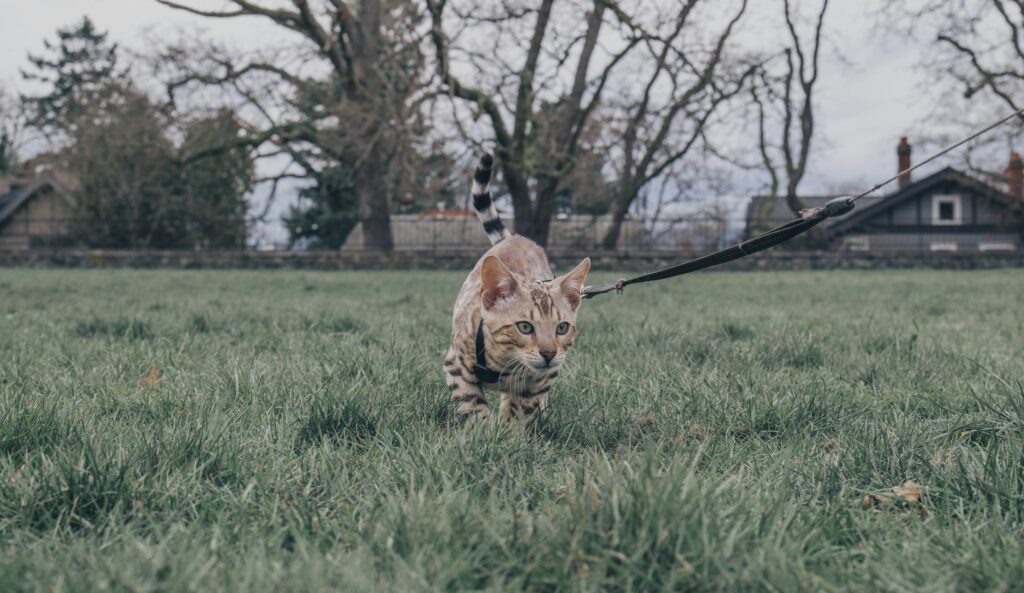
Because Bengals have a strong urge to roam and climb, they do not adapt well to confined environments. Apartment living can frustrate them, leading to behavioral issues. They thrive best in homes with space to explore, access to climbing structures, and time outdoors in a secure environment. Without room to burn off energy, they can become restless and destructive.
Expensive to Own

The cost of buying a Bengal cat is already high, but the expenses do not stop there. Their specialized diet, frequent vet visits, and need for enrichment add up quickly. Bengals can also develop breed-specific health conditions such as heart disease or digestive sensitivities that require extra medical care. For most owners, they are one of the most expensive cat breeds to maintain.
Strong Hunting Instincts
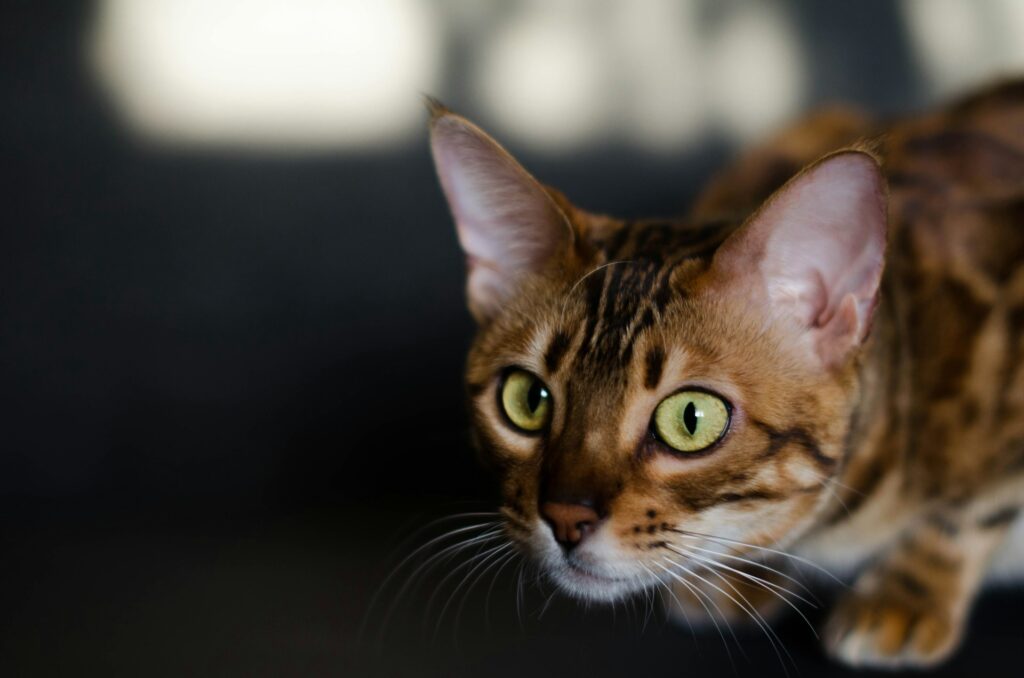
Bengals have an intense prey drive inherited from their wild ancestors. They will chase and catch anything that moves, from insects to small pets. This can create problems in homes with birds, rodents, or even fish. Keeping them entertained often requires safe outlets for their hunting instincts, like puzzle feeders or supervised outdoor play.
Not Ideal for Beginners
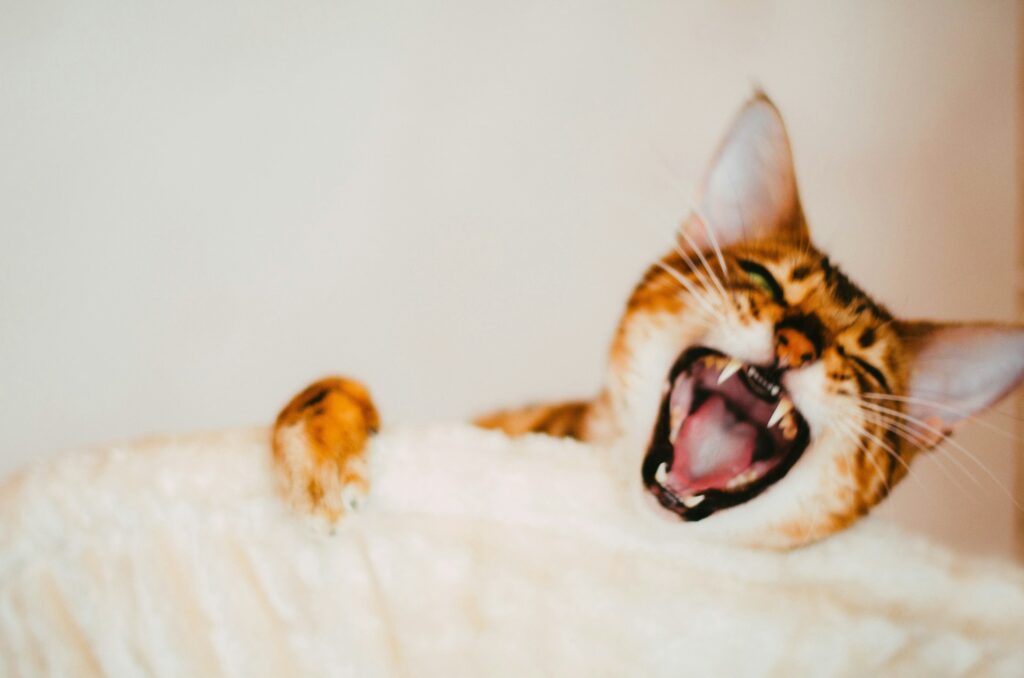
Bengal cats are best suited for experienced cat owners who understand feline behavior. They require patience, consistency, and structured training. First-time cat owners often find themselves overwhelmed by their energy level, vocal nature, and need for attention. Without the right experience, it is easy to misinterpret their behavior or fail to meet their needs.
Far And Beyond Administration
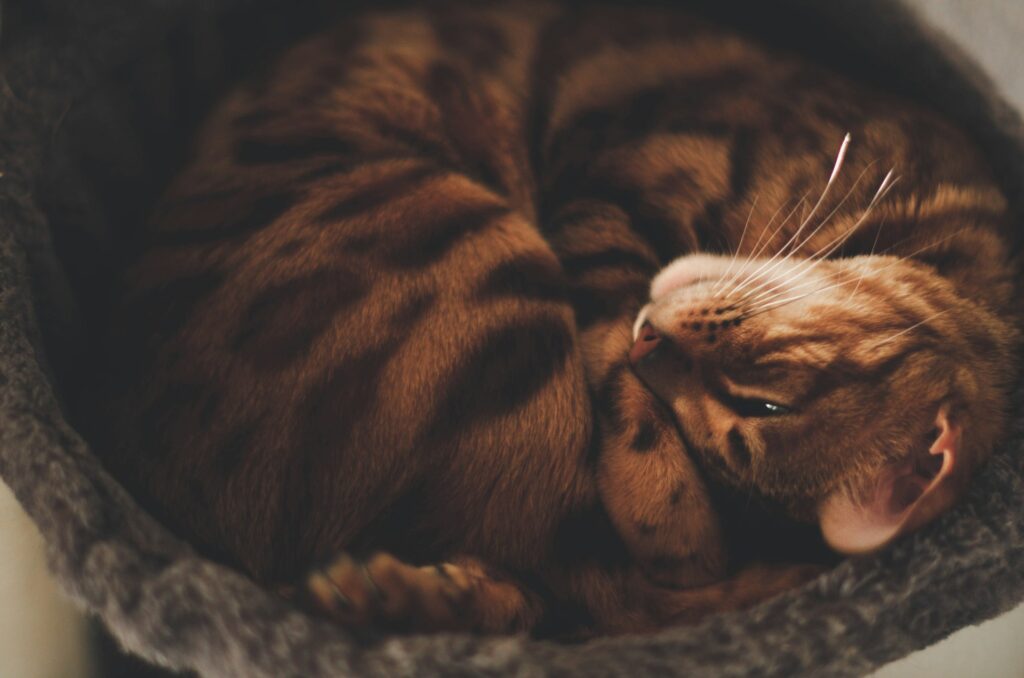
Owning a Bengal cat is a commitment that goes far beyond admiration for their exotic looks. These cats are smart, strong-willed, and full of personality, but they are also demanding, loud, and relentless in their need for attention. They thrive in homes where owners have the time, energy, and resources to meet their unique needs. For anyone seeking a calm, easygoing pet, a Bengal is not the right match. Their beauty can easily win hearts, but their wild spirit often proves too much for the average household. Understanding this before bringing one home can prevent frustration and ensure that both the cat and its owner live happy, balanced lives.
Read More: Nobody Wanted These 2 Blind Cats – Watch Them Thrive In Their Happy Home
Disclaimer: This article was created with AI assistance and edited by a human for accuracy and clarity.