

The argument for the 1990s being the single greatest decade doesn’t rest on one thing. It rests on everything happening at the same time. The economy was doing things it hadn’t done in generations. The music was genuinely plural in a way no decade before or since quite managed. Television was inventing itself. The internet was arriving with all the excitement and none of the dread. And the crime rate was falling in a direction nobody had predicted. You could have been forgiven, sitting on a couch in 1997, for thinking civilization had genuinely figured something out.
90s nostalgia is now so pervasive that it shapes what brands sell, what Gen Z wears, and what dominates streaming queues. According to a 2026 nostalgia marketing report, TikTok nostalgia hashtags surged 130% year over year, with #nostalgia, #throwback, and #vintage doubling in total views between 2024 and 2026. Something about that decade won’t let go – and it isn’t just sentiment. The facts back it up.
So here’s the case. Thirty reasons, all of them real, all of them specific, none of them soft.
1. The Economy Actually Worked for Ordinary People

The 1990s delivered a decade of economic growth, low unemployment, low inflation, rising household income, and prosperity spread across most income groups. That last part is the one worth sitting with. The average yearly economic growth rate since 2000 has been 2%, but during the 1990s the annual growth rate was 3%, and the jobless rate fell from 7.5% in the early part of the decade to just 4% by the end.
From the first quarter of 1993 through the third quarter of 2000, real GDP grew at an average annual rate of 4.0 percent – 46 percent faster than the average from 1973 to 1993. The federal budget went from a yawning deficit to an actual surplus. That hasn’t happened since.
2. Music Was Genuinely Plural

No decade before or since managed to have grunge, hip-hop, R&B, pop, Britpop, electronic, and country all competing for the same cultural oxygen at the same time, and all of them producing work that people still study and argue about today. The top artists of the 90s explored genres such as grunge, led by bands like Nirvana, and hip-hop with Tupac Shakur and Notorious B.I.G., while pop saw a resurgence with Britney Spears and the Spice Girls, and alternative rock and R&B flourished with Radiohead and Whitney Houston.
The sheer density of it was the point. Garth Brooks was selling more records than almost any solo artist in American history, while Shania Twain’s Come On Over became the best-selling album by a female artist ever. That’s country alone. The rest of the dial was equally chaotic and equally alive.
3. Hip-Hop Became the Dominant Art Form of the Century
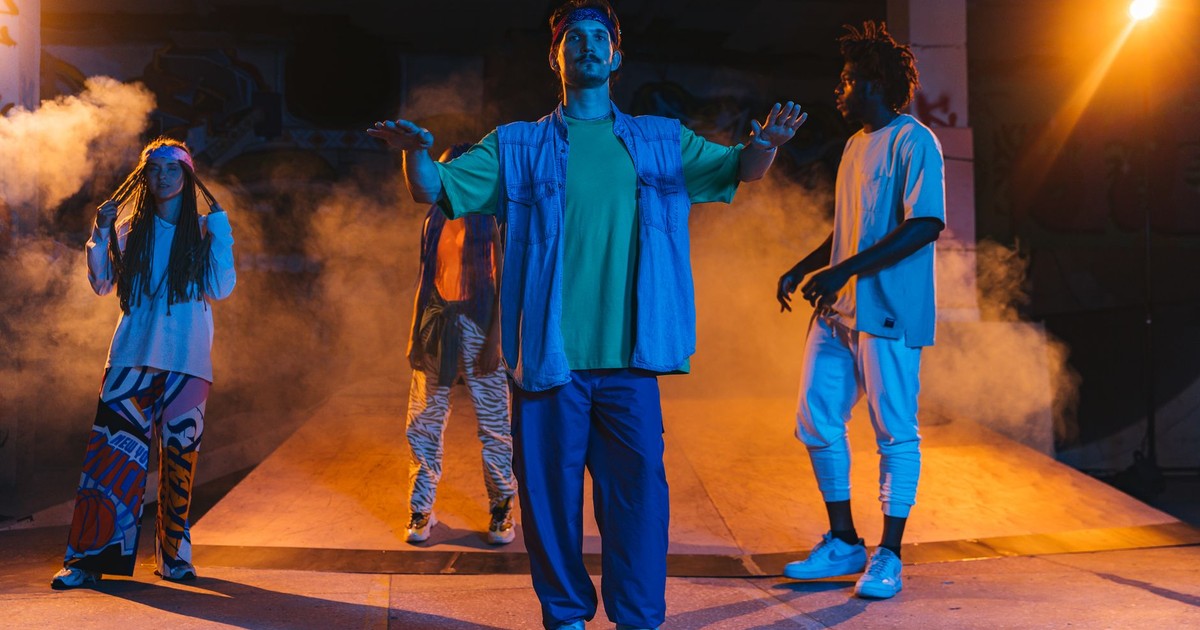
Whatever you think of the East Coast/West Coast rivalry, the music it produced was extraordinary. The 90s were the decade hip-hop became infrastructure rather than just a genre, with Nas, Biggie, Tupac, Dr. Dre, OutKast, Missy Elliott, and Lauryn Hill making records that music professionals still study.
2Pac’s All Eyez on Me ranks as the 6th most successful album of the 90s by equivalent album sales, and it remains the only pre-2000 album with seven songs at 110 million streams or more on Spotify. A record from 1996 still registering those streaming numbers in 2026 says everything about the staying power of what was made during that decade.
4. Grunge Said Something True

Kurt Cobain walked onto a stage in a cardigan and flannel and dismantled the bombast of 1980s rock in about eighteen months. Grunge, led by bands like Nirvana and Pearl Jam, revolutionized rock with its raw sound and introspective lyrics. What made it last wasn’t the volume but the honesty. Songs about feeling alienated from the mainstream, written by people who then became the mainstream – and who were visibly uncomfortable about it.
More than any other album, Nirvana’s Nevermind defined a new sound, breaking into the mainstream with the punk and metal-influenced grunge that spoke to a generation of disaffected youth. The album knocked Michael Jackson off the top of the Billboard 200. That kind of cultural upheaval doesn’t happen accidentally.
5. The Spice Girls Changed What Pop Could Do
Before the Spice Girls, pop groups were mostly passive – pretty faces assembled by someone else and pointed at a demographic. The Spice Girls had a thesis. Girl power, in 1996, was not a vague slogan. It meant something specific about ownership, personality, and refusal to be interchangeable. Pop bands like the Backstreet Boys and Spice Girls became global sensations in the 90s.
The group’s first single, “Wannabe,” reached number one in 37 countries. Their debut album sold more than 23 million copies. No prior all-female group had come close. Whatever one makes of the manufactured nature of their origin, what they built was genuinely their own – and the girls who grew up watching them noticed.
6. Seinfeld Rewrote the Rules of Television Comedy

A show about nothing that turned out to be about everything. Seinfeld ran from 1989 to 1998 and produced nine seasons of comedy built on the most specific, petty, relentlessly observed details of New York urban life. The comedy of manners for people who didn’t believe in manners. No hugging, no learning – the writers’ room’s explicit rule – and yet it lasted. According to the Television Academy, the finale drew 76 million viewers in 1998, making it one of the most-watched episodes in American TV history.
What it did to the form is the real story. It proved a sitcom could have no sympathetic characters, no redemption arcs, no softening of edges, and still dominate an era. Every awkward comedy that followed it owes a debt.
7. Friends Made Adulthood Look Survivable
Friends premiered in 1994 and ran for ten seasons, finishing in 2004. But its gravitational center was the 1990s, when the show was defining the cultural conversation about what it meant to be young and figuring things out. Six people in an oversized apartment in Manhattan, none of them quite where they expected to be. That era meant waiting a week for a new TV episode, sending handwritten notes to friends, and renting movies instead of binge-watching them. The anticipation was part of the experience.
Friends also invented the concept of appointment television for a generation that would later abandon it entirely. The Friends finale in 2004 drew 52.5 million viewers in the US. Even accounting for the population at the time, that number is almost incomprehensible now.
8. The Internet Arrived With Optimism Still Intact
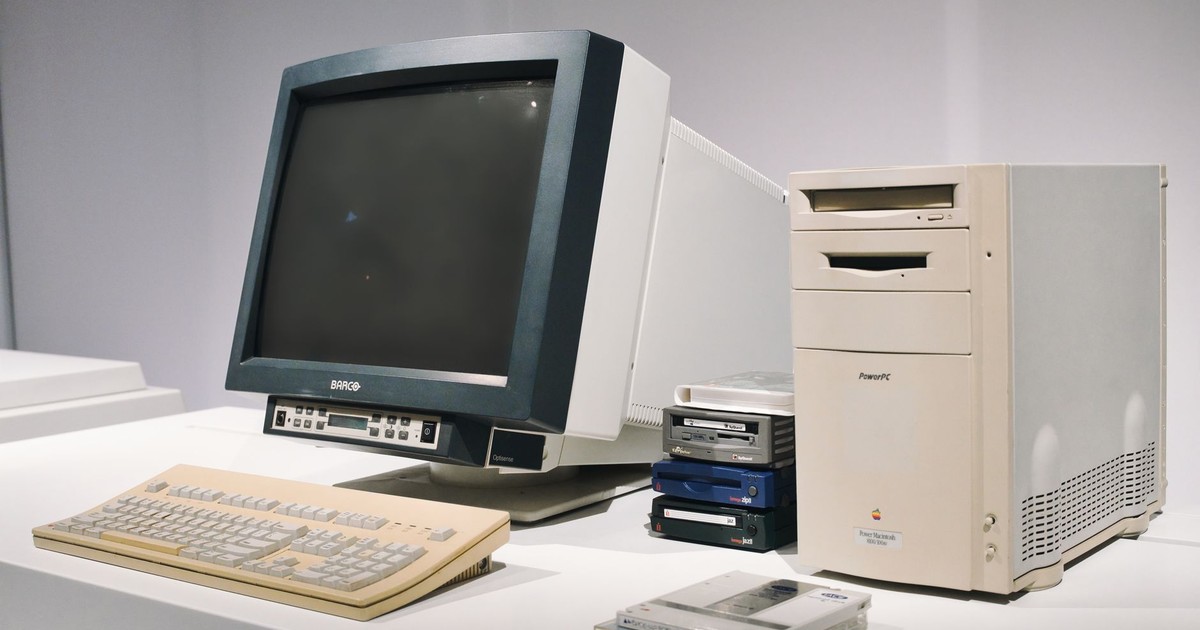
The internet of the 1990s had not yet become what it is now. No social media. No algorithmic anxiety. No comment sections designed to make you despair about the species. You logged on with a dial-up modem, waited through the screeching handshake, and found something genuinely new. It felt like a frontier. Technological innovations such as the internet opened entirely new avenues for job creation – and the sense of possibility attached to that was real and contagious.
In the early 1990s, a number of simultaneous advances in information technology – computer hardware, software, and telecommunications – allowed new technologies to be combined in ways that sharply increased their economic potential. People went online for the first time and the primary feeling was wonder, not dread. That window did not stay open.
9. Saturday Morning Cartoons Were an Institution
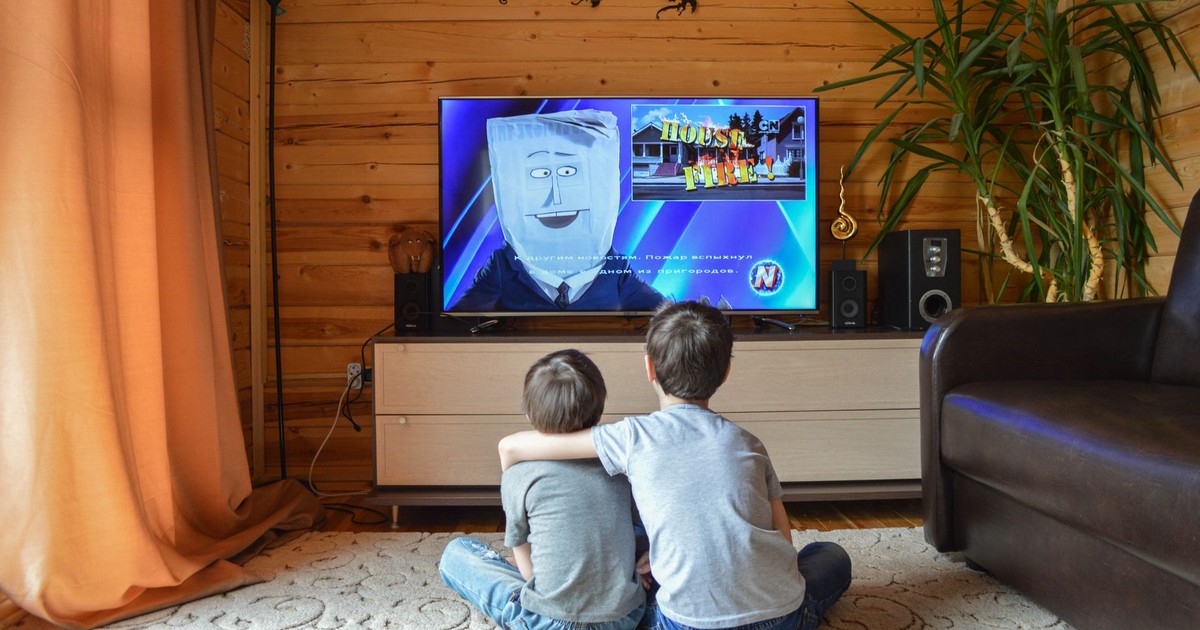
The ritual is essentially gone now. Every Saturday morning from about 7am to noon, the television networks ran blocks of animated programming aimed directly at children, and children planned their weekends around it. Animaniacs, Tiny Toon Adventures, X-Men, Batman: The Animated Series, Gargoyles, Recess. The quality was genuinely high. Batman: The Animated Series in particular is still regularly cited by animators and screenwriters as a masterclass in tone, pacing, and character writing that most adult dramas don’t match.
The loss of that shared weekly ritual – the specific excitement of Saturday morning, with a bowl of cereal, at a specific time – is one of the things 90s kids describe most vividly. Streaming made content available everywhere and took away the calendar.
10. Crime Fell Off a Cliff
The crime decline of the 1990s was one of the most unexpected and consequential social developments in American history. Violent crime in the United States peaked in the early 1990s and then dropped steadily for the rest of the decade, transforming cities that had seemed unsalvageable. New York City went from roughly 2,000 murders a year at the decade’s start to under 700 by 1999. That is not a statistic – it is a transformation in how millions of people moved through their daily lives. Parks filled up again. Neighborhoods changed.
The reasons are still debated, but the result was undeniable: a decade-long shift in what American urban life could actually look like when fear wasn’t the baseline.
11. The 90s Gave Us Prestige Television’s Foundation
Before The Sopranos formally announced prestige TV in 1999, the 1990s built the infrastructure. The X-Files proved network television could sustain a serialized narrative over multiple seasons. Buffy the Vampire Slayer, which premiered in 1997, had a tremendous influence on popular culture that attracted serious scholarly attention. NYPD Blue made grown-up themes and moral complexity viable in prime time. ER packed more plot per episode than most films.
These shows weren’t just good. They changed the expectations of what the medium was capable of. The showrunners who made the streaming era’s prestige drama grew up watching them.
12. Fashion Had a Specific Texture

The fashion argument for the 90s is not about elegance. It’s about authenticity and the sense that what people wore reflected something real about what they believed. Grunge dressed like it didn’t care about your opinion and meant it. Hip-hop fashion was meticulous and intentional and set the template for streetwear that billion-dollar brands are still chasing today. The 90s brought grunge and minimalism – flannel shirts, baggy jeans – while simultaneously producing maximalist Y2K flair with low-rise jeans and glittery tops.
The proof that 90s fashion meant something is in how relentlessly it gets revived. Nostalgia for Y2K and the late 90s has resurfaced as a major fashion trend and aesthetic for Gen Z, from low-rise jeans and Juicy Couture tracksuits to baggy cargo bottoms. Gen Z didn’t inherit these clothes. They went looking for them.
13. Pixar Changed Cinema Forever
Toy Story, released in November 1995, was the first fully computer-animated feature film in history. It grossed $373 million globally on a budget of $30 million and proved that animation could tell stories for adults and children simultaneously without condescending to either. A Bug’s Life followed in 1998. Toy Story 2 in 1999.
The studio’s founding decade established the entire visual and narrative grammar of computer animation as an art form. Every animated film made in the 21st century – whether from Pixar or not – owes its existence to those first five years when the studio was figuring out how to do something nobody had done before.
14. The Tamagotchi Taught a Generation About Consequence
A tiny egg-shaped piece of plastic that required feeding, entertainment, and attention on its own schedule, unconnected from any human agenda, and capable of dying if you neglected it. According to Bandai’s own records, 82 million Tamagotchis were sold globally, with 60% of those units sold outside Japan in more than 50 countries. Teachers confiscated them. Students snuck them to the bathroom between classes to keep their pets alive.
What the Tamagotchi actually did was introduce a generation of children to the concept of continuous responsibility – the idea that something depended on you whether or not it was convenient. That is not a trivial lesson, and it came from a piece of plastic the size of an egg.
15. Beanie Babies Were the First Viral Consumer Phenomenon
Long before social media could manufacture a craze overnight, Ty Inc. did it with small stuffed animals and deliberate scarcity. Certain Beanie Babies were retired on announced dates. People lined up outside stores. Protective cases were sold. The idea that a plush toy was an investment was held sincerely by millions of otherwise reasonable adults. While astronomical values didn’t materialize for most, the thrill of the hunt and the joy of collecting created a cultural moment that showed how even simple plush toys could capture the imagination of millions.
The entire model of limited-edition drops that drives modern sneaker culture and streetwear can be traced, in its consumer psychology, to the Beanie Baby phenomenon.
16. The World Cup Came to America – and Worked

The 1994 FIFA World Cup was held in the United States at a moment when soccer was still largely foreign to the mainstream American sports conversation. Critics predicted empty stadiums and polite indifference. Instead, the tournament set an attendance record – over 3.5 million total – that still stands as the highest in World Cup history. Fifty-two games across nine cities, and every single one of them sold out.
The tournament didn’t immediately transform American soccer culture, but it planted something. The MLS launched in 1996 as a direct result. The infrastructure, audience, and cultural foothold that made the 2026 World Cup viable in the US had its foundation in those weeks in the summer of 1994.
17. The Game Boy Made Portable Gaming Real
The original Game Boy launched in 1989 but defined the 1990s. It was the decade’s portable companion, the device that made long car trips survivable and introduced the concept that gaming was not just a living-room activity but something that went everywhere you did. And then, in 1996, Pokémon Red and Blue arrived.
Pokémon sold 31 million copies for Game Boy in its first two years. More than that, it introduced a new model for gaming: collectible, social, and traded on the playground. The game required you to interact with other players to complete it. That was deliberate design, and it created communities that nobody in marketing had planned for.
18. Pokémon Redefined What a Children’s Franchise Could Be
Pokémon began as a Game Boy game in Japan in 1996 and reached the West in 1998. Within two years it had generated a trading card game, an animated series, merchandise spanning every category imaginable, and a feature film. By 1999, it was the highest-grossing media franchise in the world. The TCG became the most-collected card game in history, and that status has only intensified since – a Charizard holographic card from the 1999 first edition sold at auction for $420,000 in 2022.
What Pokémon built was not just a franchise. It built a generation-spanning template for how intellectual property could move across formats while retaining its emotional core – a template that Disney and Marvel have spent the subsequent three decades trying to replicate.
19. AOL and Instant Messaging Changed How We Talk to Each Other
Before WhatsApp, before iMessage, before texting at normal rates, there was AIM – AOL Instant Messenger. It launched in 1997 and at its peak in the early 2000s had over 100 million users. But its formative years were the late 1990s, when an entire generation learned to maintain friendships through text on a screen for the first time.
The away message was its own cultural form. A song lyric, a quote, a cryptic statement designed to be seen by the specific person it was intended for. It was the first time most people had to think consciously about maintaining a digital persona – who they were to the people watching them online – and it turned out that this would become one of the defining skills of 21st-century life.
20. Gwen Stefani, Alanis, Lauryn Hill: Women Were Running Music
Three albums that landed within 18 months of each other tell the story. No Doubt’s Tragic Kingdom in 1995. Alanis Morissette’s Jagged Little Pill in 1995. Lauryn Hill’s The Miseducation of Lauryn Hill in 1998. All three written primarily or entirely by the artists themselves. All three dealing with things women in pop hadn’t been given the microphone to say that directly before. All three massive commercial successes.
Jagged Little Pill went on to sell 33 million copies globally. The Miseducation of Lauryn Hill won five Grammy Awards, including Album of the Year – the first hip-hop album to win that award. These were not niche successes. They changed the commercial landscape.
21. The NBA Had Its Greatest Era

The 1990s was the decade of Michael Jordan at his peak, and everything else followed from that. Six championships with the Chicago Bulls. Two three-peats. The 1992 Dream Team, built around Jordan, Magic Johnson, and Larry Bird, playing Olympic basketball at a level so far above the competition that it became the most-watched team in the history of the sport at that point.
But the decade also had the Showtime hangover, the Knicks’ physical grinding defense, Scottie Pippen being demonstrably underrated in real time, and the San Antonio Spurs quietly building the foundation of their dynasty in the background. The arguments that era generated – and still generates – are an indication of how much was actually at stake in every series.
22. Road Trips Were the Adventure They Were Supposed to Be

Getting somewhere in the 1990s required planning. A physical map – or a phone call to AAA for a TripTik, a custom-printed spiral-bound route guide. No GPS. No real-time traffic. No satellite telling you there’s a faster route in 400 yards. You could get genuinely lost. That sounds like a drawback. In practice, getting lost was often where the actual trip happened.
The 90s road trip had a texture that navigation apps have since smoothed away entirely. The gas station with the mismatched candy selection. The diner recommended by no one online because there was no one online recommending it. The decision to take a different highway because the passenger thought they recognized something on the exit sign. Getting where you were going mattered less than what happened in between.
23. The Sci-Fi Golden Age (on Television)

The X-Files ran from 1993 to 2002 and produced some of the most genuinely unsettling television of its era. Farscape, Babylon 5, and Star Trek: The Next Generation, Deep Space Nine, and Voyager all aired during or adjacent to the decade. The 1990s was the period when science fiction moved from being a genre concern to a mainstream entertainment staple on TV.
The X-Files in particular changed how genre television worked. It had a mythology arc – a long-form conspiracy narrative – running beneath its episodic cases, and audiences tracked both simultaneously. This is now standard television structure. In 1993, it was a genuine innovation.
24. Toys Still Rewarded Imagination
Before everything had a screen, toys required you to provide the software. A Lego set in 1993 came with an instruction booklet you could follow or ignore. A Hot Wheels car required you to crash it into things and decide what happened next. A Barbie wore the career you put her in. The absence of programming was the point – the object was a prop for a story you were making up.
Children of the 80s and 90s were often left to their own devices, and with both parents working in many households, a generation of latchkey kids learned how to solve problems without much supervision. The toys were part of that. They didn’t come with a narrative. You made one.
25. Britpop Was a Genuine Cultural Moment
Blur versus Oasis in the summer of 1995 was not a music chart competition. It was a national conversation about class, identity, and what it meant to be British in the post-Thatcher era. Both bands released singles on the same day by design. The press treated it as an event. Blur’s “Country House” sold slightly more in the first week. Oasis’s “(What’s the Story) Morning Glory?” went on to sell 22 million copies globally and became one of the best-selling albums in British music history.
Britpop, with Oasis and Blur at the forefront, brought British pop-rock back to the cultural conversation, filling stadiums with unforgettable anthems. The rest of the world caught on about six months later, which was its own kind of compliment.
26. Bill Nye and the Science Guys Actually Made Science Cool

Bill Nye the Science Guy premiered in 1993 and ran for five seasons, winning 18 Emmy Awards. Its thesis was direct: science is not a subject you endure in a classroom. It is the explanation for everything interesting that happens in the world. The show treated its audience – primarily kids aged 6 to 12 – as capable of understanding how things actually worked if the explanation was clear and the host was clearly having fun.
The show’s production style was deliberately chaotic. Sketches, experiments, guest appearances, terrible puns, theme song earworms. Children raised on it went on to form the generation currently running biology labs, writing climate policy, and building the next wave of technology. The causality isn’t direct, but it isn’t nothing.
27. The 90s Gave Us a Golden Age of Sports Films
Space Jam (1996). Jerry Maguire (1996). Tin Cup (1996). A League of Their Own (1992). The Sandlot (1993). Cool Runnings (1993). White Men Can’t Jump (1992). Rudy (1993). These are not incidental movies. They are films that people who saw them at ten years old can quote verbatim at forty.
What they shared was a willingness to let sports be about something other than winning. The Sandlot is about summer and belonging. Cool Runnings is about showing up. Jerry Maguire is barely about football. The films trusted that the sports were a vehicle for the real story, and that the real story was always about what people were willing to want out loud.
28. The Generation That Grew Up There Is Still Running Things
The generation formed by the 1990s – those who were between five and twenty during the decade – currently occupies most of the leadership positions in entertainment, technology, politics, and business. What they build reflects what they absorbed. Children of the 1990s lived through a cultural mix of cassette tapes, Saturday morning cartoons, rotary phones, and the early rise of the internet – an era filled with transition, independence, and fewer digital distractions.
That mix is not incidental. Cultural observers suggest that growing up during this unique time shaped distinct personality traits, and that those who came of age during these decades often share certain core qualities. A pre-internet childhood followed by an adolescence shaped by the internet’s arrival gives you a specific kind of adaptability – analog instincts running on digital rails.
Read More: 90s Movies That Are Even Better Than You Remember
29. The 90s Believed the Future Was Good

In 1997, nobody had yet seen what social media would do to civic life, or what 24-hour news cycles would do to political discourse, or what algorithmic recommendation would do to radicalization. The internet was arriving and the general assumption was that more information, more connection, more access would make things better. That assumption would eventually be tested to destruction. But in the 1990s it was still intact.
People were optimistic about the future, and recall that The Matrix, released in 1999, called the era “the peak” of human civilization. Even a film built around the idea that reality was an illusion still used the 1990s as its baseline for what humanity at its height looked like. That’s a complicated kind of compliment, and the 90s earned it.
30. The Nostalgia Itself Tells You Something

The persistence of 90s nostalgia is not generational sentimentality. It’s a signal. The 90s, with its iconic fashion, event television, and some remarkable music, continue to shape pop culture in ways that suggest we are at peak cultural recollection. The decade’s influence on what gets made, what gets worn, and what gets listened to has not diminished in thirty years. It has increased.
A 2026 nostalgia marketing report found that 75% of consumers are more likely to buy when advertising evokes nostalgia – and that 90s-themed content now drives a 38% average engagement lift across Instagram, TikTok, and YouTube. Marketers know this. Streaming platforms know this. Fashion designers know this. But knowing why something works and knowing what it means are different questions. The 90s keeps coming back because it represents a specific thing that people can name if you ask them and can’t stop wanting if you don’t: a decade where the problems were real but the optimism felt proportionate to meet them.
What Made It Different
Not every part of the 90s was good. Some of it was wrong in ways that took a while to articulate and longer to address. But the decade’s claim to greatness is not about being perfect. It’s about density – a concentration of creative, economic, and cultural output in a single ten-year window that hasn’t been matched by the decades that followed.
The music alone could make the case. But so could the economy. So could the television. So could the specific texture of a pre-social-media social life, where your reputation existed only among people who had actually met you. The 90s weren’t the last good decade. But for a lot of people who lived through them, they still feel like the last decade where the momentum was pointing in one direction: forward, and with reason for it.
AI Disclaimer: This article was created with the assistance of AI tools and reviewed by a human editor.