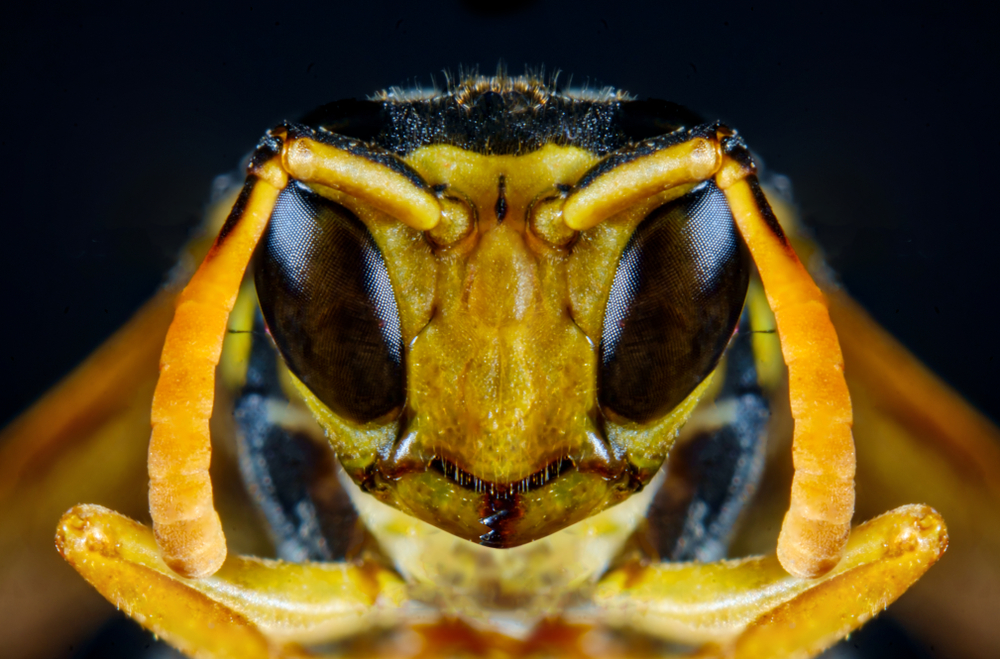

Around the world, there are animals and insects so deadly, aggressive, or bizarre that even the bravest adventurers are relieved they do not exist in the United States. From venomous spiders and giant reptiles to invisible sea killers, these species remind us how diverse and dangerous nature can be. Each one dominates its environment with unique traits that make survival for anything nearby a challenge. Thankfully, most of these fearsome beings are confined to distant continents, leaving America’s ecosystems relatively tame by comparison.
1. Giant Huntsman Spider
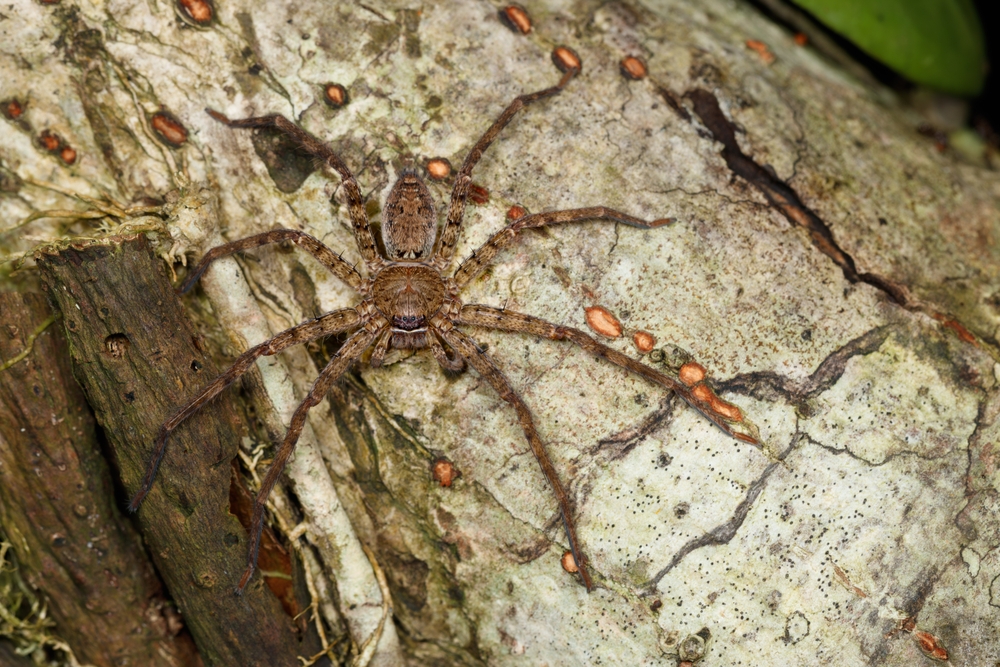
The giant huntsman spider, native to the caves and forests of Laos, is widely regarded as one of the most unsettling creatures known to exist. With a leg span that can reach nearly 12 inches, it holds the record for the largest spider by diameter. Unlike web-building spiders, the huntsman prefers to actively chase down prey, moving at startling speed across walls and floors.
Its flat body helps it squeeze through narrow crevices, making encounters particularly terrifying in confined spaces. The spider’s diet consists of insects, small reptiles, and even birds when the opportunity arises. While its venom is not deadly to humans, the bite can cause sharp pain, swelling, and nausea. Its rapid movements and massive appearance often trigger panic, especially when it scuttles across walls with surprising agility. The idea of this spider nesting in American homes would make even the calmest person shudder, so it is fortunate this giant arachnid remains restricted to Southeast Asia’s tropical landscapes.
2. Saltwater Crocodile
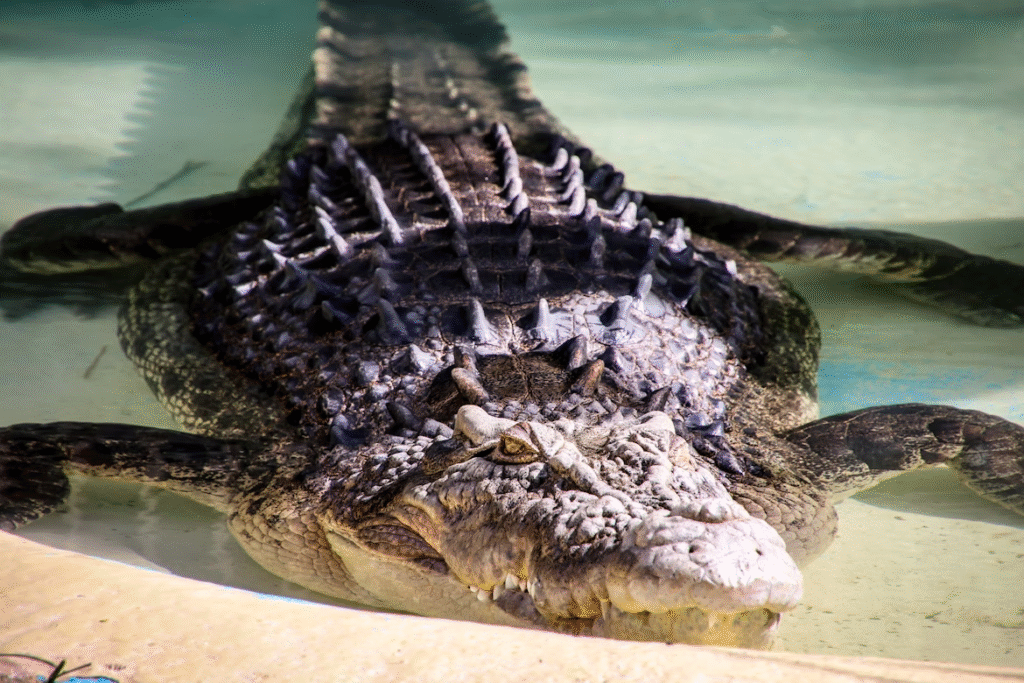
Found throughout Southeast Asia, northern Australia, and the coastal waters of the Indian Ocean, the saltwater crocodile is a living relic of prehistoric times. Males regularly grow over 20 feet long and can weigh more than 2,000 pounds. They dominate rivers, mangrove swamps, and estuaries, ambushing prey with lightning speed and immense power.
These reptiles can drag down wild boars, water buffalo, and even sharks that wander too close. Their strong jaws exert one of the highest bite forces ever measured in the animal kingdom, crushing bone with ease. Saltwater crocodiles are territorial, aggressive, and intelligent, capable of remembering human activity patterns. They lurk just below the surface, their eyes and nostrils barely visible, waiting for the perfect moment to strike. If these giants were found in American rivers, outdoor recreation like kayaking or swimming would be a much riskier affair.
3. Brazilian Wandering Spider
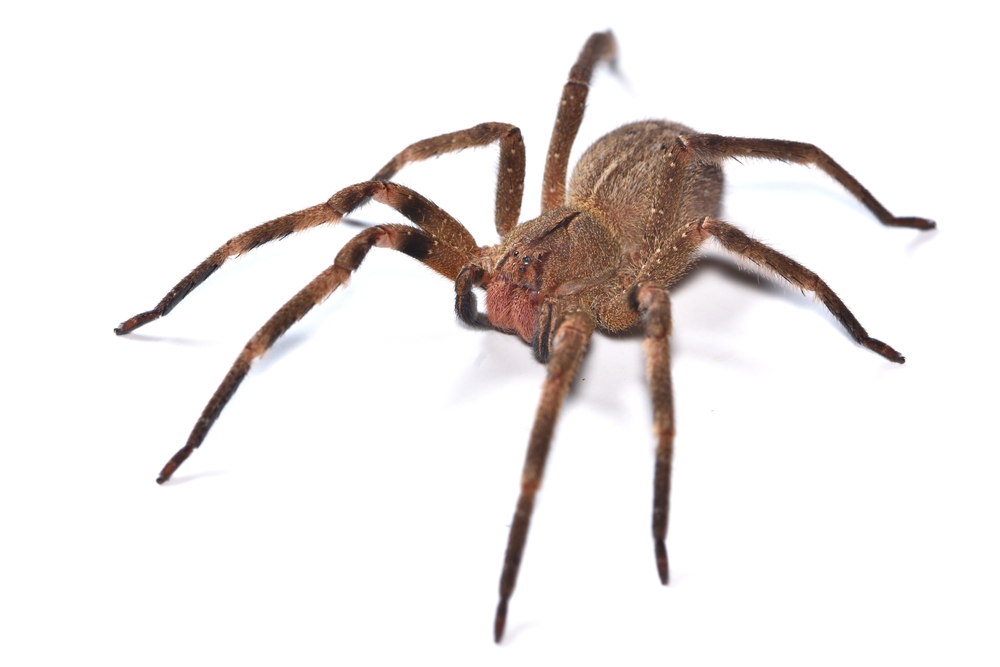
The Brazilian wandering spider roams the tropical rainforests of South and Central America and has earned its deadly reputation through both venom potency and unpredictable behavior. Unlike most spiders that remain in webs, this species actively prowls the forest floor at night searching for prey. It hides under logs, inside shoes, and among banana leaves, leading to its other nickname, the “banana spider.” Measuring up to five inches across,
it is large, fast, and extremely defensive when threatened. Its venom contains neurotoxins capable of causing paralysis, respiratory difficulty, and extreme pain. The spider’s warning posture, with front legs raised and fangs exposed, serves as a clear signal to back away. While bites are rare thanks to effective medical care, encounters in populated areas can cause panic. This spider’s combination of aggression and venom makes it one of the last creatures anyone would want entering their home. Thankfully, it stays far from the American mainland where temperatures and habitat conditions keep it naturally contained.
4. Asian Giant Hornet
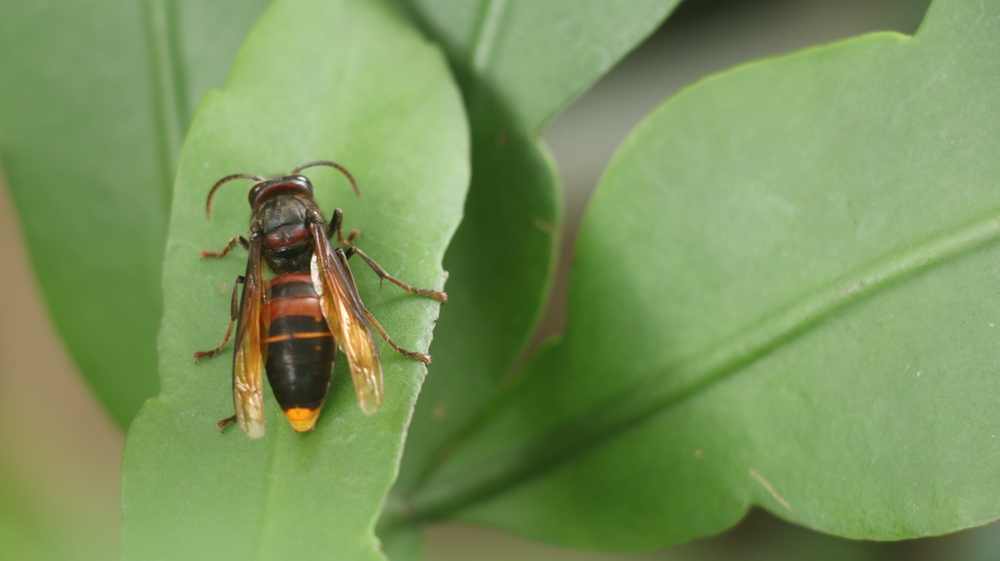
The Asian giant hornet, native to Japan, China, and parts of Southeast Asia, is the largest hornet species in the world, reaching over two inches long with a wingspan of three inches. Its massive size, loud flight, and potent venom make it a serious threat both to humans and honeybees. A single sting feels like being jabbed with a hot nail, and multiple stings can lead to severe reactions or even death.
These hornets are fierce predators, capable of wiping out entire honeybee colonies within hours by decapitating the bees and feeding their larvae the remains. Their venom contains powerful enzymes that destroy tissue and attract other hornets to the attack site. Despite isolated sightings in North America, they have not managed to establish a permanent population. Their diet, size, and aggression would devastate local ecosystems if they spread. The thought of swarms of these hornets roaming American backyards is enough to make even seasoned beekeepers uneasy.
5. Goliath Tigerfish
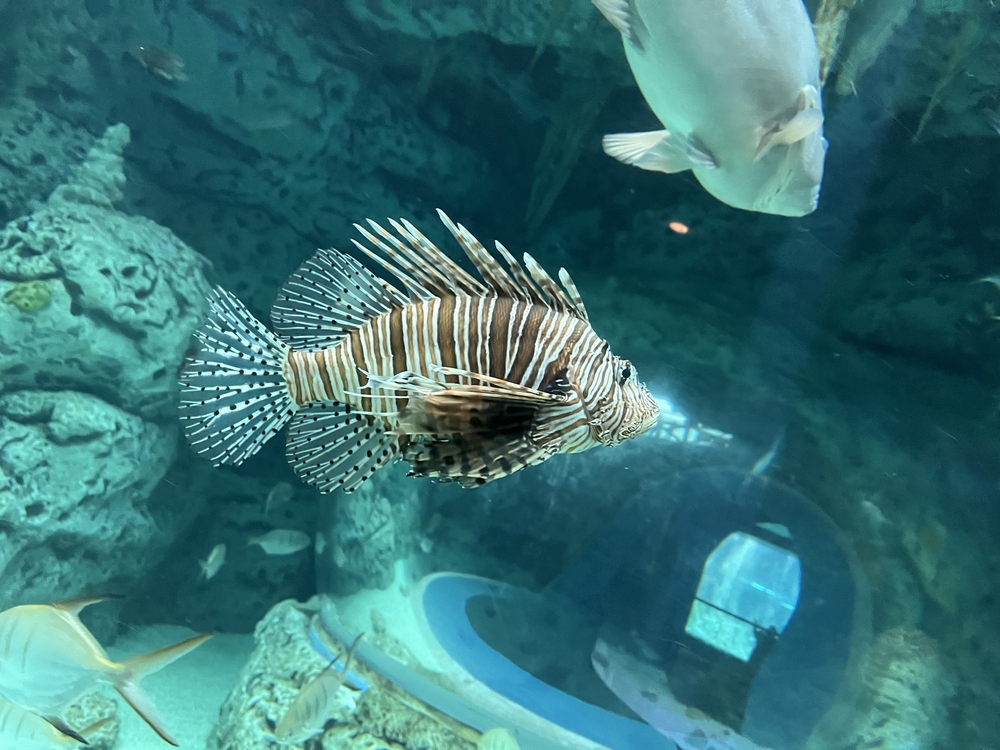
The Goliath tigerfish, found in the Congo River Basin and other parts of Central Africa, is one of the most formidable freshwater predators in the world. Growing up to five feet long and weighing nearly 100 pounds, it resembles a living weapon built for hunting. Its mouth is lined with sharp, inch-long interlocking teeth capable of slicing through flesh with surgical precision. Fishermen describe it as a piranha on steroids, capable of attacking prey nearly its own size. Its reflective silver body and red eyes give it a ghostly appearance beneath the dark river waters.
The fish is known to leap out of the water during attacks, snatching birds or bats mid-flight. Encounters with it are rare, but terrifying for anyone who ventures into its territory. It dominates African rivers much like sharks dominate the ocean. If the Goliath tigerfish ever appeared in American lakes or rivers, water sports and fishing would never feel the same again.
6. Cassowary
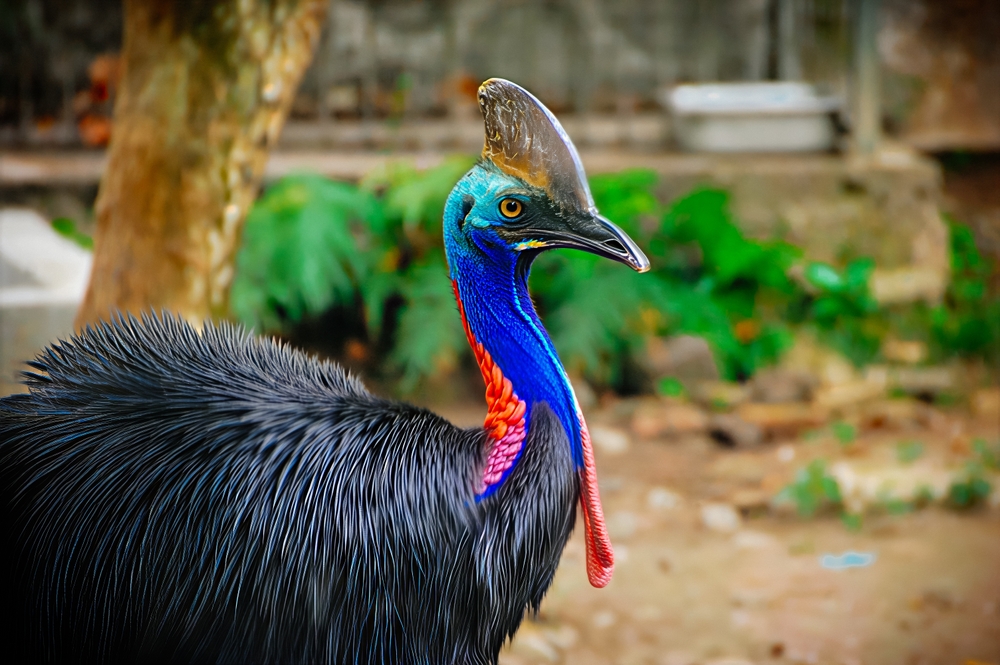
The cassowary, native to the tropical forests of Australia and New Guinea, is one of the most dangerous birds on Earth. Standing up to six feet tall and weighing as much as 130 pounds, it looks like a living relic from the age of dinosaurs. Its glossy black feathers, vivid blue neck, and tall helmet-like crest give it a striking yet intimidating appearance. The cassowary’s most lethal weapon is its middle claw, a sharp, dagger-like talon that can reach nearly five inches in length.
When threatened, it delivers a powerful kick capable of slashing through skin and muscle. Despite their beauty, these birds are highly territorial and can charge at incredible speed when provoked. They are known to defend their nesting grounds aggressively against humans, dogs, and even vehicles. Cassowaries also play a crucial role in their ecosystems by spreading seeds through the dense rainforests, but their temper and strength make them a species best appreciated from afar. If they roamed the American South, a casual hike could turn into a life-threatening experience in seconds.
7. Bullet Ant
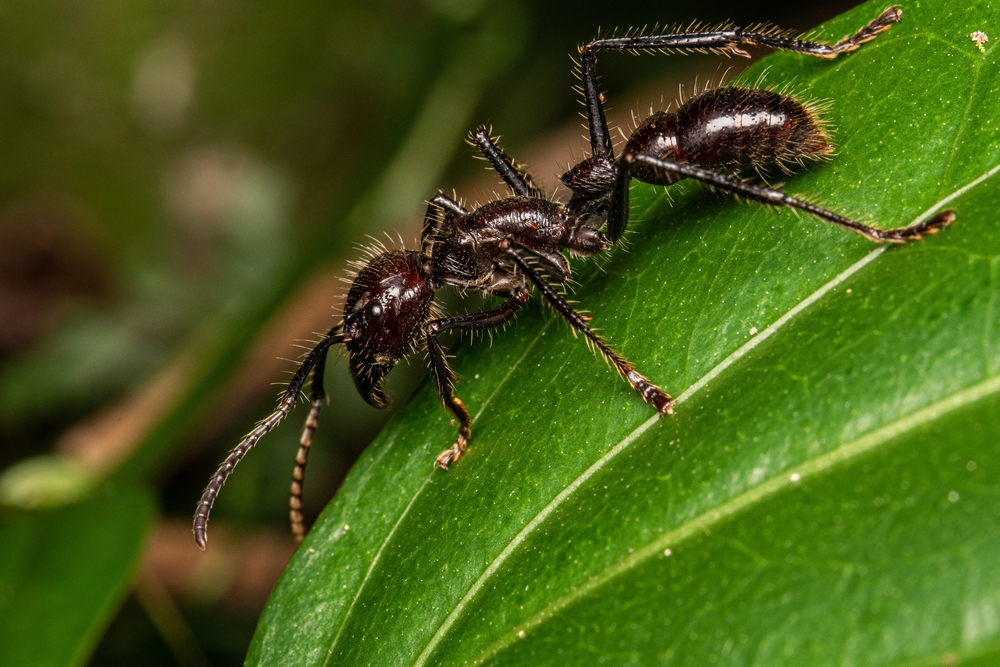
Deep in the rainforests of Central and South America lives the bullet ant, an insect feared even by seasoned explorers. Growing up to an inch long, it is one of the largest ants on Earth, and its sting has been described as the most excruciating pain caused by any insect. The pain can last up to 24 hours, radiating through the body like waves of electric shock. The ant’s name comes from the fact that the sting feels similar to being shot. Bullet ants live in colonies that build large nests at the bases of trees, where they fiercely defend their territory.
They communicate danger through chemical signals, coordinating group attacks if disturbed. Some indigenous tribes use them in initiation rituals, forcing participants to wear gloves lined with live ants to prove endurance and courage. While the sting rarely kills, the agony it causes is unforgettable. If these ants ever established colonies in American forests, outdoor workers and campers would need far more than bug spray to stay safe.
8. Komodo Dragon
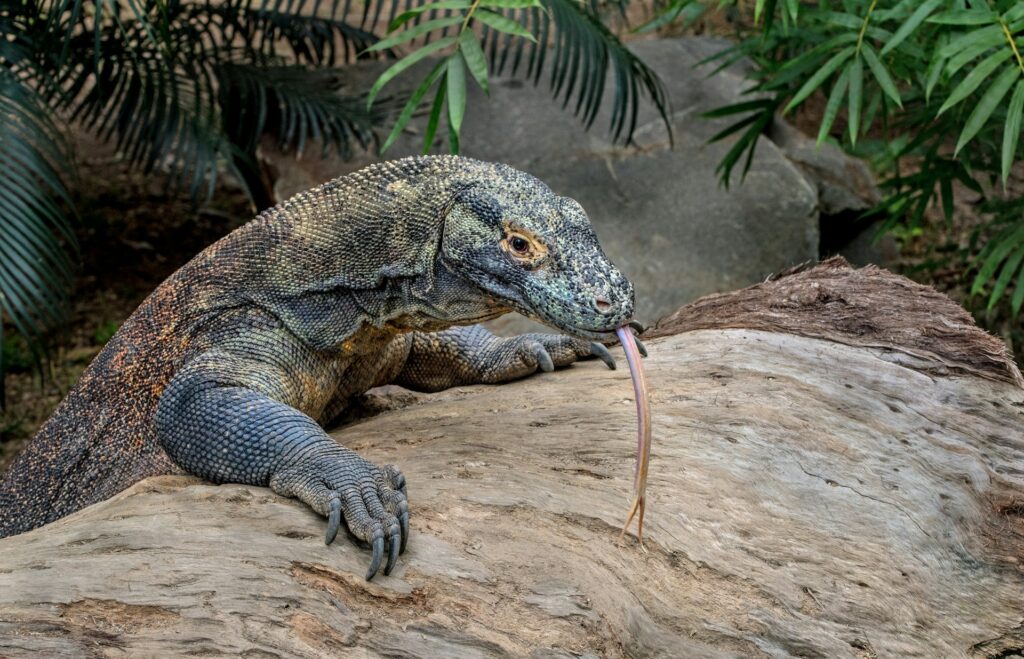
The Komodo dragon, found only on a few Indonesian islands, is a true apex predator. Reaching lengths of over ten feet and weighing more than 150 pounds, it dominates its habitat with speed, stealth, and deadly precision. Despite its lumbering appearance, it can sprint short distances faster than a human and uses its long, muscular tail as both a weapon and a balance aid. Its powerful bite delivers venom that prevents blood clotting and lowers blood pressure, quickly weakening prey.
Once bitten, animals often collapse within minutes as the dragon tracks them patiently before consuming them whole. Komodo dragons are known to attack large prey such as deer, wild pigs, and even water buffalo. Their sharp claws and strong jaws can tear through flesh with ease. They also exhibit cannibalistic behavior, sometimes preying on smaller dragons. If these massive lizards ever appeared in the wilds of America, outdoor recreation in warm states like Florida would become significantly more dangerous overnight.
9. Stonefish
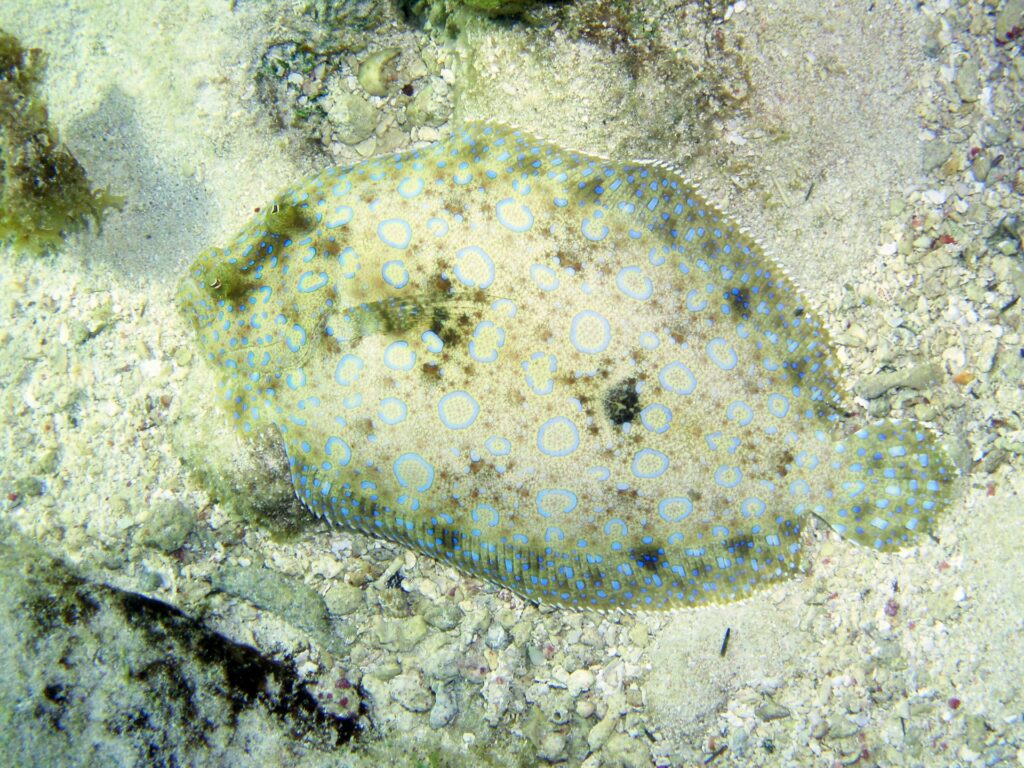
Hidden beneath the sands of tropical waters in the Indo-Pacific, the stonefish is a master of disguise and one of the most venomous marine creatures alive. It looks exactly like a lump of rock or coral, making it nearly impossible to spot until it’s too late. When stepped on or disturbed, the fish raises 13 sharp dorsal spines that inject venom strong enough to cause unbearable pain, paralysis, and sometimes death if untreated.
The toxins target the heart and nervous system, making immediate medical attention crucial. Despite its terrifying defense, the stonefish relies on camouflage rather than aggression to survive, ambushing unsuspecting prey such as shrimp and small fish. Its body can survive out of water for several hours, making it a danger even along shorelines. In regions where it is common, beachgoers wear protective footwear to avoid accidental encounters. If the stonefish were native to American coastlines, beach tourism would drastically decline, as every step into the water could pose a hidden risk.
10. Sydney Funnel-Web Spider
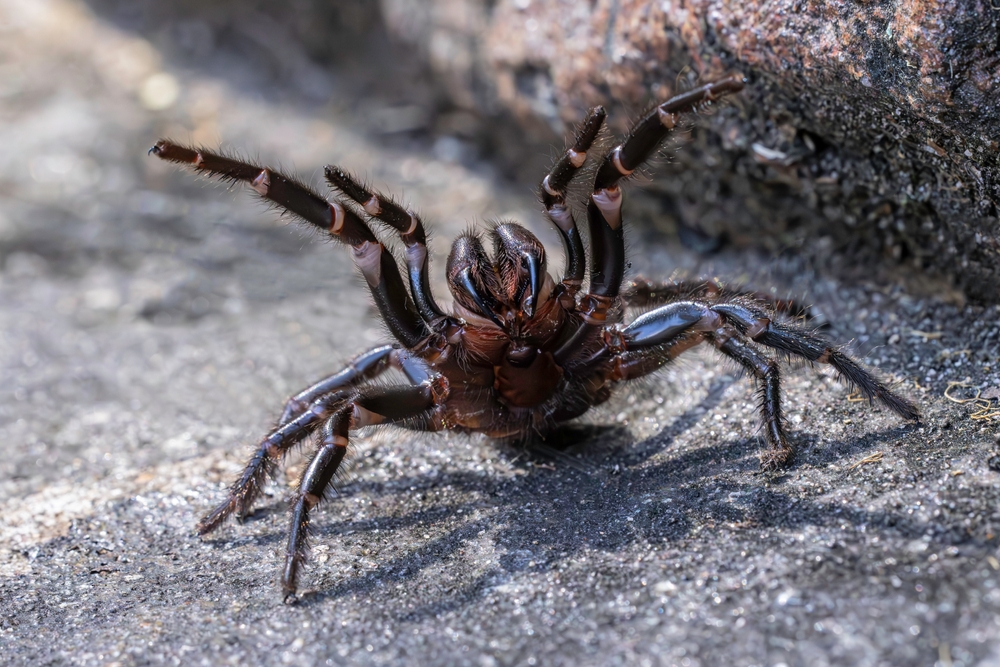
The Sydney funnel-web spider is one of the most aggressive and dangerous spiders on the planet, found primarily in the forests and suburbs of eastern Australia. Glossy black with large fangs and a powerful stance, it often hides in moist burrows, shoes, and garden debris. Its venom contains potent neurotoxins that attack the nervous system, and male spiders are especially lethal during mating season when they wander into homes seeking females.
A single bite can cause muscle spasms, difficulty breathing, and in rare cases, death if untreated. The spider’s fangs are strong enough to pierce leather, and its defensive behavior includes rearing up on its hind legs and striking repeatedly. Unlike most spiders, it does not retreat easily, making it especially dangerous during accidental encounters. Antivenom has drastically reduced fatalities, but the fear surrounding this species remains high. If funnel-web spiders ever appeared in the United States, pest control would need an entirely new level of readiness, especially in humid states like Florida or Louisiana.
11. Africanized Honey Bee
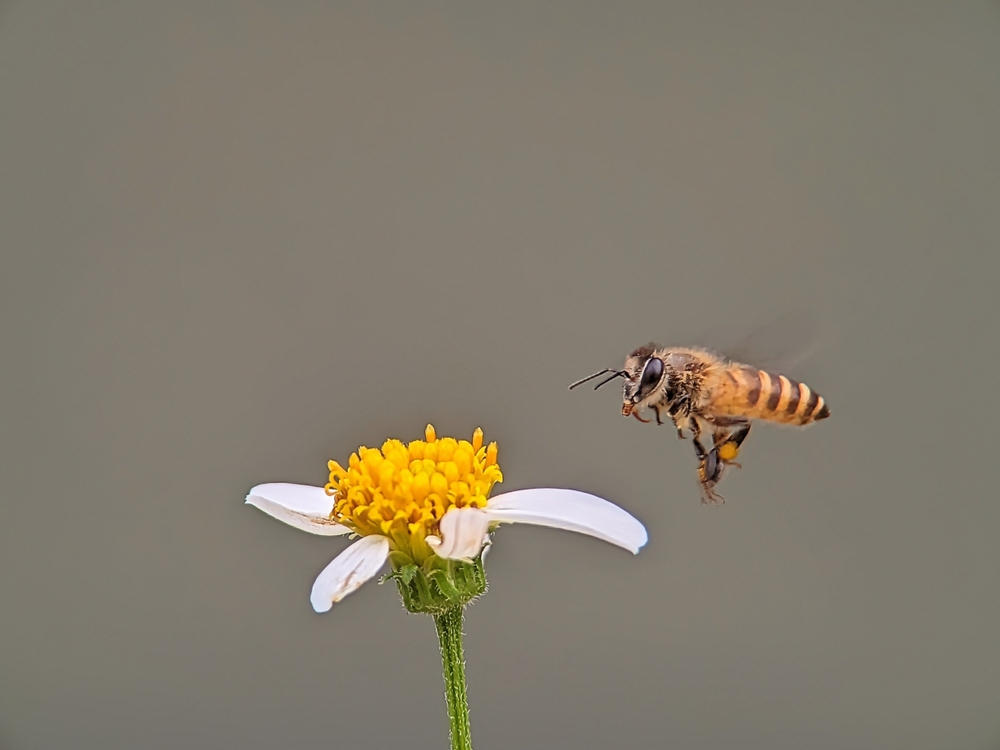
The Africanized honey bee, often referred to as the killer bee, is one of the most feared insects in the Western Hemisphere. Originating from hybrid breeding between African and European honey bees, these insects escaped experimental hives in Brazil in the 1950s and quickly spread across South and Central America. What makes them terrifying is their extreme defensiveness. When disturbed, they react with overwhelming aggression, attacking in large numbers and pursuing intruders for long distances. While their venom is no more potent than that of regular bees, the number of stings they inflict can easily overwhelm humans and animals.
They also respond faster to threats and remain agitated much longer. Africanized bees often nest in hidden cavities, trees, and buildings, making it easy for people to stumble upon them by accident. Their presence has caused several fatalities across Latin America, and although small populations have been recorded in parts of the southern United States, strict control efforts have limited their spread. If these bees ever established full colonies across North America, outdoor activities and farming would face new levels of danger.
12. Box Jellyfish
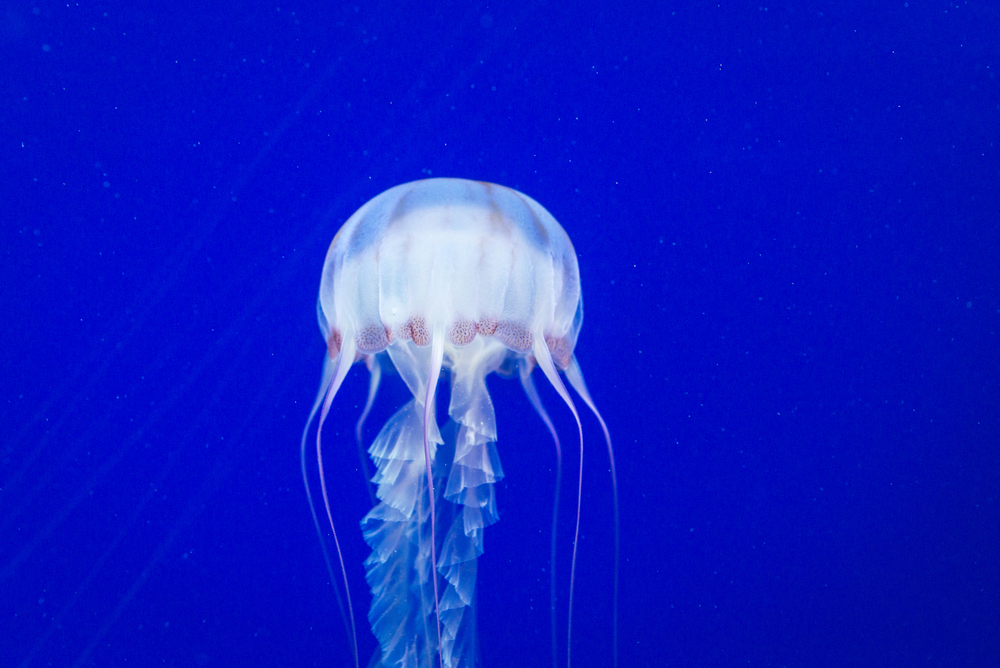
The box jellyfish glides silently through the warm coastal waters of Australia and Southeast Asia, appearing almost transparent against the ocean blue. Its bell-shaped body can reach the size of a basketball, and its tentacles can stretch up to ten feet long. Each tentacle carries thousands of stinging cells that inject one of the most potent venoms known in the marine world. The toxins can cause cardiac arrest, paralysis, and extreme pain within minutes.
The real danger lies in how invisible these creatures are in the water. Swimmers often never see them until contact has already been made. In Australia, beaches post seasonal warnings and use stinger nets to reduce encounters during jellyfish season. Protective suits are also worn by divers and swimmers to prevent stings. Despite their deadly power, box jellyfish feed mostly on small fish and plankton, catching prey with swift precision. If they were common along American coastlines, ocean swimming would likely require full-body protection year-round, forever changing beach culture in states like Florida and Hawaii.
13. Deathstalker Scorpion
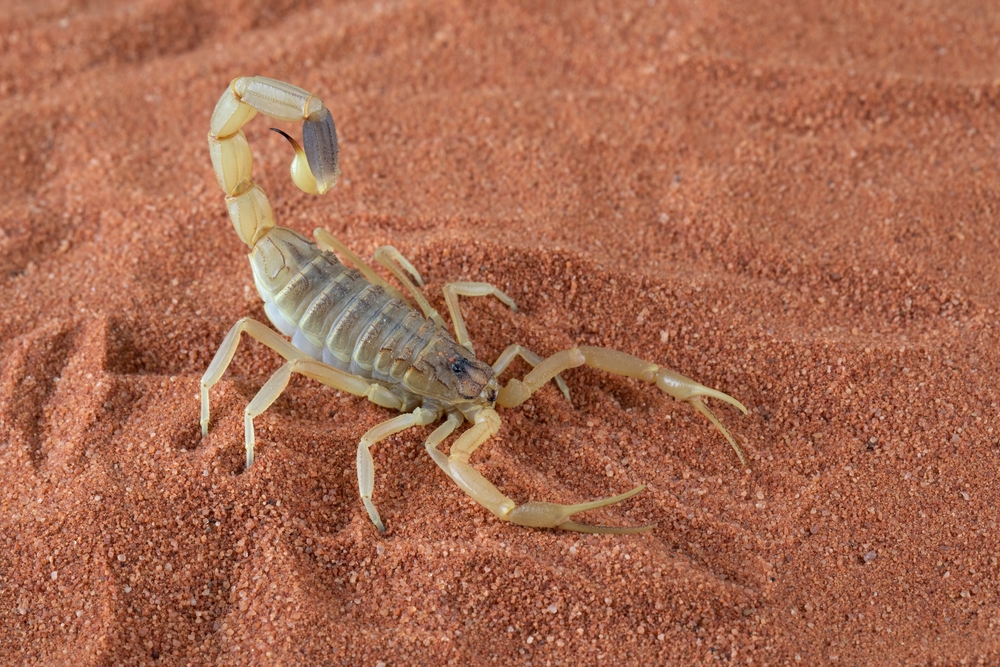
The deathstalker scorpion, native to North Africa and the Middle East, is a striking pale yellow creature that thrives in some of the harshest desert environments on Earth. It prefers hiding under rocks and within crevices during the day, emerging at night to hunt insects and small spiders. Despite its modest size of only a few inches, it packs one of the most potent venoms of any scorpion species.
The neurotoxin can cause paralysis, intense pain, and even cardiac complications if medical help is not received quickly. The scorpion’s translucent color blends perfectly with desert sand, making it hard to spot. It moves with speed and agility, capable of delivering multiple stings in seconds if threatened. People living in its native range often shake out clothing and bedding before sleeping to avoid surprises. Although fatalities are rare due to antivenom availability, the pain from a sting is notorious. If deathstalker scorpions existed in the deserts of the American Southwest, hiking and camping would require far greater caution and constant vigilance.
14. Giant African Millipede
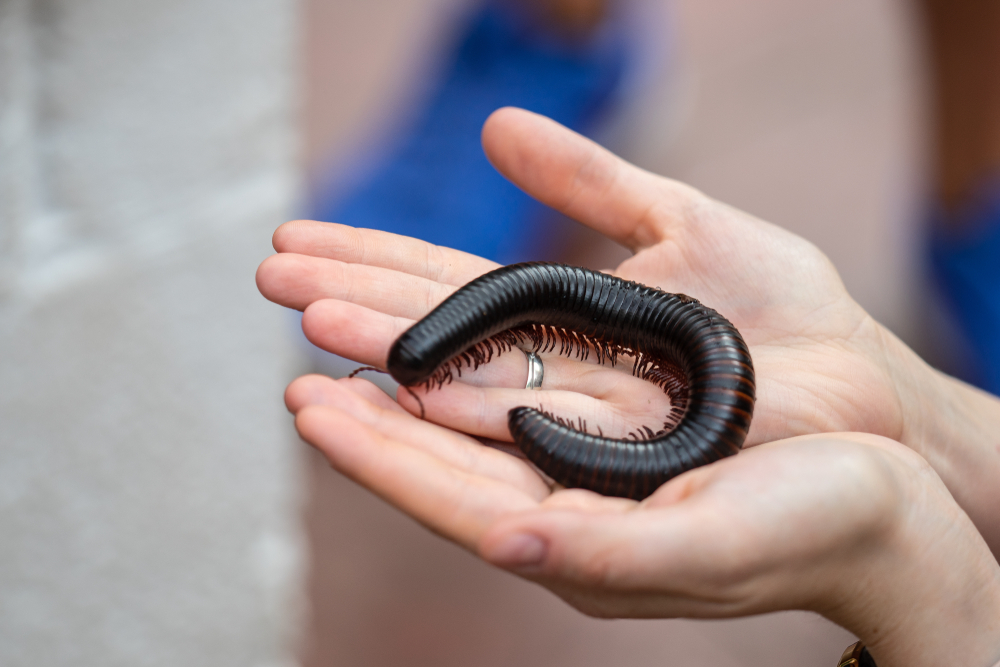
The giant African millipede, found in tropical regions across sub-Saharan Africa, is one of the largest millipedes on the planet. It can grow up to a foot long and has more than 400 legs that move in rhythmic waves as it crawls through leaf litter and underbrush. Despite its intimidating size, the millipede is a gentle decomposer, feeding primarily on decaying organic matter and helping recycle nutrients into the soil. However, its defense mechanism is unpleasant.
When threatened, it secretes a foul-smelling liquid that can irritate human skin and stain permanently. Its shiny, armored body segments and slow, deliberate movements can easily trigger unease in anyone not used to giant insects. The millipede curls into a tight spiral when disturbed, protecting its softer underside. In captivity, it is sometimes kept as an exotic pet, though most people find it disturbing to look at. If creatures of this size crawled across American sidewalks or gardens, pest control companies would face unprecedented demand from panicked homeowners.
15. Inland Taipan
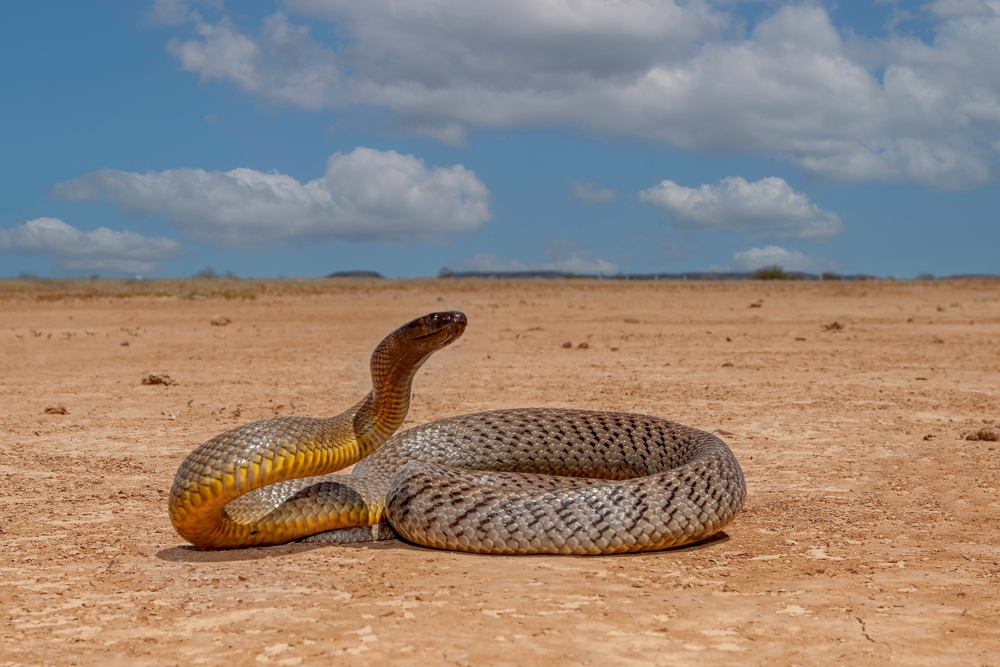
The inland taipan, also known as the “fierce snake,” is native to the arid interior of Australia and is considered the most venomous land snake in existence. Its venom is so toxic that a single bite contains enough neurotoxins to kill dozens of humans. Fortunately, the inland taipan is reclusive, shy, and rarely encountered by people, preferring to live deep in cracks within dry clay plains. It hunts small mammals using a lightning-fast strike, delivering venom that quickly incapacitates its prey. Unlike many snakes, it can strike multiple times in one attack, ensuring its victim cannot escape.
Despite its lethal potential, this snake is not naturally aggressive and retreats when given the chance. Its olive-brown scales blend perfectly with desert soil, providing excellent camouflage. Were it to appear in American deserts, it would become the most feared reptile overnight, far surpassing rattlesnakes in potency. Herpetologists regard it as a fascinating yet terrifying example of evolution’s precision in designing efficient predators.
16. Tsetse Fly
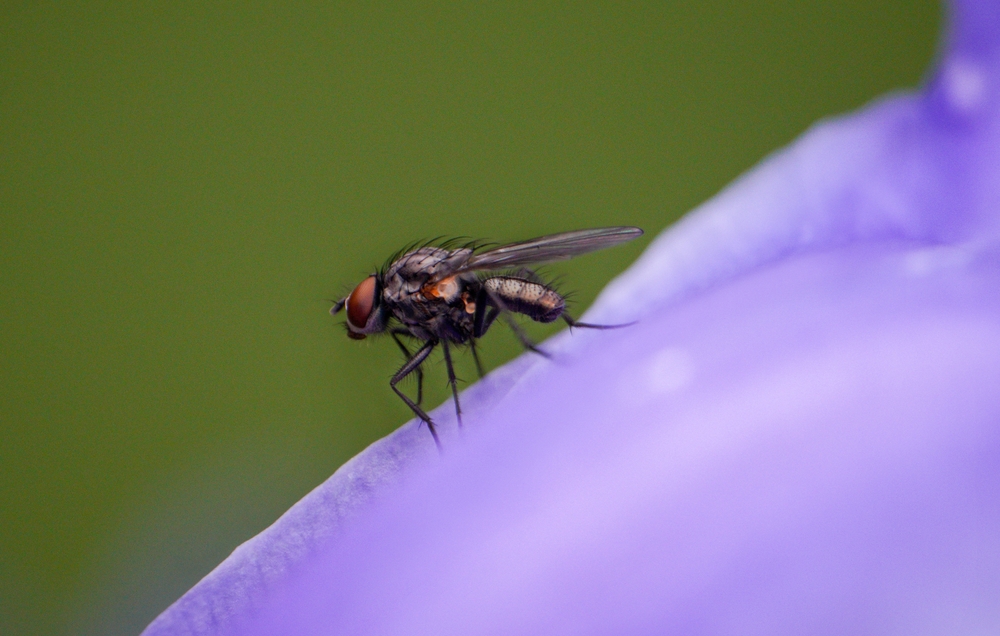
The tsetse fly may appear harmless at first glance, resembling an ordinary housefly, but it is one of Africa’s most dangerous insects. Found across tropical and sub-Saharan regions, it feeds on the blood of humans and animals alike. Its bite is painful and capable of transmitting trypanosomes, parasites that cause sleeping sickness, a condition that attacks the nervous system and leads to exhaustion, confusion, and potentially death if untreated.
These flies are most active during the daytime and are attracted to movement, dark clothing, and carbon dioxide from breathing. Unlike mosquitoes, both male and female tsetse flies feed on blood, using needle-like mouthparts to pierce the skin. They tend to swarm around riverbanks and wooded areas where wildlife and livestock gather.
Control programs in Africa involve traps, insecticide-treated targets, and the release of sterile males to slow their reproduction. The thought of such flies existing in the United States is alarming, as their presence could endanger cattle farming, wildlife, and human health in equal measure. Without America’s colder winters to slow their life cycle, they would thrive across southern states and cause major ecological disruption.
17. Cone Snail
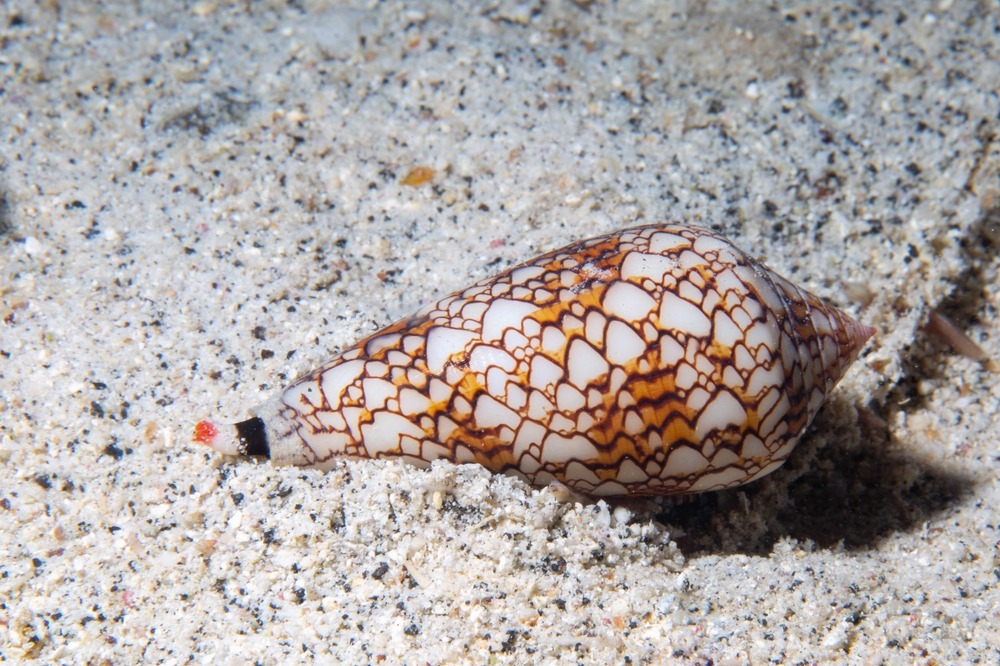
Beneath the tranquil waters of the Indo-Pacific lies one of the most deceptively dangerous creatures on Earth, the cone snail. Its intricately patterned shell, often collected by divers, disguises a sophisticated predator armed with a venomous harpoon. The cone snail hunts small fish, worms, and other mollusks by shooting a hollow, tooth-like dart filled with potent neurotoxins. Some species produce venom strong enough to cause paralysis and respiratory failure in humans within minutes.
There is no known antivenom, making encounters with live cone snails a serious risk. Their slow, graceful movements conceal the precision of their strike, which happens faster than the blink of an eye. Because they often inhabit coral reefs and sandy shallows, unwary swimmers and shell collectors are most at risk. Divers in regions like the Philippines and Indonesia are taught to never pick up cone shells unless they are clearly empty. If cone snails were native to American beaches, collecting seashells would become an extreme sport rather than a peaceful pastime.
18. Giant Centipede
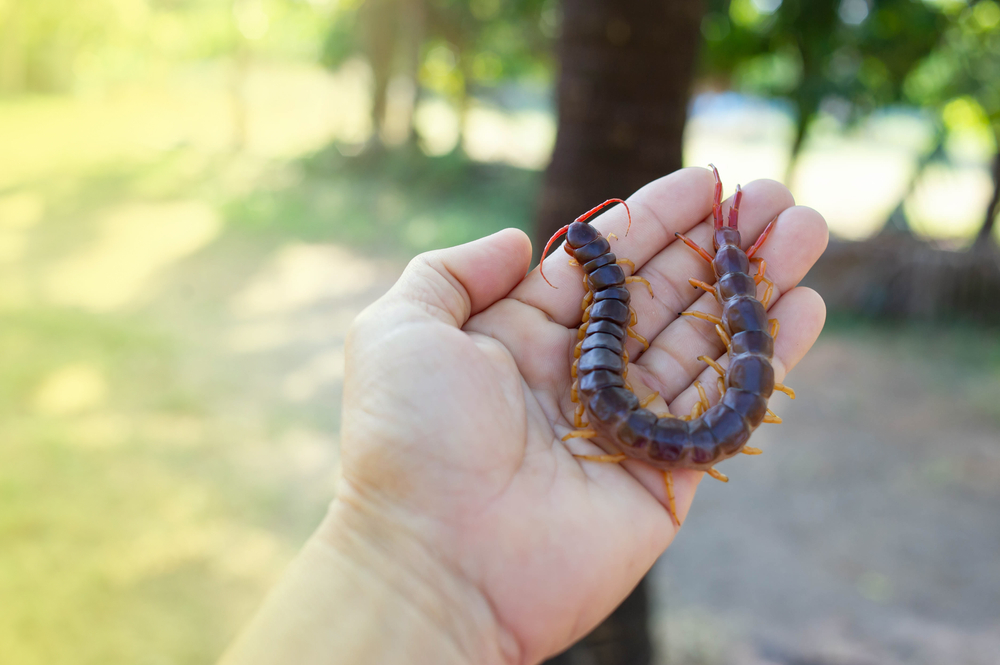
The Amazonian giant centipede is among the largest and most aggressive arthropods in existence. Reaching over a foot long, it hunts with terrifying efficiency using venom-injecting claws called forcipules. These allow it to immobilize prey instantly, which can include insects, frogs, snakes, and even small birds and rodents. Its segmented body and dozens of legs move in a rippling, hypnotic pattern that seems almost alien. The centipede is nocturnal and often hides beneath rocks or logs during the day, emerging under the cover of darkness to hunt.
Its venom is powerful enough to cause extreme pain, swelling, and fever in humans, though fatalities are rare. In its native South American forests, it plays an important role in controlling insect populations, but few creatures inspire more primal fear. It can climb walls, swim, and squeeze through cracks, making escape nearly impossible once it decides to strike. If these centipedes lived in the United States, homeowners in humid regions would face a new nightmare crawling through basements and bathrooms.
19. Blue-Ringed Octopus
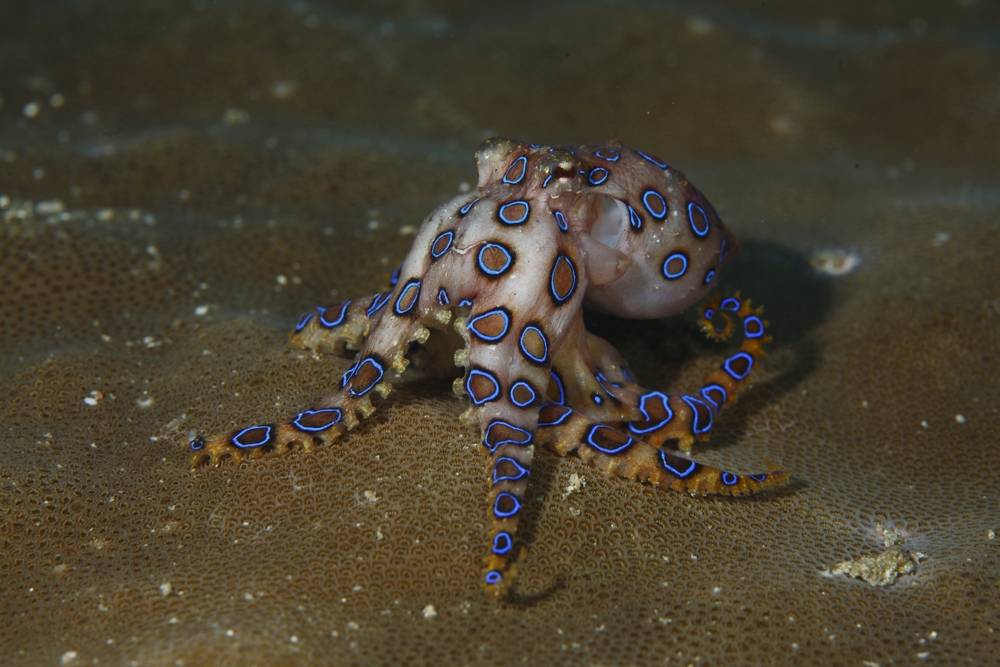
The blue-ringed octopus, found along the coasts of Australia, Japan, and Indonesia, is proof that deadly things often come in small packages. Barely the size of a golf ball, it hides in shallow tidal pools, blending perfectly with sand and coral. When threatened, its skin flashes bright blue rings as a vivid warning. Despite its beauty, this octopus carries a venom potent enough to kill multiple humans within minutes.
The toxin, known as tetrodotoxin, causes paralysis and respiratory failure, and there is no known antidote. Victims often feel numbness and difficulty breathing while remaining fully conscious. The octopus uses this same venom to hunt crabs and shrimp, delivering precise, fatal bites. Because it is small and unassuming, swimmers sometimes pick it up by accident, unaware of the danger. Thankfully, its natural habitat lies far from American shores. If it were to appear in U.S. coastal waters, even the calmest beach trips would require constant caution and protective gear for divers.
20. African Bullfrog
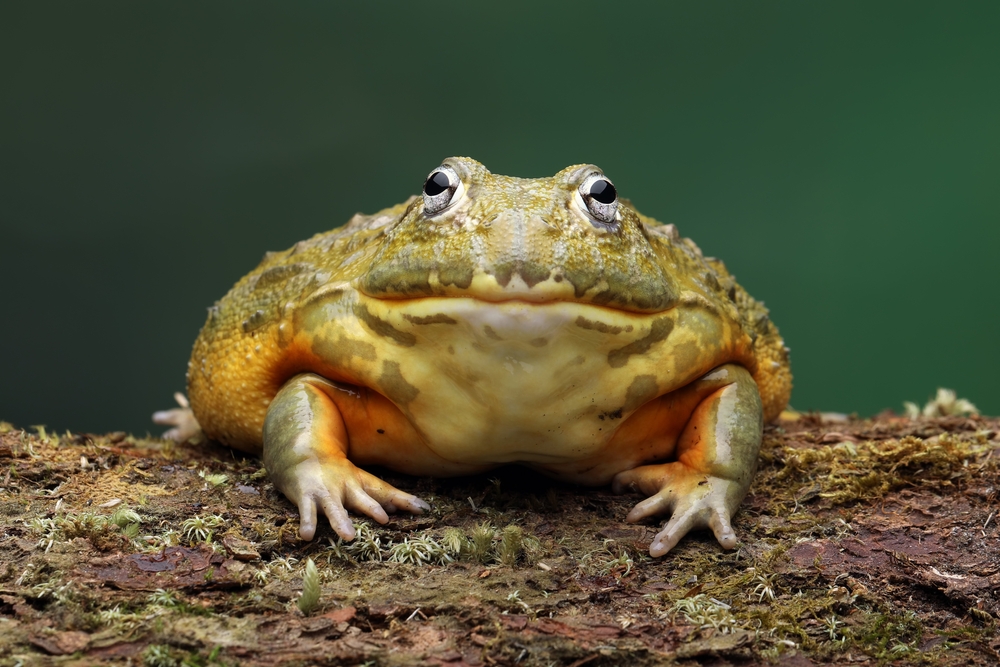
The African bullfrog is one of the largest and most aggressive frogs in the world, found throughout central and southern Africa. Adult males can weigh over two pounds and grow nearly ten inches long, making them powerful enough to take down small mammals and birds. Their wide mouths and strong jaws allow them to consume nearly anything that fits, including other frogs and even small snakes. What truly sets them apart is their fierce temperament.
When threatened, they puff up their bodies, emit loud, guttural croaks, and charge at intruders with surprising speed. Their bite can draw blood and cause deep bruising. Despite their aggression, male bullfrogs are devoted parents, fiercely guarding their offspring from predators and even carrying tadpoles in their mouths to move them to safer pools. These amphibians can burrow deep underground during dry seasons, sealing themselves in mucus cocoons to survive until rain returns. If such enormous and temperamental frogs existed in America, backyard ponds would quickly turn from peaceful attractions into chaotic battle zones.
21. Tarantula Hawk Wasp
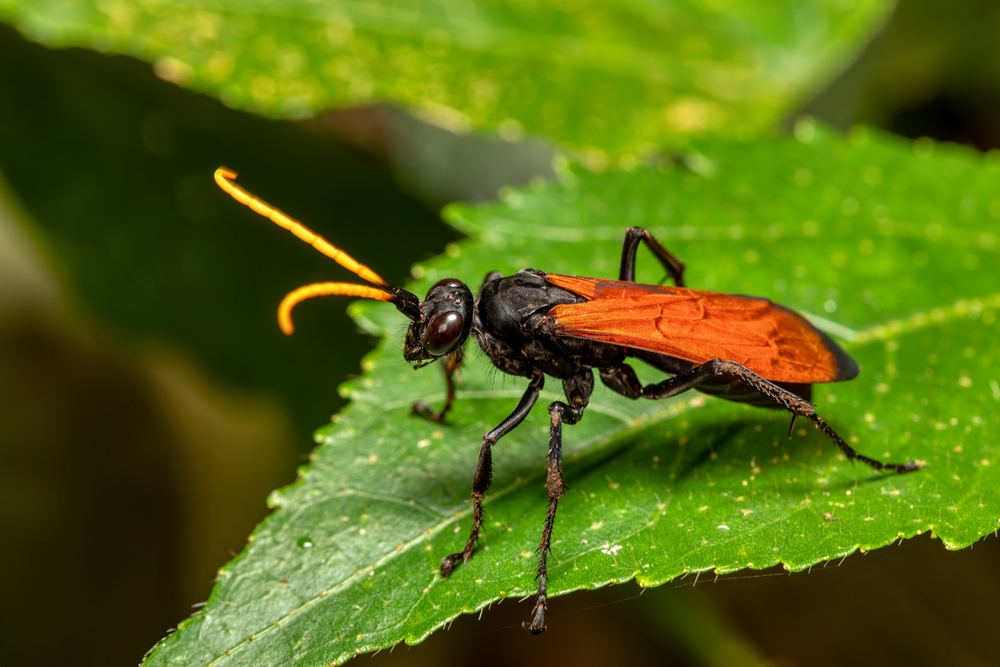
The tarantula hawk wasp is one of the largest and most fearsome wasps in the world, found in tropical regions of South America and parts of Africa. Reaching up to two inches long with gleaming blue-black bodies and orange wings, these wasps are both beautiful and terrifying. Their sting is ranked among the most painful of any insect, described as an intense burning that can leave a person incapacitated for minutes. The wasp uses its sting to paralyze tarantulas, dragging the helpless spider into a burrow where it lays an egg on the still-living victim. When the larva hatches,
it slowly consumes the spider from the inside, ensuring a fresh food supply. Adult wasps feed mostly on nectar, but they will attack any threat with unrelenting precision. Despite their frightening power, they are not aggressive toward humans unless provoked. If they were common in America, outdoor gardeners, hikers, and campers would live in constant fear of their silent approach and searing sting. Their dramatic life cycle remains one of nature’s most haunting examples of survival through precision and pain.
22. Vipertfish
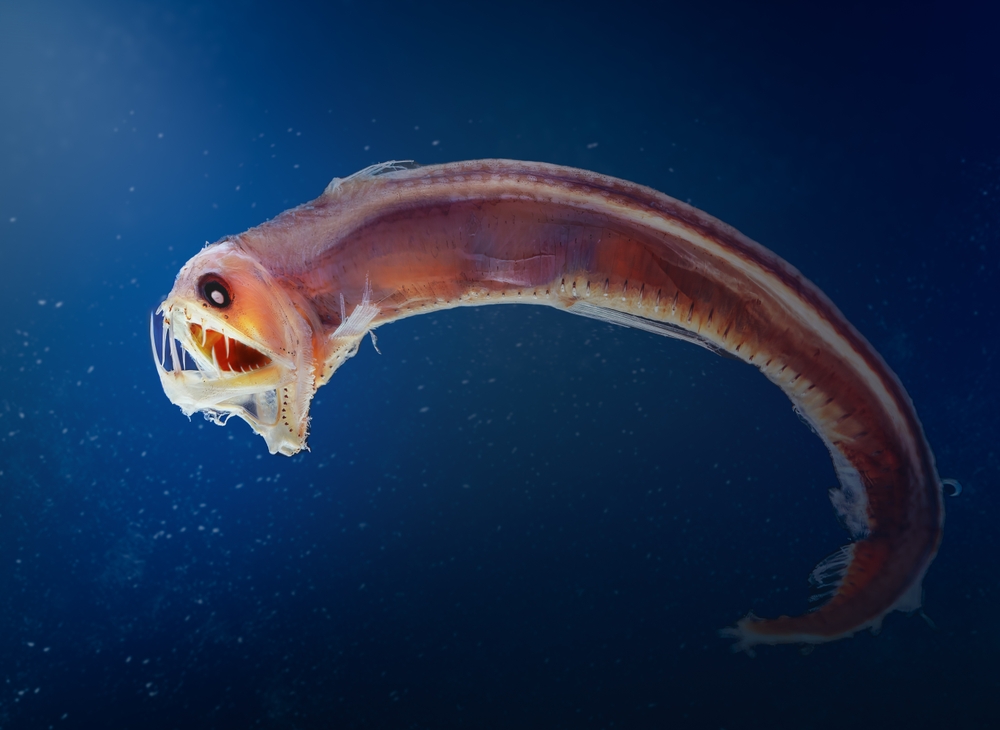
The viperfish, a creature of the ocean’s darkest depths, lurks far below the surface where sunlight never reaches. Found in waters near Japan, Indonesia, and other Pacific regions, it thrives in cold, high-pressure environments more than a mile underwater. Its long, slender body glows with bioluminescent organs that attract prey in the blackness. The viperfish’s most striking feature is its oversized mouth filled with needle-like teeth so long they curve backward into its skull.
These teeth are designed to impale prey instantly, preventing any chance of escape. The fish can open its jaws to nearly one-third of its body length, snapping shut with lightning speed to capture small fish and crustaceans. Its eerie appearance, including large, glassy eyes adapted for low light, has earned it a reputation as one of the ocean’s most nightmarish residents. If these fish roamed coastal American waters, deep-sea divers and fishermen would think twice before venturing too far into the abyss. The viperfish’s design proves that even without massive size, pure efficiency and stealth can make a creature terrifying.
23. Japanese Giant Hornet
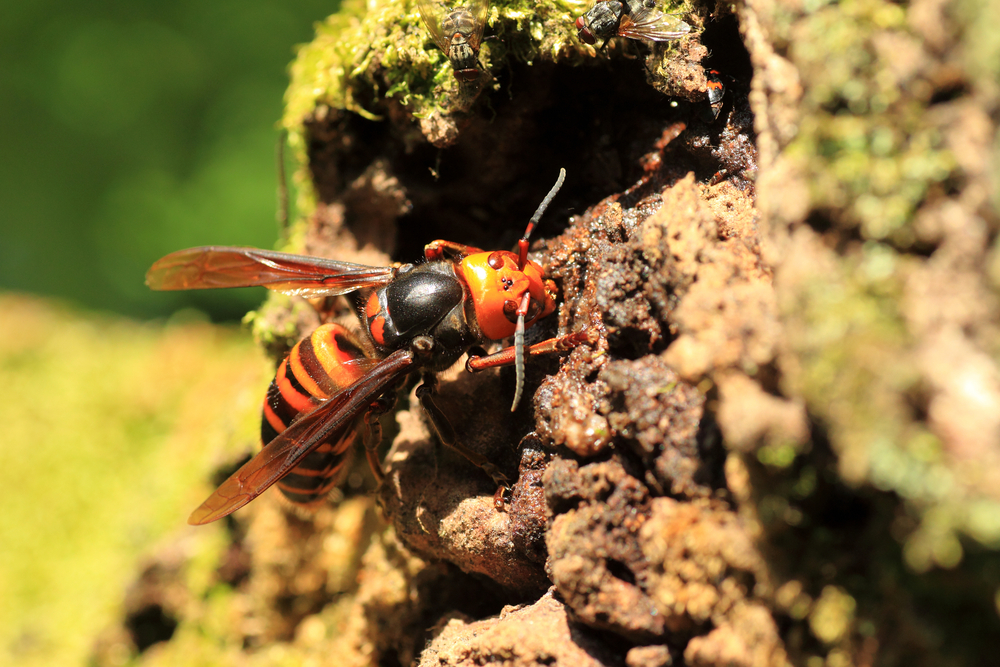
The Japanese giant hornet, native to the mountain forests of Japan, is one of the most feared insects in Asia. It can reach up to two inches in length with a wingspan of three inches and a stinger nearly a quarter-inch long. Its venom contains a powerful neurotoxin that attacks tissue and can trigger anaphylactic shock. What makes it especially dangerous is its organized, ruthless behavior when defending a nest. A small group of these hornets can obliterate entire honeybee colonies within hours, decapitating bees and carrying the bodies back to feed their larvae.
They can fly long distances and communicate attack pheromones that summon reinforcements. Even experienced beekeepers suit up in heavy, reinforced gear when dealing with them. While related hornet species have occasionally been spotted in North America, the Japanese giant hornet has not taken hold, sparing ecosystems from major disruption. If they ever established permanent populations in the United States, pollination patterns would suffer, and outdoor work during summer months would become far more dangerous. These insects combine strength, speed, and strategy in a way few other species can.
24. Electric Eel
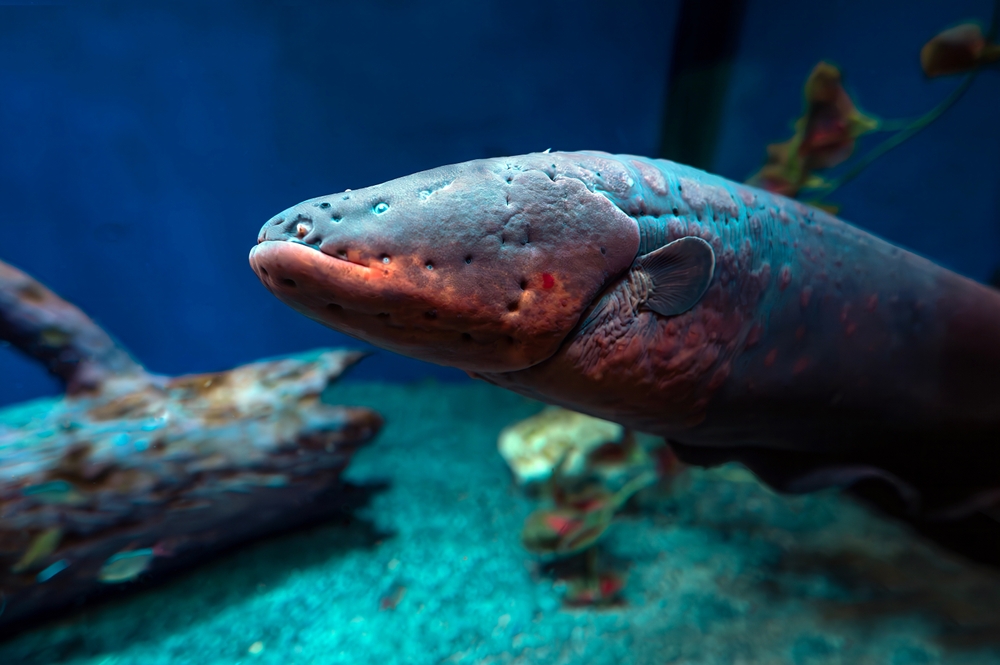
The electric eel, native to the murky rivers of the Amazon and Orinoco basins, is not a true eel but a knifefish. It can generate electric shocks up to 600 volts, enough to stun prey or deter large predators. This voltage can even knock a human unconscious in the water, leading to drowning. The electric eel uses specialized organs containing thousands of electrocytes to produce its charge. These discharges serve multiple purposes, from navigation and communication to stunning prey like fish, amphibians, and small mammals.
The eel can produce short bursts for hunting or prolonged pulses for defense. Some individuals reach lengths over eight feet and can leap from the water to deliver shocks directly into potential threats. They prefer slow-moving or stagnant water, often lying motionless before striking. In their native environment, they are apex predators, but their power demands respect. If these creatures inhabited American rivers and lakes, fishing, swimming, and boating would carry risks far greater than tangling with a snapping turtle. The idea of a fish capable of delivering a lightning strike is both fascinating and terrifying.
25. Irukandji Jellyfish
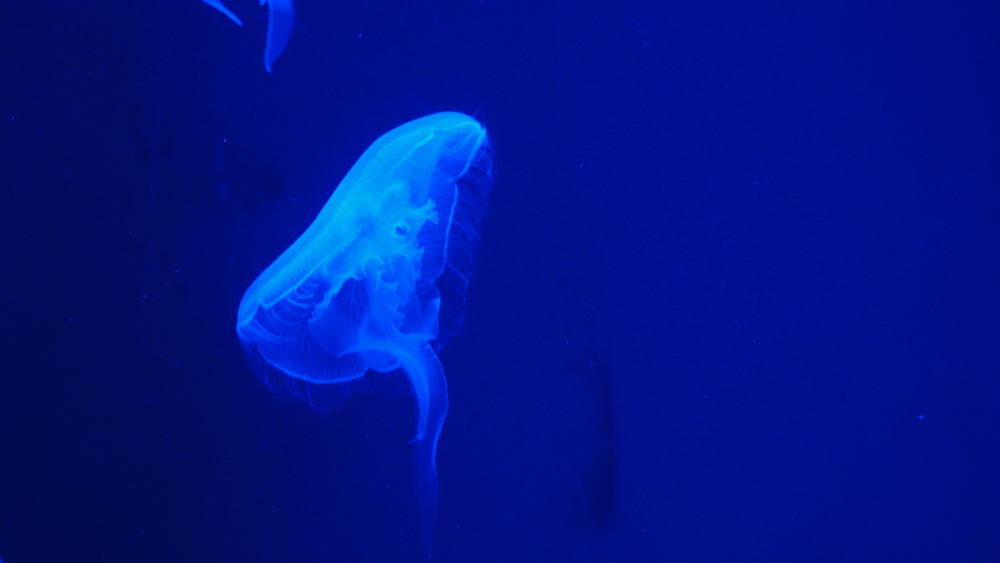
The Irukandji jellyfish, found in northern Australian waters, proves that danger often comes in the smallest packages. Measuring barely a cubic centimeter, this nearly invisible jellyfish packs venom capable of causing a severe reaction known as Irukandji syndrome. Victims experience intense pain, vomiting, muscle cramps, and in severe cases, heart failure. Because of its tiny size, swimmers rarely see it until after being stung. The jellyfish’s tentacles, which can extend several feet, are covered in microscopic stinging cells that inject toxins instantly upon contact.
Hospitals in affected regions are equipped with emergency treatments specifically for these stings, as symptoms can escalate rapidly. During jellyfish season, entire beaches close to protect swimmers from harm. The Irukandji’s transparency makes it impossible to detect even in clear water. Were it to appear in American coastal regions, it would turn warm ocean swimming into a serious hazard, particularly in tropical areas like Hawaii or the Florida Keys. This minuscule creature serves as a reminder that size has little to do with lethality in nature’s design.
26. Harlequin Toad
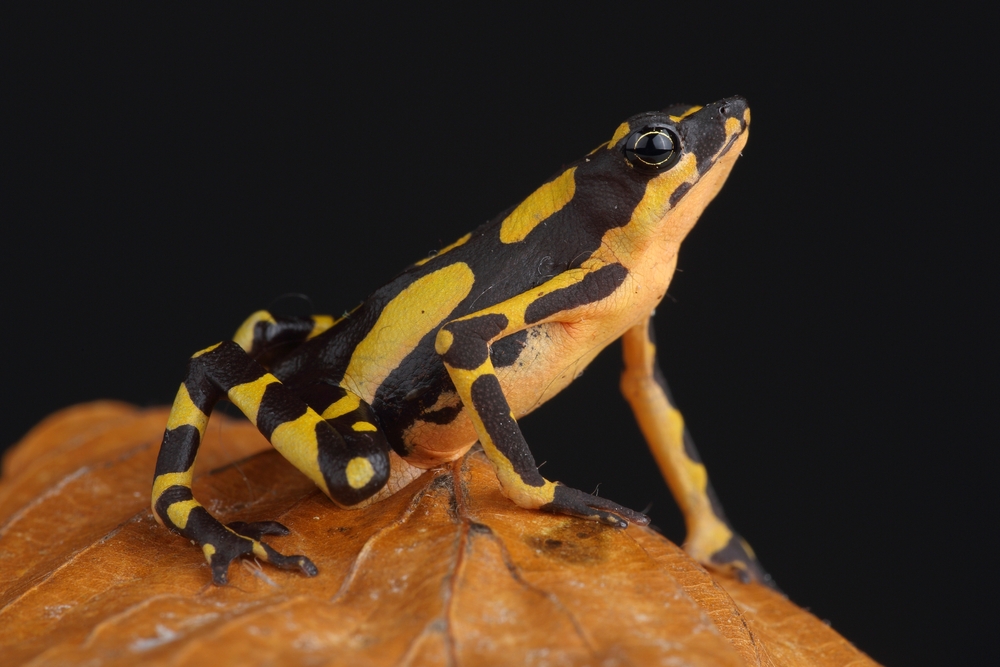
The harlequin toad, native to the tropical rainforests of Central and South America, is one of the most visually stunning amphibians in the world, but its beauty hides danger. Its skin secretes powerful toxins that can cause severe irritation, muscle spasms, and in some species, even death if ingested or absorbed in large quantities. The toad’s bright colors, which range from electric blue and neon yellow to deep red and black, serve as a warning to predators that it is far from safe to eat. These amphibians thrive in humid, moss-covered habitats near streams where they feed on small insects and other invertebrates.
Sadly, many harlequin toad species are endangered due to habitat loss and environmental changes. While their ecological role as insect controllers is valuable, their toxicity makes them a risky companion for humans. If these vividly colored toads lived in America, their visual appeal might tempt pet owners or children to handle them, leading to dangerous exposure. Their combination of beauty and poison makes them both a marvel of evolution and a reminder that appearances can deceive in the wild.
27. Giant Freshwater Stingray
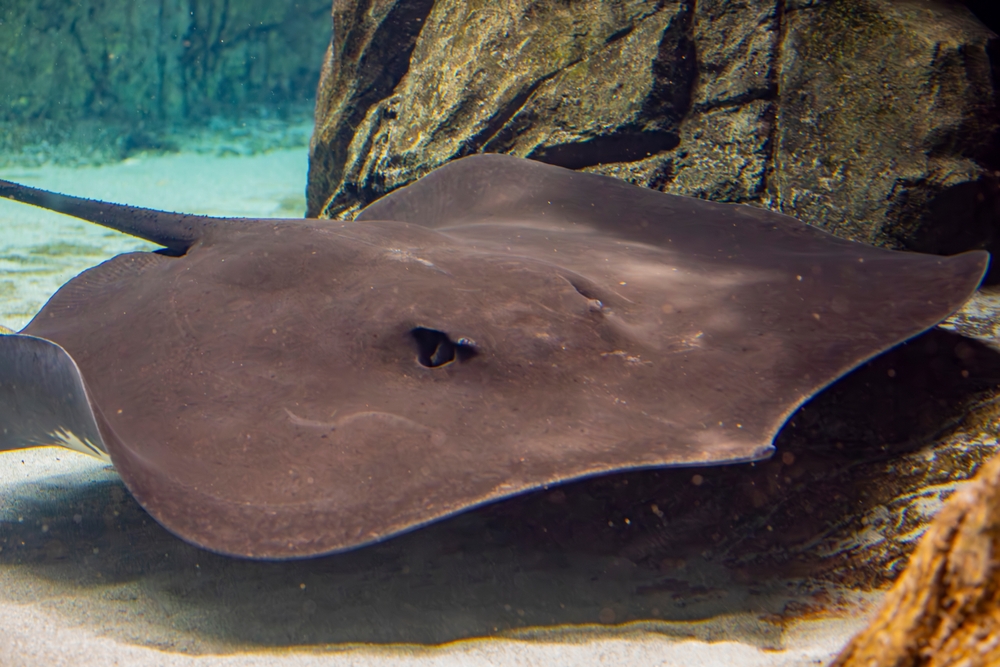
Found in the murky rivers of Southeast Asia, the giant freshwater stingray is a true aquatic giant, reaching lengths of up to 16 feet and weighing over 1,300 pounds. Its flattened body allows it to glide effortlessly along riverbeds, stirring up clouds of silt as it hunts for crustaceans and small fish. What makes it so dangerous is the long, venomous barb at the base of its tail. This stinger, which can measure more than a foot in length, is capable of piercing bone and has caused serious injuries to fishermen who accidentally step on or catch it.
Despite its intimidating appearance, the stingray is generally shy and prefers to flee rather than fight, but when cornered, it can strike with lightning speed. The wounds caused by its stinger are excruciating and prone to infection due to the bacteria present in muddy water. The stingray’s sheer size and strength mean that even seasoned divers must treat it with respect. If it inhabited American rivers, routine fishing trips and river recreation would require heavy protective gear and constant caution.
28. Marabou Stork
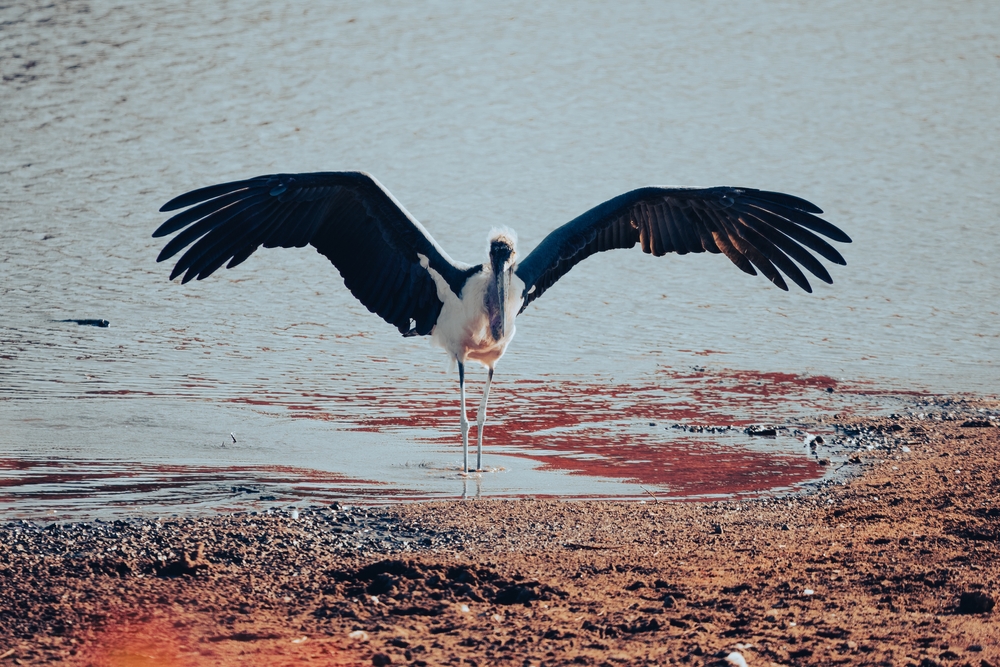
The marabou stork, native to sub-Saharan Africa, is an enormous bird that evokes both fascination and fear. Standing up to five feet tall with a wingspan exceeding ten feet, it has a bald pink head, a massive bill, and ragged feathers that give it a ghostly appearance. This scavenger feeds primarily on carrion and garbage, often gathering near human settlements and landfills. It plays an essential ecological role by cleaning up decaying matter, but its feeding habits and corpse-like appearance make it deeply unsettling.
The bird’s dark feathers resemble a cloak, and when it stands motionless in the heat haze, it looks like a grim figure watching over the savanna. Marabou storks can also be aggressive when defending food, using their sharp beaks to jab at competitors. Their deep, rattling throat sounds add to their ominous reputation. If these giant scavengers existed in America, they would likely dominate dump sites and city outskirts, unnerving residents with their size and morbid feeding habits. Their nickname, “the undertaker bird,” captures their eerie presence perfectly.
29. Taipan Sea Snake
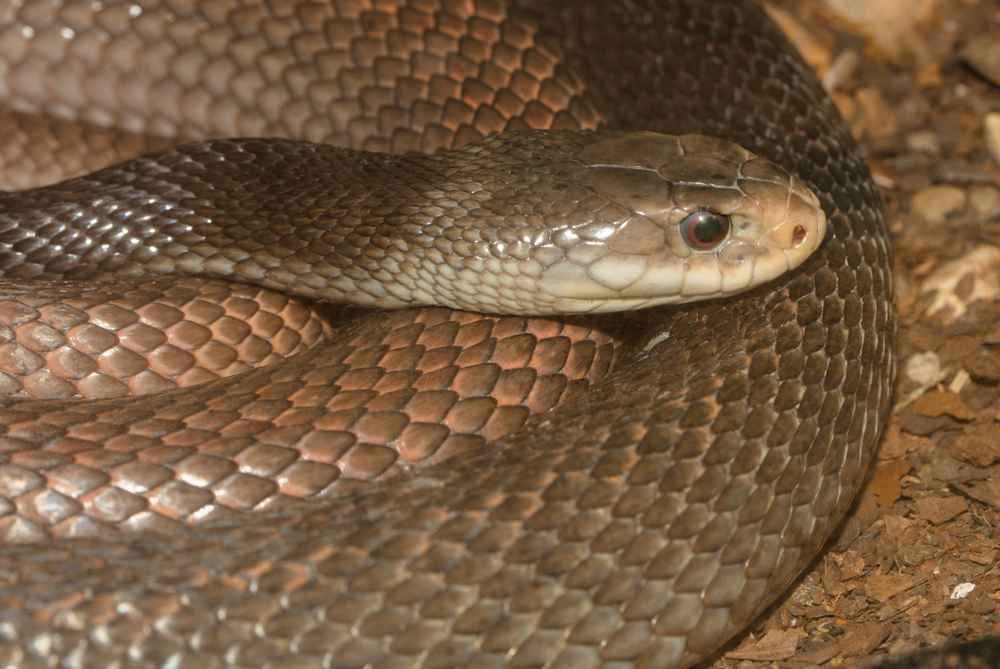
The taipan sea snake, found in the warm waters of the Pacific and Indian Oceans, is one of the most venomous marine reptiles ever discovered. Its slender, muscular body and paddle-shaped tail allow it to move gracefully through coral reefs while hunting small fish and eels. The snake’s venom contains potent neurotoxins that can cause paralysis and respiratory failure in minutes, though it rarely bites humans unless handled or threatened. Adapted to life underwater, it can remain submerged for extended periods by absorbing oxygen through its skin.
Despite their lethal potential, sea snakes are calm and often curious, sometimes swimming near divers without aggression. Their brilliant banded patterns of yellow, black, and gray make them visually striking but also serve as a warning sign in nature’s language. If these snakes appeared in American coastal waters, every snorkeling trip and dive expedition would come with heightened risk. Fishermen would have to check their nets cautiously, and surfers would think twice before entering certain tropical bays. This graceful yet deadly snake shows just how diverse and dangerous ocean life can be outside American waters.
30. Giant Weta
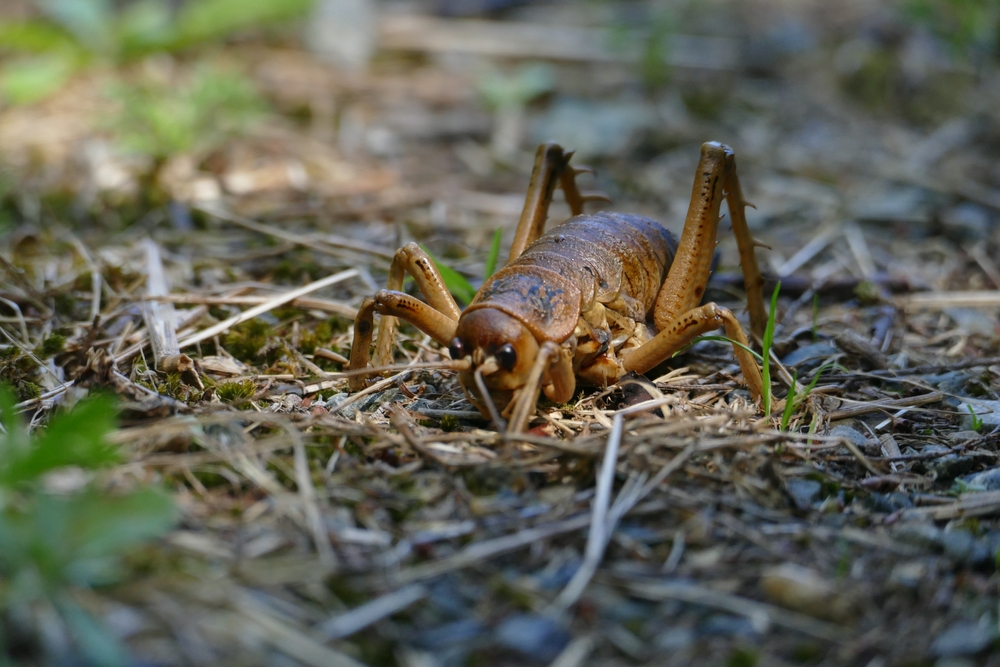
Native to New Zealand, the giant weta is one of the heaviest insects on Earth, sometimes weighing more than a sparrow. Belonging to the same family as crickets and grasshoppers, it measures up to four inches long, not including its legs and antennae. Despite its monstrous appearance, the weta is harmless and primarily herbivorous, feeding on leaves, fruit, and seeds. Its large body and spiny legs make it look prehistoric, resembling a creature that time forgot.
The giant weta prefers cool, damp environments and is mostly nocturnal, spending daylight hours hiding in logs or burrows. Its slow movements and intimidating size can easily trigger fear in anyone who encounters it unexpectedly. When threatened, it hisses by rubbing its legs together, a sound that only adds to its unsettling presence. If these massive insects existed in America, they would quickly become the subject of urban legends and late-night horror stories. Few people would remain calm seeing a bug the size of a mouse crawl across their porch, even if it posed no real danger.
Each Species Plays A Part
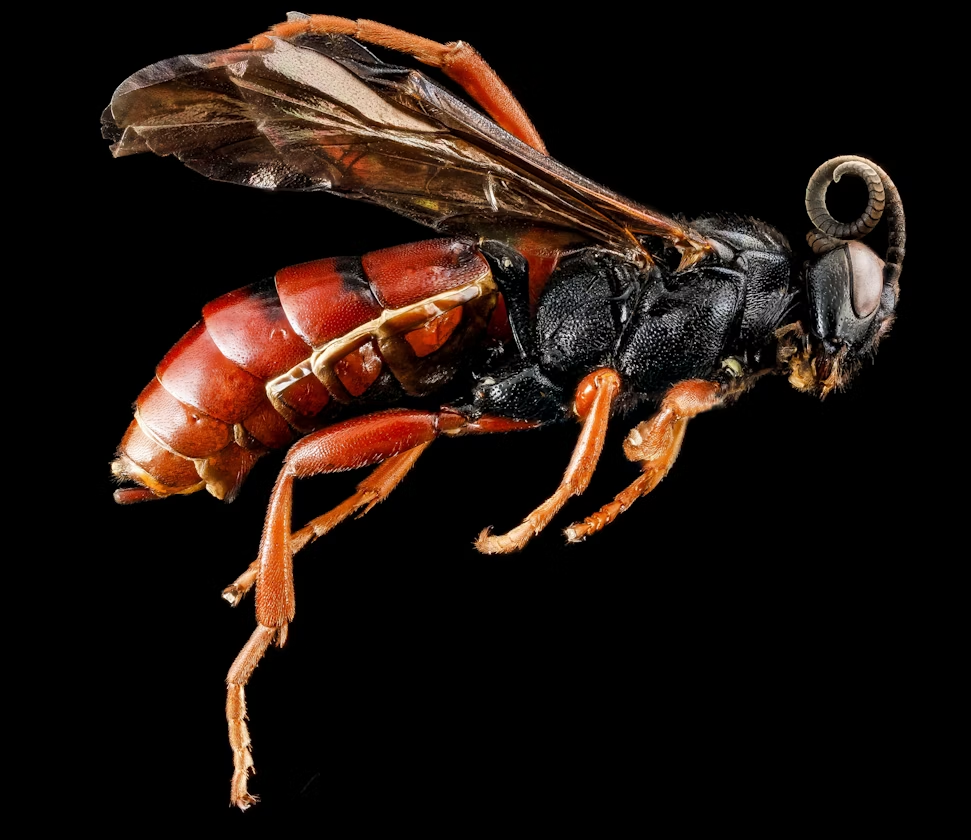
From the massive saltwater crocodile to the tiny but lethal Irukandji jellyfish, the world’s most dangerous creatures prove that nature values balance over comfort. Each species plays an essential role where it belongs, controlling populations and maintaining ecosystems that depend on them. Still, it is reassuring to know that most of them live oceans away from American shores. For those who enjoy exploring the wild, it is a comforting thought that these terrifying predators remain safely out of reach, thriving in the corners of the world where danger still rules the food chain.
Read More: Coyotes Can’t Tolerate and Stay Far Away From These 13 Animals
Disclaimer: This article was created with AI assistance and edited by a human for accuracy and clarity.