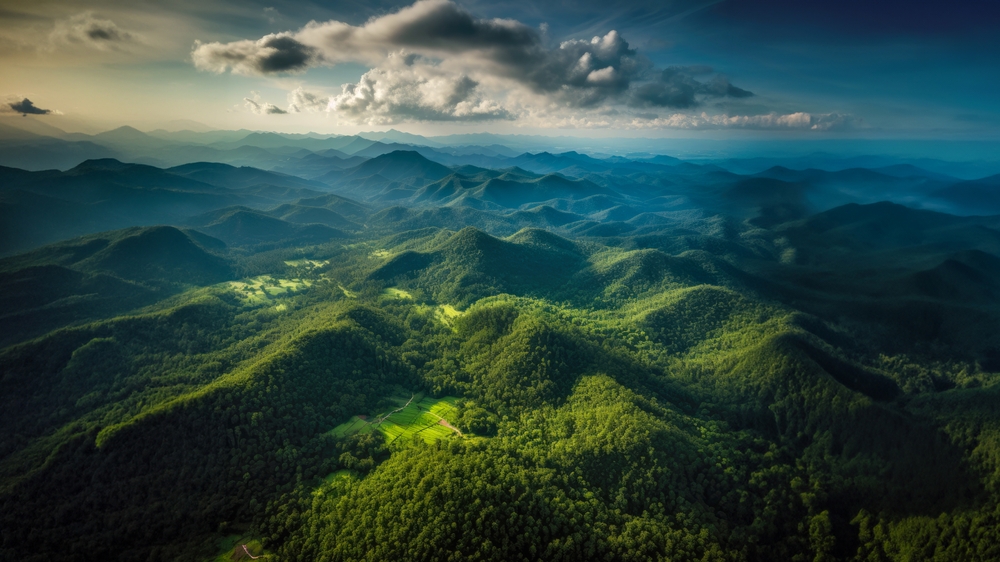

Beauty does not arrive in one fixed form. In some places, it rises out of cliffs, glaciers, and forests. In others, it comes from ancient stone, city planning, or the way water and light meet at exactly the right angle. The places in this article are different in climate, scale, and mood, but they all have one thing in common. They stay with you. Some feel grand and overwhelming. Others feel quiet and almost unreal. All of them remind you that the world still holds places capable of stopping people in their tracks.
Victoria Falls, Zimbabwe and Zambia
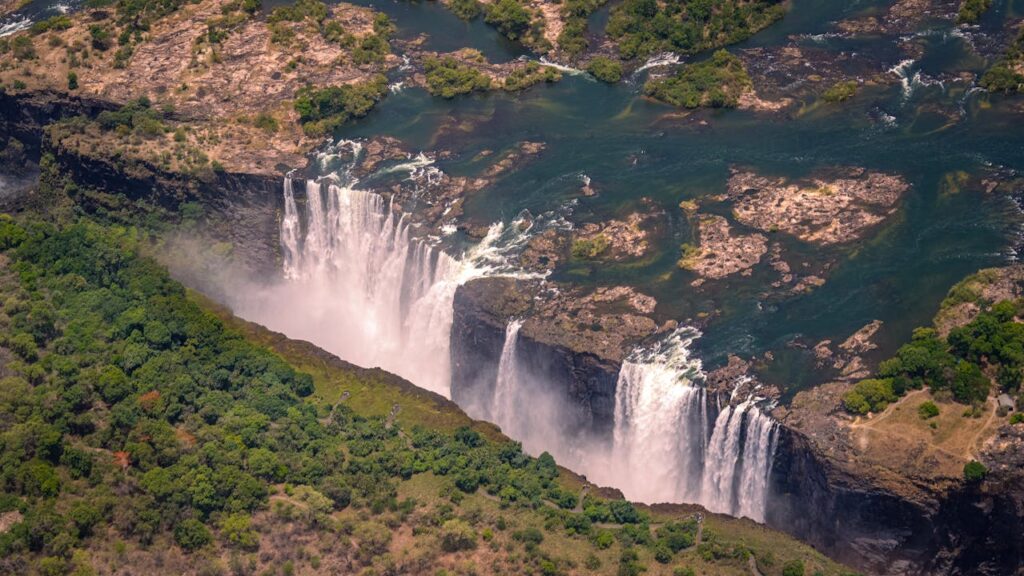
Victoria Falls is the kind of place that overwhelms people before they can even fully process what they are seeing. Set along the Zambezi River at the border of Zimbabwe and Zambia, it is often described as the largest sheet of falling water in the world when both width and height are considered together. That helps explain why it feels less like a pretty waterfall and more like a full event. The spray rises so heavily that the air itself seems to change around it, which also explains the older local name, “the smoke that thunders.” It is not only the sight that leaves a mark. It is the sound, the force, and the sense that nature has gone all in here. Some famous places feel slightly smaller in person than they do in photographs. Victoria Falls does the opposite. It feels louder, wilder, and more physically present than most people expect. That is what makes it one of the strongest openings to any list of beautiful places. It does not ask politely for your attention. It takes it at once and keeps it.
Paris, France
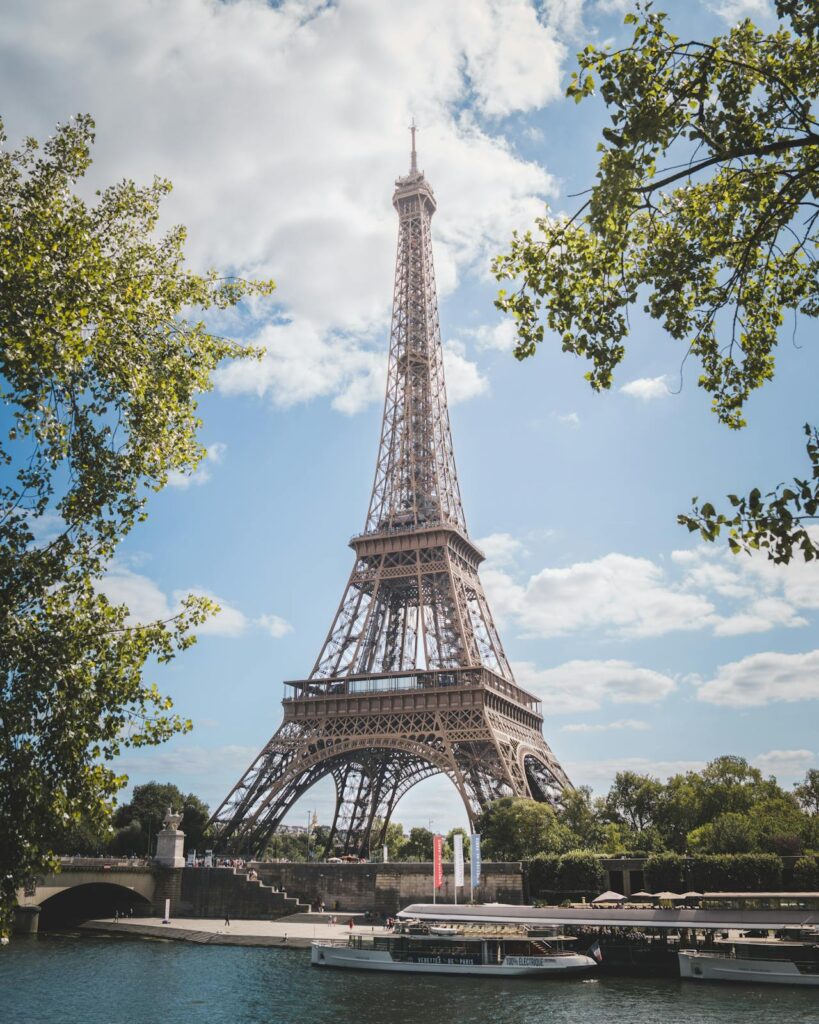
Image credit: Pexels
Paris remains one of the most admired cities in the world because its beauty is built into daily life rather than saved for a few landmarks. Yes, the Eiffel Tower matters, and so do the Louvre, the Seine, and the city’s famous gardens. But the real power of Paris often comes from the spaces in between. Tree-lined boulevards, old apartment façades, cobbled streets, bridges, cafés, and the rhythm of the neighborhoods all contribute to the feeling that the city was shaped with visual pleasure in mind. That is why Paris can still impress people who arrive thinking they already know it through film, photography, and endless cultural references. It still feels distinct. There is a softness to the city’s beauty, but also structure. It is elegant without becoming fragile. It is grand without always needing to announce itself. Even a simple walk can feel cinematic there, which is one reason the city keeps its place in conversations about the most beautiful places on Earth. It is not trying to shock you. It simply keeps rewarding attention.
Amazon Rainforest, South America
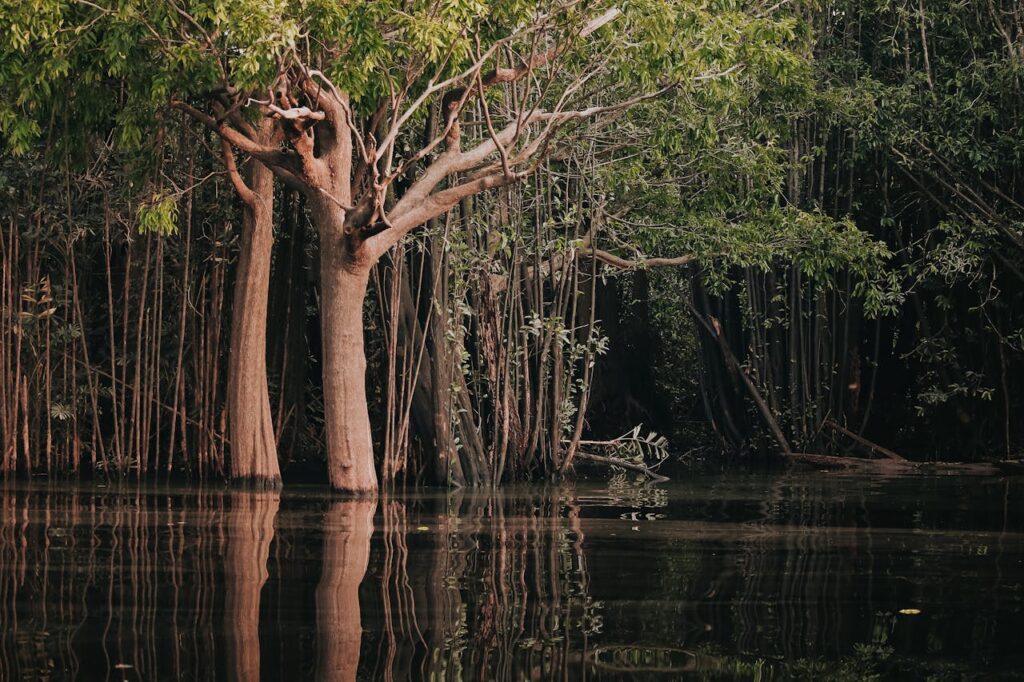
The Amazon is beautiful in a way that feels bigger than scenery. It is not a tidy destination built around one perfect viewpoint. It is a living system so large and ecologically important that beauty and scale become inseparable. Stretching across eight South American countries and French Guiana, the Amazon covers an enormous amount of land and holds an extraordinary range of plant and animal life. That alone makes it feel different from many other entries on this list. The beauty here comes partly from what you can see and partly from what you know you cannot possibly take in all at once. Dense forest, immense river systems, staggering biodiversity, and the knowledge that so much life is unfolding just beyond sight all add to the experience. The Amazon feels beautiful because it is so complete. It is not decorative. It is foundational. It reminds people that some landscapes matter not only because they look impressive, but because they are among the great living structures of the planet. That kind of beauty carries weight.
Lapland, Finland
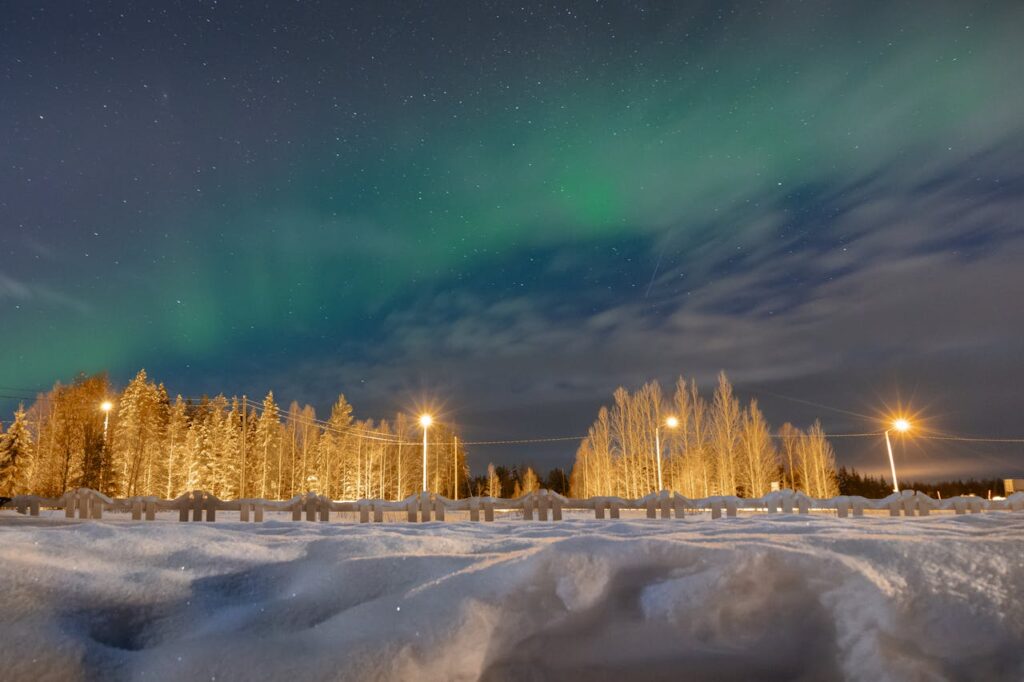
Image credit: Pexels
Lapland has the kind of beauty that depends on atmosphere as much as landscape. In the northernmost part of Finland, the region moves between extremes, endless summer light on one side of the year and long, aurora-lit darkness on the other. The northern lights are an obvious part of the draw, but they are not the whole story. Lapland also offers forests, lakes, waterfalls, and winter scenery that feels almost impossibly still when snow settles over everything. That stillness is part of the appeal. Some beautiful places impress through color and spectacle. Lapland often works through quiet. The skies glow, the trees hold their shape, and the whole landscape can feel like it has stepped out of time. It is one of those places where cold becomes part of the beauty instead of a barrier to it. The region feels magical without needing to pretend. It’s natural rhythm already does the work. That is why Lapland remains such a powerful idea in people’s minds, even if they have never been there. It feels both real and otherworldly at once.
Torres del Paine National Park, Chile
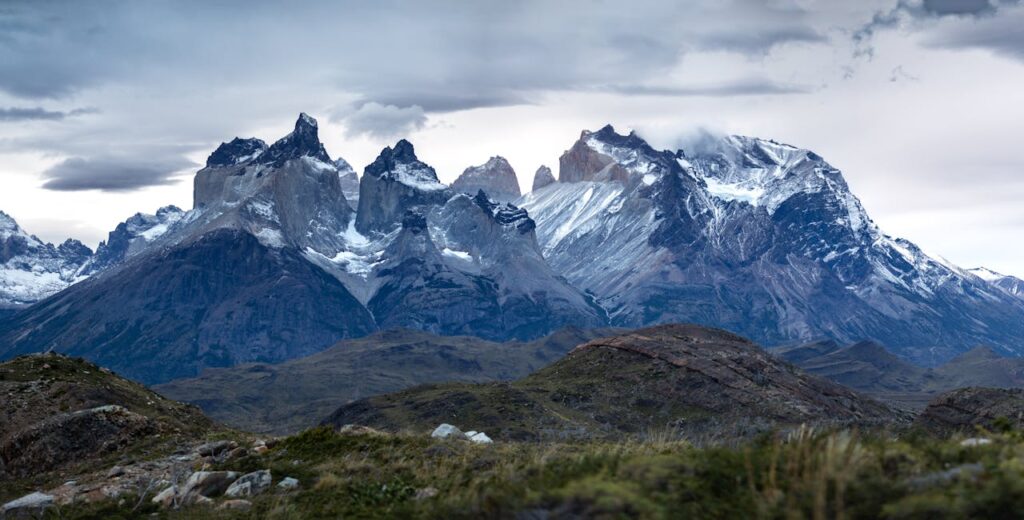
Image credit: Pexels
Torres del Paine National Park is one of those places that looks designed to make people stop talking. The famous granite towers rise behind bright turquoise water, and the larger Patagonian setting adds open space, shifting weather, and wildlife that only sharpens the feeling of wildness. Pumas, flamingos, guanacos, and Andean condors all belong to this landscape, which helps it feel alive rather than merely scenic. The contrast between the rock formations and the color of the water is part of what makes it so memorable. It looks sharp, clean, and almost too dramatic to be real. Yet it does not feel artificial or polished. It feels raw in the best way. Patagonia has a reputation for making people feel small, and Torres del Paine earns that reputation easily. It is not just beautiful because it is photogenic. It is beautiful because it feels large, complete, and physically powerful. Some places invite admiration. This one inspires a kind of respect, too.
Arashiyama Bamboo Grove, Japan
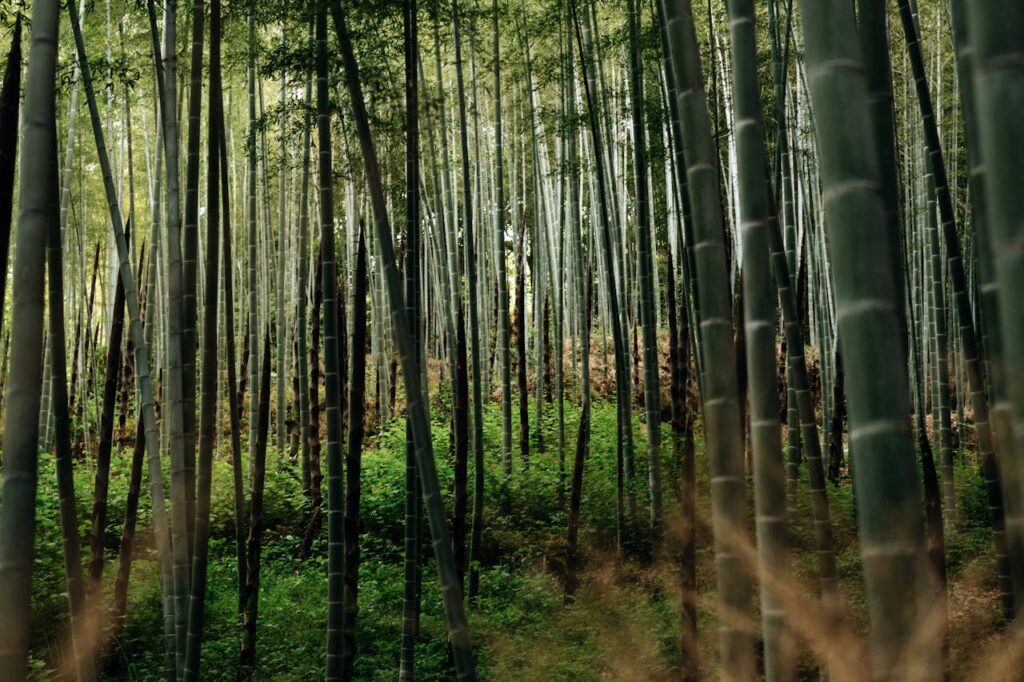
Image credit: Pexels
Arashiyama Bamboo Grove in Kyoto is beautiful in a completely different register from places like Victoria Falls or Torres del Paine. It does not overwhelm through scale or force. It works through enclosure, texture, and light. The bamboo rises high above the path, creating green corridors where sunlight filters through in narrow bands. That changes the feeling of movement through the space. A walk becomes more focused, quieter, and almost slightly unreal. The grove has a calm presence that makes it easy to understand why it continues to hold such a strong appeal. It is a place where visual repetition becomes soothing instead of dull. Every stalk belongs to the same world, but the movement of light keeps the scene shifting. Nearby gardens and villa grounds extend that mood, which makes the whole visit feel cohesive rather than limited to one famous pathway. Arashiyama proves that some of the world’s most beautiful places are not always the loudest. Sometimes beauty arrives by narrowing the frame and letting one atmosphere take full control.
Banff National Park, Canada
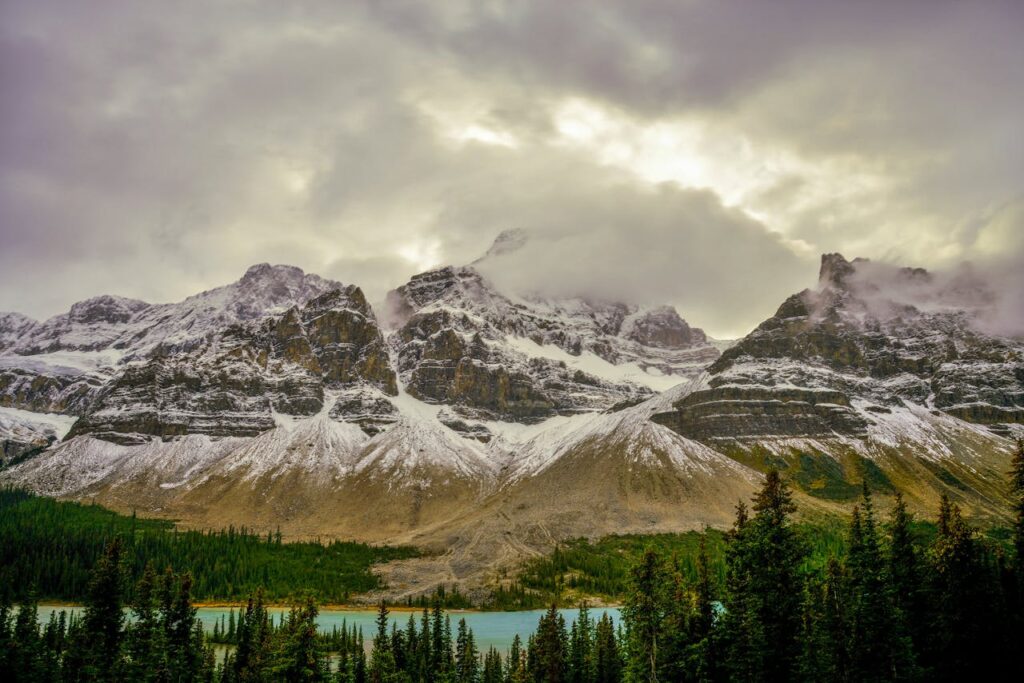
Image credit: Pexels
Banff National Park holds the kind of scenery people often think must be exaggerated when they first see it in photographs. The lakes are that blue. The mountains really do rise that cleanly behind them. The park is full of glaciers, hiking routes, steep peaks, and deeply recognizable views that make it one of the most celebrated landscapes in North America. Lake Louise is perhaps the best-known image, but the wider park keeps the same visual strength over and over again. What makes Banff especially compelling is that it feels abundant. The beauty is not concentrated in one small zone. It keeps unfolding. A drive, a trail, a turn in the road, or a shift in weather can all produce another view that feels worth stopping for. That kind of consistency is rare. Banff also has a sense of purity that many people associate with mountain beauty at its best, bright water, sharp air, and a landscape that feels both inviting and immense. It is easy to see why it stays on so many bucket lists.
The Alhambra, Spain
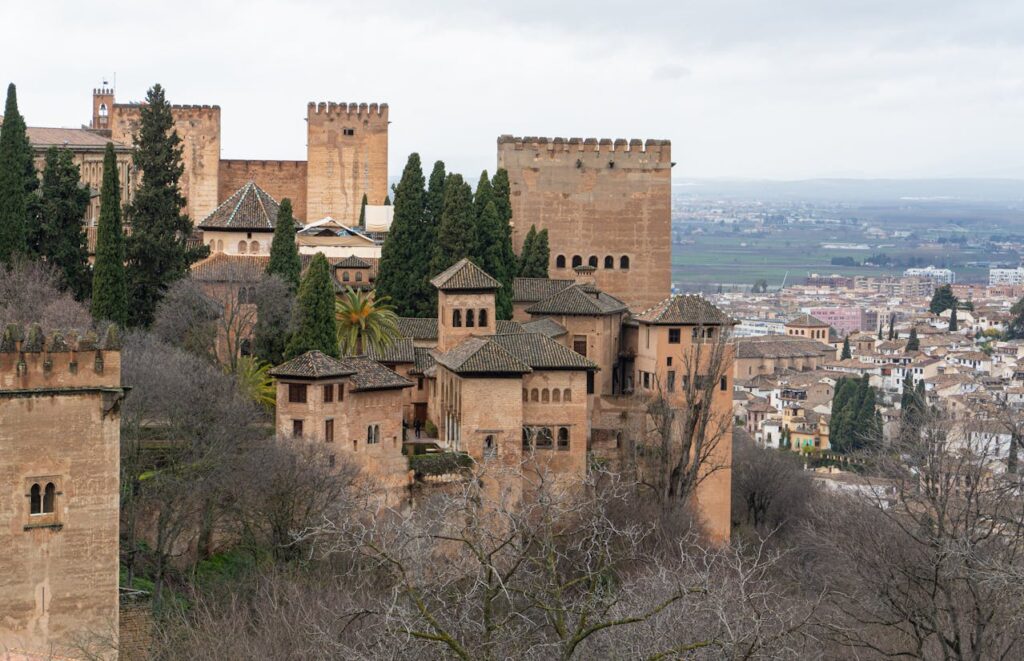
Image credit: Pexels
The Alhambra in Granada is beautiful because it keeps offering more than one kind of pleasure at the same time. It is a fortified palace complex, but it is also a place of gardens, patterned walls, towers, arches, and courtyards that unfold with extraordinary care. Built and expanded over centuries, it reflects both Islamic and Spanish Renaissance design, and that layering gives it unusual richness. The Alhambra does not feel like a single monument. It feels like a full world of architecture. Every surface seems to reward attention, and every turn offers another balance of proportion, ornament, and setting. Its position above Granada only strengthens the effect. The whole place carries a sense of history without becoming heavy or distant. Instead, it remains visually alive. That is one reason it continues to leave such a strong impression on visitors. It shows how human-made beauty can match the emotional force of even the most dramatic natural landscape. The Alhambra is proof that craftsmanship, space, and patience can create wonder that lasts for centuries.
Dominica
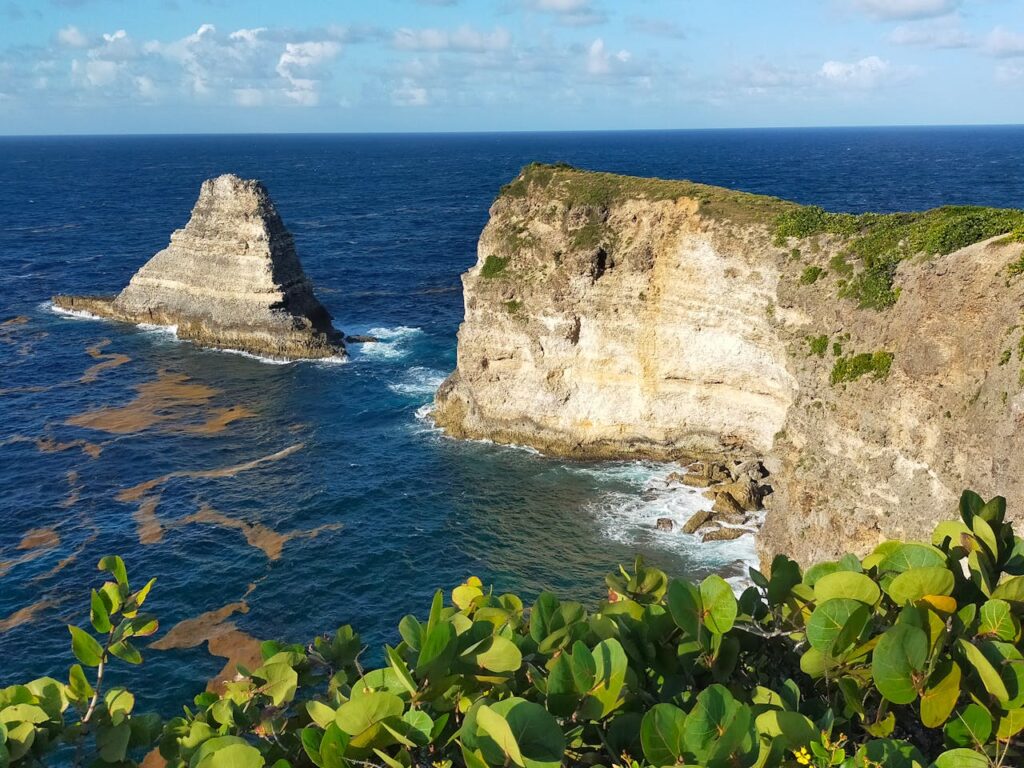
Image credit: Pexels
Dominica stands apart in the Caribbean because it still feels relatively unspoiled. While many islands in the region are defined by heavy resort development and cruise traffic, Dominica keeps more of its natural identity in view. Black- and white-sand beaches, rainforest hikes, volcanic features, and clear waters all contribute to a landscape that feels more grounded and less overdesigned. That difference matters. The beauty of Dominica comes partly from the fact that it does not look like a polished fantasy built for travelers. It feels like an island with its own rhythm, one where nature still leads and tourism follows. That is part of why it has such a strong effect on people looking for something beyond the usual beach postcard. Dominica offers lushness, texture, and a kind of wild calm that can be hard to find in more built-up tropical destinations. It proves that beauty often deepens when a place keeps more of its original character intact.
Vatnajökull National Park, Iceland
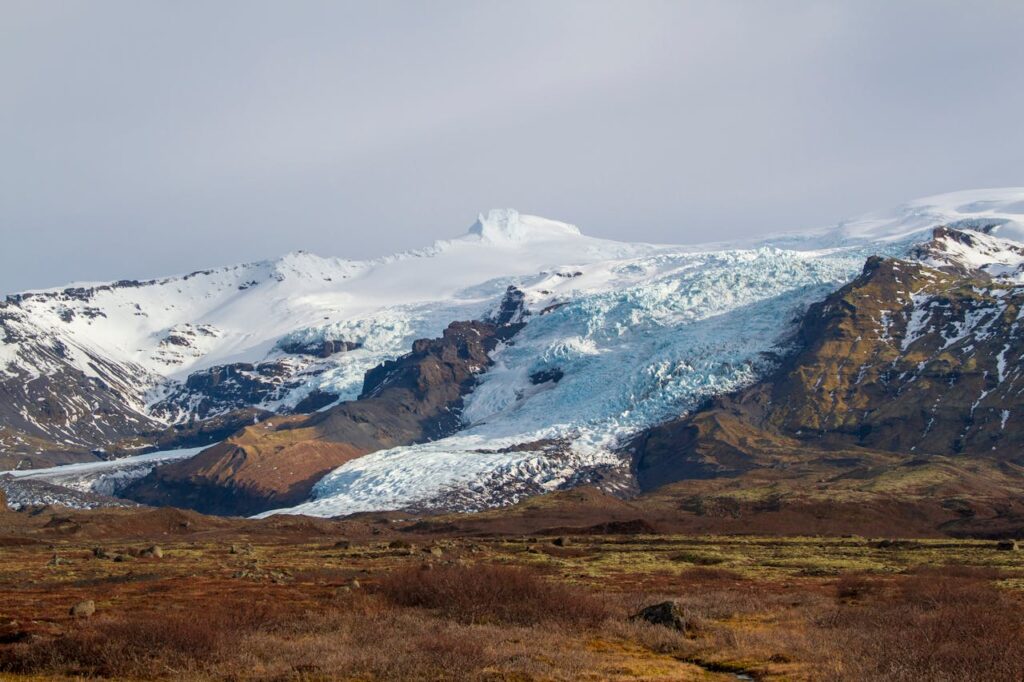
Vatnajökull National Park feels like an exercise in how many forms frozen beauty can take. The area includes glaciers, bright blue ice caves, sculpted ice formations, and floating icebergs, all linked to Europe’s largest glacier. The effect is not merely cold. It is vivid. Icelandic ice has a way of holding color inside it, especially those glowing shades of blue that make the caves feel illuminated from within. That quality gives the park a strange visual intensity. It does not look blank or empty. It looks sculptural and alive in its own way. The surrounding landscape adds even more contrast, often bringing in volcanic terrain and dark ground that makes the ice appear brighter. It is easy to understand why film productions have been drawn there. The place already looks cinematic without any help. Yet what makes Vatnajökull so memorable is not just that it photographs well. It is that it gives visitors a rare feeling of standing inside a frozen environment that still seems to move, change, and glow around them.
Great Barrier Reef, Australia
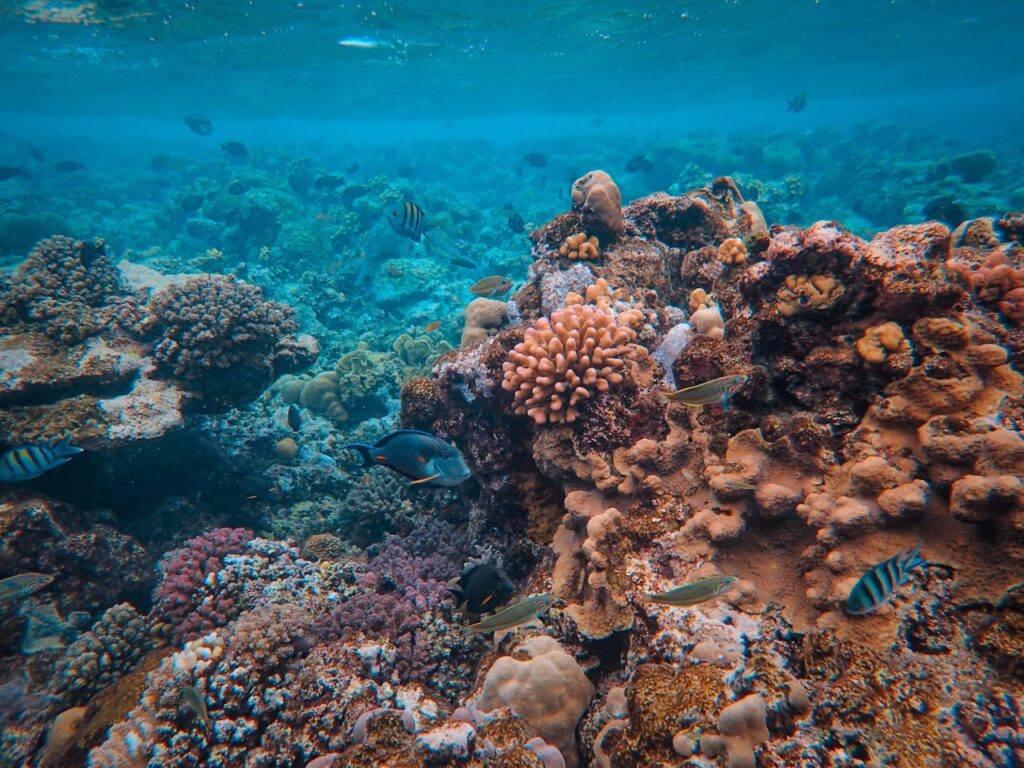
Image credit: Pexels
The Great Barrier Reef is one of those places where scale alone would justify the fame. It is the largest coral reef ecosystem in the world, stretching across an enormous area off the coast of Queensland. But the reason it stays so firmly in people’s imaginations goes beyond size. The reef is alive with color, structure, and marine movement. Seen from above, it becomes a pattern of blue water, reef formations, and shallows that almost looks designed. Seen more closely, it becomes a living environment full of fish, coral, and a level of biological richness that turns the scenery into something dynamic rather than static. That combination is what makes it such a powerful entry on any beauty list. It is visually stunning, but also deeply alive. The reef is not just beautiful because it looks good in a photograph. It is beautiful because it shows how much complexity and color the natural world can hold when it is functioning at such a large scale.
Petra, Jordan
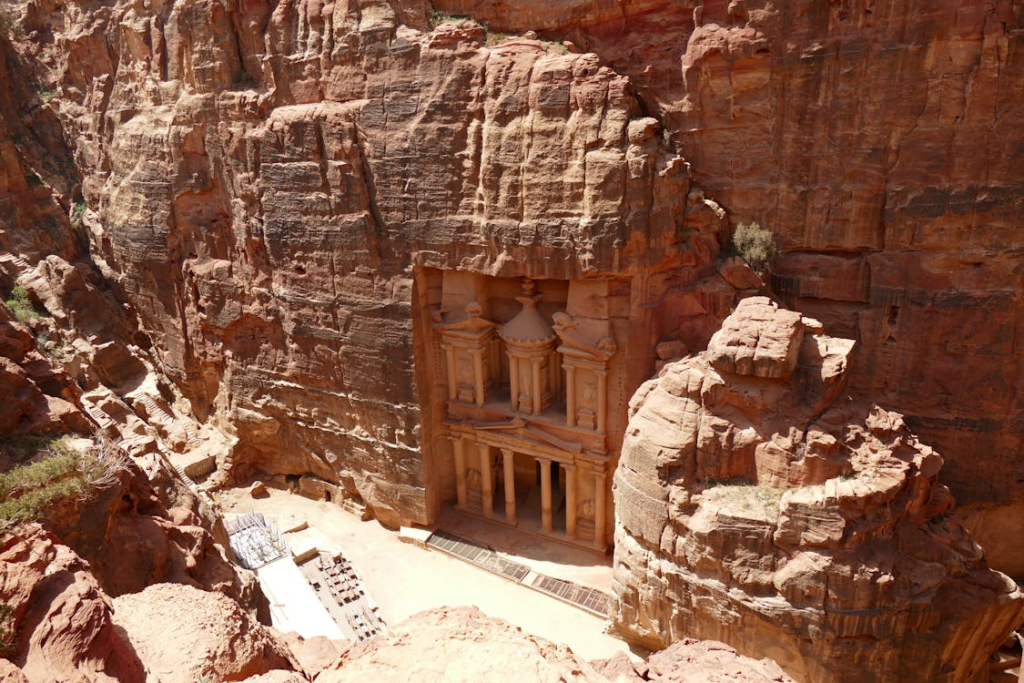
Image credit: Pexels
Petra has one of the best entrances of any famous site on Earth. You do not walk into it through open space. You move through the Siq, a narrow canyon with towering walls, and then the carved city begins to reveal itself. That process matters because it turns arrival into part of the experience. Petra feels hidden and monumental at the same time. Carved into pink and red sandstone more than 2,000 years ago, it once thrived as a major trade hub linking Arabia, Egypt, and the Mediterranean. Today, the stone façades remain powerful not only because of their age, but because they still seem so physically improbable. The city appears cut out of the landscape rather than built onto it. That gives it a different kind of visual force from most historic sites. Petra is not simply old. It is theatrical in the best possible way, and the surrounding rock only adds to its impact. It is easy to understand why it remains one of the most unforgettable places people have ever visited.
Sea of Cortez, Mexico
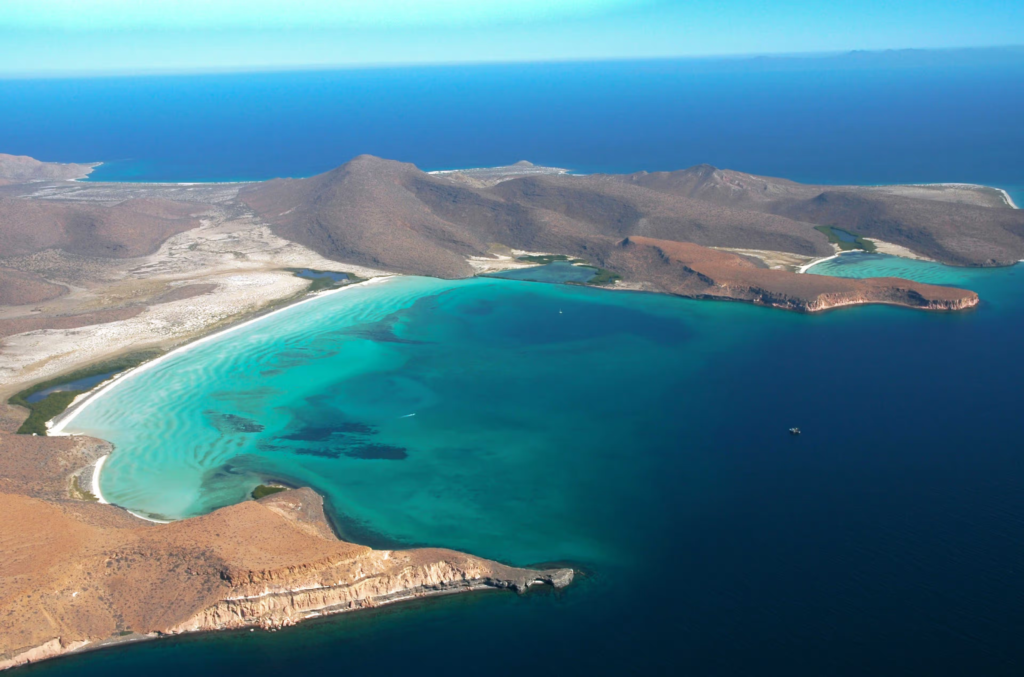
The Sea of Cortez combines two kinds of beauty that often appear separately, striking coastal scenery and extraordinary marine richness. Set between mainland Mexico and the Baja Peninsula, it holds an unusually high concentration of marine mammal species, which helps explain why it has been celebrated for so long. But the coast itself is just as much a part of the appeal. Around Loreto and La Paz, white dunes and clear water create beaches that feel almost too bright and clean to be real. This is the kind of place where the visual beauty above the surface is matched by what lies beneath it. That gives the region a sense of completeness that many beach destinations never quite reach. It is not only the shoreline that impresses. It is the whole living environment around it. That richness is what makes the Sea of Cortez feel so much more than a pretty stretch of coast. It feels like a place with depth in every sense.
Shetland Islands, Scotland
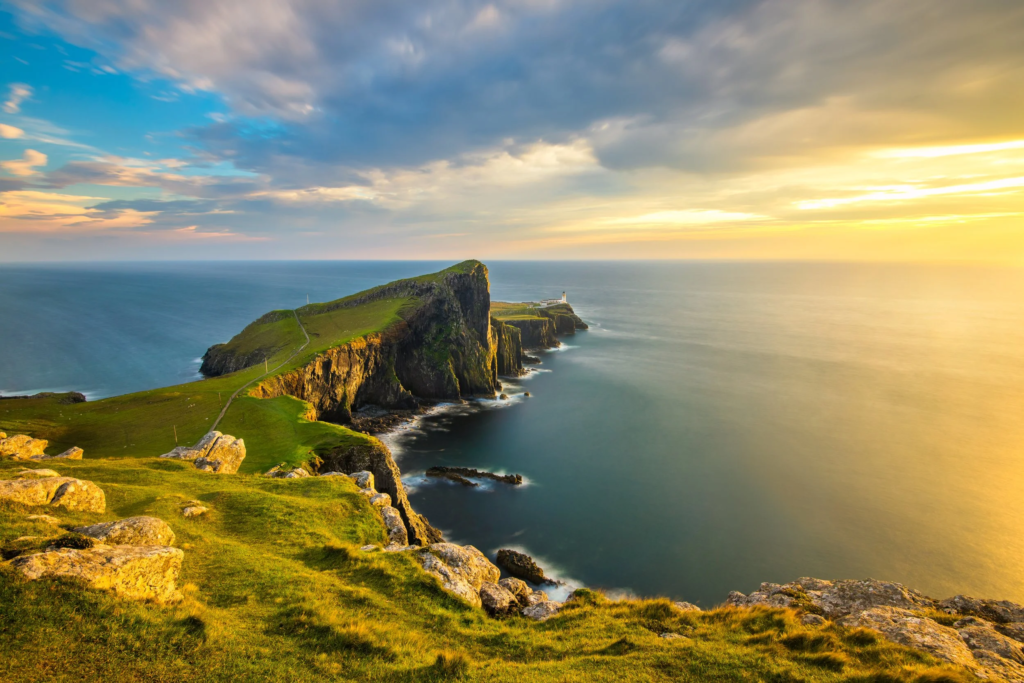
The Shetland Islands prove that beauty does not need softness to be powerful. This is a northern landscape of cliffs, rough water, Viking ruins, and dramatic skies, with wildlife like puffins and orcas adding to the sense that the islands belong to a larger, wilder world. Their far-north position gives them a particular atmosphere, too. They feel remote in a way that is part of the appeal, not a barrier to it. Where some islands are admired for warmth and ease, Shetland is admired for drama, weather, and character. The beauty here comes with an edge. That is exactly what many people find so compelling about it. The islands do not ask to be liked in a simple way. They earn admiration through presence. They are windswept, stark, and striking, and they show how much beauty can live inside landscapes that feel severe rather than gentle.
Jaipur, India
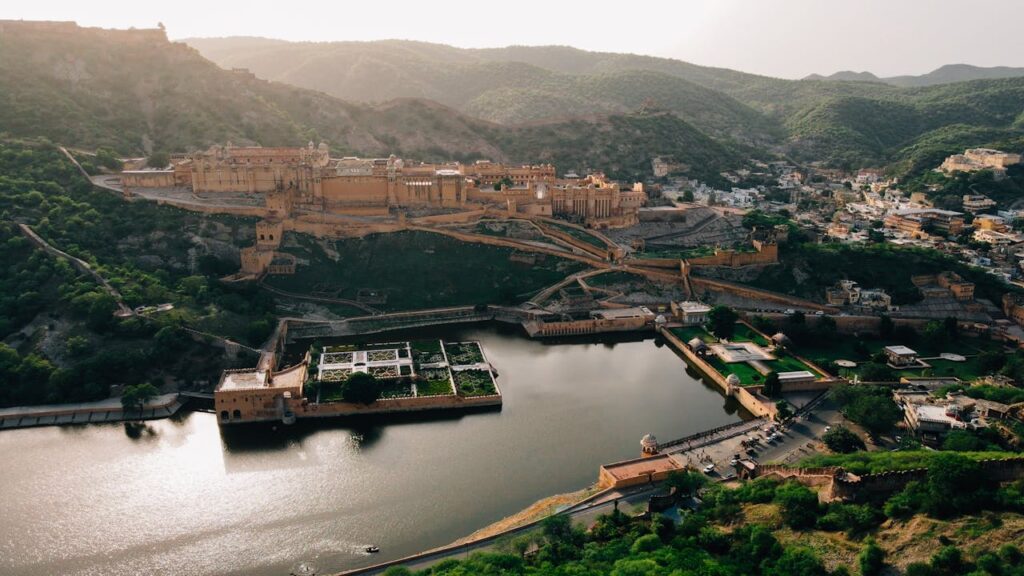
Jaipur is one of those cities where color does a huge amount of the work. Known as the Pink City, it has carried that identity since the 19th century, when the buildings were painted to welcome Prince Albert. The result was so striking that it remained. That pink glow still shapes the city’s visual identity today, giving streets, walls, and façades a sense of warmth that feels instantly recognizable. Add in the forts and palaces, and Jaipur becomes one of the most visually distinct urban landscapes in the world. Hawa Mahal is the best-known symbol of that beauty, with its layered façade and many windows, but the city’s appeal is broader than one building. It is the sense that color, design, and atmosphere all belong to the same story. Jaipur feels festive and historic at once, and that is a hard combination to create. It makes the city beautiful in a way that feels both public and intimate.
Grindelwald, Switzerland
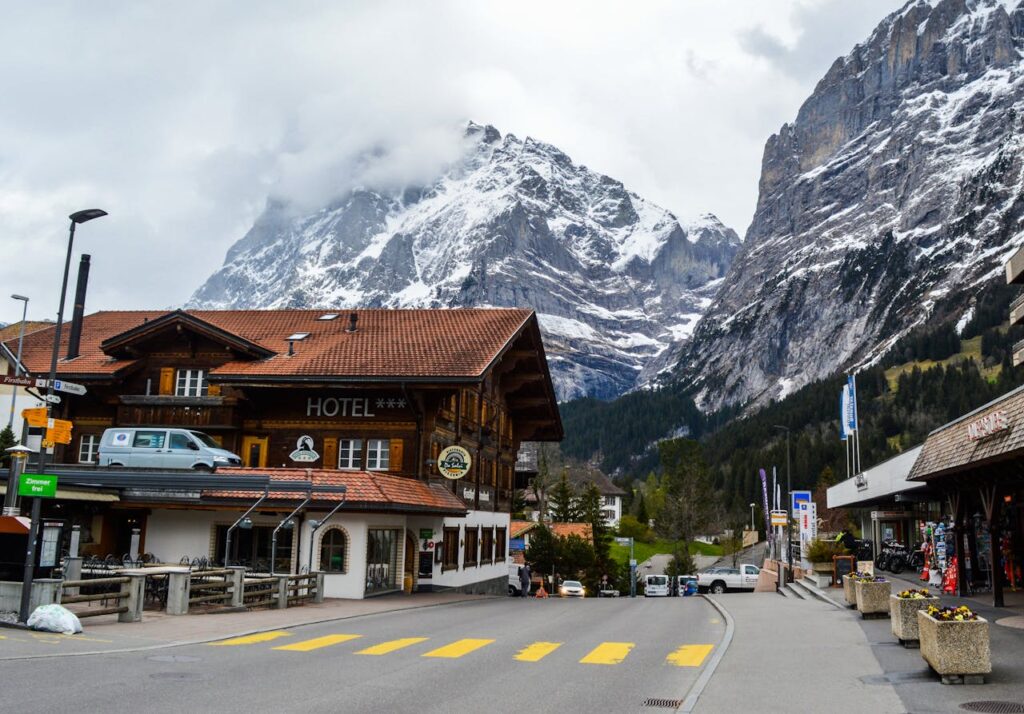
Grindelwald looks as if someone built a mountain village by working backward from a fantasy. Chalets, hotels, alpine shops, and train access all sit beneath one of the most famous mountain faces in the world, the Eiger. In winter, the area takes on the clean beauty of snow and stillness. In summer, hikers and green slopes bring a different kind of brightness. What stays the same is the sense that the village and the mountain belong to one another. Grindelwald does not just happen to sit near dramatic scenery. Its whole identity is shaped by it. That is part of what makes it so memorable. The village feels small enough to be intimate, but dramatic enough to stay in the imagination long after the visit ends. It is mountain beauty in one of its most satisfying forms, part human comfort, part pure alpine scale.
Zhangjiajie National Forest, China
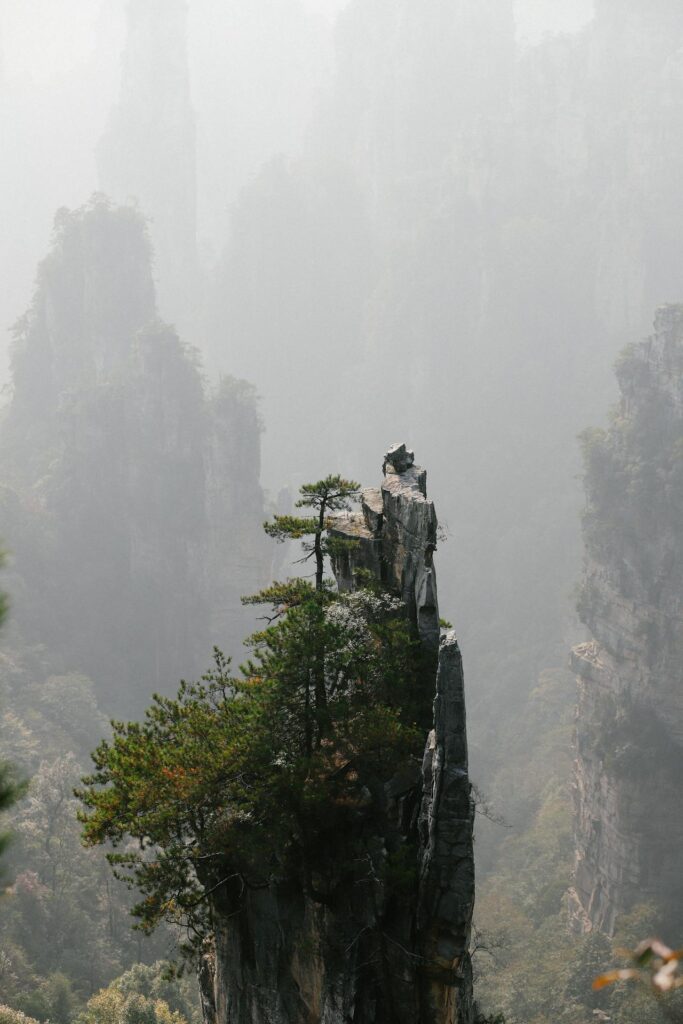
Image credit: Pexels
Zhangjiajie National Forest is one of the rare places that seems to fully justify all the “otherworldly” language people usually overuse. Its tall sandstone pillars rise through mist and greenery in forms so distinctive that they helped inspire the floating mountains in Avatar. That cinematic comparison makes sense, but the place feels powerful even without it. The pillars create a vertical landscape that breaks familiar expectations. Most mountain scenery spreads out horizontally. Zhangjiajie rises in clusters, making the view feel more fantastical and less easy to read all at once. Glass viewing structures in the park only heighten the experience, but the formations themselves do the real work. This is a landscape that turns geology into a visual shock. It is one of the clearest examples in the world of a place that looks almost invented, even while standing entirely within nature’s own logic.
Machu Picchu, Peru
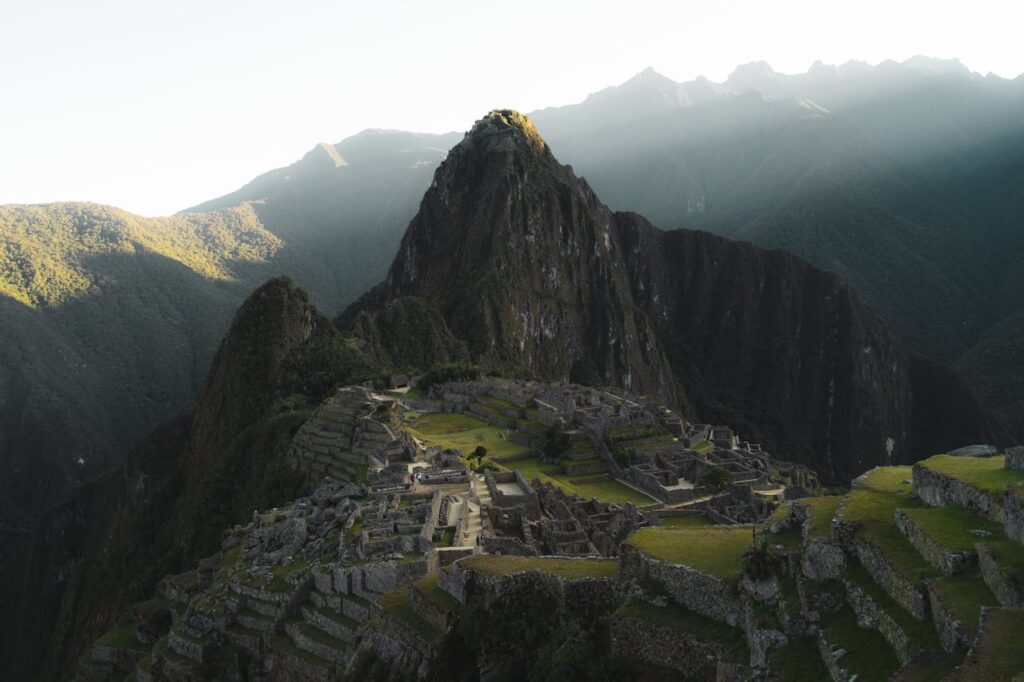
Image credit: Pexels
Machu Picchu manages to be both one of the most recognizable places on Earth and one of the few that still overwhelms even people who think they know it already. The 15th-century Inca citadel sits more than 7,000 feet above sea level in the Andes, surrounded by peaks, cloud forest, and dense green slopes. That setting is a huge part of the magic. The ruins do not stand apart from the mountains. They seem to emerge from them. Terraces, stone walls, and pathways all feel deeply tied to the land itself, which gives the entire site an unusual sense of harmony. The engineering is remarkable, but so is the placement. Machu Picchu does not feel accidental or merely scenic. It feels chosen. That is what gives it such lasting power. It is beautiful as architecture, beautiful as landscape, and especially beautiful in the way those two things fuse together.
Serengeti National Park, Tanzania
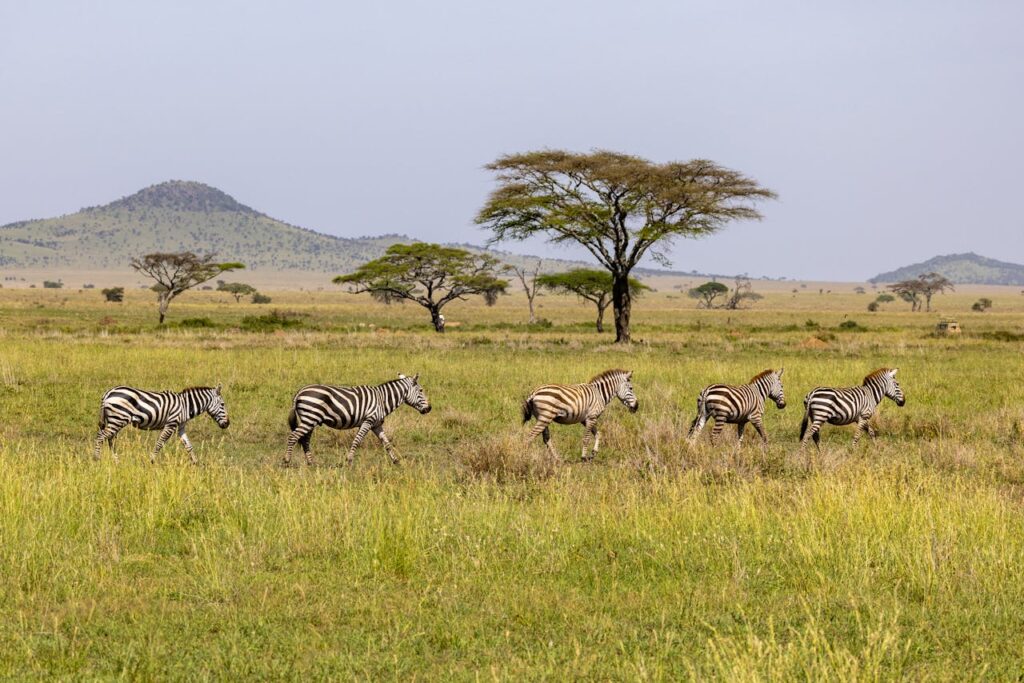
The Serengeti is beautiful partly because it is never just still scenery. The Great Migration moves through it every year on an enormous scale, bringing wildebeest, zebras, gazelles, and the predators that follow them across the plains. That movement changes the landscape from something simply viewed into something experienced as active and alive. The Serengeti’s grasslands are beautiful on their own, but what makes the park unforgettable is the way life unfolds across them. The scale of the migration gives the place a different emotional weight from many other scenic destinations. It feels vast, ancient, and fully inhabited. That combination gives the Serengeti a kind of cinematic grandeur that remains hard to match. It is one of those places where beauty and drama are impossible to separate.
Grand Canyon, United States
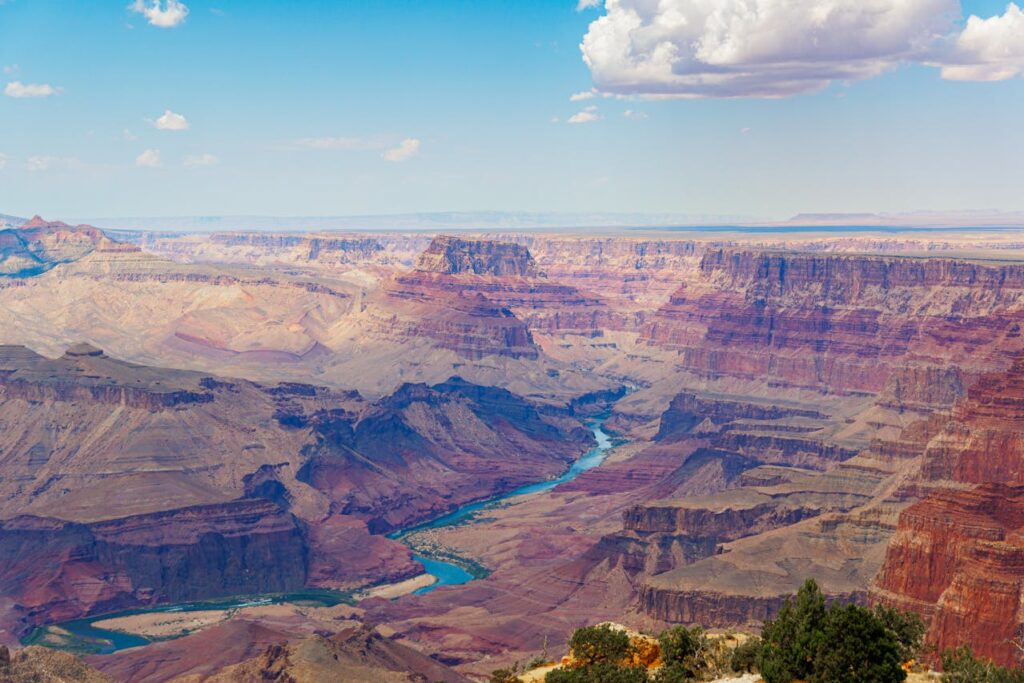
Image credit: Pexels
The Grand Canyon feels less like a single view and more like a confrontation with scale. It is a mile-deep formation of sedimentary, metamorphic, and igneous rock carved over an immense span of time. That depth is part of what makes it so striking. You are not just looking across a landscape. You are looking down through geological history. The colors shift with time of day, the distances are hard to read at first, and the whole thing resists casual understanding. It is easy to see why it became one of the most famous natural sites in the world. The canyon has the rare ability to look enormous in photographs and then still feel larger in person. That is a difficult trick for a place this well known, but the Grand Canyon keeps pulling it off. Its beauty comes from exposure, age, and the sheer openness of what the land reveals.
Ha Long Bay, Vietnam
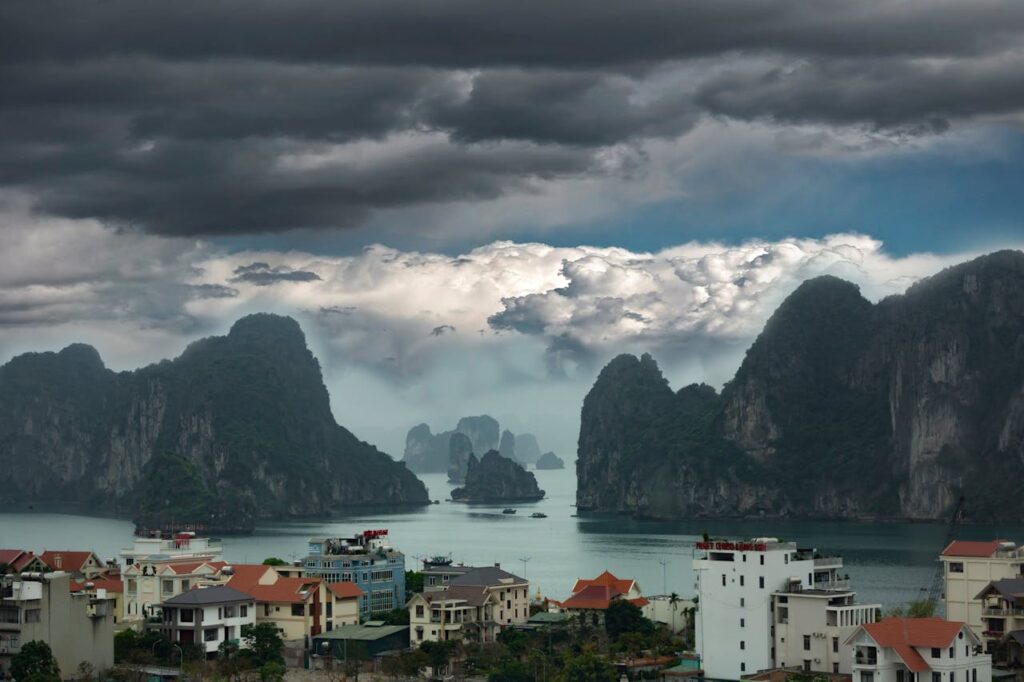
Ha Long Bay has the kind of scenery that seems almost too narratively perfect to be real, which may be why local legend ties it to descending dragons. More than 1,600 islands and islets rise out of emerald water, creating one of the world’s most recognizable coastal landscapes. The beauty here comes from repetition and shape. A single limestone formation would be interesting. Hundreds create something far more powerful. The bay also invites movement through the scenery. Cruising, kayaking, swimming, and cave exploration all make sense because the place feels built to be entered rather than simply admired from one overlook. That gives Ha Long Bay a layered beauty. It works from far away and from within. It is scenic in the broad sense, but also immersive. That combination is what keeps it so fixed in global travel imagination.
Tokyo, Japan
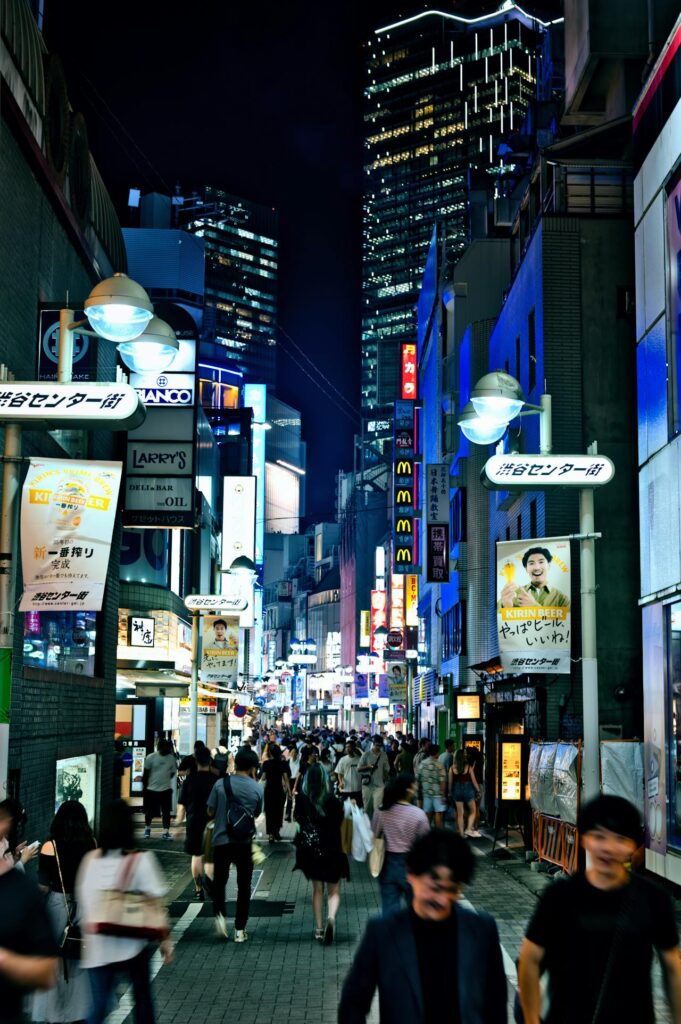
Tokyo’s beauty is built from contrast more than uniformity. It is one of the world’s largest cities, but it still holds onto details that make the whole place feel distinct rather than overwhelming. Futuristic architecture, traditional temples, dense neighborhoods, bright signage, and seasonal cherry blossoms all sit inside the same visual field. On clear days, Mount Fuji can appear in the distance, which only deepens the sense that Tokyo is balancing multiple identities at once. That is what makes the city so compelling. It feels fast and layered rather than polished into one style. The beauty is in the tension between old and new, dense and open, quiet shrine space and relentless urban energy. Some cities impress by being consistent. Tokyo impresses by keeping its contrasts alive and somehow making them work together.
Galápagos Islands, Ecuador

The Galápagos are beautiful because the landscape never exists separately from the life moving through it. Black lava fields, cloud forest, bright water, giant tortoises, marine iguanas, and rare birds all belong to the same setting. That combination creates a sense of difference that is hard to overstate. The islands do not merely look distinct. They feel biologically and visually separate from ordinary expectations. With most of the archipelago protected as national parkland, the landscape holds onto that rare feeling of still operating by older rules. It is one of the few places where the wildlife itself is central to the beauty rather than an added attraction. The Galápagos are not tidy or ornamental. They are compelling because they feel alive in such a specific and unusual way.
Lake Como, Italy
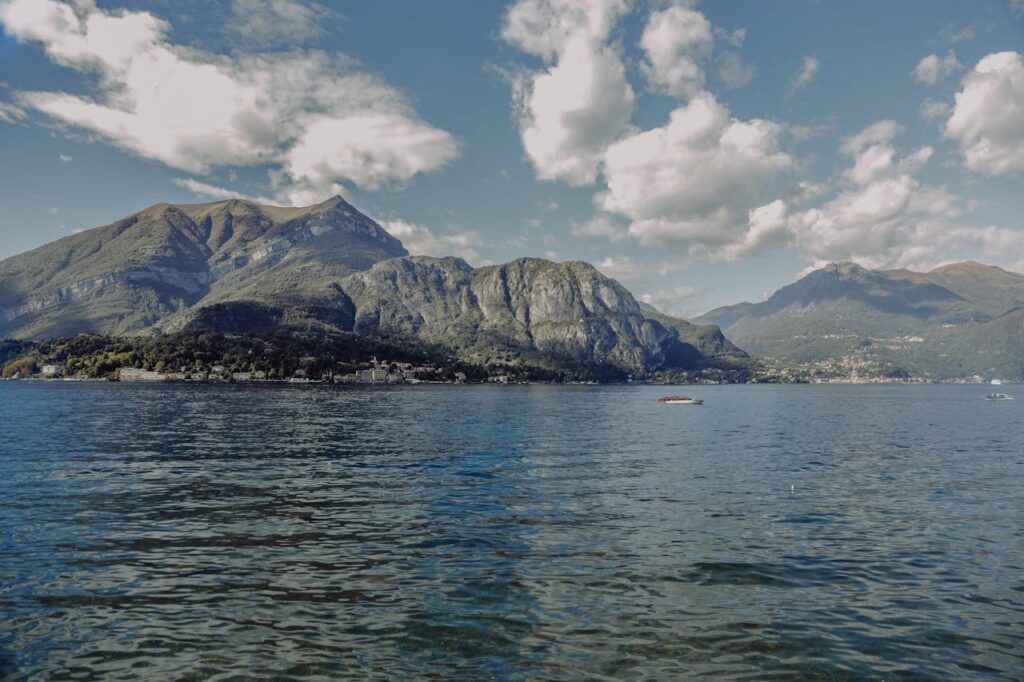
Image credit: Pexels
Lake Como has been admired since Roman times, long before celebrities helped turn it into a modern symbol of luxury. That long history makes sense once you see the setting. The lake sits in northern Italy with deep blue water and steep alpine surroundings that almost resemble a fjord. Elegant towns and villas line the shoreline, but the natural shape of the landscape is what gives the whole place its strength. Como does not feel soft or ornamental. It feels dramatic and refined at once. That balance is part of why it remains so appealing. It offers beauty that can be read as glamorous without losing contact with the mountains and water that created it in the first place.
Lake Atitlán, Guatemala
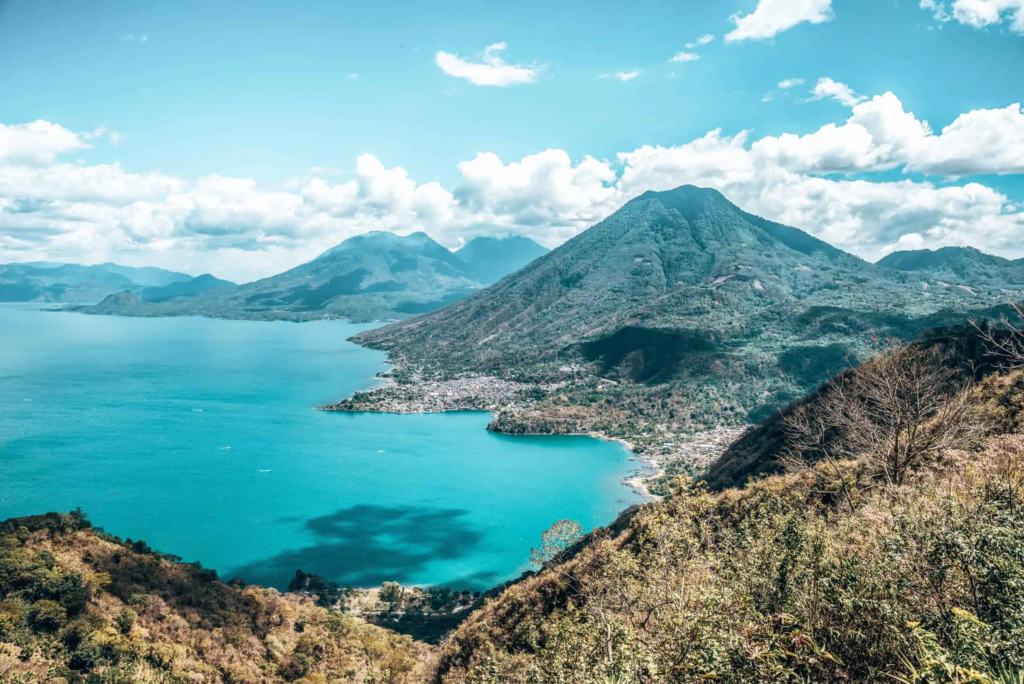
Lake Atitlán carries the kind of beauty that feels almost self-contained. Formed by volcanic collapse thousands of years ago, it now sits as a deep blue caldera ringed by volcanoes and bordered by indigenous Mayan villages known for art and textiles. That gives the lake a layered identity. It is visually dramatic before any human story enters the frame, but the villages deepen the experience rather than distracting from it. Atitlán feels beautiful in both a scenic and cultural sense. It is not simply a body of water surrounded by nice views. It is a place where geography and community sit closely together, shaping how the beauty is felt. That combination is part of what makes the lake feel so memorable and so different from more polished or heavily developed destinations.
Cappadocia, Turkey
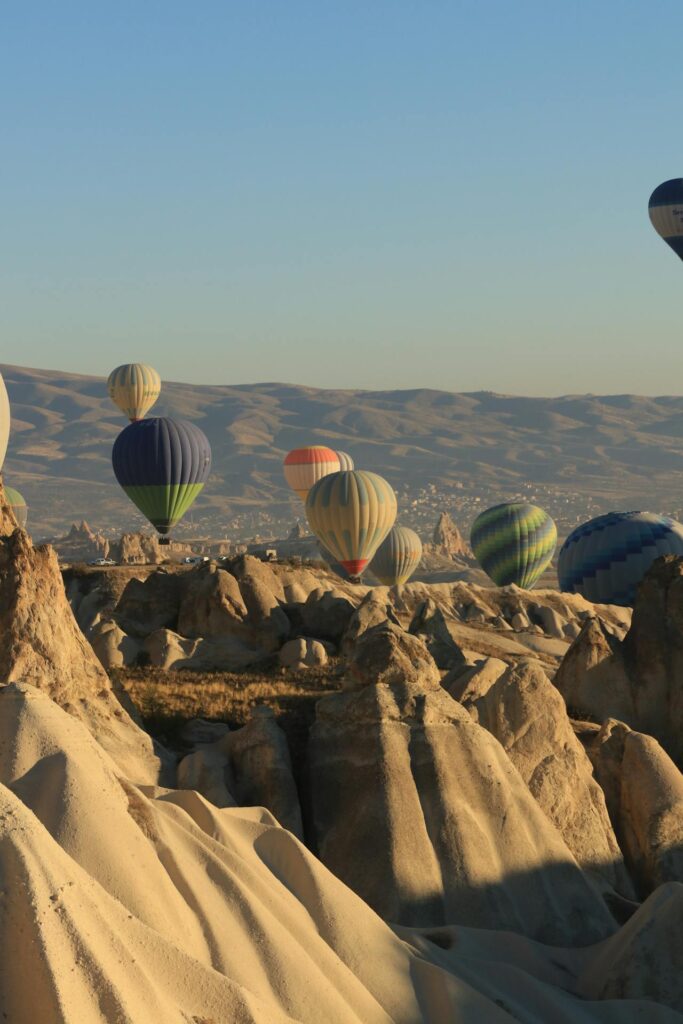
Cappadocia has one of the strangest and most recognizable skylines anywhere. Its famous fairy chimney formations, shaped by volcanic activity and erosion, rise out of the landscape in soft, tall forms that already feel unusual from the ground. Then the balloons appear. At sunrise, dozens of hot-air balloons often rise above the region, turning an already dreamlike landscape into something even more unreal. That combination of geological oddity and floating color is what gives Cappadocia its special hold on people’s imaginations. It is not only beautiful. It is visually improbable in the best possible way. The whole region feels built around perspective, and the balloon views make that even more obvious. Cappadocia is one of those places where the sky becomes part of the scene rather than a simple backdrop.
Chichén Itzá, Mexico
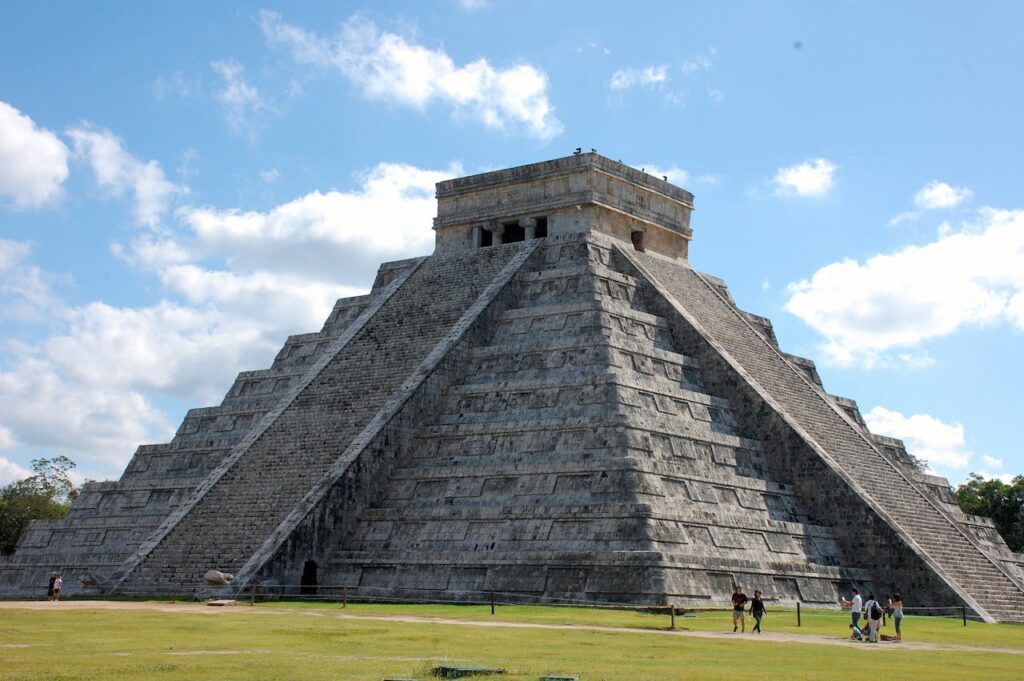
Chichén Itzá closes the list with one of the most famous archaeological sites in the world. Located in Yucatán, it was once a major Mayan city covering several square miles. The Pyramid of Kukulcán remains the best-known structure, but the Great Ball Court and the Observatory help make clear that this was a complex and highly organized place, not just a single monument. Its beauty comes from more than age. It comes from the clarity of the forms, the way the buildings sit against the sky, and the sense that the site still carries the logic and ambition of the people who built it. Chichén Itzá feels open, monumental, and deeply rooted in time, which makes it a fitting end to any list of the world’s most beautiful places.
This article was created with the assistance of AI tools and reviewed by a human editor.