

Critics often sort films into neat categories, so the idea of a rejected film gaining affection raises a question about how judgment shifts. That question matters because a film that stumbles at first can still build an audience that senses value where others walked away. This shift grows when people watch something that aimed high but missed, so the very flaws that once pushed viewers aside start to pull them back. That change invites a conversation about intent, because a project that tries to create a bold tone can slip in ways that make it memorable rather than disposable. Early critics may not have sensed its potential, but audiences who return often find a sense of ease in its rough edges, so they keep watching and talking. This cycle shows how reception grows from shared experience rather than fixed opinions. The more a film collects attention for what went wrong, the more it encourages people to revisit it, that failure becomes part of its endurance.
Film 20 – 18

Image credit: Shutterstock
20. The Room: carried early reviews that questioned how a drama with such uneven pacing could sustain interest, so its rise puzzled many viewers who approached it with the expectation that it would fade. That expectation shifted once people sensed that the director Tommy Wiseau poured full emotion into every scene, because that level of commitment created a rhythm that felt impossible to forget. Fans noticed how the dialogue moved in unexpected directions, so each line encouraged repeat viewings as people tried to understand its flow. The screenings grew into communal events because audiences treated the film as a shared joke that never turned unkind, and that atmosphere kept the film alive far longer than anyone predicted. The sincerity drew viewers who felt drawn to its odd energy, so the early label of failure no longer defined it. The film earned its cult status because people valued the experience it created rather than the execution itself, and that shift showed how reception grows once audiences find meaning where critics saw confusion.
19. Howard the Duck: entered theaters with heavy expectations because George Lucas backed it, so critics reacted strongly when the film took a strange tone that seemed impossible to categorize. That reaction raised a question about why the film endured, and the answer formed as new audiences watched it without the pressure of its release year. People started to enjoy the surreal humor because it embraced absurdity with full confidence, and that confidence let viewers relax into its world. The puppetry and practical effects aged into a kind of charm because the craftsmanship captured a moment in film history that people now revisit with affection. Fans found comfort in its willingness to lean into odd choices, so the film gained value as a snapshot of creative risk. As more viewers rewatched it with fresh eyes, they sensed that its quirks created a sense of personality that many polished films lack. The shift in attitude helped the film gain cult status because people wanted to share the strange joy it offered.
18. Mac and Me: faced harsh criticism for its overt product placement because audiences felt distracted by the corporate tone that pulled attention away from the story. That response set the stage for a later turn because comedians adopted the film as a running gag, which encouraged new viewers to watch it through a different lens. As those viewings increased, people realized that the film offered a kind of unintentional humor that made each scene more memorable than the one before it. The wheelchair sequence became a cultural reference point because its staging created a moment that stuck in audience memory. People returned to the film because it provided a sense of comfort through its earnest storytelling, so the flaws softened with time. As groups held themed screenings, the film transformed from a misfire into a shared experience that people enjoyed without irony. The shift from criticism to affection grew because the film carried a gentle tone that viewers learned to appreciate once the early frustration faded.
Films 17 – 15
17. Battlefield Earth: arrived with strong expectations because it adapted a well known novel, so critics reacted sharply when the film leaned into exaggerated angles and intense stylistic choices that overwhelmed the story. That reaction raised a question about why the film later attracted devoted viewers, and the answer grew as people revisited it with a sense of curiosity rather than frustration. The bold performances created a rhythm that felt almost theatrical, so audiences started to enjoy the film as an example of creative excess pushed to its limit. Fans repeated certain scenes because the dialogue carried a tone that felt so committed it passed through awkwardness and landed somewhere entertaining. As word spread about its odd charm, groups began hosting screenings that treated the film as a spectacle rather than a failure. That shift gave the film a second life because people valued the entertainment it delivered, even when that entertainment rose from choices that once fueled criticism.
16. Jaws 4 The Revenge entered the franchise with pressure to match the tension of the original, so viewers responded with confusion when the story pushed into territory that felt larger than its premise. That confusion encouraged curiosity because people wanted to understand how a respected series reached such an unusual chapter. The scene in which the shark appears to track a family across miles of ocean became a point of fascination because it asked audiences to suspend logic in a way that felt bold rather than careful. Fans returned to the film because it offered a sense of comfort through its warm performances and its sincere embrace of franchise tradition. The mechanical shark carried a kind of charm because practical effects aged into a nostalgic texture that viewers enjoyed revisiting. As audiences relaxed into its tone, the film gained a reputation as a comforting misstep that turned familiar ideas into unintentional humor. That new perspective helped the film rise from criticism into steady cult affection.
15. Showgirls: shocked early audiences because it presented itself with full confidence while pushing its tone into extremes, so critics dismissed it as a misguided attempt at sensual drama. That dismissal encouraged later viewers to approach the film with curiosity, and that shift opened the door for reevaluation. People began to notice how the director Paul Verhoeven shaped the story with intentional satire, so what once looked like excess turned into pointed commentary. The performances gained new appreciation because actors committed fully to the emotional stakes, which created scenes that viewers could not forget. Fans treated the film as an experience that blended camp and ambition, so they returned to it with affection rather than judgment. As academic circles discussed its themes, the film gained depth that early reviews did not acknowledge. This renewed attention helped the film move from derision into cultural relevance because people recognized its boldness and embraced the energy that once pushed them away.
Films 14 – 12

Image Credit: Shutterstock
14. Super Mario Bros.: opened with confusion because viewers expected a bright adventure that matched the tone of the game, so the darker world on screen created a barrier that early audiences could not cross. That barrier set the stage for later interest because people wanted to understand how a familiar story transformed into something so different. The production design created a world that felt bold in its own way, so viewers who returned years later saw creativity where they once saw missteps. Fans enjoyed the committed performances because the actors treated the material with full energy, which helped the film gain personality that stayed in memory. As new audiences watched it through a nostalgic lens, they found comfort in how the film pushed its concept without hesitation. That sense of commitment allowed the film to shift from early frustration into cult affection because viewers began to value the risks it took rather than the expectations it ignored.
13. Batman and Robin: carried the weight of a prestigious franchise, so the camp tone surprised early audiences who expected a darker story. That surprise led to criticism that lingered for years, which then raised a question about why people kept returning to it. The answer formed as viewers began to appreciate its playful energy because the film leaned into color and humor with full intent. The larger than life performances embraced that tone, so the film took on a comic book style that later audiences found charming. Fans attended themed screenings because the film created a sense of fun that encouraged group viewing. That shift helped people see the value in a version of Batman that aimed for enjoyment rather than grit. As viewers rewatched it with open expectations, they grew fond of its bold choices, which helped it rise from disappointment into a beloved cult entry in the series.
12. Waterworld: faced early criticism because its large budget drew attention before release, so any flaw became amplified by the conversation surrounding it. That attention encouraged later viewers to revisit the film without the noise that surrounded its debut. Audiences began to appreciate the scale of its ambition because the practical sets created a world that felt tangible and distinct. The performances grounded the story through steady commitment, so viewers felt drawn to the survival theme that ran through each scene. Fans who rewatched it started to see a strong adventure film that had been overshadowed by the expectations placed on it. As the years passed, people valued the craftsmanship behind the floating structures because those efforts gave the film a sense of texture that modern CGI heavy productions rarely match. This reevaluation allowed Waterworld to shift from a cautionary tale into a respected cult favorite because viewers finally met the film on its own terms rather than through the lens of its early reception.
Films 11 – 9
Credit: Shutterstock
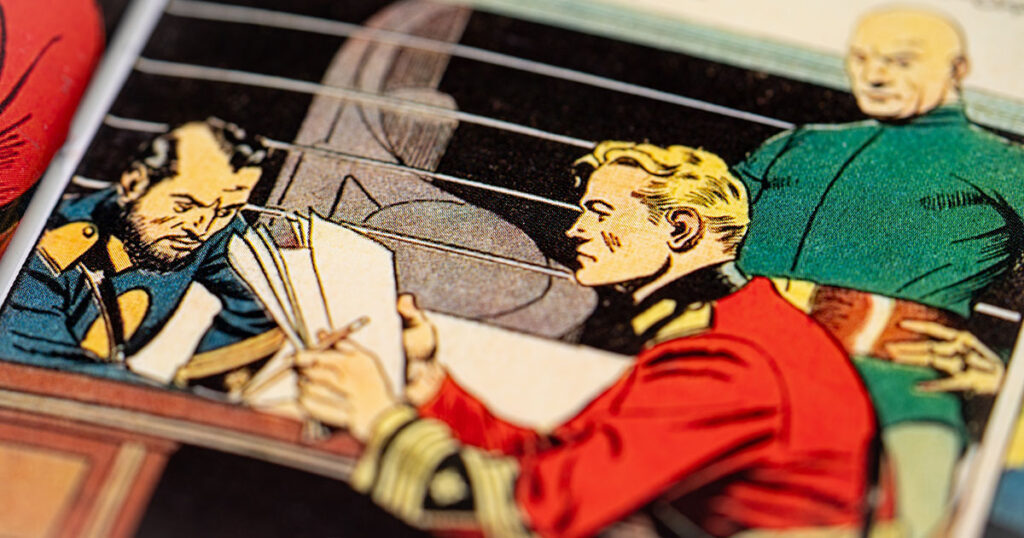
11. Flash Gordon: entered theaters with a tone that puzzled critics because the film embraced bright colors and theatrical energy at a time when science fiction leaned toward seriousness, so many viewers dismissed it before they understood what it attempted. That dismissal opened space for later audiences to approach it with fresh eyes because viewers sensed that the film delivered joy without apology. The bold costumes and stylized dialogue created a rhythm that people grew to love, so fans treated the exaggerated tone as part of its identity rather than a flaw. The soundtrack by Queen became a cultural anchor because the music carried emotion that elevated each scene, which helped audiences reframe the entire experience as intentional camp. As new generations discovered it, the film gained affection because it offered a sense of fun that stood apart from other science fiction films. Those qualities turned Flash Gordon into a cult classic because people valued its confidence and recognized that the very choices once criticized now defined its appeal.
10. Cutthroat Island: struggled on release because its box office performance overshadowed the work on screen, so critics focused on its financial outcome rather than its adventure driven energy. That focus created room for later viewers to approach it without expectation, and many found a lively pirate story that delivered strong stunt work and committed performances. The physical scale of the set pieces drew attention because the film relied on practical effects that added weight to its action scenes. As people revisited it, they noticed how the lead actors carried the story with steady presence, so the emotional core felt more grounded than early critics acknowledged. Fans began to treat the film as an overlooked example of adventure cinema because it carried the spirit of classic swashbuckling stories. With time, the film carved out space as a cult favorite because viewers sensed that it offered a kind of earnest charm rarely found in modern blockbusters.
9. The Postman: arrived with high expectations because Kevin Costner directed and starred in it, so critics responded sharply when the story stretched into a long meditation on hope in a broken world. That response overshadowed the film’s ambition, which encouraged later audiences to revisit it with patience. Viewers began to appreciate the way the story centered on connection because the characters rebuilt trust through small acts that carried meaning. The landscapes added emotional weight because the physical journey created a sense of distance that pulled the audience into the experience. Fans noticed how the film committed to themes of rebuilding, so they felt drawn to its sincerity. As people rewatched it, they found value in the performances because the cast played each moment with conviction that held the story together. This slow reevaluation allowed The Postman to shed its early reputation and gain steady admiration because viewers came to see the film as a thoughtful epic rather than a failed experiment.
Films 8 – 6

Image Credit: Shutterstock
8. Speed 2 Cruise Control: faced frustration from early audiences because the sequel shifted away from the high tension tone that defined the first film, so critics questioned why the story moved to a slower setting with a different lead dynamic. That reaction set the stage for later curiosity because viewers returned to understand how the film’s quieter rhythm created a different kind of entertainment. People began to enjoy the cruise ship setting because it offered a contained environment that let the action unfold with a calmer pace, so the film gained a gentle charm that softened its early reputation. Fans noticed how Sandra Bullock carried the emotional thread with steady commitment, which gave the story a human anchor even when the plot leaned toward exaggeration. As screenings grew among viewers who approached it with relaxed expectations, the film earned affection because it provided uncomplicated fun rather than intense suspense. This shift turned Speed 2 into a comfort watch because people embraced its lighter tone instead of comparing it to its predecessor.
7. Masters of the Universe: puzzled early audiences because the film mixed science fiction with fantasy in ways that felt disjointed, so many viewers struggled to align it with the animated series they recognized. That struggle encouraged later viewers to revisit the film with curiosity about its creative choices. The bold costumes and enthusiastic performances created a world that felt handmade, so fans grew to appreciate the charm that came from practical effects and earnest acting. Dolph Lundgren approached the role of He Man with full commitment, which helped viewers sense the sincerity behind the production. As people rewatched it, they found enjoyment in the film’s willingness to swing big even when the execution faltered. The nostalgic tone helped it gain traction among fans who valued its ambition, so the film rose from early dismissal into steady cult affection. This gradual shift showed how audiences often return to films that aim high, even when the final product lands off center.
6. The Adventures of Pluto Nash: hit the screens with a reputation shaped by its large budget, so viewers expected a sleek science fiction comedy that matched the scale of its production. When the film leaned into quirky humor that felt at odds with those expectations, early audiences dismissed it quickly. That dismissal opened space for later reevaluation because people watched it without the weight of its financial outcome. The futuristic setting carried a playful quality that viewers began to appreciate, so the world building became part of the film’s charm. Eddie Murphy approached the role with steady comedic timing, which anchored scenes that might have otherwise drifted. Fans who discovered the film later enjoyed its lighthearted tone because it provided simple amusement rather than the polished spectacle people once demanded. As more viewers revisited it, the film gained a reputation as a misunderstood comedy that offered gentle laughs and a relaxed pace. That shift allowed Pluto Nash to move from failure into a mild cult favorite because audiences learned to enjoy it for what it was rather than what early buzz insisted it should be.
Films 5 – 3

Image Credit: Shutterstock
5. Ishtar: faced intense criticism on release because industry chatter focused on its budget before anyone saw the finished work, so audiences entered theaters with expectations shaped by noise rather than story. That pressure created a sharp backlash when the tone delivered a light comedic adventure instead of the sweeping epic some assumed they would see. Later viewers approached it with less baggage, so they noticed the chemistry between Warren Beatty and Dustin Hoffman in a way early critics overlooked. The film’s gentle humor aged into a kind of comfort because the mismatched songwriter storyline carried warmth that resonated with people who returned to it. Fans began to treat the film as a misunderstood comedy that captured the spirit of classic buddy adventures, so the narrative surrounding its failure softened. As scholars revisited its production history, they reframed it as an example of how conversation around a film can drown out the film itself. That shift helped Ishtar rise from infamy into affectionate cult regard because audiences finally met the story on its own terms.
4. Hudson Hawk: confused early audiences because its tone jumped between action and comedy with no attempt to smooth the edges, so critics responded with frustration when the film refused to fit into a recognizable category. That refusal created curiosity for later viewers who wanted to understand why the film carried such a divisive reputation. As people rewatched it, they noticed how the playful timing and musical cues created a rhythm that felt intentional, so the comedic confidence carried more weight than early audiences allowed. Bruce Willis approached the role with a sense of fun that helped the film gain personality, which viewers learned to enjoy once they stepped away from the expectations set by the marketing. Fans embraced its odd structure because it invited them to enjoy the chaos rather than analyze it. This shift in attitude allowed Hudson Hawk to gather a loyal following because people valued its individuality and recognized that the very choices once viewed as flaws made it memorable.
3. Gigli: received harsh early reactions because its marketing leaned heavily on celebrity attention, so audiences entered with assumptions that overshadowed the film itself. That environment led to criticism that focused more on its cultural moment than on its actual content, which encouraged later viewers to approach it with fresh eyes. As people revisited it, they found a smaller, more character driven story than they expected, so the quieter moments between Ben Affleck and Jennifer Lopez gained new weight. Viewers began to notice that the film attempted a gentle tone centered on vulnerability, which contrasted with the louder conversation happening around it. Fans who returned to it appreciated its intention to create a personal narrative rather than a glossy spectacle. With time, the film collected a modest following because audiences felt drawn to its sincerity once they moved past the noise that framed its release. That shift helped Gigli rise from widespread criticism into a mild but stable cult status because viewers came to value what it attempted instead of what people once insisted it failed to be.
Films 2 – 1

Image Credit: Shutterstock
2. Cats: clawed their way to the screen with strong anticipation because the stage musical held a long cultural presence, so the early criticism stunned viewers who expected a smooth transition to film. That reaction encouraged later audiences to revisit the adaptation with a different mindset, and that shift opened room for humor and curiosity to replace the early tension. People noticed how the digital choices created an odd visual style that moved past realism, so the film developed a strange charm that fans began to enjoy. The enthusiasm of the cast added personality because each performer committed fully to the role, which gave the film a sense of playful energy that viewers learned to appreciate. As group screenings formed, audiences treated the film as an event shaped by shared laughter and open minded fun. This approach allowed Cats to climb out of its harsh early reception because people found comfort in its boldness once they stopped expecting a faithful replica of the stage. With time, the film gained a cult following because it delivered an experience that invited participation and good humor rather than strict analysis.
1. Birdemic Shock and Terror built its reputation from disbelief because early viewers struggled to understand how such a low budget thriller reached the screen with so much confidence. That confusion created interest because people sensed that the director poured genuine effort into each scene, so the film’s rough edges took on a kind of earnest charm. As word spread, viewers returned to enjoy the unpolished effects and abrupt pacing because those qualities made the film feel personal rather than mechanical. Screenings grew into interactive events because audiences recited lines and reacted together, which turned the film into a social experience. Fans appreciated the director’s ambition because it showed a commitment to telling a story even when resources stayed limited. That sincerity helped Birdemic shift from early dismissal into a cultural touchpoint for lovers of homemade cinema. With each new audience, the film gained affection because people enjoyed its heart and saw value in its courage to exist despite its flaws.
Why Failure Sometimes Builds Legacy
People often ask why certain films rise after early rejection, and that question sits at the center of how stories live beyond first impressions. A film gains a second life when viewers sense effort behind imperfect execution because that effort creates connection. Once audiences relax into what a film actually offers rather than what they expected, they start to enjoy choices that once confused them. This shift grows stronger when group screenings turn into shared rituals because the experience becomes about presence rather than judgment. A flawed film can comfort viewers because it strips away polish and leaves behind intent, which feels more human than precision. These titles survived because audiences sensed something sincere inside each attempt, so they kept watching and talking. That cycle reminds us that creative work does not disappear because it missed the mark. It endures because people carry it forward with affection, curiosity, and a willingness to enjoy something that tried without fear.
Read More: 5 Morgan Freeman Movies That Prove He’s the Definition of Cool