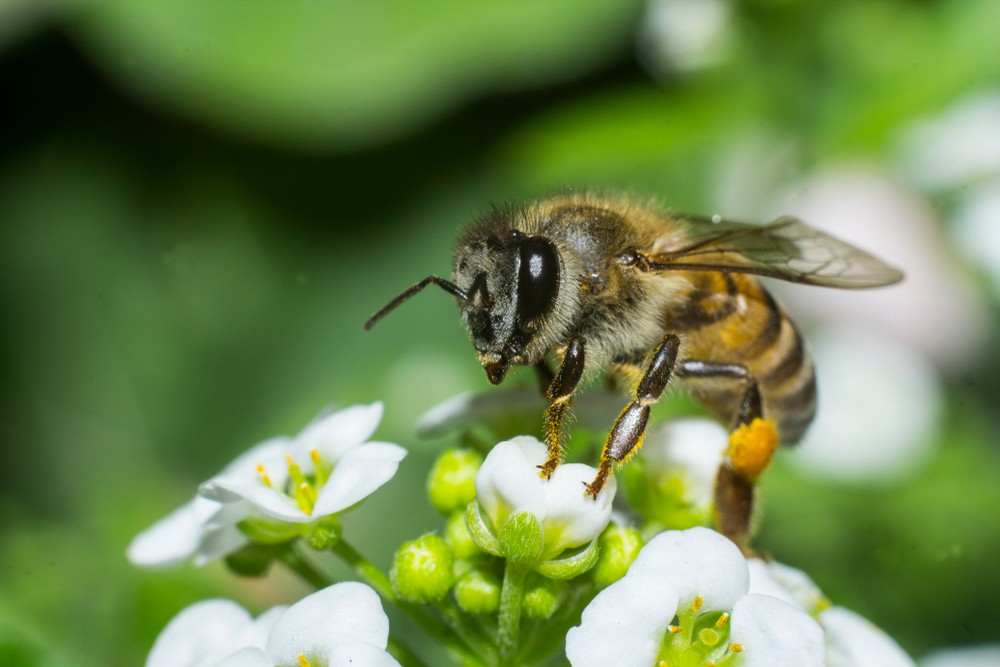

Bees may be small, but their impact on Earth is enormous. These buzzing insects are responsible for pollinating nearly three-quarters of flowering plants and about one-third of the food we eat. From fruits and vegetables to nuts and seeds, their daily work supports ecosystems, agriculture, and economies around the world. Without them, life on the planet would look drastically different.
Beyond food production, bees maintain biodiversity, protect soil, and even influence clean air and water. Their presence signals a healthy environment, while their decline warns of ecological imbalance. Every hive is part of a larger system that keeps nature functioning smoothly. Protecting bees means protecting the foundation of life itself.
1. Bees Are Nature’s Hardest Working Pollinators
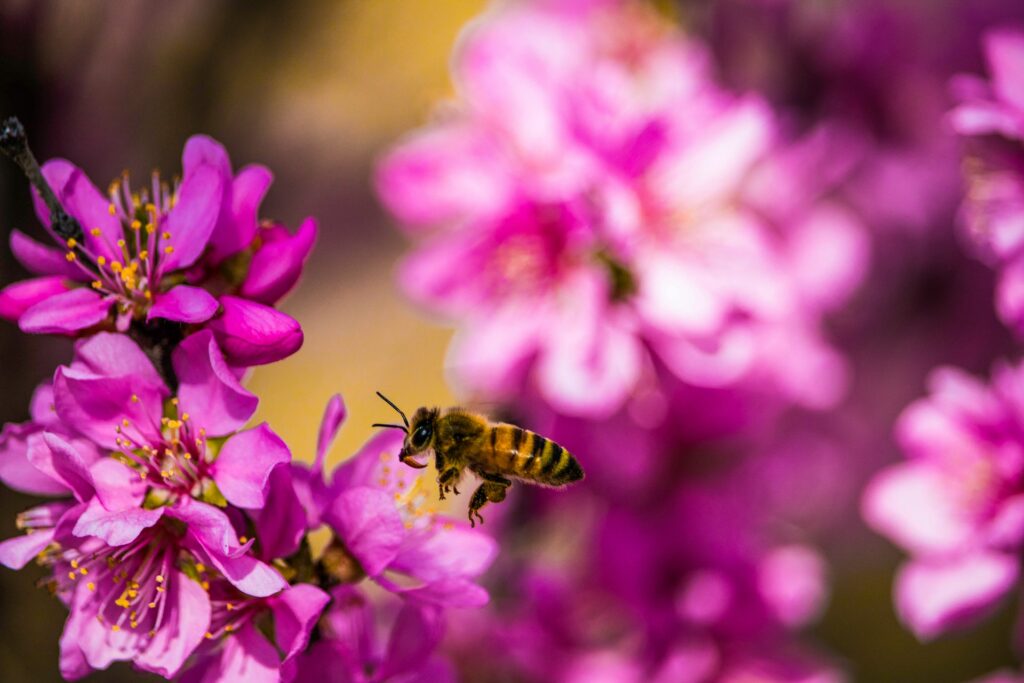
Bees are the most tireless workers in the natural world, responsible for moving pollen from flower to flower every single day. This action allows plants to reproduce, produce fruit, and sustain countless forms of life that depend on them. Each bee can visit thousands of flowers in a single day, collecting nectar and dusting its fuzzy body with pollen that gets transferred wherever it lands next. The precision of this natural system keeps plant populations genetically diverse, which is key to adaptation and long-term survival.
Bees don’t only work in gardens and meadows but also in forests, wetlands, and mountain slopes, helping pollinate nearly three-quarters of flowering plants on Earth. Without their continuous movement, these plants would fail to reproduce at the same rate, leading to fewer seeds and weaker vegetation. The ripple effect would reduce available food for animals, disrupt plant cycles, and limit natural resources that humans rely on. Bees are essentially the engineers of reproduction across the living world.
2. They Support the Global Food Chain
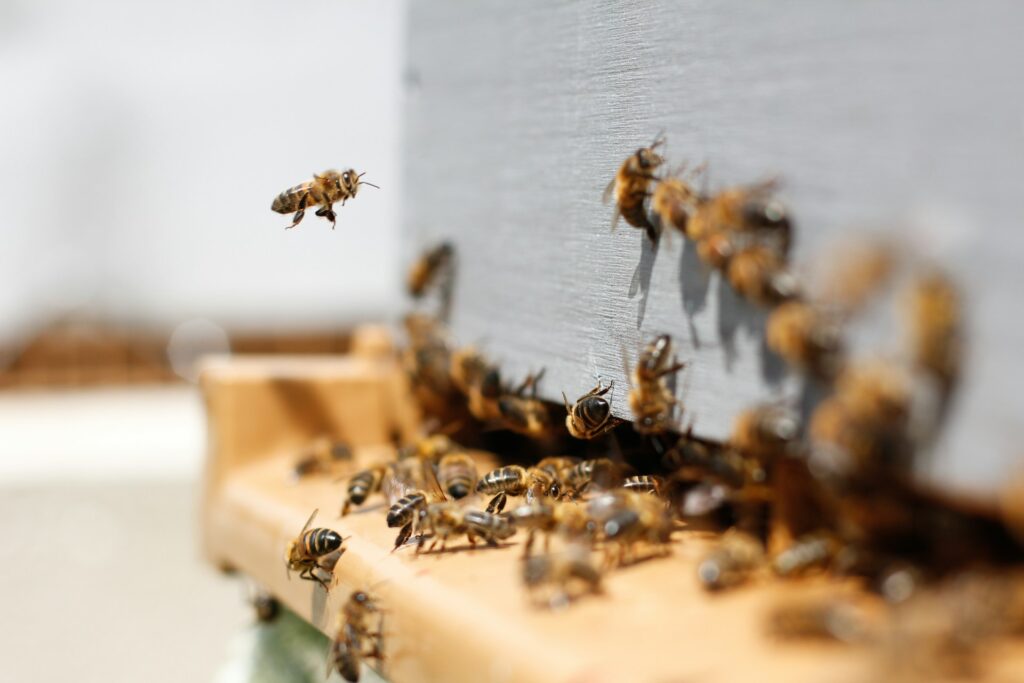
Bees are at the heart of the world’s food production system, directly affecting what humans eat every day. Around one-third of the food consumed globally relies on pollination from bees. Their work ensures that crops like apples, melons, pumpkins, cherries, almonds, and avocados continue to grow in abundance. Without bees, these foods would become rare, expensive, and eventually unavailable.
The impact goes even deeper. Bees also pollinate plants that feed livestock such as clover and alfalfa, meaning the dairy, meat, and poultry industries also depend on them. If bees were to disappear, entire food chains would crumble, leading to shortages and rising global hunger. The nutritional diversity humans enjoy today would vanish, and diets would become restricted to a few wind-pollinated crops like corn and wheat. Bees quietly hold together the web of food that sustains every living being.
3. Bees Maintain Biodiversity
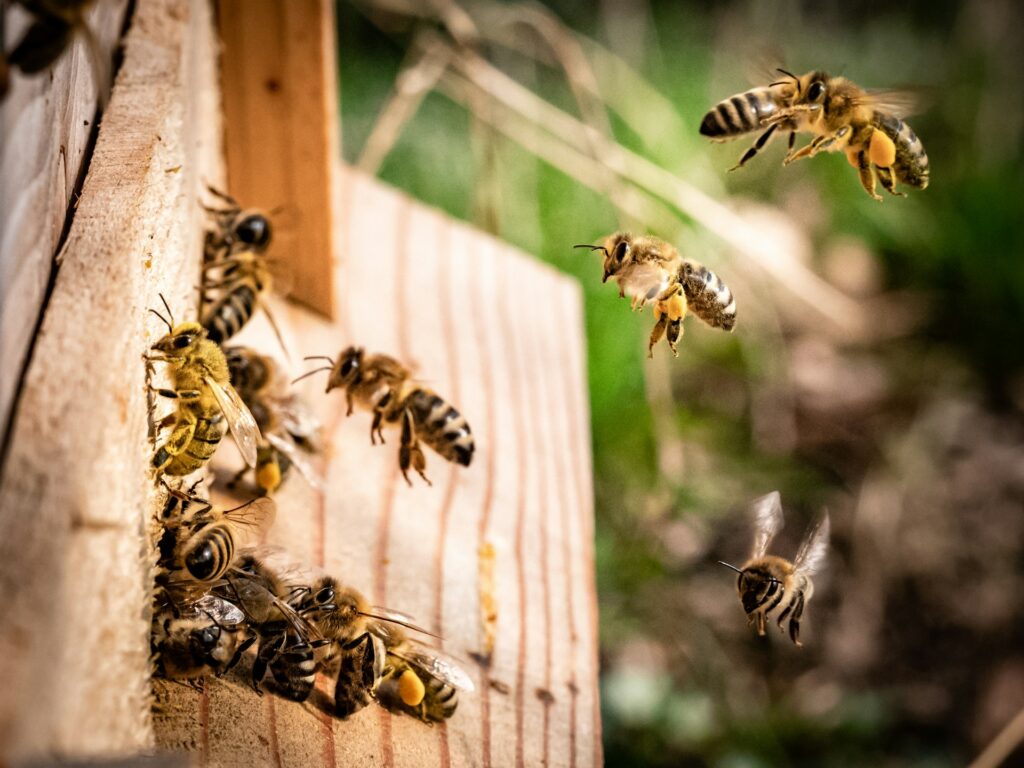
Bees are essential for keeping natural ecosystems balanced. By pollinating multiple species of plants, they prevent any single one from taking over an environment. This variety of plant life creates habitats for insects, birds, and mammals that rely on nectar, seeds, and shelter. The presence of bees ensures that every level of the food chain continues to function properly.
When bee numbers decline, biodiversity begins to suffer. Fewer plant species mean less food for herbivores, which then affects predators and scavengers. Ecosystems become weaker and more vulnerable to disease, drought, and climate change. Bees therefore play an unseen but irreplaceable role in keeping natural environments resilient and adaptable. Their disappearance would lead to quiet forests, empty meadows, and lifeless fields across the planet.
4. They Help Control Soil Erosion
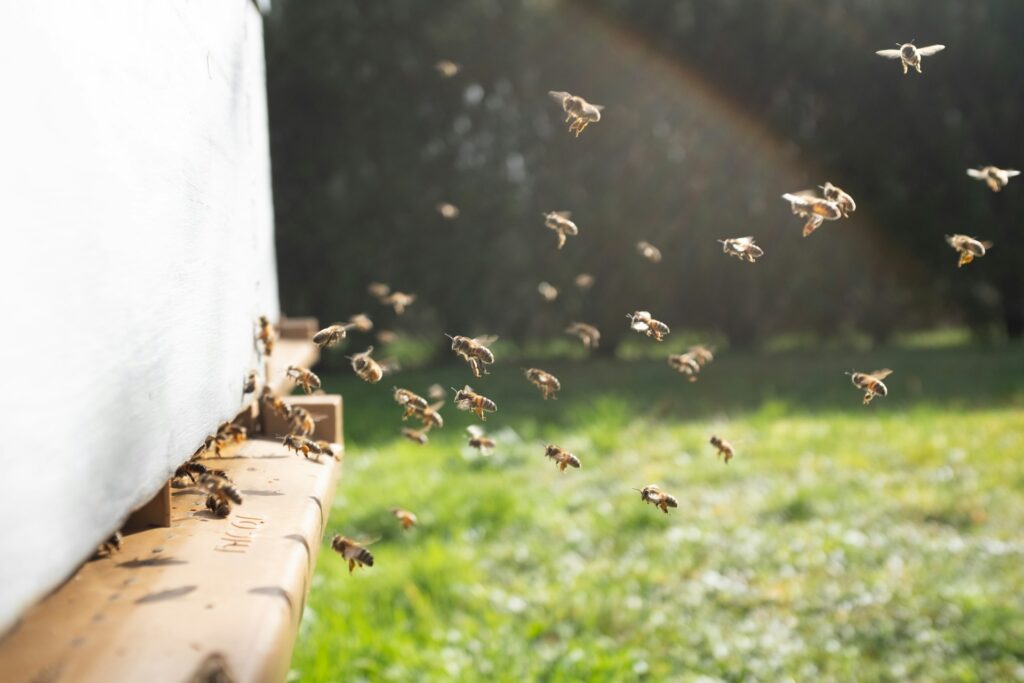
Healthy soil depends on plants, and plants depend on bees. When bees pollinate vegetation, they encourage the growth of roots that hold soil together. Strong roots stabilize the ground, preventing erosion and protecting topsoil from being washed or blown away. This process is vital in farmlands, riverbanks, and mountain regions where erosion can destroy entire landscapes.
Over time, bee-driven pollination creates dense vegetation that acts as a natural shield for the earth. In areas without pollinators, plants die off and leave the soil bare, which leads to landslides and loss of fertility. This degradation makes it harder for farmers to grow crops and for ecosystems to recover. Bees therefore don’t just support what grows above the surface, they also safeguard what lies below it. By helping plants anchor the soil, bees quietly preserve the foundation of life itself.
5. Honey Production Benefits Humans and Nature
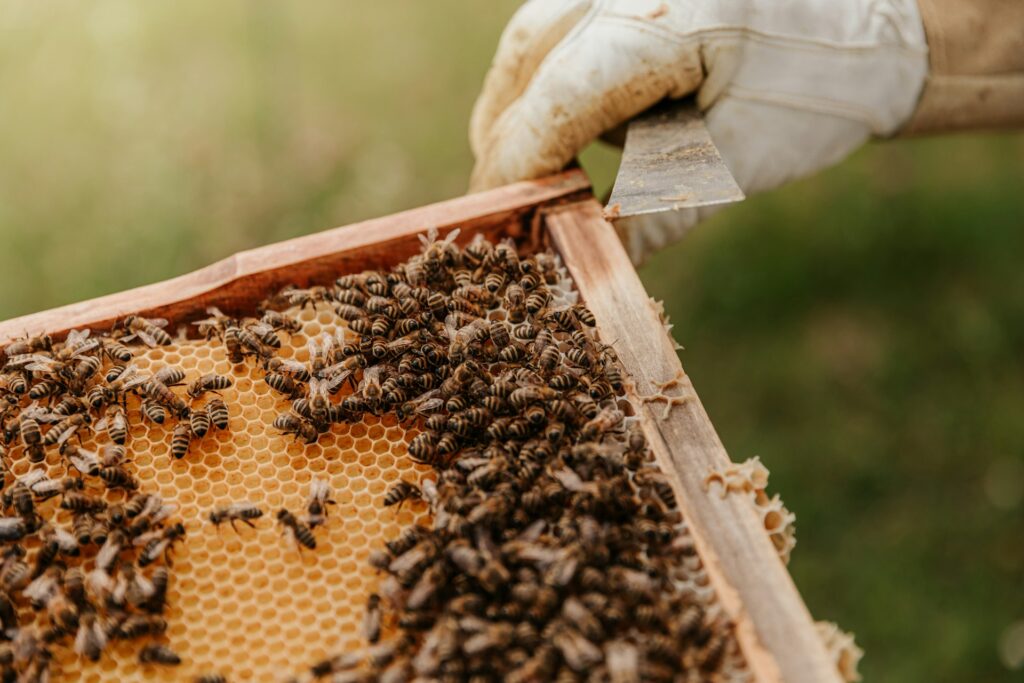
Honey is one of the oldest and most valuable substances ever discovered by humans, and it owes its existence entirely to bees. Each drop is produced through a meticulous process of nectar collection, digestion, and evaporation within the hive. It takes hundreds of bees working together to create just one jar of honey, showcasing the incredible teamwork and discipline within a colony. Beyond its sweetness, honey has natural antibacterial and antifungal properties that help heal wounds, soothe sore throats, and provide long-lasting energy.
The benefits don’t end there. Beekeeping supports local economies by providing jobs and sustainable products like beeswax, royal jelly, and propolis. Beeswax is used in candles, skincare, and pharmaceuticals, while honey serves as both a food and a natural preservative. These materials come from a process that causes no harm to the environment, making it one of the most sustainable industries on Earth. Every time bees make honey, they’re not just feeding themselves, they’re feeding the planet.
6. Bees Help Reproduce Wildflowers
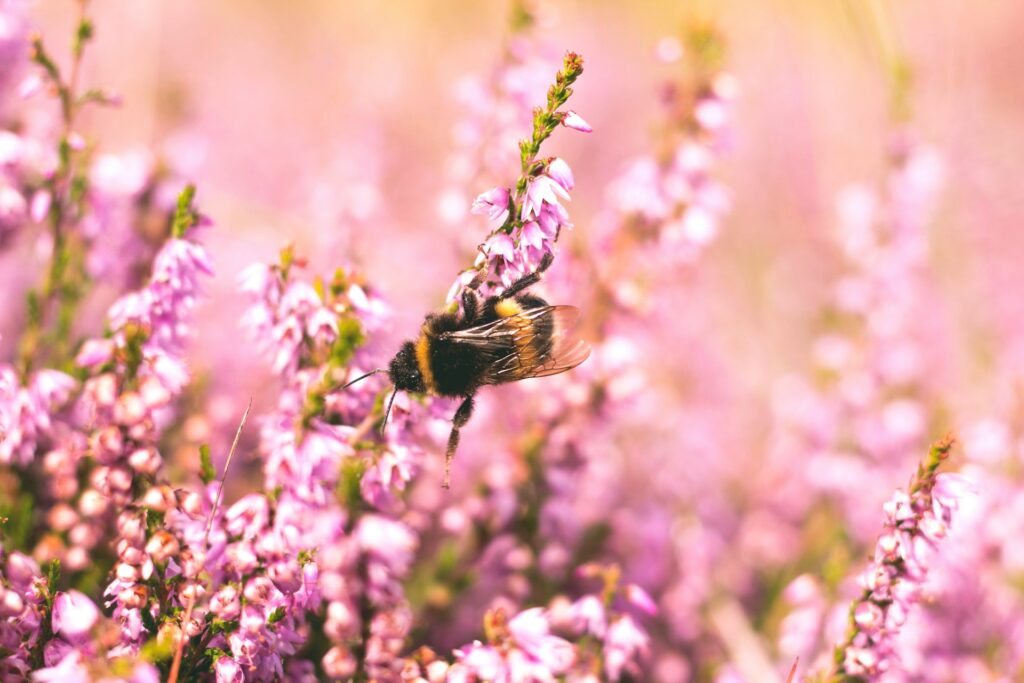
Wildflowers depend heavily on bees for reproduction, and their colorful blooms are living proof of how effective pollinators keep the planet vibrant. As bees travel between blossoms collecting nectar, they carry pollen that fertilizes other flowers, ensuring that wild plant species continue to multiply. These flowering plants are not just decorative, they provide essential food and shelter for countless insects, birds, and small mammals. When bees thrive, entire landscapes come alive with biodiversity.
Bees maintain the health of grasslands, forests, and meadows by helping native flowers survive from one season to the next. Without them, wildflowers would gradually disappear, taking away the foundation of many natural ecosystems. This loss would reduce available nectar for other pollinators and limit the diversity that helps plants adapt to environmental change. Wildflowers also prevent soil erosion and provide a buffer for extreme weather, which shows how bees indirectly protect the stability of nature’s systems.
7. They Strengthen Forest Ecosystems
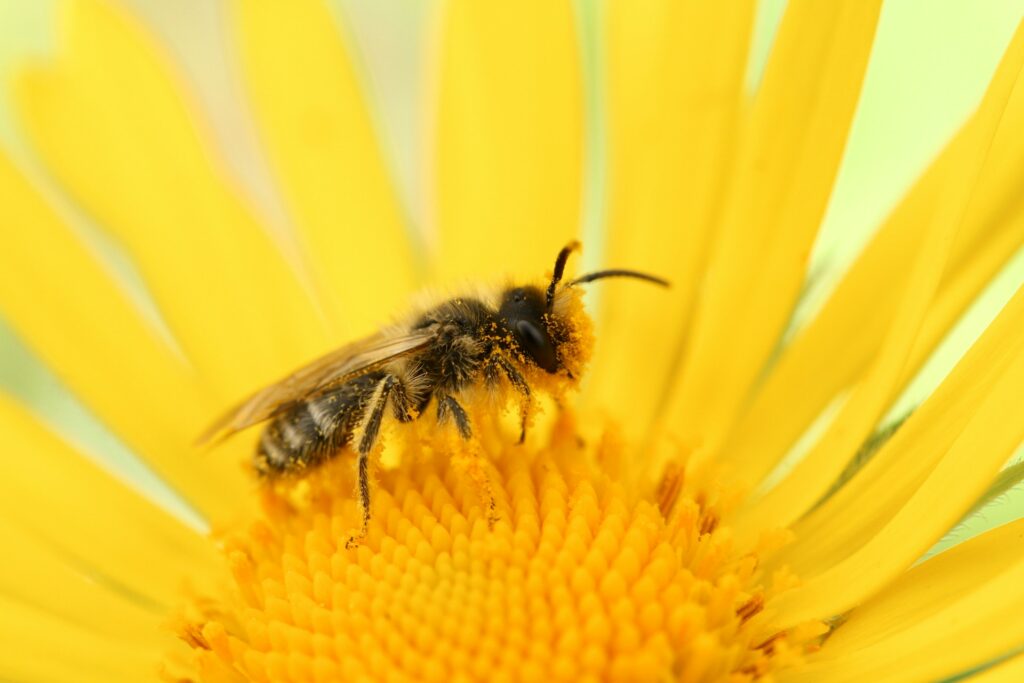
Forests are one of the most complex and essential ecosystems on Earth, and bees play a hidden but powerful role in keeping them healthy. Many tree species rely on pollination from bees to reproduce and form seeds that grow into future forests. From flowering acacias to fruit-bearing shrubs, bees help ensure the next generation of plants continues to take root. In return, these trees offer homes, shade, and oxygen for countless living creatures. Bees therefore act as quiet guardians of forest renewal.
When bee populations drop, regeneration slows, leading to weaker ecosystems and reduced carbon absorption. Pollinated trees and shrubs also provide fruits that feed forest animals, which in turn spread seeds further, continuing the natural cycle. By keeping forests thriving, bees also help balance the climate, improve air quality, and protect biodiversity on a global scale. Their presence ensures that forests remain a source of life and stability for generations to come.
8. Bees Contribute to Human Medicine
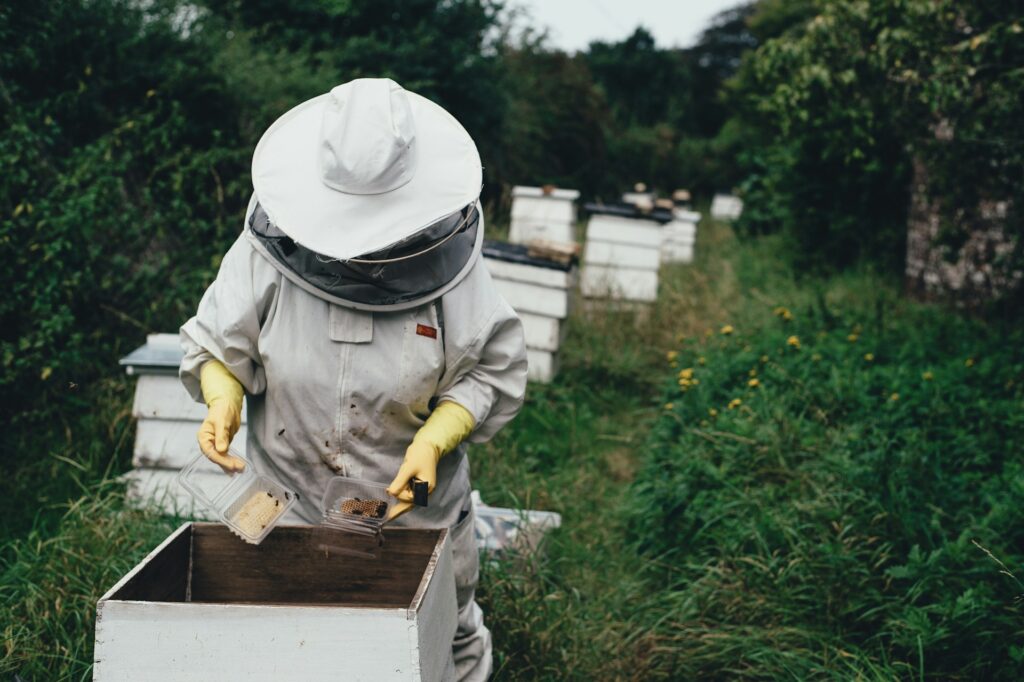
Bees are not only vital to agriculture and nature, they also contribute to human health in remarkable ways. Honey, propolis, and royal jelly have been used for centuries as natural healing agents because they contain antibacterial and antioxidant properties. Propolis, the resin bees collect from trees, is often referred to as nature’s antibiotic due to its ability to fight infection and boost immunity. Honey has natural enzymes that soothe wounds and burns, making it a valuable addition to medicine cabinets worldwide.
Even bee venom, when carefully controlled, has therapeutic uses that can relieve certain conditions. Every product that comes from the hive has value beyond nutrition, and none of it could exist without the tireless efforts of bees. By pollinating medicinal plants, bees also ensure the survival of species that form the basis of many natural remedies. In this way, they protect both traditional healing practices and modern medicine alike.
9. They Boost Agricultural Productivity
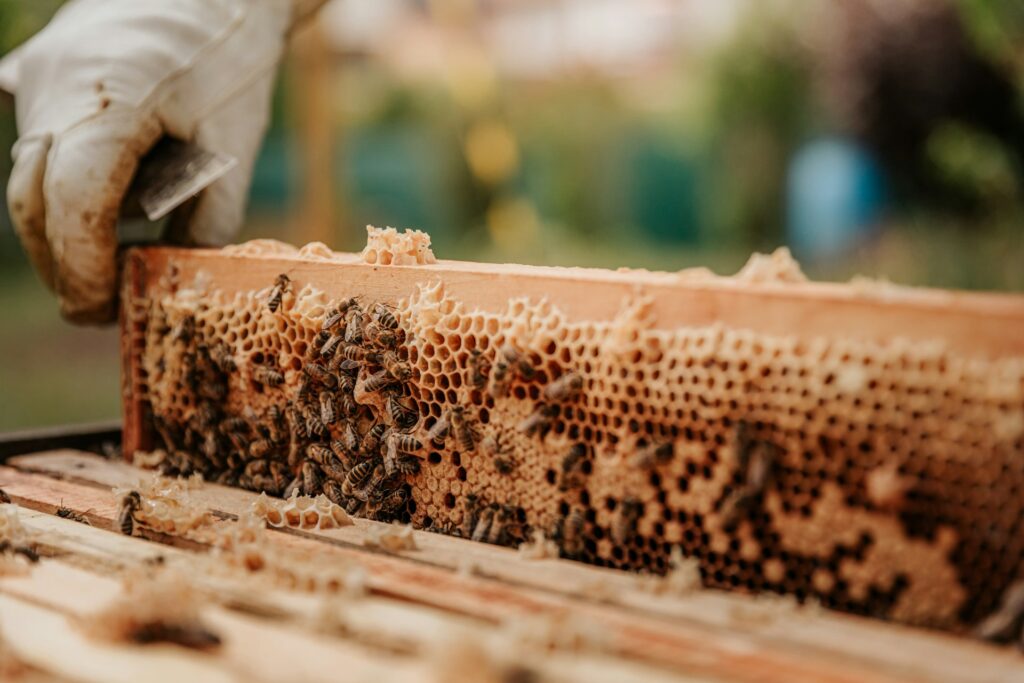
Bees make agriculture more productive by increasing both the quality and quantity of crops. When bees pollinate flowers on fruit trees, vegetables, and nut plants, they stimulate better growth, larger produce, and higher seed yields. Farmers often notice that fields with more pollinators produce healthier and more uniform harvests. This natural efficiency reduces the need for artificial methods of fertilization, saving resources and supporting more sustainable farming.
Bees indirectly improve soil fertility as well, since pollinated plants grow stronger roots that protect against erosion and retain moisture. Without bees, agricultural productivity would decline, leading to lower yields and higher prices for consumers. Every bee that visits a crop contributes to a global chain of nourishment that sustains billions of people. Their influence reaches every corner of food production, making them silent partners in human survival.
10. Bees Are Indicators of Environmental Health
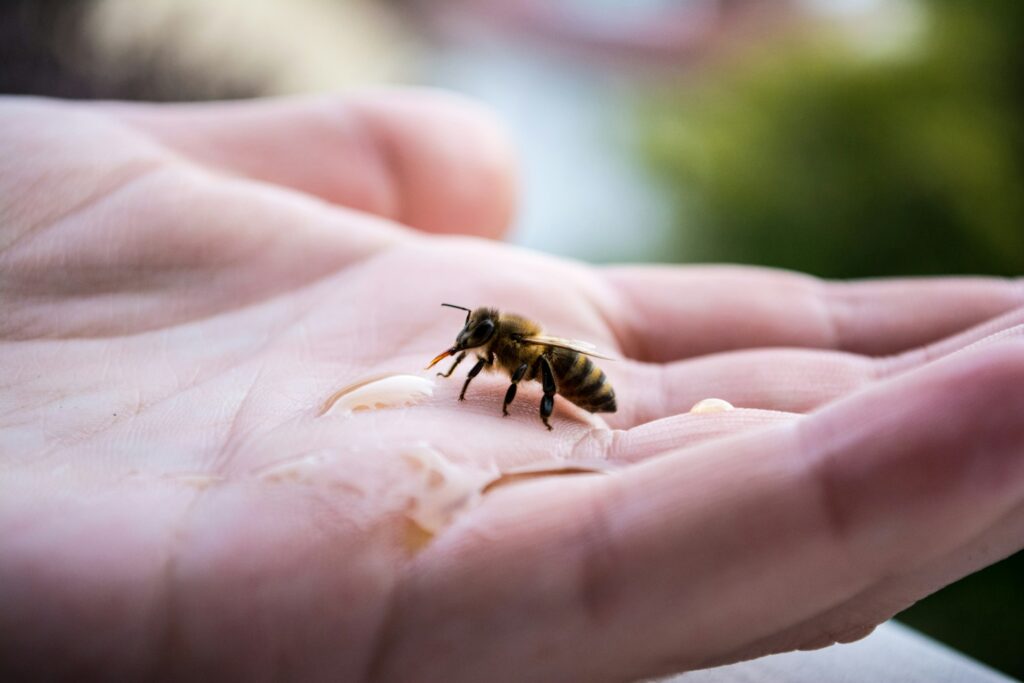
The health of bee populations mirrors the condition of the environment. Bees are highly sensitive to pollution, pesticides, and habitat destruction, which makes them excellent bioindicators. When bees begin to disappear from an area, it is often a sign that the local ecosystem is in trouble. Their decline warns of contaminated soil, toxic air, or vanishing plant life.
By studying bee activity, environmental experts can assess how balanced or damaged an ecosystem has become. Bees thrive in places with clean air, abundant flowers, and minimal chemical interference, which are also conditions that support human health. Protecting bees means protecting the planet’s natural systems that sustain all species. When bees are present and healthy, it means the environment is functioning as it should. When they vanish, nature’s alarm bell is ringing.
11. They Inspire Innovation and Technology

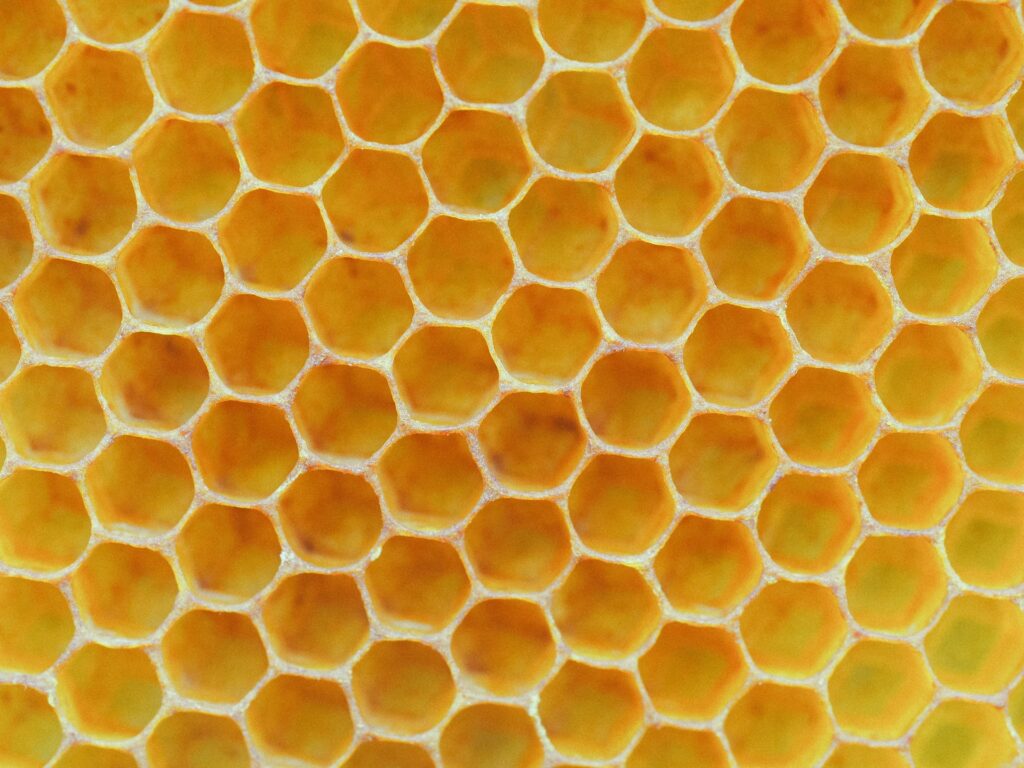
Bees have influenced modern innovation in surprising ways, showing that even the smallest creatures can teach humanity about efficiency and design. The hexagonal structure of the honeycomb, for example, is a masterpiece of natural engineering. It uses minimal material while providing maximum strength, a concept that has inspired architects, engineers, and scientists around the world. This same design principle has been applied in aerospace technology, packaging, and building structures because of its perfect balance of strength and stability.
Beyond physical design, the way bees communicate through the waggle dance has helped researchers understand navigation, teamwork, and even robotics. The precision with which bees share information about flower locations has inspired algorithms used in artificial intelligence and swarm technology. Their organized and cooperative behavior serves as a model for systems that need coordination and efficiency. Humanity continues to learn from bees, whose natural intelligence and structure reveal how balance and productivity can exist in harmony.
12. Bees Enhance Home Gardens
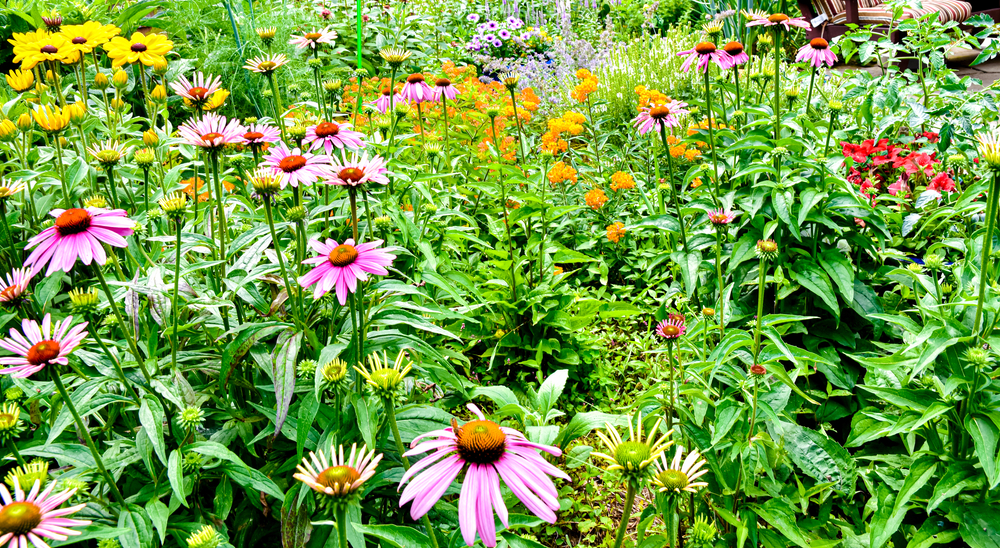
Home gardens flourish when bees are around. These small pollinators play a vital role in helping backyard plants bear fruit and bloom beautifully. Each time a bee visits a flower, it encourages reproduction and growth, which results in healthier plants, more vibrant colors, and higher yields of vegetables and fruits. Bees bring life to everything from berry bushes to citrus trees and flowering herbs.
Homeowners who plant bee-friendly flowers like lavender, sunflowers, and marigolds help create mini ecosystems that support local biodiversity. Even a single small garden can become a sanctuary for bees and other beneficial insects. By avoiding harmful pesticides and providing clean water sources, gardeners can support pollinators that, in turn, reward them with thriving greenery. A healthy bee population ensures that neighborhoods remain colorful, food-producing, and ecologically balanced.
13. Bees Help Support Urban Green Spaces

In cities around the world, bees are proving that nature can survive even in concrete environments. Urban beekeeping has become increasingly popular as people realize how crucial bees are to maintaining balance within built spaces. Bees pollinate rooftop gardens, public parks, and flowering trees that make cities greener and cleaner. Their presence helps cool urban temperatures by sustaining vegetation that absorbs heat and filters air pollutants.
By supporting bees, city dwellers contribute to local food production, since pollinated plants bear fruit and seeds that feed communities and wildlife alike. Bees also play a key role in mental well-being because green spaces with pollinators promote calm and reduce stress for people living in dense environments. In many cities, bees are helping transform rooftops and balconies into thriving oases of life. This quiet urban revolution proves that even in human-dominated spaces, nature still finds a way to thrive.
14. They Support Global Trade and Economies
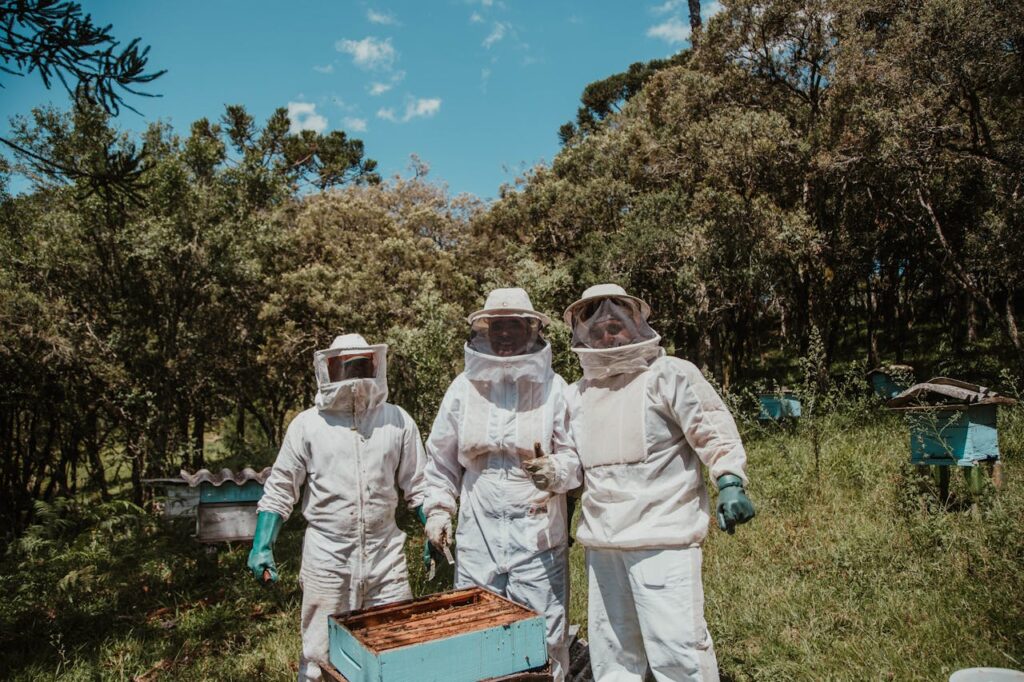
The global economy relies far more on bees than most people realize. Many of the world’s top cash crops depend entirely on bee pollination, including coffee, cocoa, and almonds. These crops generate billions of dollars every year and support millions of jobs across farming, transportation, and retail industries. When bee populations drop, yields fall and production costs rise, creating economic instability.
This can lead to shortages, inflation, and loss of income for rural communities that rely on agriculture. Bees are, in many ways, economic engines disguised as insects. Their pollination ensures that trade in fruits, vegetables, oils, and nuts continues to flow between countries. The absence of bees would not only harm biodiversity but also trigger a financial crisis affecting food industries worldwide. Governments and farmers who protect bee habitats are investing directly in the stability of the global market.
15. Bees Encourage Conservation Awareness
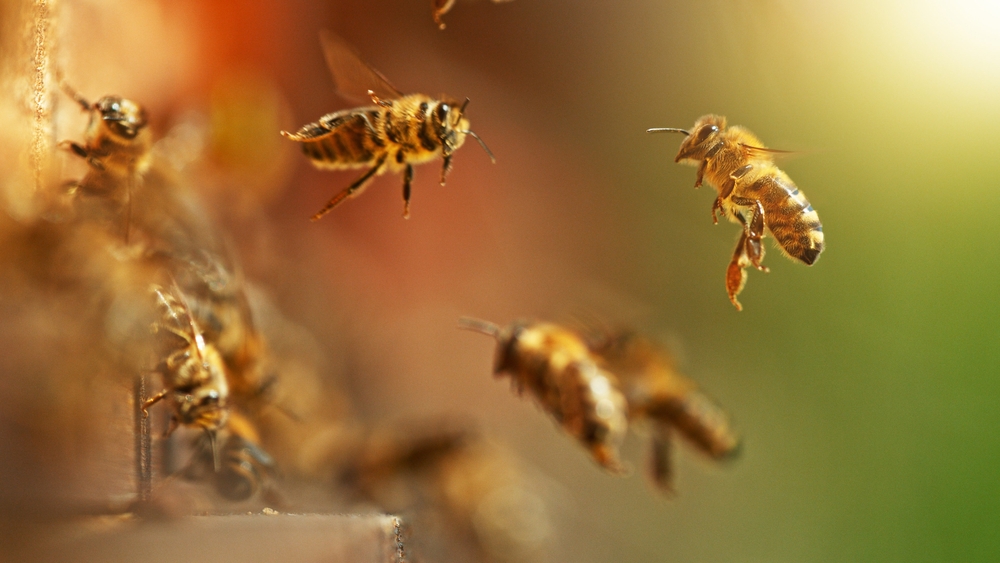
Bees have become global ambassadors for environmental protection, sparking conservation movements and educational programs that emphasize sustainability. Their decline has drawn attention to the dangers of pesticides, habitat destruction, and climate change. People who begin by protecting bees often end up protecting many other species that share their environment. Bees symbolize the delicate balance between human activity and the natural world.
Supporting them teaches people how to garden sustainably, reduce pollution, and value biodiversity. Schools, communities, and organizations around the world use bees as powerful examples of how small actions can make a big difference. When people plant native flowers or avoid harmful chemicals, they create safer spaces not only for bees but for butterflies, birds, and other pollinators too. Bees unite people under one message, that saving them means saving the entire planet.
16. They Aid Carbon Sequestration
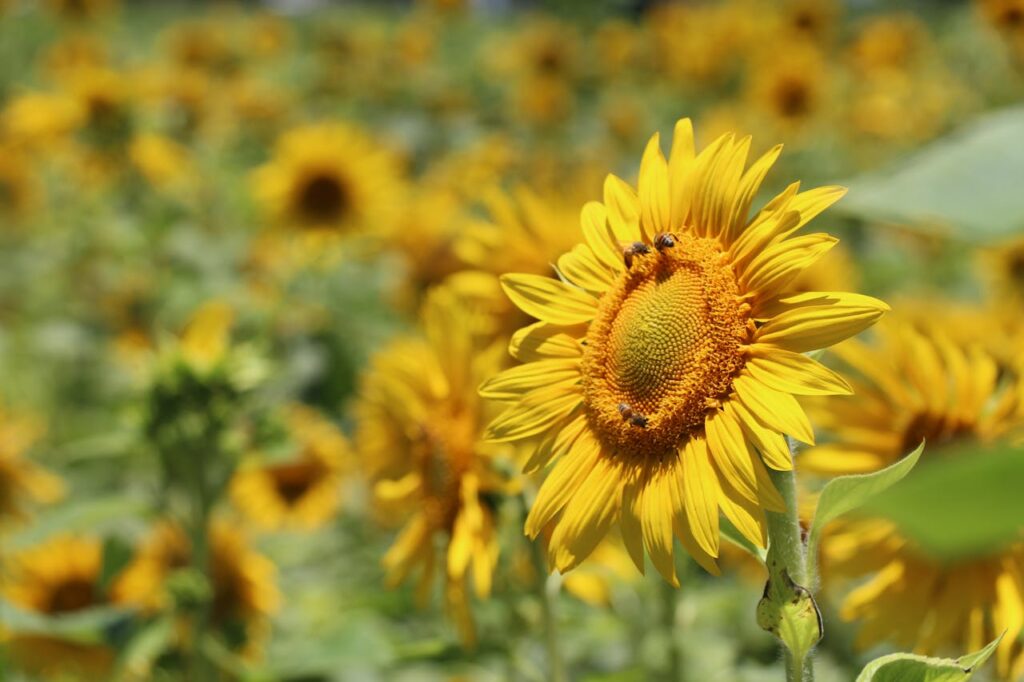
Bees play an indirect but vital role in reducing carbon levels in the atmosphere. By pollinating plants and trees, they help increase the amount of vegetation capable of absorbing carbon dioxide. This process, known as carbon sequestration, slows global warming and helps maintain climate stability. Pollinated forests and grasslands capture millions of tons of carbon every year, a function that depends heavily on bee activity.
The more bees there are, the more efficiently plants can grow and store carbon in their roots, stems, and leaves. Bees keep ecosystems healthy enough to perform this essential environmental service. Their contribution goes unnoticed, but without them, the planet’s natural ability to regulate carbon would weaken. Forests would grow thinner, crops would fail more easily, and carbon would accumulate in the air. Supporting bees, therefore, supports the Earth’s natural defense against climate change.
17. Bees Improve Air and Water Quality
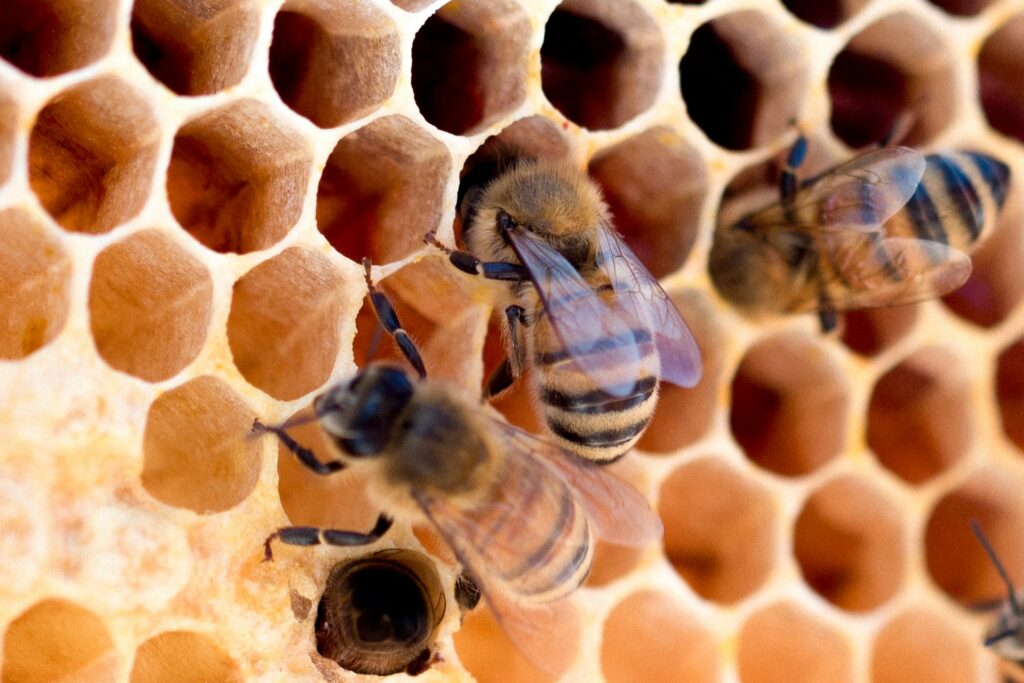
The work of bees extends far beyond pollination and directly influences air and water quality. When bees pollinate plants, they help sustain vegetation that filters pollutants, traps dust, and releases oxygen into the air. Trees and flowering plants absorb harmful gases and reduce the buildup of airborne toxins. By enabling plants to thrive, bees help keep the atmosphere cleaner and more breathable for all species.
Their impact reaches water systems as well. Strong, healthy plant roots prevent soil erosion, which stops sediments and chemicals from washing into rivers and lakes. Cleaner soil leads to purer water sources, benefiting both wildlife and people. If bee populations decline, these natural filtration systems weaken, and pollution spreads faster through air and waterways. The humble bee acts as an unseen environmental guardian, keeping the elements that sustain life pure and balanced.
18. They Provide Lessons in Teamwork
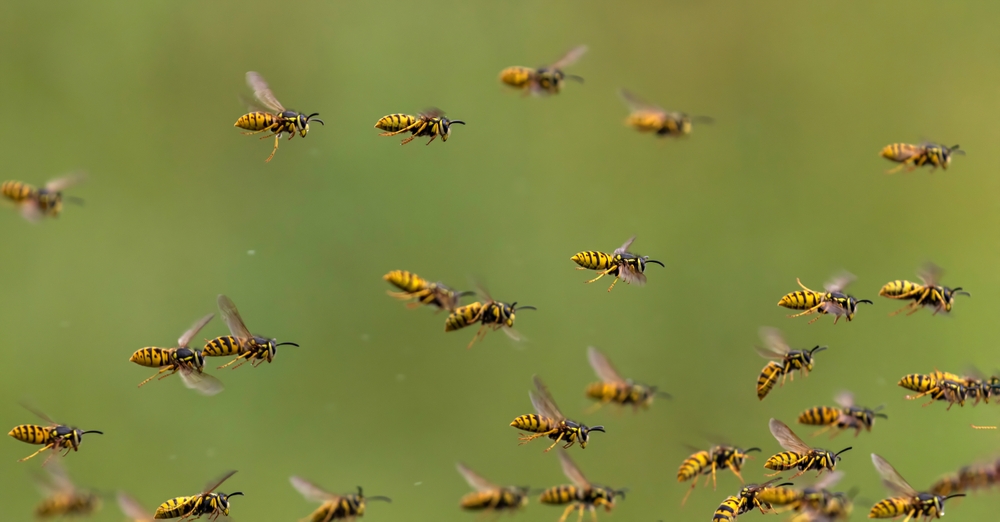
Inside a hive, bees demonstrate one of the most efficient examples of teamwork in the animal kingdom. Every bee has a role, from foragers that collect nectar to nurse bees that care for larvae and guards that protect the entrance. This structure operates with near-perfect organization, ensuring that the entire colony functions smoothly. Bees communicate through subtle vibrations and movements, allowing thousands of individuals to coordinate without confusion or conflict.
This cooperation ensures the hive’s survival and productivity even under stress. Humans can learn much from this unity, efficiency, and purpose-driven behavior. The hive teaches that individual effort matters most when directed toward a shared goal. Even small contributions, when combined, create powerful results. The world of bees reflects a system of respect, balance, and mutual dependence that mirrors how human societies must function to thrive.
19. Bees Protect Future Generations
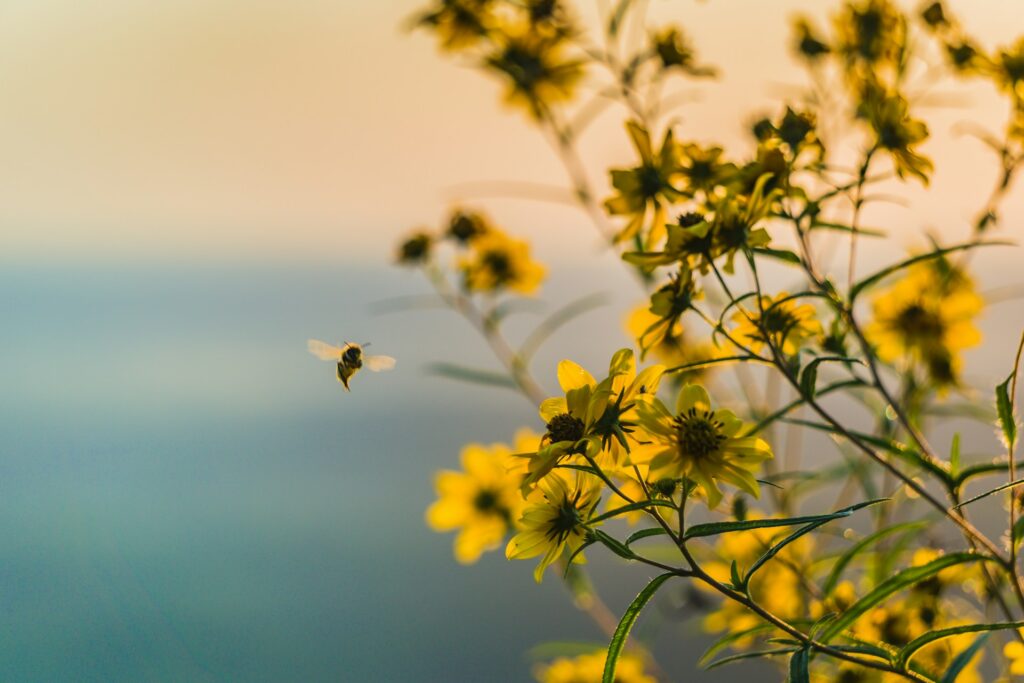
The efforts of bees today shape the survival of tomorrow’s ecosystems. Every flower they pollinate leads to seeds, fruits, and trees that will nourish future generations of humans and animals alike. Their activity ensures that food sources remain abundant, that forests keep regenerating, and that biodiversity continues to expand. By maintaining the stability of natural cycles, bees act as timekeepers of life itself.
If bees were to disappear, children of the future would inherit a world with fewer plants, poorer nutrition, and fragile ecosystems. Protecting bees is, therefore, a direct investment in the planet’s longevity. Their survival guarantees that upcoming generations can still enjoy fresh produce, clean air, and thriving natural environments. Bees connect the past, present, and future of life on Earth, holding together the chain of existence that sustains every living being.
20. The Planet Cannot Thrive Without Them
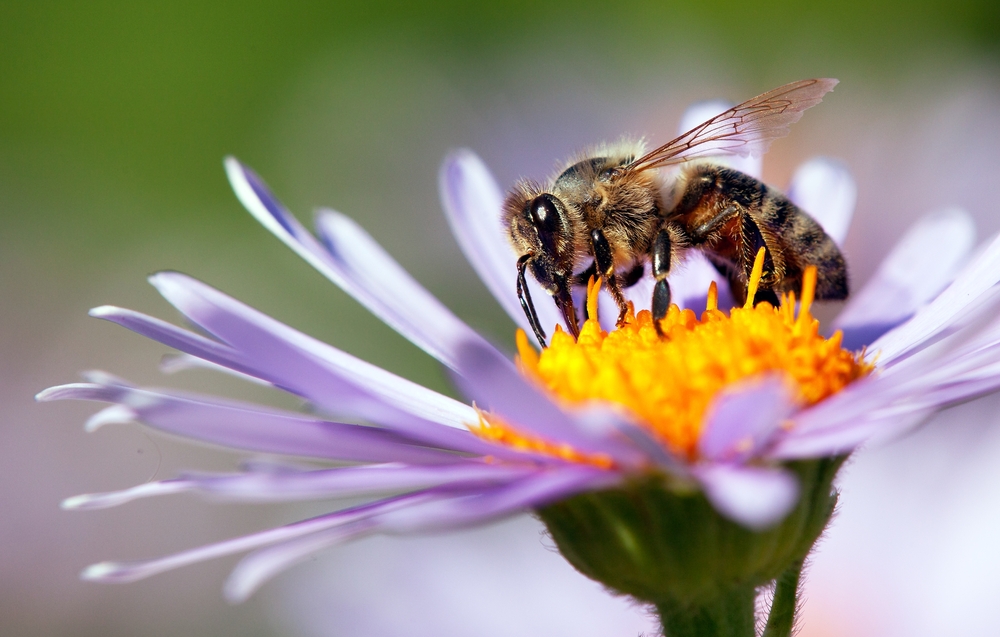
Bees are the invisible link holding countless ecosystems together. They sustain forests, fields, farms, and gardens through the power of pollination, ensuring the continuity of food chains and habitats worldwide. Without bees, the loss of plant diversity would devastate wildlife populations and destabilize the global food supply. Humanity would face food shortages, increased prices, and weakened health from a lack of essential crops.
Beyond that, the beauty and abundance of nature would fade, replaced by barren landscapes and silent fields. Bees represent balance, connection, and continuity, and their protection is essential for the health of the planet. Every hive supports not only its colony but also the entire living web that depends on them. If humans safeguard bees, the planet will continue to flourish in harmony. If bees vanish, so will much of life as we know it.
The Bottom Line
Bees are not just insects buzzing from flower to flower, they are the foundation of life itself. Their pollination ensures food security, ecological balance, and environmental resilience. Every field, forest, and farm depends on their tireless effort. They maintain biodiversity, strengthen soil, and protect the air and water that sustain all living things.
Bees also inspire humans to design better, work together, and care more deeply for nature. Their decline is not just an environmental issue but a warning that our own future is at risk. Protecting bees means protecting humanity’s ability to eat, breathe, and thrive.
Read More: 5 Animals You Want To See In Your Garden & 5 You Don’t Want To Encounter
Disclaimer: This article was created with AI assistance and edited by a human for accuracy and clarity.