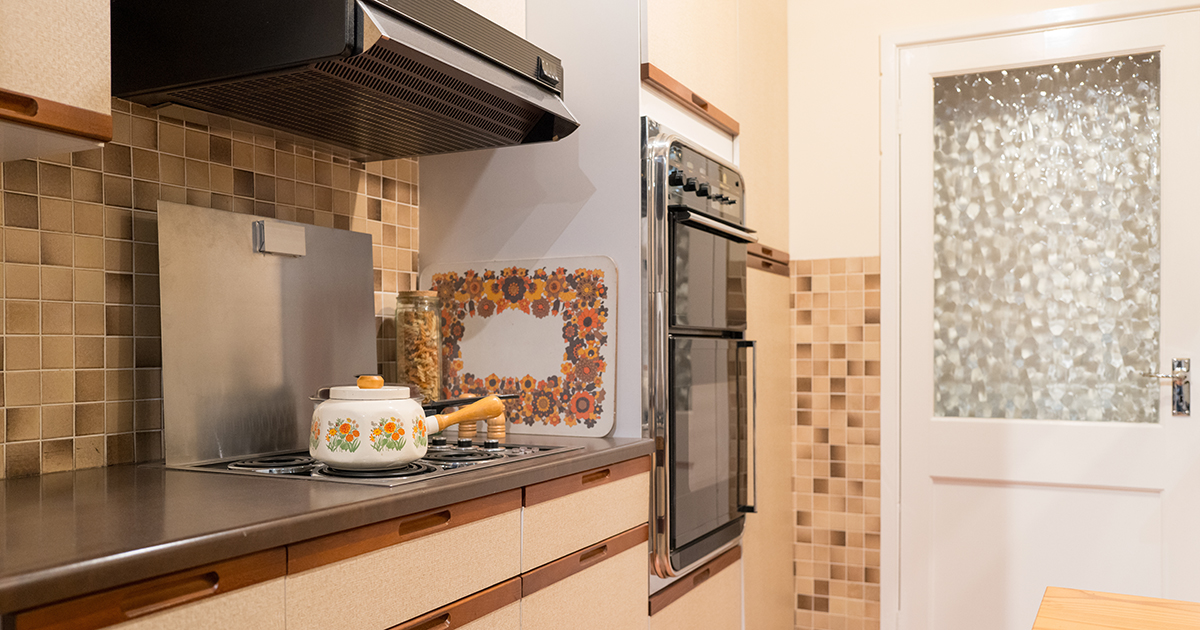

The kitchen that got ripped out in 2005 because it looked “so dated” is having its revenge. The honey-toned wood, the bold backsplash, the color on the cabinets that wasn’t gray or white – all of it dismissed for two decades as the embarrassing relic of a decade with bad taste. And yet here we are in 2026, watching designers race to put it all back.
There’s a reason the 1980s are returning to kitchens now, and it’s not pure nostalgia. After fifteen years of white paint, subway tile, and cold minimalism, homeowners have started asking an uncomfortable question: why does my kitchen feel like a showroom that nobody lives in? The answer, apparently, is to go back and look at what kitchens felt like before “timeless” became code for “stripped of personality.” What they found was the 1980s – loud, warm, specific, and oddly ahead of its time.
These aren’t replicas of your grandmother’s kitchen. The 1980s kitchen trends making a comeback in 2026 have all been updated. The bones are the same; the execution is sharper. Here are the seven that designers are actively pushing right now.
1. Bold-Colored Cabinets
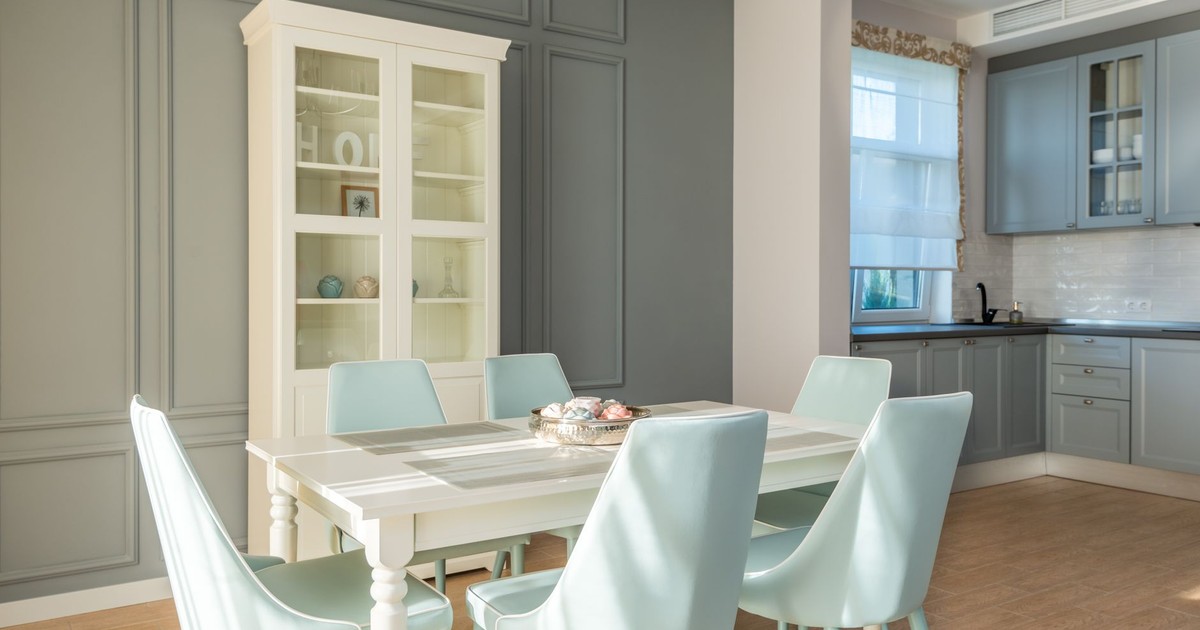
Walk through a kitchen showroom in 2026 and the first thing you notice is color – actual color, not the forty-seven varieties of greige that dominated for the better part of a decade. According to The Daily Meal, the all-white trend had been popular precisely because white felt like the safe, timeless option, but homeowners began to notice it was cold and uninviting. That’s a big part of why bold 1980s colors are making a major comeback, including moody purples, mint green, teal, and several shades of pink.
Some designers predict Martha Stewart’s pale blue 1980s kitchen will make a comeback in 2026 for the timeless, fresh energy that the color adds to the home. That specific reference matters – it signals that the conversation isn’t about neon excess or Miami Vice pastels. It’s about intentional, committed color, the kind the 1980s did better than almost any other decade.
IKEA’s design expert Abbey Stark noted that “design is seeing a strong ’80s revival with chrome finishes, graphic patterns, and bold primary colors making a comeback.” The difference today is restraint in application. Rather than covering every surface, designers are anchoring the room with one run of bold cabinets – the lowers in deep teal, the island in cobalt – and letting the rest of the kitchen breathe around it.
2. Warm Oak Wood Cabinets
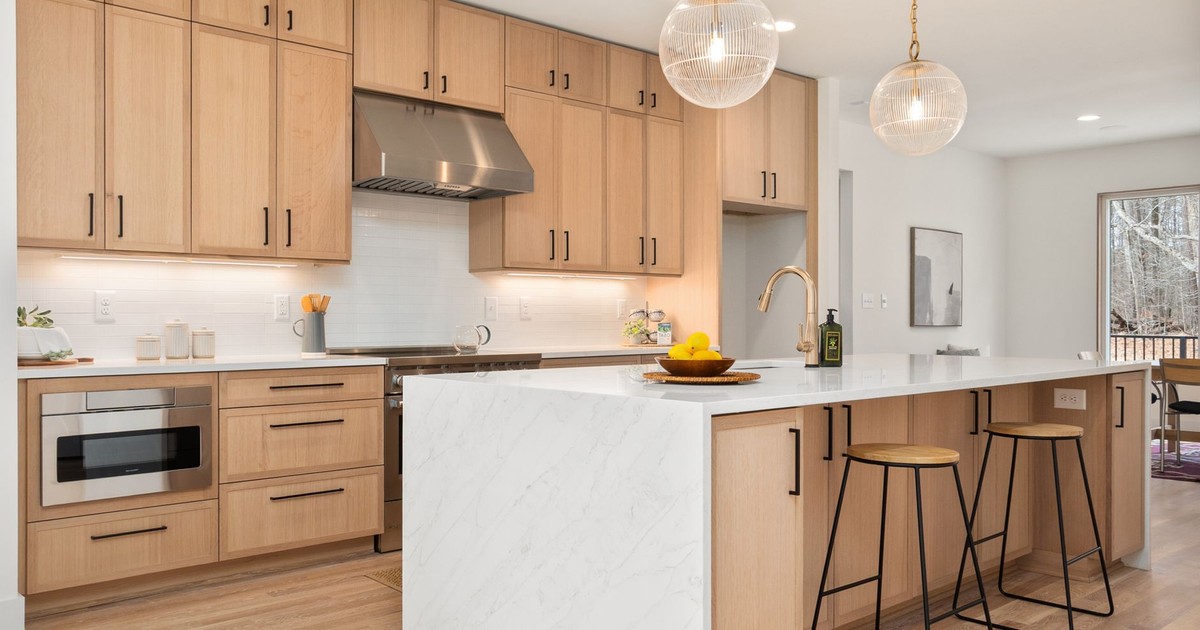
Oak cabinets spent roughly twenty years being the thing you apologized for at open houses. The honey-stained, raised-panel version from the 1990s earned that reputation. But what went out of style was a specific version of oak: honey-stained, raised-panel, paired with laminate countertops and matching trim. Strip all of that away, and what you’re left with is one of the most durable, characterful hardwoods in American cabinetry. In 2026, the design world has caught up to that fact.
Amish House Cabinets notes that what’s trending now isn’t honey oak at all – it’s natural wood finished in a way that celebrates the grain without the orange cast that defined 1990s kitchens. A natural or light matte finish on white oak produces something completely different: warm, clean, contemporary. The wood is the same species; the result looks nothing alike.
At one point, painted cabinets represented nearly 70% of all installs. According to the 2026 Houzz Kitchen Trends Study, that number has dropped to 52%, and wood is steadily taking back ground. That’s a meaningful shift in a short window. The “warm minimalism” movement driving design in 2026 is essentially tailor-made for oak. Natural grain, matte finishes, organic textures, and earthy tones all reinforce each other, and oak sits at the center of that combination better than almost any other species.
3. Laminate Countertops
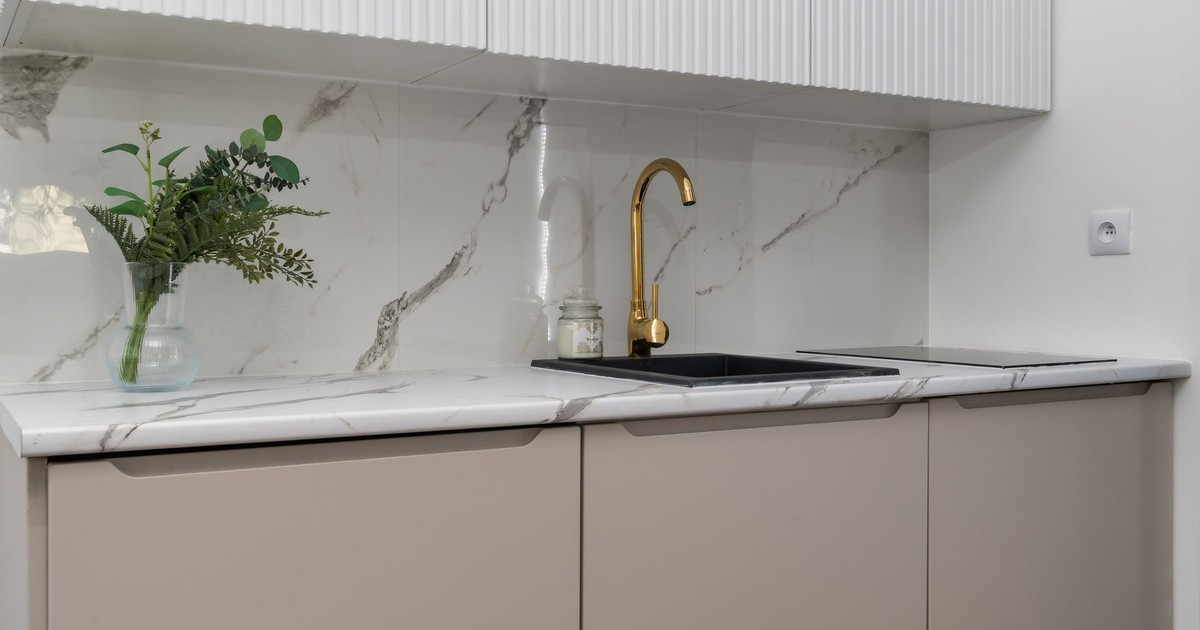
This one requires the most convincing, because the word “laminate” still carries the full weight of 1980s kitchens at their most functional and least glamorous. But Hall Bros Lumber reports that leading brands now offer deep veined stones, russet-tinted concretes, and ivory marbles in laminates that capture today’s warmth-first design trends – and that Formica alone saw a near tripling of sample requests between 2021 and 2023. Laminate isn’t being marketed as a budget substitute anymore; it’s being positioned as a deliberate design choice.
The material itself has genuinely changed. Manufacturers now use digital scanning and high-definition printing to capture every vein and swirl of real stone, layered with embossed textures and matte finishes that make the result feel like the natural material it’s referencing. Seamless edge profiles eliminate the old visible brown binder edge that gave away a laminate countertop in every “before” photo.
There’s also a practical case that has nothing to do with aesthetics. Laminate has long been used in medical offices partly for its hygienic, easy-to-clean surface – a quality that translates well to a household with kids or pets. The 1980s version was practical because it was cheap. The 2026 version is practical because it’s genuinely good.
4. Graphic and Geometric Tiles
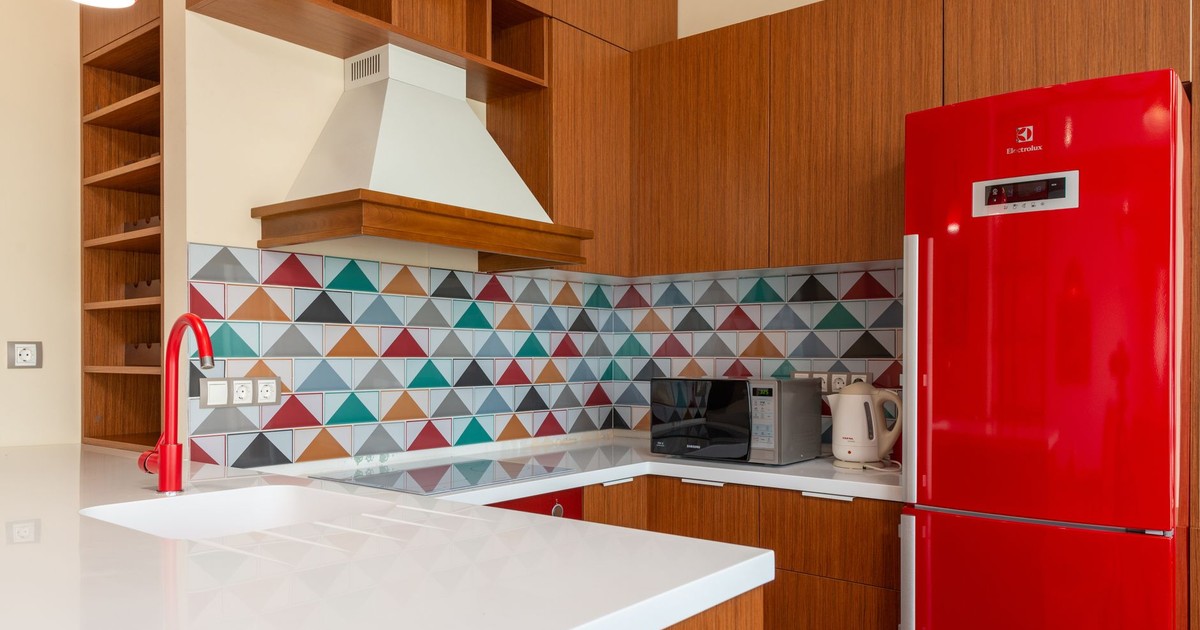
The backsplash was the statement wall of the 1980s kitchen, and it’s reclaiming that role now. Homes & Gardens reports that graphic tiles and geometric shapes have real staying power, with designer Maddy Bull of HollandGreen pointing to kitchen backsplashes covered in a constant geometric pattern, or a full feature wall, as directions that can look entirely contemporary rather than retro.
Modern versions of this trend include terracotta or stone tiled floors – especially in Italian kitchen designs – mosaic backsplashes, and Delft tiles featuring small storytelling images. Some designers are taking it further with tile-drenching: floor-to-ceiling tiles that create an immersive, dramatic energy in the room. That last move would have looked perfectly at home in any 1985 kitchen spread, and the fact that designers are doing it on purpose rather than as a budget decision says everything about how far the rehabilitation of 1980s kitchen trends has come.
The practical case is straightforward too: tile is durable, easy to clean, and one of the few design choices you genuinely don’t have to update every five years. The key update from the original 1980s approach is intention. Rather than covering every surface, designers are pairing bold geometric tile with cleaner architectural details elsewhere in the room, so the pattern reads as chosen rather than default.
5. Curved Lines and Rounded Edges
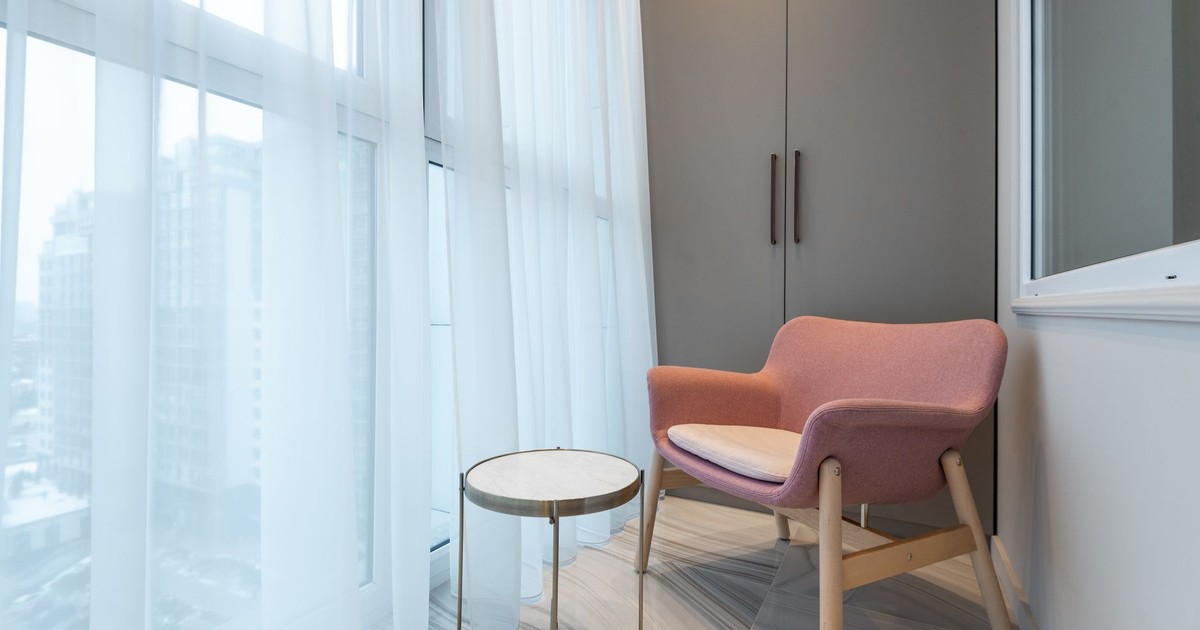
The sharp-cornered, grid-perfect kitchen that defined the 2010s is giving way to something softer. Curved lines are back in style for 2026 kitchens as homeowners and designers grow tired of the sharp edges, clean lines, and cold, sterile vibe of modern kitchens. Curved accents with soft edges bring a more welcoming, comfortable feeling into the room, and this was a popular design instinct in 1980s kitchens, when lived-in comfort was at the forefront of home design.
Curves and waves are being implemented in several ways, from rounded countertops and islands to arched doorways and circular light fixtures. It’s a softer kind of drama than a bold-colored cabinet or a floor-to-ceiling tile run, but it changes a room’s feeling entirely. A rounded island edge doesn’t just look different from a mitered corner – it changes how you move through the space, how you lean against it, how conversations arrange themselves around it.
This is one of the 1980s kitchen trends where the original instinct was simply right. Rounded cabinetry, barrel-vaulted ceilings over kitchen nooks, and curved breakfast bar edges weren’t design choices born from excess. They were born from the reasonable idea that a room you spend hours in every day should feel comfortable. Homes & Gardens’ 2026 kitchen cabinet coverage confirms that rounded edges and sculptural forms are among the defining cabinet details of the year.
6. Maximalist Layering
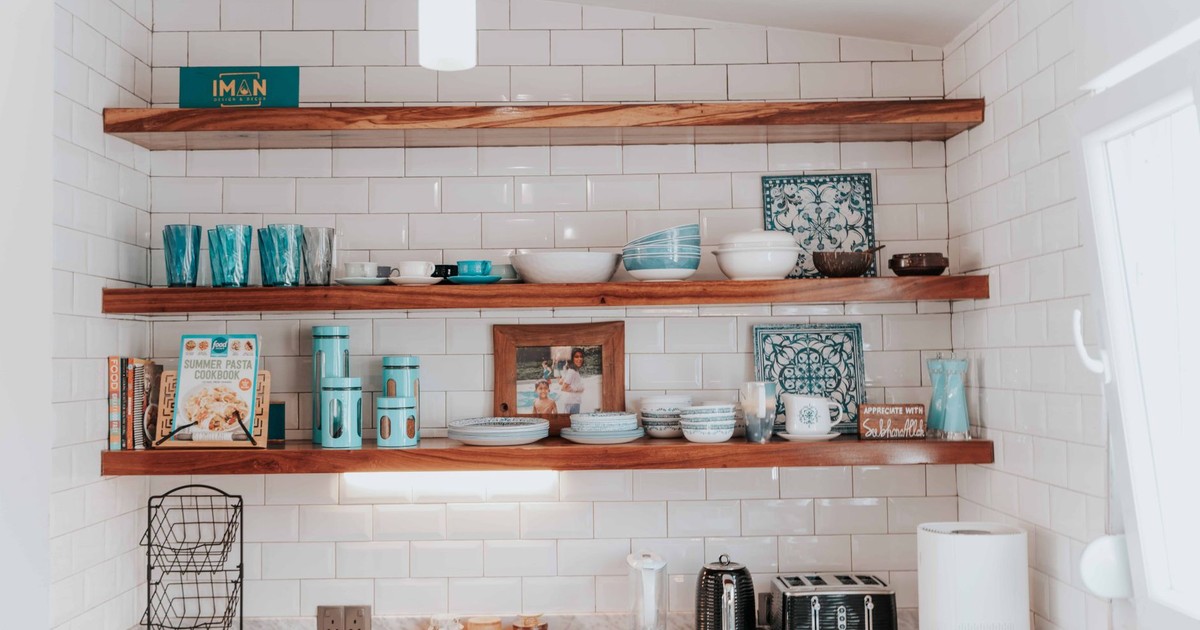
After years of the less-is-more kitchen, the pendulum has swung hard. When you think of 1980s design, one of the first words that comes to mind is maximalism – between the bright colors, quirky shapes and textures, and funky decor, the decade was nothing if not expressive. Designers are seeing a revival of this in what many are calling the “anti-minimalism movement.”
In practice, this looks less like clutter and more like commitment. Patterned wallpaper on a single wall behind open shelving. A countertop in a color that’s not trying to disappear. Hardware that’s visible and deliberate rather than recessed and invisible. Bold wallpapers, quirky decor, varying textures, and bold colors are making a comeback, bringing in the nostalgic energy of the decade combined with a more curated twist.
The crucial update is that word “curated.” The 1980s kitchen often layered everything because everything was exciting. The 2026 version layers selectively – one or two big swings per room rather than all of them simultaneously. The philosophy is the same; the editing is better.
7. Handle-Free Push-to-Open Cabinets
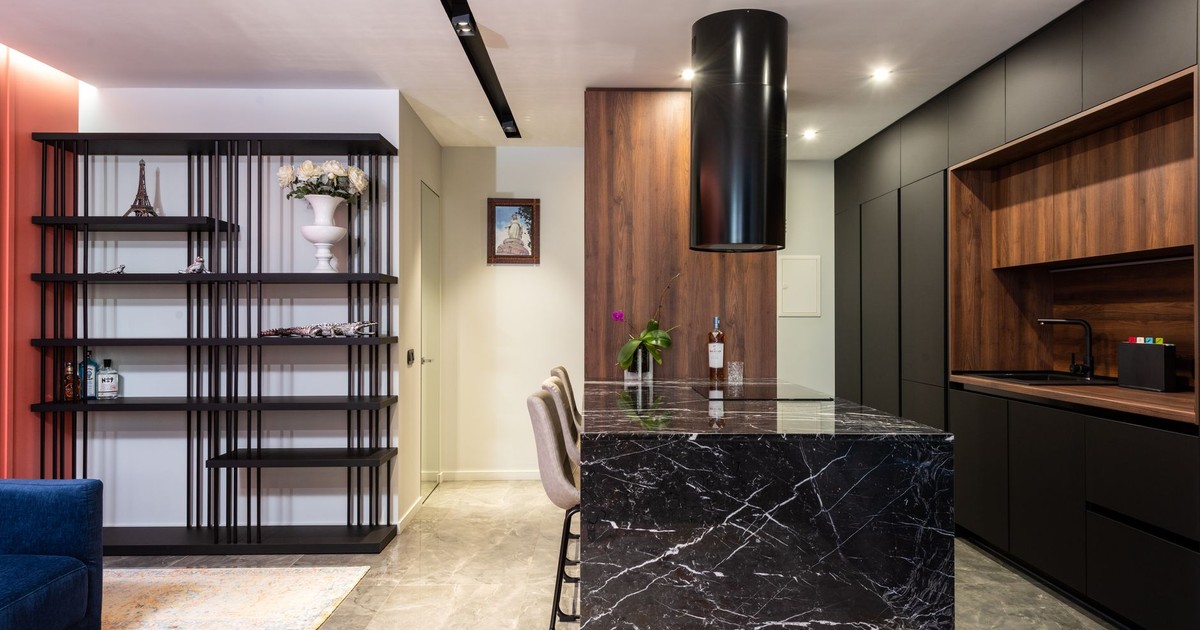
This one surprises people. Push-to-open, or handle-free, cabinets feel like a contemporary minimalist innovation – the kind of detail that belongs in a sleek European kitchen from the last ten years. In fact, another popular design concept in 1980s kitchens was the invisible kitchen without handles. The decade ushered in a sleeker, streamlined look, and that same instinct for clean, uninterrupted cabinet fronts is exactly what today’s designers are reaching for again.
The 1980s version relied on spring-loaded push catches that wore out and required you to memorize which cabinet opened on a tap versus a pull. The current version uses integrated touch-to-open hardware with far higher tolerances, and the results are noticeably more reliable. But the aesthetic logic – the idea that the cabinet face is the design element and hardware should not interrupt it – originated in that decade and never fully left.
Nowhere has this shift been more noticeable than in the latest kitchen cabinet trends, with 1980s kitchen cabinet ideas having a resurgence in popularity according to kitchen designers and decorators. The handleless kitchen, once dismissed as either dated or impractical, is now one of the cleaner ways to integrate serious storage into a maximalist room without the visual noise of hardware multiplied across thirty cabinet doors.
Why This All Happened Now
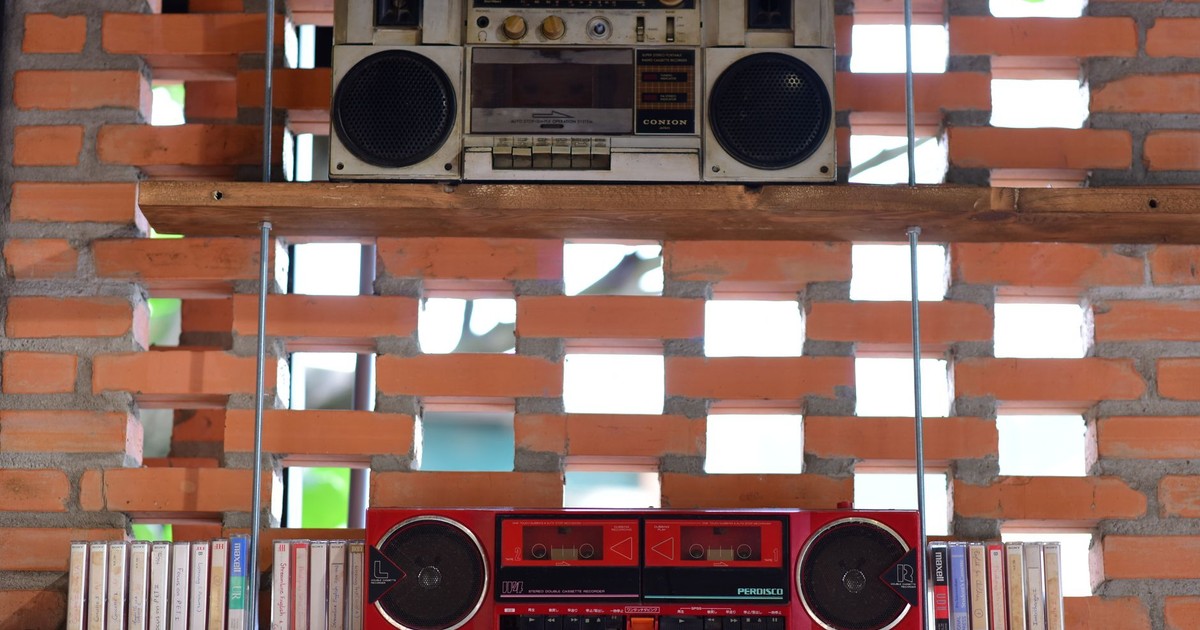
The timing isn’t accidental. Interior design trends run on roughly twenty-to-thirty-year cycles, which means the 1980s were always going to get their turn. But the specific 1980s kitchen trends resurging in 2026 share something beyond timing: they’re all reactions to the same fatigue.
Fifteen years of minimalism produced kitchens that photographed beautifully and felt cold to actually cook in. The warmth that comes from wood grain, from a bold tile, from a cabinet color that tells you something about the person who chose it – that’s what people are chasing. The 1980s, for all their excess, got that part right. Kitchens were personal. They weren’t designed to be invisible.
None of these trends require a full renovation to try. A run of geometric tile on the backsplash. A single cabinet color that isn’t white. An oak shelf where the floating white one used to be. The decade that everyone spent twenty years trying to renovate away turns out to have had some genuinely good ideas – they just needed a little time, and a lot of gray kitchens, before anyone was ready to admit it.
Disclaimer: This information is not intended to be a substitute for professional medical advice, diagnosis, or treatment and is for information only. Always seek the advice of your physician or another qualified health provider with any questions about your medical condition and/or current medication. Do not disregard professional medical advice or delay seeking advice or treatment because of something you have read here.
AI Disclaimer: This article was created with the assistance of AI tools and reviewed by a human editor.