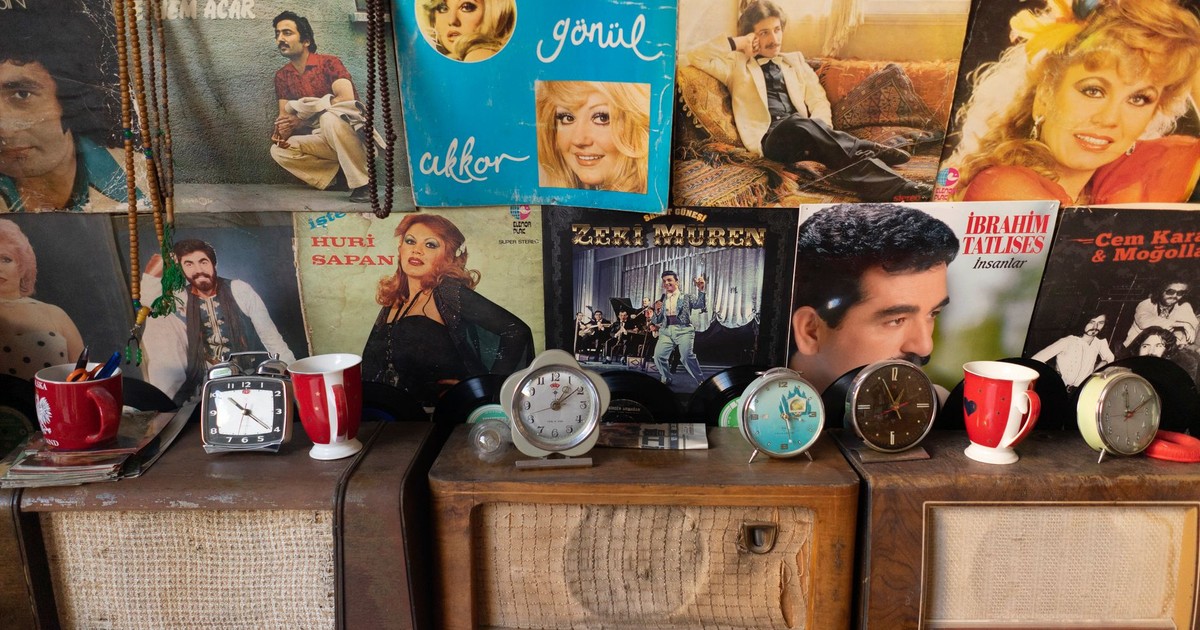

Pick up any summer from the years you grew up, and chances are one specific smell, one specific errand, or one specific Saturday afternoon ritual comes back whole. The ’70s and ’80s were long enough ago that the habits of daily life then look genuinely strange now, but they were also recent enough that tens of millions of Americans lived them firsthand. The gap between those two facts is where the 1970s 1980s nostalgia wave keeps finding its material.
Not all of it is fond. Some of the things people did routinely back then were objectively dangerous. Others were just deeply inconvenient in ways that got normalized because there was no alternative. And a few were so specific to their moment that explaining them today requires a level of patience that is itself kind of charming.
Here are 28 of them.
1. Recording Songs Off the Radio
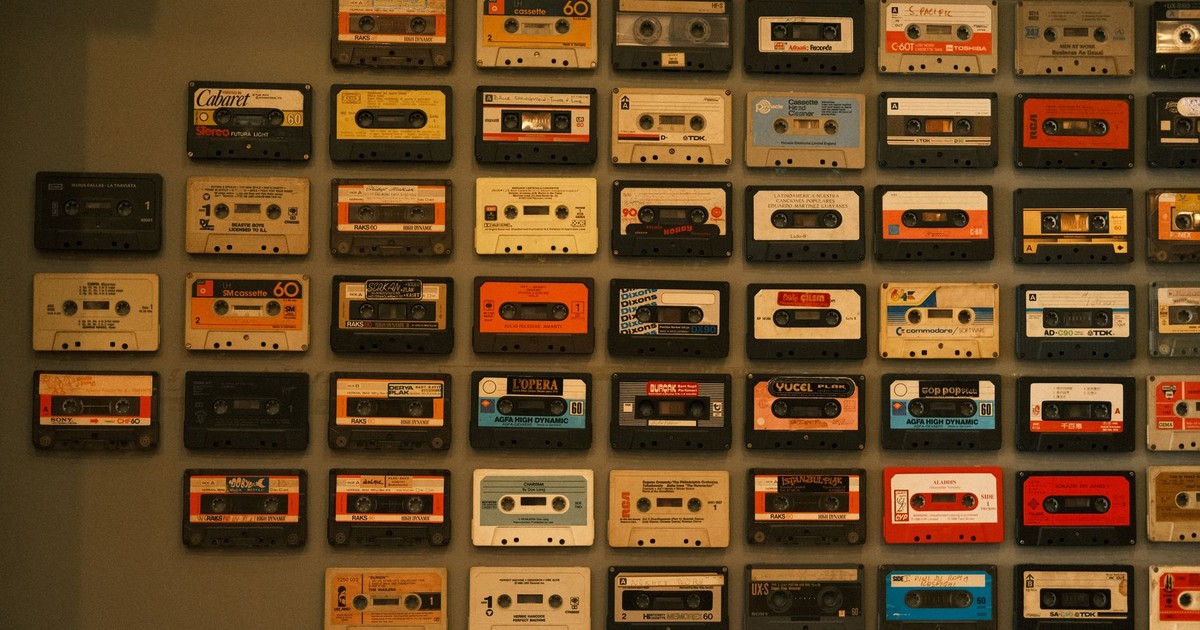
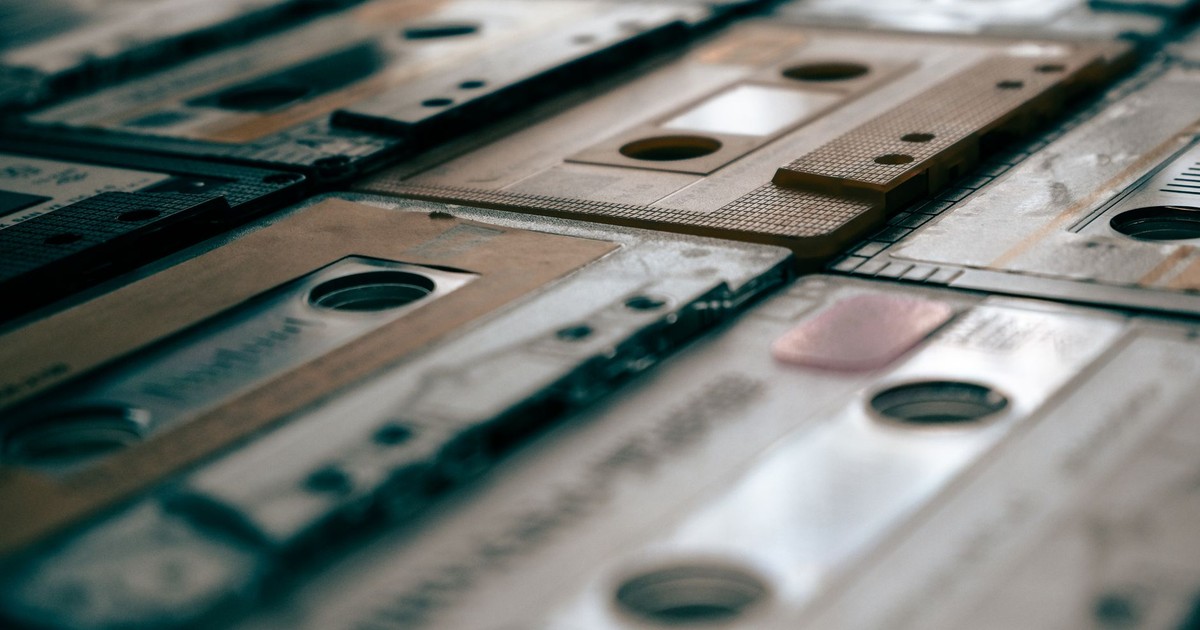
You needed patience, timing, and a willingness to accept a recording that started three seconds into the song. When you had a new favorite song but not enough in your pocket to buy the album or 45 rpm single, you would sit next to the radio with your portable cassette recorder and wait until that song finally started playing, then immediately press record. The DJ talking over the intro was a genuine grievance. Missing the first verse because you hesitated was a small tragedy. And yet people did this for years, building tape libraries of songs with slightly clipped beginnings and whatever ambient room noise happened to be present at the time.
The mix tape was the ultimate expression of this patience. By the early ’80s, cassette tapes and recording machines were widely available, so music fans could create their own programs or playlists. Portable music evolved further with the Sony Walkman, released in 1979. It didn’t just change how people listened to music. It changed where they listened, how they moved through cities, and what it felt like to be alone in a crowd. None of that would have existed without the willingness to sit in a bedroom pressing record every time the right song came through a speaker.
2. Buying a Pet Rock
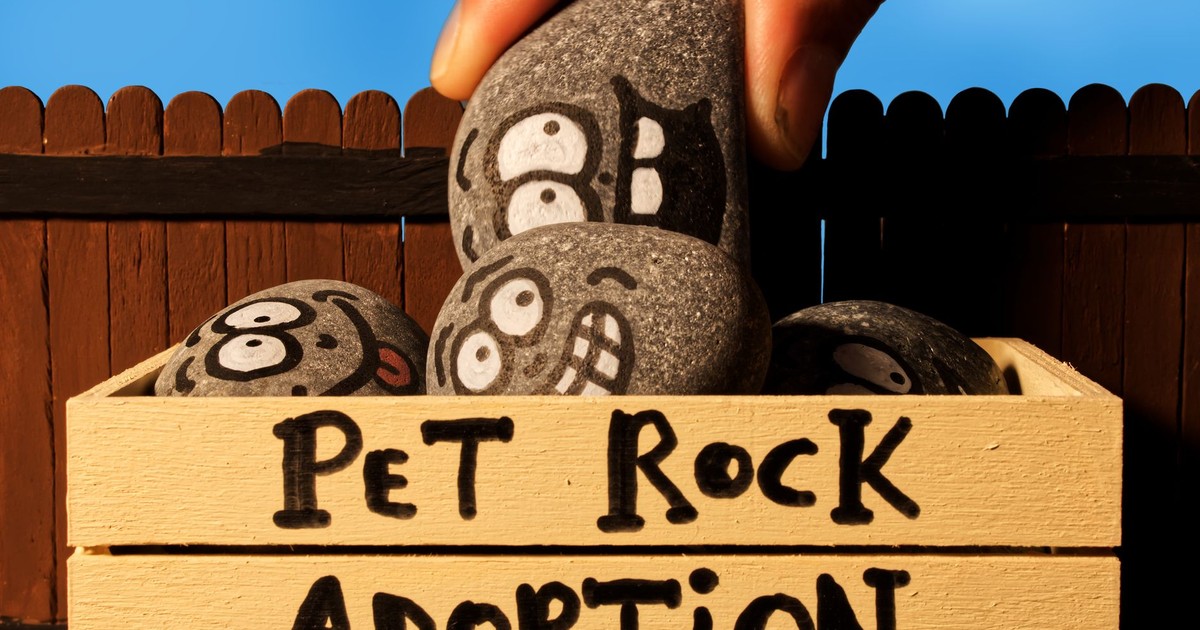
Introduced in 1975 as an alternative to any pet that must be fed and cared for, pet rocks came in a small cardboard carrying case with ventilation holes and straw bedding. The inventor was Gary Dahl, an advertising man from California who came up with the idea at a bar after listening to friends complain about their high-maintenance pets. He was right that there was a market. According to ABC News, Dahl sold approximately 1.5 million Pet Rocks for $3.95 each, becoming a millionaire within the span of a single six-month run.
The box included a care manual with instructions on how to teach your rock to “sit” and “stay.” The humor was built into the product, which is part of why it worked. Everyone got the joke, understood they were in on it, and bought one anyway. That combination of self-mockery and genuine consumer desire was very specific to the decade.
3. Playing with Lawn Darts
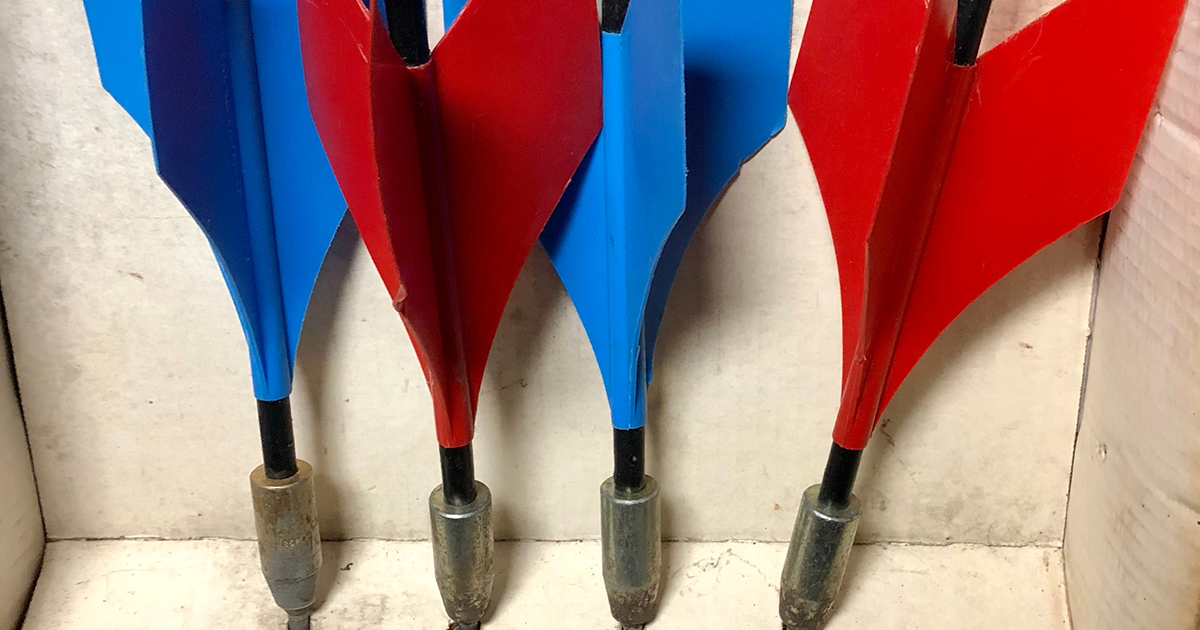
The full name was Jarts. They were weighted metal spikes roughly eight inches long, designed to be thrown underhand into the air and land inside a plastic ring on the ground. The rings were about 18 inches across. The spikes were heavy enough to embed themselves in the earth with a satisfying thud. Lawn darts were a fixture of backyard play throughout the ’70s and into the ’80s.
According to the U.S. Consumer Product Safety Commission, the CPSC banned the sale of all lawn darts effective December 19, 1988, after pointed lawn darts were responsible for the deaths of three children. From 1978 through 1986, approximately 6,100 Americans were treated in hospital emergency rooms for lawn dart injuries. The ban came after years of lobbying by parents, particularly David Snow, whose seven-year-old daughter Michele was killed by a lawn dart in 1987. The ban was not that the darts were dangerous. It’s that it took nearly two decades of injuries and deaths to get there.
4. Sleeping on a Waterbed
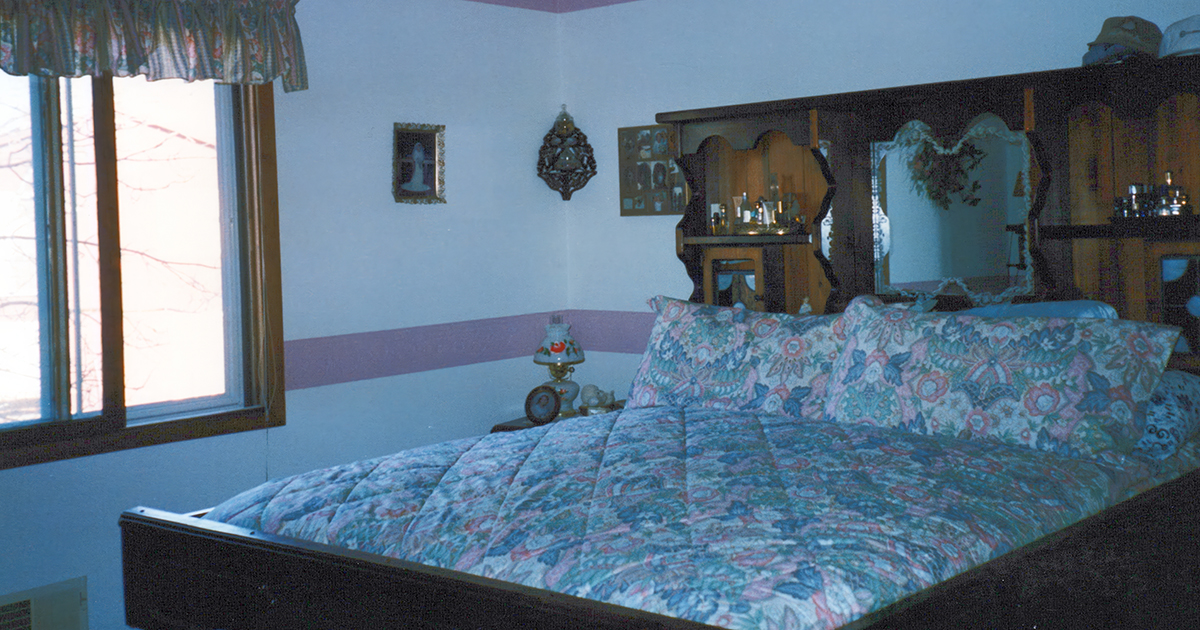
The waterbed was born from a late-1960s invention, but the ’70s gave it its image: sensual, futuristic, slightly rebellious, and impossible to ignore. Charles Hall presented a water-filled vinyl mattress as a design project in 1968, and when classmates reached his exhibit, everybody ended up piling on and trying it out. That reaction explains the product’s decade-long hold on the American bedroom.
Marketed as modern and unconventional, waterbeds fit the decade’s appetite for novelty. They were also heavy enough to collapse floors in older houses, required a separate electric heater to stop the water from becoming cold at night, and were notoriously difficult to move out of an apartment. And yet, for a solid decade, they were a genuine status symbol. Owning one said something about you. Exactly what is still debated.
5. Wearing a Mood Ring
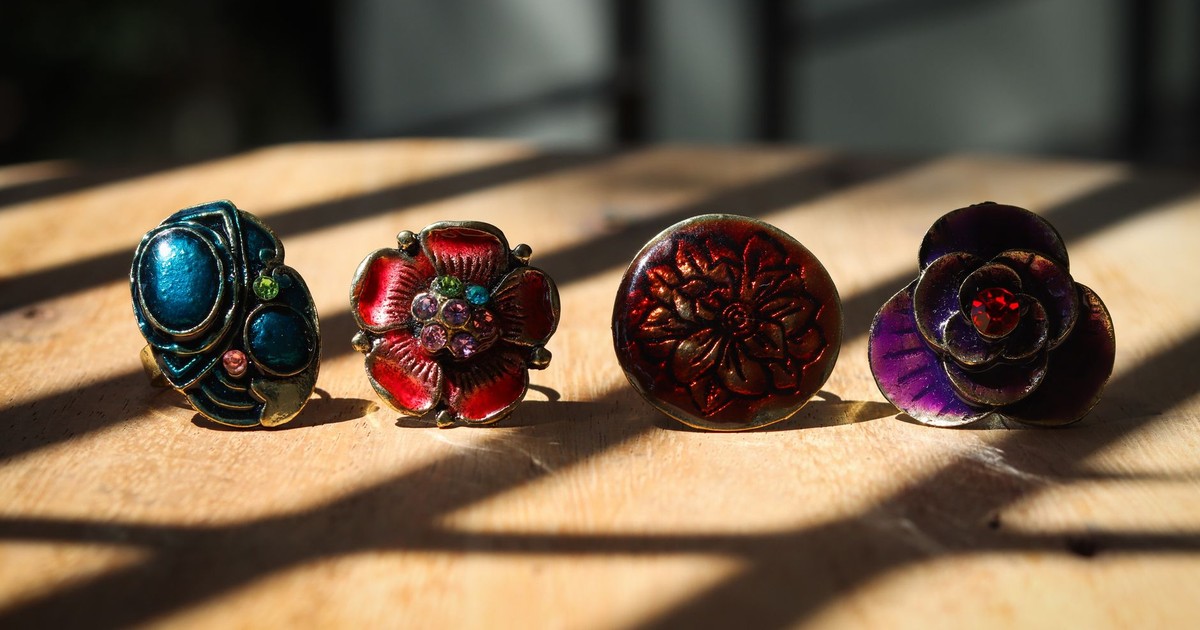
Mood rings were one of the defining novelties of the ’70s. According to a 2025 History.com report, mood rings used thermotropic liquid crystals that changed color based on body heat, not actual emotions. The stone went green when you were calm, black when you were stressed, blue when you were supposedly relaxed. In practice, it was measuring whether your hands were warm or cold, which could mean anything from genuine calm to standing outside in January waiting for a bus.
Before social media invited everyone to broadcast their emotional state, there were mood rings. The color of the stone was supposed to reveal how you were feeling, and the fact that it was really just reacting to temperature barely mattered. Checking the color, and negotiating what it meant with whoever was watching, was a form of social theater. This was 1975’s version of a personality quiz, and it sold in the tens of millions.
6. Driving Kids Without Seatbelts
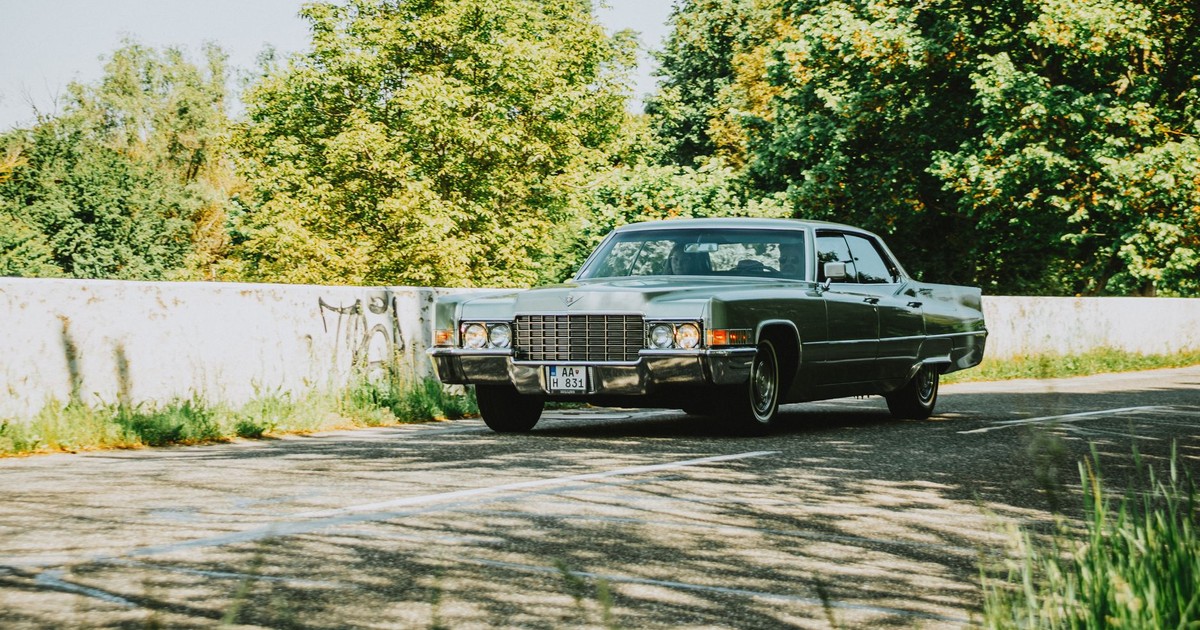
During the ’70s, seatbelt use was optional, and many cars lacked proper safety features. Families would travel with children unrestrained in backseats without a second thought. The standard position for a long car trip was three kids across the back seat, one sprawled across the rear window shelf, and possibly a dog in the footwell. The first U.S. state to mandate seatbelt use was New York, and that law didn’t pass until 1984.
The casual approach to car safety extended beyond seatbelts. Station wagons had rear-facing back seats positioned entirely behind the car’s crumple zone. Kids rolled around in the back of pickup trucks on summer afternoons. The concept of a child safety seat existed, but enforcement was minimal. A child riding in the backseat today is wrapped in a system of regulation that would have looked extraordinary to a parent in 1976 putting three kids in the back of a station wagon for a four-hour drive.
7. Using a Rotary Phone to Call Friends
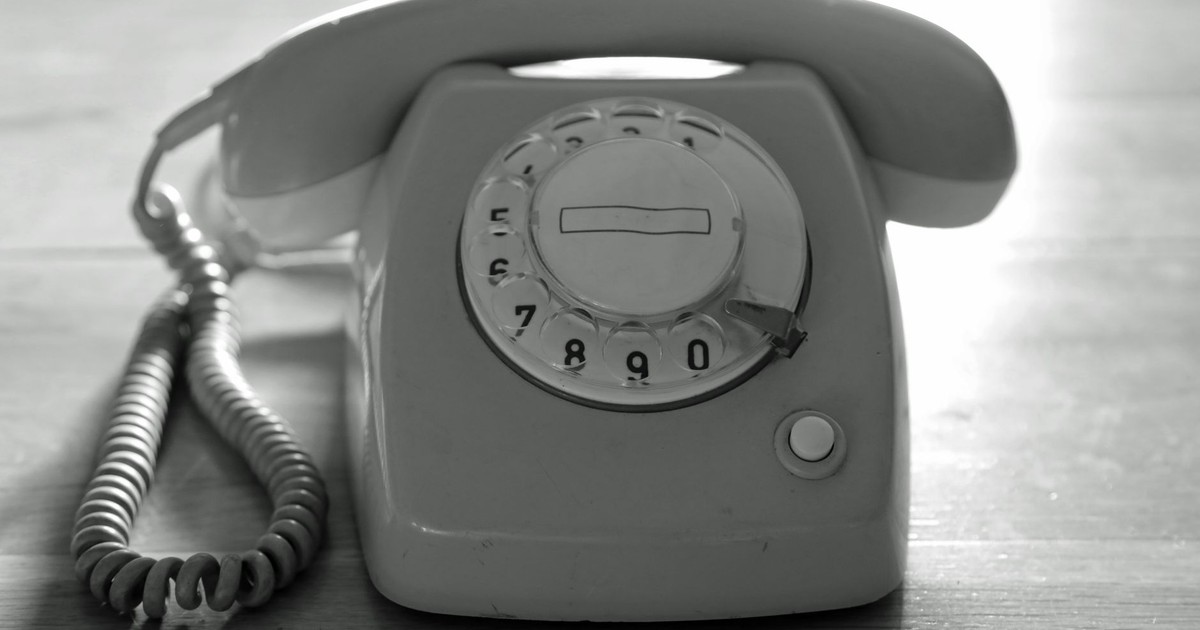
There was a system. You picked up the receiver, waited for the dial tone, then rotated the dial clockwise for each digit, releasing it and waiting for it to return before starting the next one. Dialing a number with a lot of nines took noticeably longer than dialing one full of ones and twos. Phone numbers were partly chosen for dialability. If you misdialed, you hung up and started over.
Long distance calls cost real money, billed by the minute, which meant calling a friend in another state was a logistical decision. You kept it short. You wrote letters instead. You planned visits months in advance. Arranging a time and place to meet without mobile phones meant everyone would turn up at the agreed time without fail. The commitment required to see someone made the seeing feel different.
8. Watching TV Sign-Off Patterns
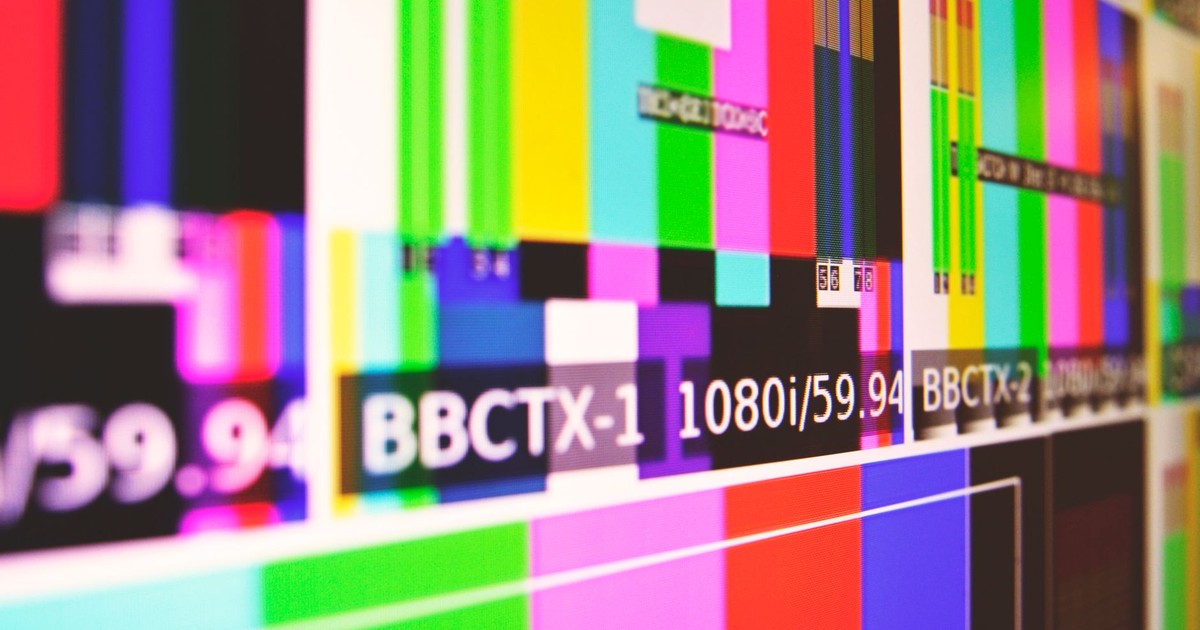
Television wasn’t available 24 hours a day during the ’70s. At some point each night, the station would sign off. Before the sign-off, most stations played the national anthem. Then came a tone, a static pattern of colored bars or concentric circles, and nothing else until the next morning. If you fell asleep in front of the TV, you woke up to static or the test pattern, which felt like a slightly eerie official announcement that the day was over.
The scarcity had a side effect nobody misses: if you slept through a show, you never saw it. There was no replay, no streaming, no on-demand. The schedule was the schedule. You built your week around it. Shows that ran only once a year, like the Charlie Brown holiday specials, became actual events because missing them meant waiting twelve months.
9. Adjusting the Rabbit Ears

Before cable became widespread, families relied on an antenna to receive TV signals. Getting a clear picture often required adjusting the antenna by hand, or holding a specific pose just to keep the image in view. The antenna was two extendable metal rods that sat on top of the television set. You angled them, spread them apart, wrapped tinfoil around the tips, and sometimes discovered that the best picture quality happened only when someone stood in a specific spot and didn’t move.
This created a household job that rotated among family members. Someone had to stand by the TV, hold the antenna at a precise angle, and stay there while everyone else watched. The picture degraded the moment that person let go. The deal was usually negotiated in real time: “Stay there until the commercial.” Nobody who grew up with this system takes reliable streaming for granted.
10. Renting VHS Tapes (and Rewinding Them)
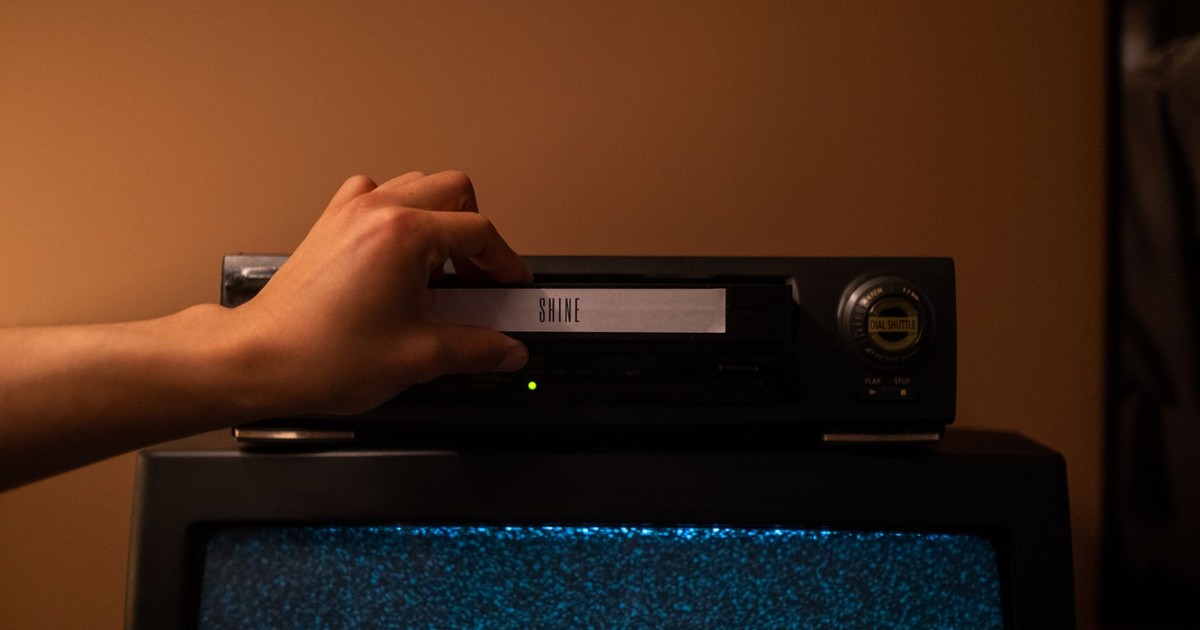
Renting a video was one of the best things to do in the 1980s. You would walk around the video store, looking over VHS tapes you knew nothing about, just because you liked the photo on the cover. There were always big releases like Star Wars, Top Gun, and E.T., but most rentals were pure potluck without internet reviews.
The social contract of video rental was the rewind. You were obligated to return the tape in the condition you received it, which meant fully rewound. Three things were nearly guaranteed: somebody would have to work the video tracker to reduce flickering, you’d have to endure the sound of the tape being stretched in the machine, and you’d have to rewind it or risk being fined. The fine was real. Blockbuster charged for unreturned and unrwound tapes with the consistency of a utility company. People grumbled about it for twenty years and then spent the following twenty years feeling sentimental about the whole experience.
11. Smoking Absolutely Everywhere
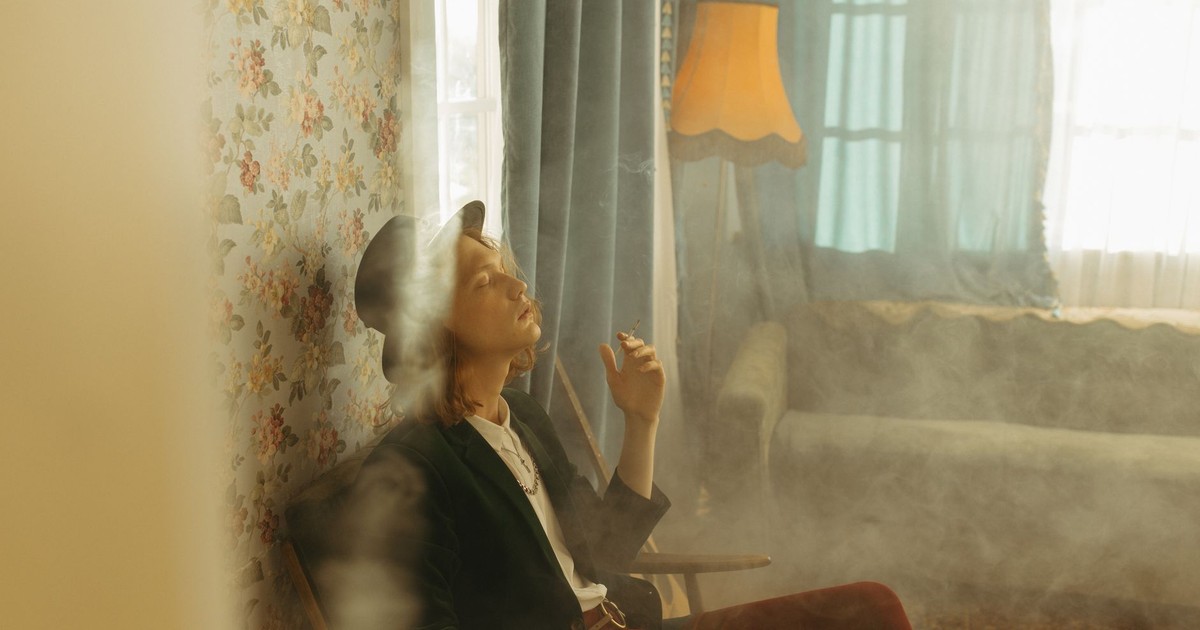
In the ’80s, smoking indoors was a normal, everyday occurrence. Walking into a shop or venue meant walking into a wall of smoke. After a meal, you could light up right there in the restaurant. But restaurants were only the beginning. People smoked in hospitals. They smoked in offices at their desks. They smoked on airplanes. The 1973 ban on smoking on short domestic flights covered routes of two hours or less; everything longer was still fair game for years after that.
Smoking was allowed on high school campuses in designated areas. Some schools had smoking sections just outside two exits for students. A parent sending a child to the store with a note to buy cigarettes was not unusual. The smell was so constant it registered as background noise rather than an event. People who didn’t smoke simply lived in it. The notion that the air inside a public building might actually be clean was genuinely new when it arrived.
12. Going to Roller Disco

Before roller rinks became a retro novelty, they were one of the places to be. Kids, teens, and adults alike laced up their skates and spent weekends circling under disco balls and colored lights. Roller disco reached its peak popularity in the mid-1970s, driven by the rise of disco music and films like Saturday Night Fever (1977), extending into the early 1980s before fading. Many people dressed in psychedelic outfits to impress at the rink, and some nightclubs actually replaced their dance floors with skating surfaces.
The intersection of disco music and skating on wheels turned out to be surprisingly durable. By 1979, the Roller Skating Rink Operators’ Association of America had grown from 500 members in 1970 to over 1,000, with new facilities opening nationwide to meet demand. Skating was the common ground between kids too young for actual clubs and adults who wanted the energy of a disco floor without the late-night commitment. It was exercise and spectacle and social theater all at once, with the added chaos of wheels.
13. Using 8-Track Tapes
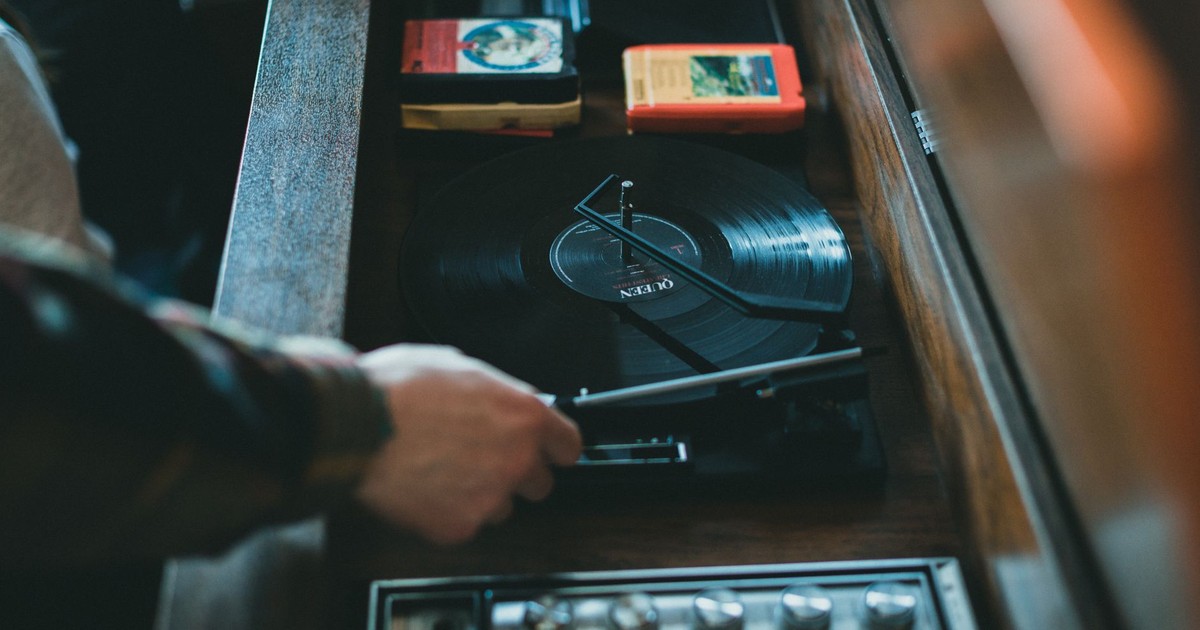
For music lovers, 8-track tapes were part of the decade’s soundtrack. They made it easy to bring favorite albums into the car or play them at home. They were bulky compared to cassettes and wildly inconvenient by modern standards, but that was part of the charm. For many people, the sound of an 8-track switching programs is as much a ’70s memory as the songs themselves.
The switching was the defining problem. An 8-track played in four sequential programs, each containing roughly a quarter of the content. When the tape reached the end of a program, it clicked audibly and switched, sometimes in the middle of a song. Albums were sequenced and sometimes re-edited specifically to avoid cutting a track at the program break. Car owners installed 8-track players in new cars or retrofitted older ones. The format was obsolete by 1982, but it still sounds exactly like the ’70s.
14. Wearing Iron-On T-Shirts
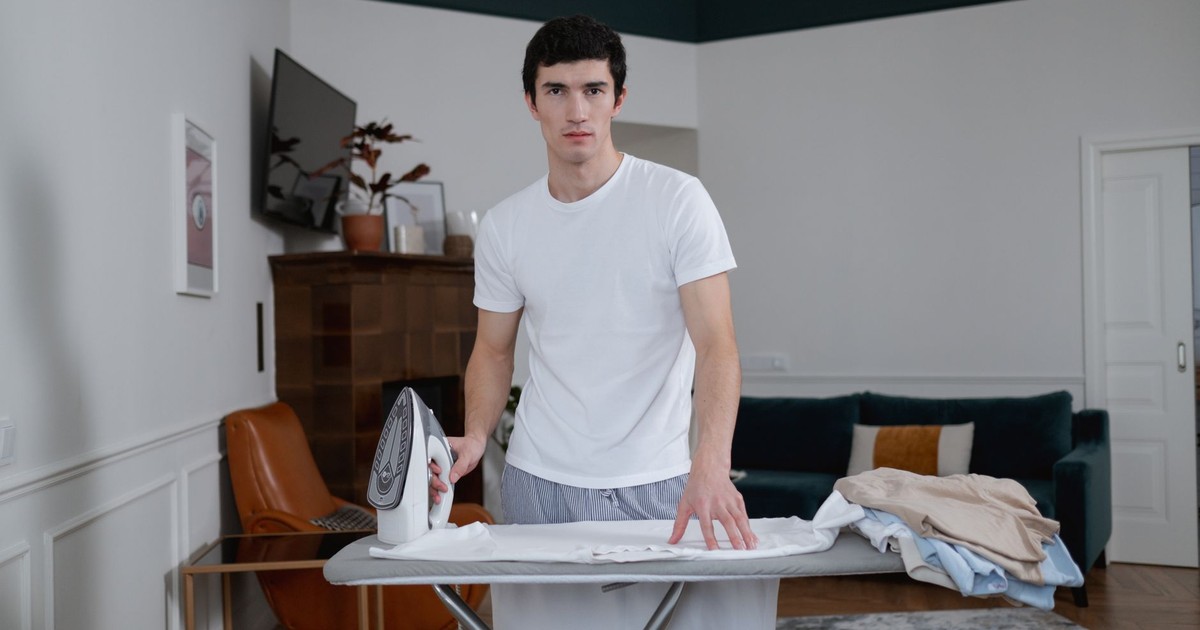
Iron-on T-shirts were the mass-market way of saying you were an individual. You could buy the transfers and iron them on at home, but they’d start to peel and crack after about a month. Or you could go to the mall store, where a giant press heated them for you. The images ranged from iron-on portraits of Farrah Fawcett and the Rolling Stones to sayings like “Keep On Truckin'” and “Foxy Lady.” The market for personalized novelty shirts was genuine, and the technology to deliver them cheaply and immediately was new. The problem was durability. A month of washing and the face of whoever you’d chosen to display across your chest would crack into a mosaic of flaking vinyl.
This was also the era of the airbrushed T-shirt, available at kiosks in beachside boardwalks and shopping malls across America. You handed someone your name, they picked a stock image from a laminated binder, and within minutes you had a shirt that felt like a custom product. The airbrushed shirt survived into the ’90s, but its spiritual home was the summer of 1977.
15. Driving to a Full-Service Gas Station

In the ’70s, full-service gas stations were the norm. Drivers would pull up and be greeted by an attendant who pumped gas, checked the oil, and cleaned windshields. You didn’t get out of the car. You told the attendant how much you wanted, and you sat there while they dealt with it. Some drivers never once pumped their own gas until the mid-1980s, when self-serve stations became the default model.
The transition to self-serve coincided with the 1973 oil crisis and the price increases that followed. Station owners needed to cut labor costs, and customers, it turned out, were willing to pump their own gas if it cost less. The full-service station didn’t disappear entirely. New Jersey still legally requires full service at every gas station. But the era of someone automatically cleaning your windshield when you stopped for fuel is gone everywhere else.
16. Keeping a Rolodex
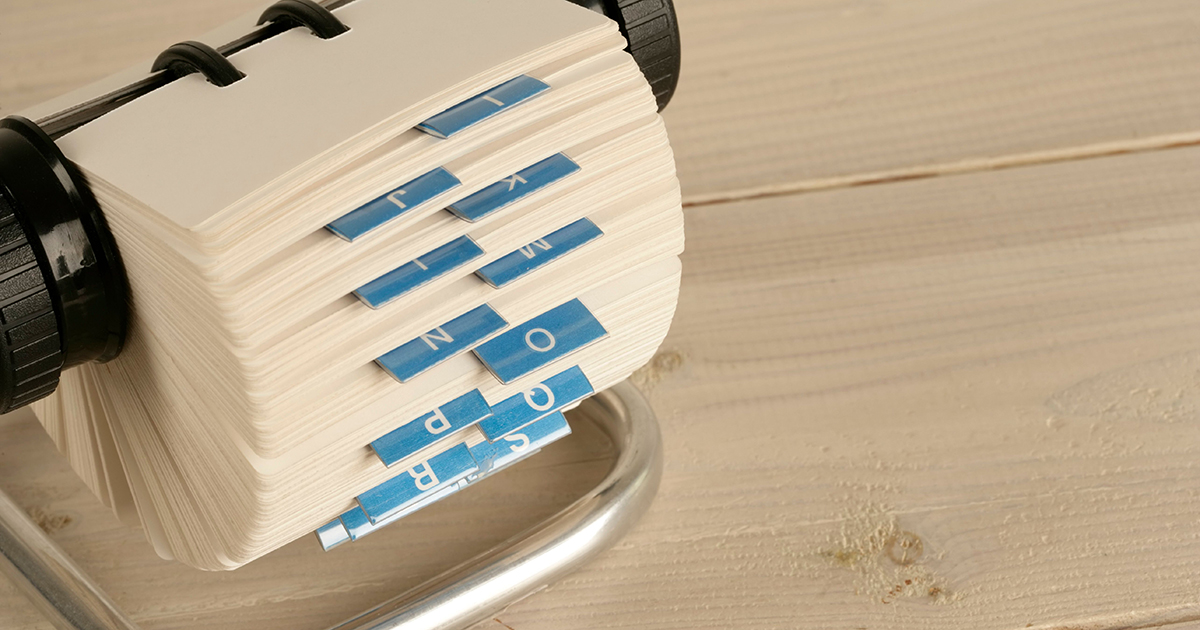
A Rolodex often sat on office desks, filled with handwritten contact cards. Finding a number meant flipping through entries one by one until the right name appeared, with no search function to fall back on. The Rolodex was considered essential office equipment through the ’70s and well into the ’80s. A thick one, densely packed with cards for journalists, lawyers, suppliers, and contacts, signaled that you were someone who had been around.
The personal phone book served the same function at home. People kept them updated with pens, crossing out old numbers and writing new ones in the margins. Phone numbers were memorized as a matter of basic competence. Knowing your best friend’s home number by heart was normal. Not knowing it was a minor social failure. Today, most people can recall exactly two phone numbers from memory: their own and their childhood home.
17. Reading the TV Guide

Programming was determined by the channel and the clock, not by what you felt like watching. Console televisions were more than just devices. They were pieces of furniture, often encased in wood with built-in speakers, dominating living rooms as entertainment hubs. The TV Guide was the tool you used to decide whether to turn that piece of furniture on at all. It arrived in the mail weekly, the size of a small paperback, and families consulted it the way later generations would scroll through Netflix.
You circled shows you wanted to watch. You checked the timing against other shows on different channels, negotiating with family members in advance. Missing something because you got the time wrong wasn’t a digital error you could recover from. It was just gone. The TV Guide had a circulation of over 20 million copies per week at its 1970s peak, making it one of the best-selling publications in the country at a time when shared cultural attention was still possible.
18. Using a Typewriter for Everything Important
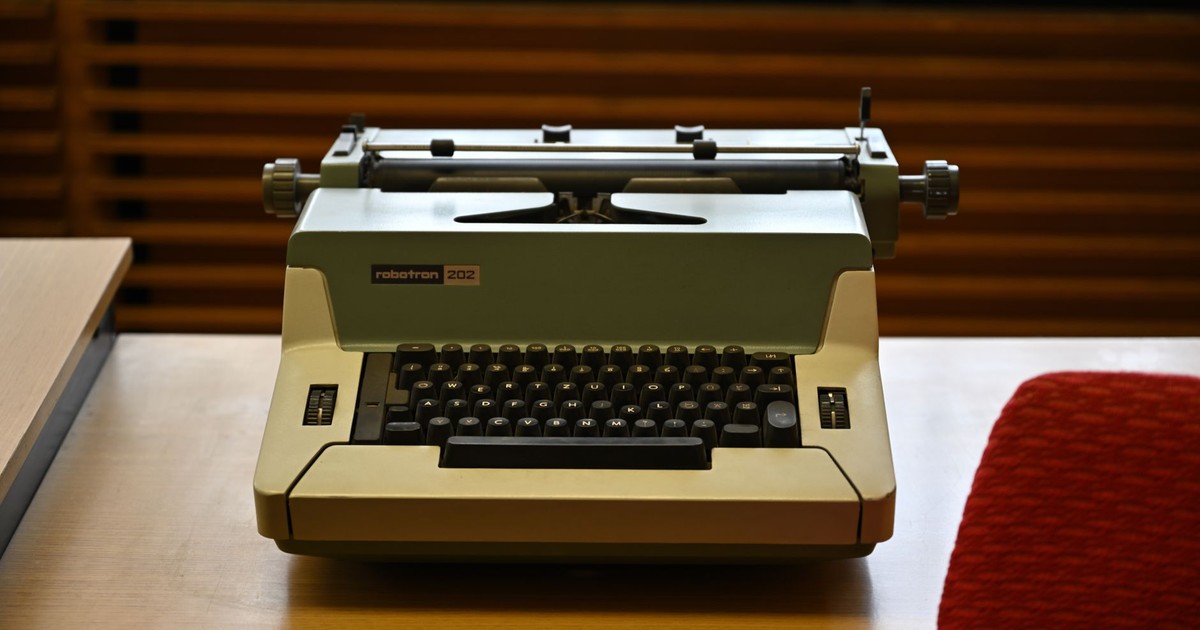
Before word processors became affordable and personal computers became standard in offices, the typewriter was the professional tool for any document that mattered. Offices ran on them. Students used them for term papers. Professional correspondence required them. You typed across the page, hit the carriage return with your hand, and listened to the bell ding at the end of each line.
Mistakes had two remedies: correction fluid (Wite-Out, painted on and dried before you could type over it) or correction tape, a thin strip of white material used to physically paint over an error. Rereading before printing was not optional. It was baked into the process because reprinting an entire page over a single typo was genuinely painful. The discipline the typewriter imposed, ironically, produced better first drafts than most people manage today with backspace and autocorrect.
19. Sending Postcards While Traveling
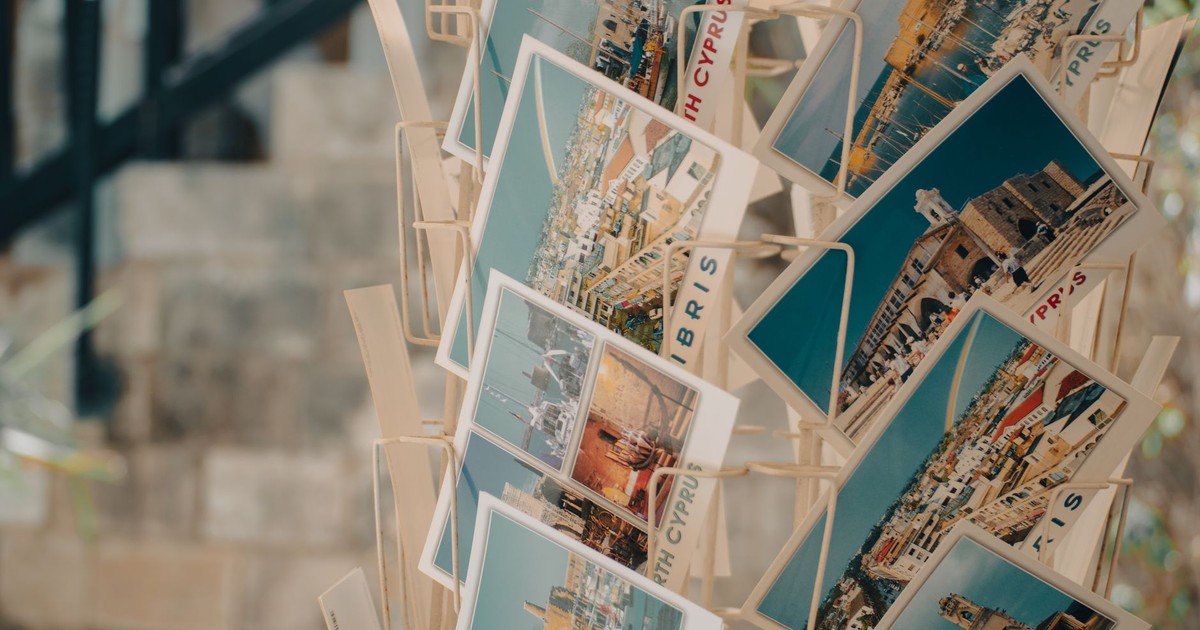
In the ’70s, travelers mailed postcards from the places they visited. The card showed a photo of a landmark or scenic view, and on the back, people wrote a short message and mailed it to friends and family. The constraint of a postcard is a good writer’s challenge: you have approximately six lines, a limited surface area, and an audience reading in your absence. People got good at compression. A postcard from Paris in 1976 told you the weather, the food, one funny observation, and ended with love.
The postcard arrived after the sender had returned home, which meant the conversation was always slightly out of sync, a delayed broadcast from a trip already over. The recipient still kept them. People built postcard collections in shoeboxes and kitchen drawers. Finding a bundle of them years later, from a place someone you loved once visited without you, is a different kind of document than a photograph.
20. Getting Your Hair Feathered

Farrah Fawcett’s 1976 poster is the single most reproduced poster in American history, and the hairstyle it featured sold a generation on the power of a blow dryer and a round brush. Feathered hair – wings swept back from a center part, layered and styled outward in two symmetrical arcs – became the defining look of the late ’70s for women, and shortly after, for men too.
The process required significant effort. The hair was dried in sections, rolled around the brush, and coaxed into wings using product and heat. Maintaining the look through a humid summer day was its own project. The Farrah Fawcett poster, shot by photographer Bruce McBroom, sold an estimated 12 million copies between 1976 and 1978, making it a legitimate cultural artifact. Almost every teenager in America tried the style. Not every teenager had the hair texture to pull it off.
21. Playing Atari for Hours
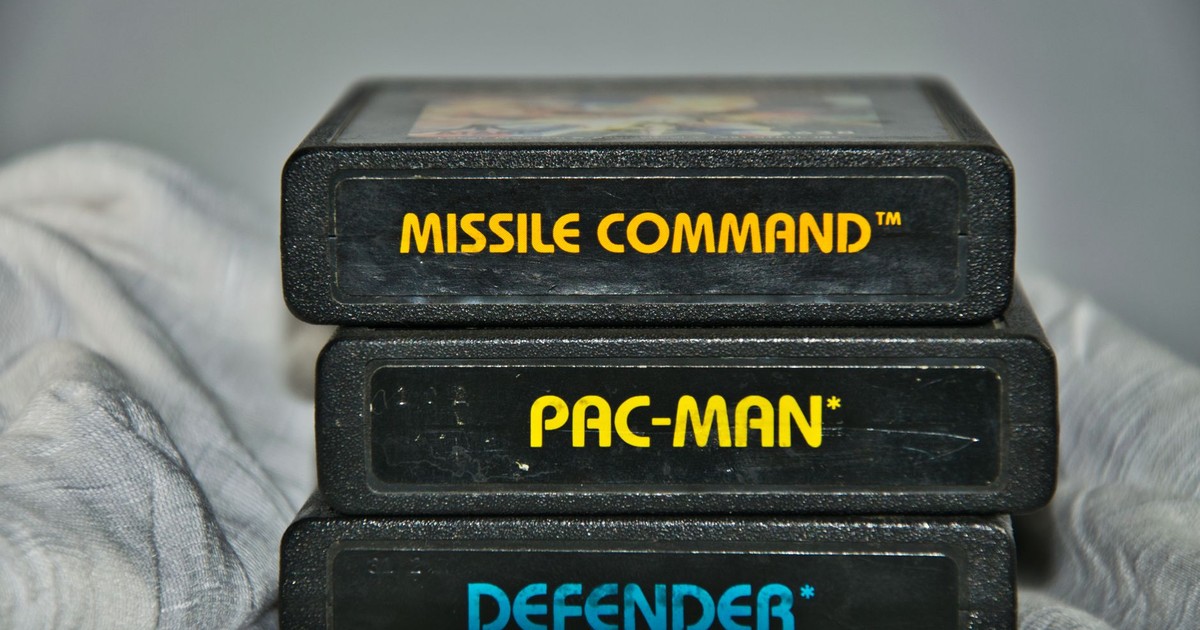
Home video gaming began in earnest with the Atari 2600, released in 1977. Early game systems plugged into televisions with two paddles and a single bouncing square that never changed. Pong was the game that launched the home console market: two lines, a dot moving between them, a score in the corner. It had no narrative, no levels, no ending. And yet people played it for hours because it was interactive television, and the novelty of that hadn’t worn off.
By the early ’80s, the library had grown to include Space Invaders, Pitfall, and Pac-Man, but the graphics remained so simple by modern standards that describing them to someone who grew up with a PlayStation requires a certain charity. The characters were a handful of pixels wide. Backgrounds were a single color. The box art on Atari cartridges promised a visual experience the hardware couldn’t deliver, which is why kids spent a lot of time imagining the rest of the game into existence. That gap between what was shown and what was rendered became a kind of creative space.
22. Using a CB Radio
Citizen’s Band radio had been around since the 1940s, but it exploded in American popular culture between 1975 and 1977, driven partly by trucker culture and partly by the 1977 film Smokey and the Bandit. At its peak, the FCC was receiving over half a million new CB license applications per month. People installed them in cars and trucks, developed their own handles (screen names, essentially, except spoken aloud), and communicated across the 40 available channels in a shared language of 10-codes and slang.
The CB craze was one of the first mass-participation communication technologies in American life. The idea that a stranger driving in the opposite direction might be on the same channel, listening, and able to respond was genuinely exciting in 1976. It felt like a network, because it was one. The internet would eventually do the same thing, faster and to more people, and the CB radios ended up in closets.
23. Making Macramé Everything

Macramé wall hangings, plant holders, and curtains brought a bohemian flair to ’70s interiors. But in the original ’70s version, macramé was inescapable. The owl hanging. The plant hanger. The hanging chair made entirely of knotted rope. The key rack by the front door. The magazine holder. Everything that could be knotted into a vaguely plant-adjacent shape was.
Macramé kits were sold at craft stores and through mail-order catalogs. It was framed as something anyone could do, which was mostly true. The basic square knot and spiral knot are genuinely learnable in an afternoon. The appeal was the bohemian implication: that you lived surrounded by handmade things, that you valued craft over convenience. The fact that the plants often didn’t survive the macramé hangers was an unrelated problem.
24. Covering Everything in Avocado Green
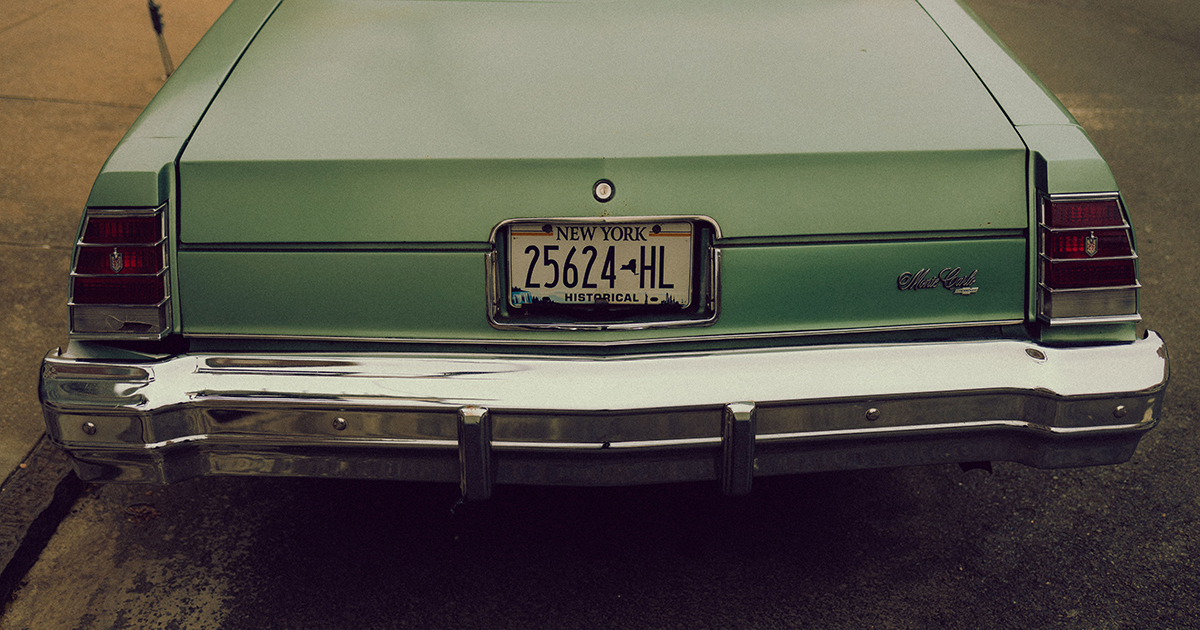
Avocado green became the defining color of ’70s kitchens, adorning everything from refrigerators to stovetops. It wasn’t just kitchens. Avocado green appeared on bathroom tiles, carpet, curtains, upholstered furniture, shag rugs, and exterior paint. It was a whole lifestyle decision that said: I am connected to the earth. I am contemporary. I have read a decorating magazine.
The color ran alongside harvest gold and burnt orange as the three colors that basically define the decade in retrospect. Walking into a ’70s home today that still has its original fixtures is like stepping into a primary source document. The refrigerator with the avocado handle. The countertops in harvest gold. The shag carpet in deep rust. It’s specific and complete in a way that tells you exactly when the room was assembled and who was in charge.
25. Visiting the Lava Lamp

Lava lamps, with their hypnotic, slow-moving wax blobs, remained a household favorite throughout the ’70s. They provided ambient lighting and were considered the height of cool, especially in teen bedrooms or home bars.
The lava lamp was invented in 1963 by a British accountant named Edward Craven Walker, who was reportedly inspired by a homemade egg timer in a pub. By the ’70s, it had become shorthand for a certain type of person: relaxed, possibly high, uninterested in overhead lighting. The lamp required about two hours to warm up before the wax began to move properly. Once it did, the blobs of translucent colored wax rose and fell with a slow, vaguely biological rhythm. Watching one was genuinely absorbing in a way that modern people might recognize as a pre-internet form of content consumption.
26. Wearing Tube Tops and Tube Socks Simultaneously

Girls lived out their discotheque fantasies with the tube top, an elasticized sleeveless top worn without a bra. Farrah Fawcett, Cher, and Suzanne Somers made them fashionable. The engineering principle behind the tube top is that a tight band of fabric maintains position through tension alone. This works reasonably well in theory and somewhat less reliably in practice, especially during the kinds of physical activity a roller rink or a disco floor requires.
With no heel or reinforced toe, tube socks were the uniform of choice for every wannabe athlete. They often had red and blue stripes at the top and covered every inch of the foot and calf. The combination of tube tops, tube socks, and high-waisted shorts was essentially a complete outfit in 1978, requiring minimal coordinating effort. The word “tube” appearing twice in a single look says something about the decade’s commitment to simplified construction.
27. Listening to the Answering Machine Like It Was News
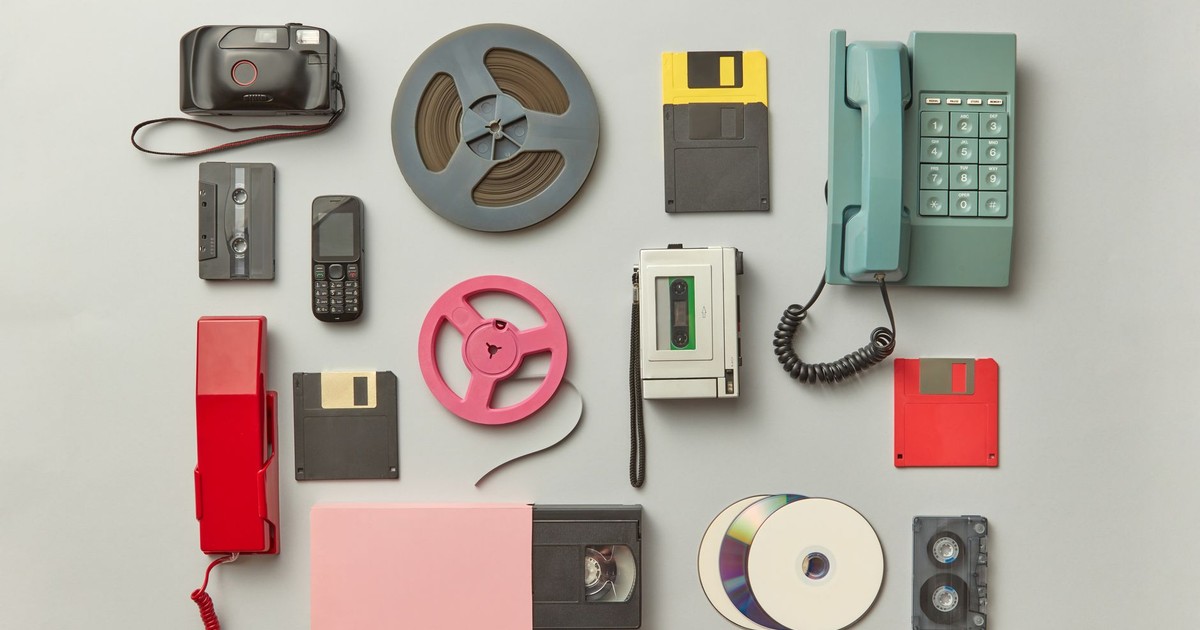
Before getting smaller and eventually being replaced by smartphones, answering machines required two small cassette tapes, claimed prominent spots on counters and tables, and offered a forum for creative outgoing messages. Coming home and pressing play was a ritual with genuine suspense. The number of messages waiting told you something about how the day had gone in your absence. One message might be nothing. Five messages required a glass of water before you started.
The outgoing message was a form of self-expression, and some people took it seriously. Recorded over music, delivered in character voices, or composed as a miniature comedy bit, a good outgoing message circulated as social reputation. You called someone just to hear it. The machine itself sat on the kitchen counter like a small appliance that might tell you anything. The red light blinking meant something had happened. The absence of a blinking light, when you expected one, had its own particular feeling.
28. Buying Shag Carpet in Earth Tones

A defining home décor trend of the ’70s, shag carpeting covered entire rooms in thick, colorful pile, usually in earth tones, and had a real talent for absorbing anything you dropped into it. The pile could reach two inches in length. Raking it was a genuine chore, performed with a special long-toothed carpet rake sold specifically for the purpose. Vacuuming it required a canister vacuum rather than an upright, because upright vacuums got stuck in the pile. Spilling anything into shag carpet was a commitment.
Wall-to-wall shag carpeting in vibrant shades like orange, avocado green, and mustard yellow defined ’70s home interiors. It was prized for its plush texture and also installed in bathrooms, which in retrospect seems like a decision that should have required a permit. Wet shag carpet in a closed bathroom is an experience that explains a lot about the air quality situation of the 1970s.
Read More: Bring Back the Flavor: 15 Vintage Recipes Worth Reviving
The Whole Decade Was the Weird Part
Looking at these 28 things together, the pattern that emerges isn’t really about specific products or fads. It’s about a different relationship to risk, inconvenience, and the physical world. People tolerated things that didn’t work well. They waited for things that couldn’t be sped up. They lived with things that smelled bad, looked outrageous, and occasionally required a trip to the emergency room.
That isn’t entirely nostalgia speaking. The 1970s and ’80s were genuinely more chaotic in ways that are easy to forget when the era gets reduced to its greatest hits. But there’s something in the physical specificity of that life – the rattle of an 8-track switching programs, the patience required to record a song off the radio, the blinking red light on an answering machine – that doesn’t translate into any modern equivalent. Not because those things were better, but because they were specific in a way that leaves a particular kind of mark. The things we had to work for always feel like they mattered more. Sometimes they actually did.