

The idea of an afterlife has fascinated humanity for as long as people have been aware of mortality. From ancient Egyptian tombs filled with treasures for the next world to modern spiritual movements that speak of light, energy, and reincarnation, the question of what happens after death has never stopped stirring the human imagination.
Every culture throughout history has developed its own explanation for what lies beyond the veil, yet no one can say with certainty what truly awaits. This mystery has led to thousands of myths, beliefs, and philosophical theories, many of which have shaped moral codes, religious systems, and even the way humans understand purpose itself.
Misconceptions Surround the Afterlife
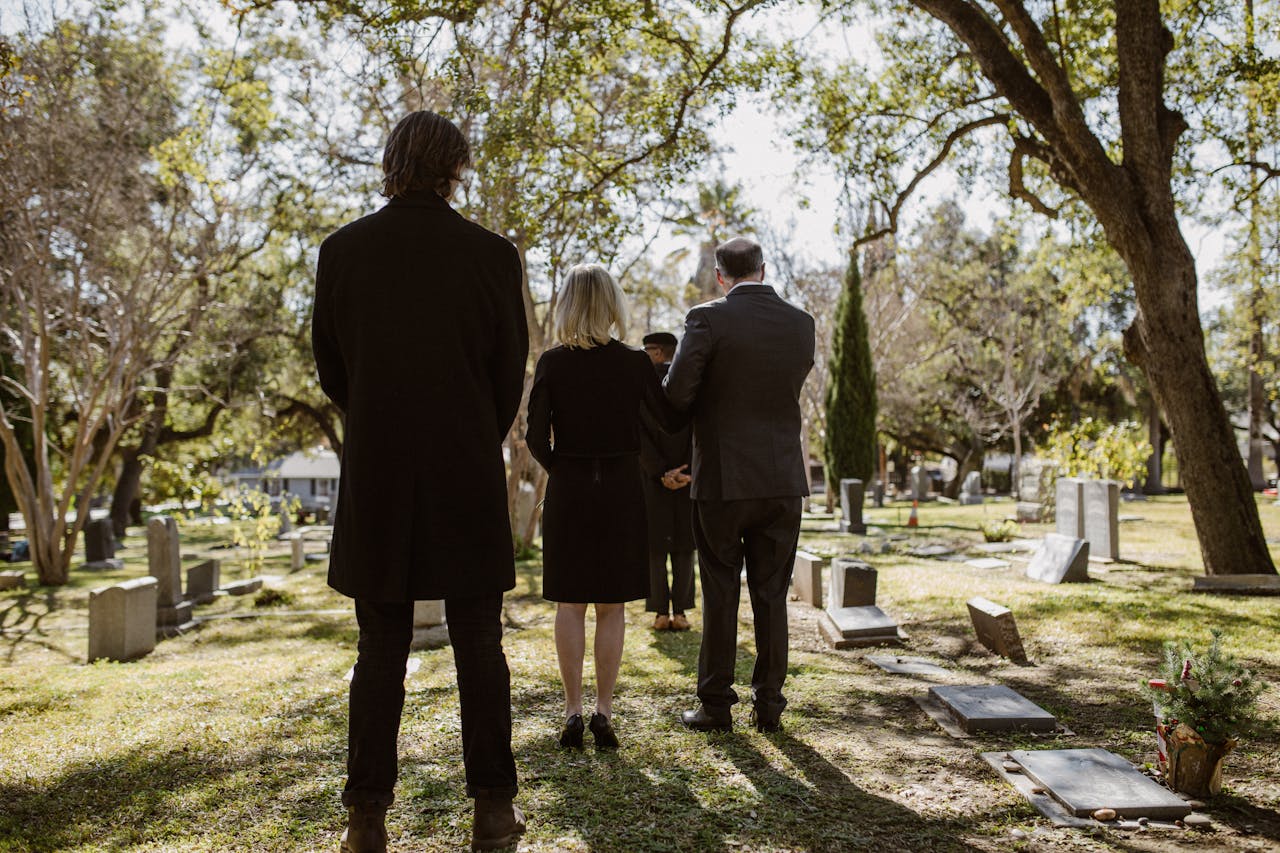
Despite how much the topic has been explored, countless misconceptions still surround the afterlife. Movies, religious imagery, and folklore often paint it as a single destination with strict rules heaven above, hell below, and nothing in between. Others believe that death is simply the end, a silent void where everything ceases.
But both extremes may miss the deeper truth
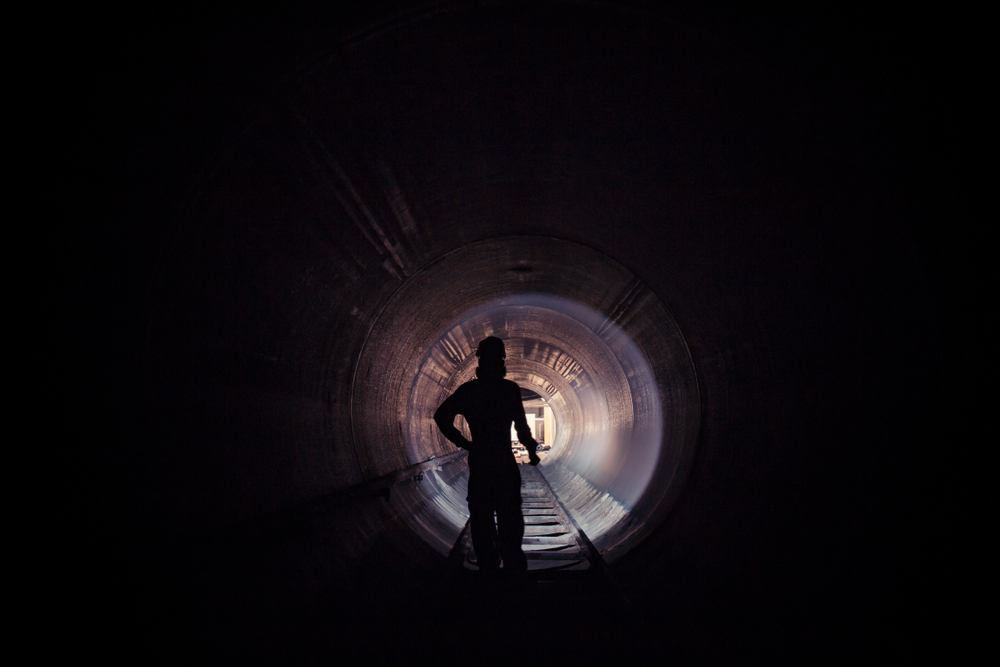
It could be less about a place and more about a state of consciousness a continuation of awareness that reflects the life one lived. Human beings often approach the subject with fear because it challenges everything familiar. The body ends, but what happens to the self, to memory, to emotion, to love? Are they erased, or do they transform into something beyond comprehension?
Thoughts of a Reunion

Some find comfort in the idea of reunion with loved ones, while others imagine endless cycles of rebirth meant for learning and spiritual evolution. In either case, death is rarely portrayed as random. It seems to serve as both a release and a transition a passage from one chapter of existence into another form of awareness.
What most people misunderstand about the afterlife is not whether it exists, but how it functions. It is often treated as a destination, yet it may actually be a process one of understanding, reflection, and transformation. The concept of judgment, reward, or punishment can oversimplify what might be a deeply personal and dynamic experience for every soul. Many spiritual views describe it as a realm where energy reorganizes according to the frequency of thought and emotion, meaning that life after death could mirror the consciousness cultivated during life.
The purpose of exploring these ideas is not to claim absolute truth, but to challenge the assumptions that limit understanding
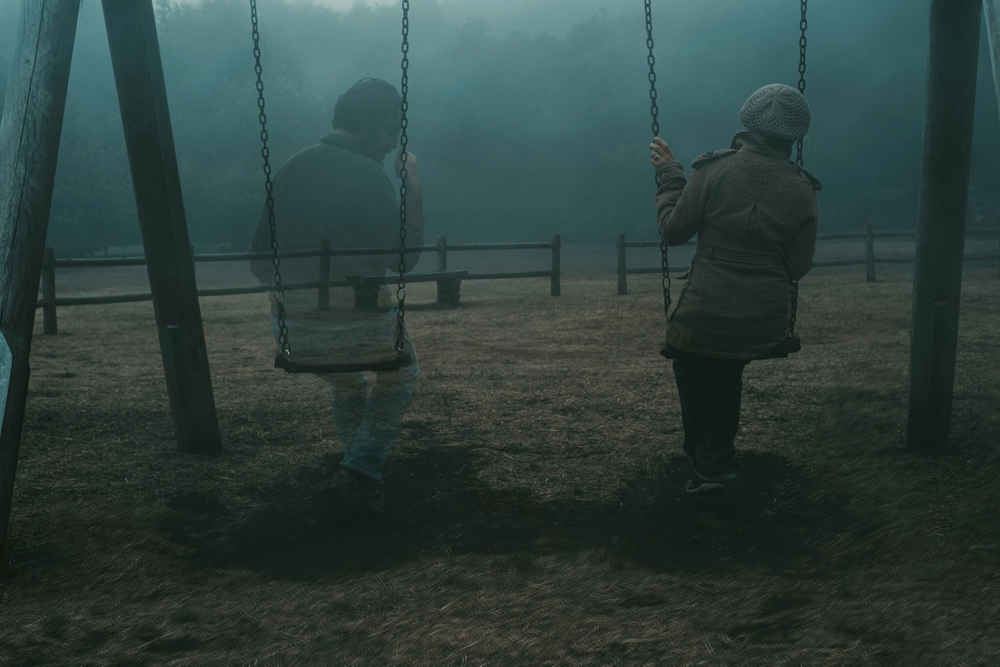
It unites science, spirituality, and philosophy in their shared search for meaning. Whether one views it as a continuation of awareness, a metaphysical realm, or an energetic state, the afterlife holds lessons about how to live fully, love deeply, and approach existence with humility. In the sections that follow, we explore fifteen of the most common misconceptions about the afterlife ideas that have persisted through centuries of myth, religion, and misunderstanding.
Each one reveals something important about how humans perceive consciousness, morality, and the nature of existence itself. By looking beyond fear and superstition, we can begin to see that death might not be the end of life, but simply the beginning of another form of it.
1. The Afterlife Is the Same for Everyone

Many people assume that everyone experiences the same kind of afterlife, but that idea oversimplifies existence. Ancient and modern spiritual views describe a layered reality, where souls move through states that reflect their awareness and growth. The afterlife may not be a single realm, but rather many dimensions, each shaped by energy and consciousness.
A person who lived with kindness, curiosity, and empathy might enter a peaceful environment that matches that vibration. In contrast, those still carrying anger or confusion may find themselves in realms that help them confront and release those states. The experience after death is personal and shaped by the inner quality of one’s life, not by external judgment.
2. Death Ends All Consciousness
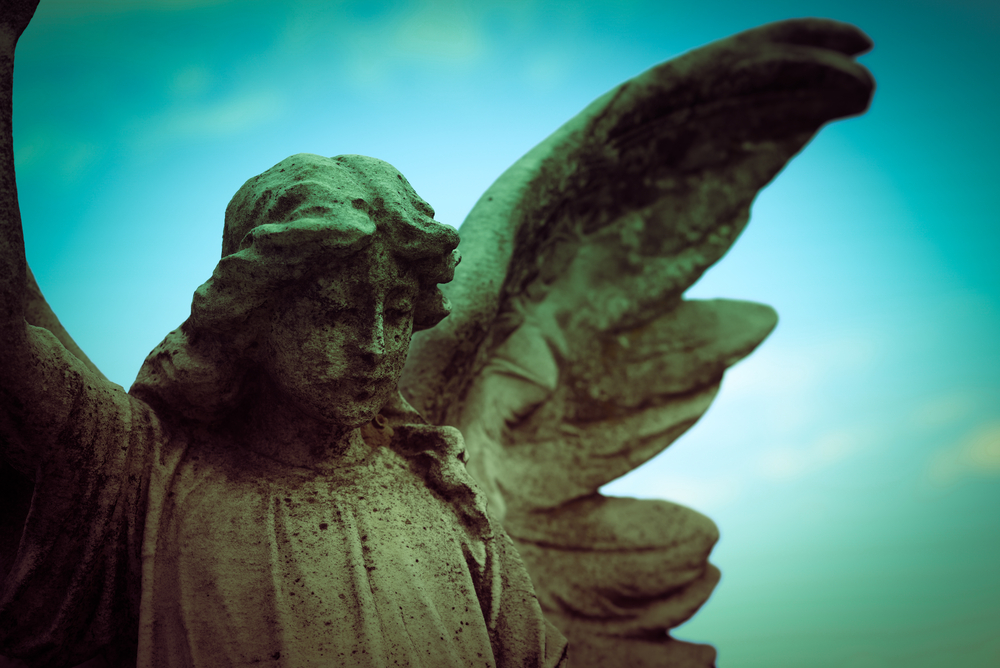
Image credit: Shutterstock
One of the most common beliefs is that death marks the absolute end of awareness, yet this assumption may come from limited physical understanding. The brain stops functioning, but consciousness might not depend entirely on the body. Many traditions describe awareness as energy, and energy cannot be destroyed, only transformed.
Reports of near-death experiences, memories from past lives, and heightened perception in moments close to death all point toward continued awareness. The human mind may act as a receiver rather than the source of consciousness, meaning that when the body ends, the signal simply shifts to another form of existence.
3. Heaven and Hell Are Physical Places

Image credit: Unsplash
Heaven and hell have]long been portrayed as destinations somewhere above or below the world, but this interpretation is symbolic. They can be better understood as states of consciousness rather than physical locations. Heaven might represent harmony, love, and expanded awareness, while hell could symbolize guilt, fear, or unresolved emotion.
These states are created by the individual’s frequency of thought and energy. The transition after death may simply place a soul in a realm that mirrors its inner vibration. In this sense, heaven and hell are not rewards or punishments, but natural outcomes of one’s spiritual state.
4. You Instantly Know Everything When You Die

It is tempting to believe that death unlocks instant understanding of all cosmic mysteries, but evidence suggests the opposite. The afterlife appears to involve gradual integration, where the soul processes its recent experiences and reflects on its actions. Many descriptions compare it to a review rather than instant enlightenment.
The awareness gained depends on how open and evolved the consciousness already is. Just as growth takes time in physical life, the soul continues to expand its understanding beyond death. Learning, reflection, and healing remain part of existence, showing that evolution does not stop once the body is gone.
5. Spirits Are Trapped on Earth

Many people believe spirits can become trapped on Earth, wandering endlessly as ghosts. However, most spiritual systems teach that once the soul detaches from the body and emotional attachments, it naturally moves on. Energy that seems stuck is often residual emotion or memory left behind, not the conscious soul itself.
What we interpret as haunting might be energetic imprints replaying moments that once carried strong emotion. True spiritual presence is usually temporary and purposeful, often to deliver closure or comfort. Souls are not confined to the physical world; they move freely through dimensions that resonate with their vibration and awareness.
6. Only Good People Go to the Afterlife

The belief that only morally perfect people experience an afterlife comes from fear-based interpretations of right and wrong. In reality, most teachings suggest that every soul continues after death, regardless of earthly behavior. What differs is the kind of realm or experience they enter. Those who lived with compassion might experience harmony, while those who caused harm may face lessons that encourage understanding and growth.
The afterlife functions less like a courtroom and more like a classroom where every soul learns from its actions. Eternal punishment or exclusion contradicts the idea of an evolving, ever-learning consciousness.
7. Reincarnation Happens Instantly

Image credit: Pexels
It is a common assumption that the moment a person dies, their soul immediately enters another body. In truth, many belief systems describe a period of rest or review between incarnations. The soul takes time to process the lessons of the previous life before deciding where and how to return. Time beyond Earth is not linear, so what feels like centuries to the living might pass as moments to the soul.
Reincarnation is a conscious choice aligned with growth, not a cycle that spins uncontrollably. Souls may also spend long spans in nonphysical realms before choosing to re-enter the material world.
8. You Retain Your Earthly Appearance Forever
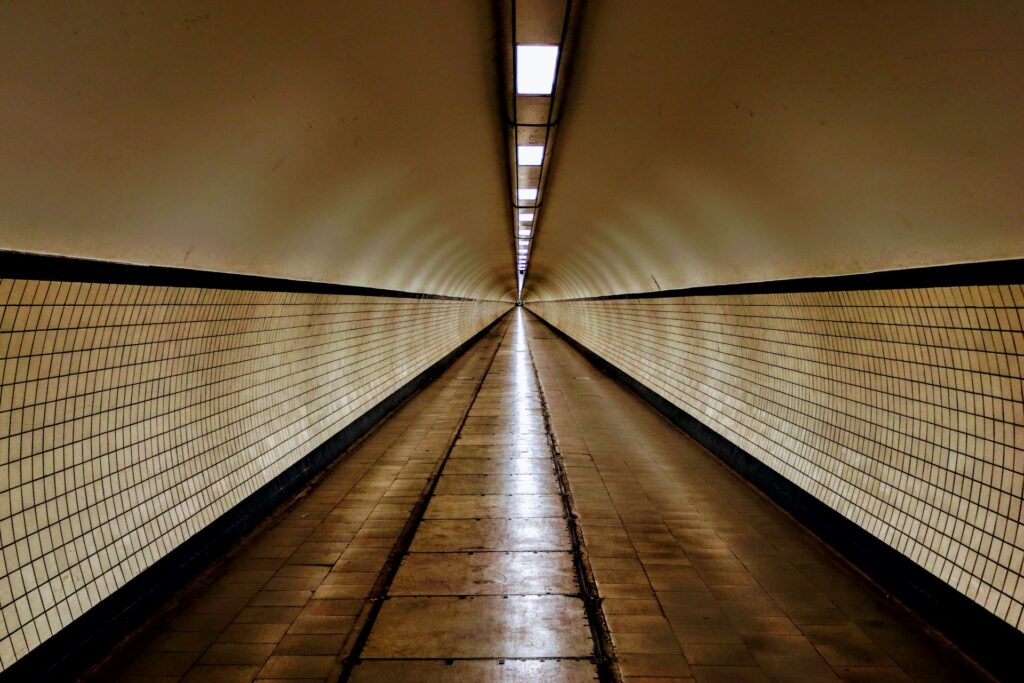
Many imagine that souls keep the same physical body they had in life, but in the afterlife, appearance becomes fluid and symbolic. The form a soul takes often reflects how it identifies itself. Some appear at the age or version of themselves they loved most, while others exist purely as light or energy.
The body is no longer a biological shell but an energetic expression. Identity becomes defined by vibration, emotion, and intention rather than flesh and bone. Recognition between souls happens through energetic familiarity, not visual cues, meaning connection remains even when appearances dissolve.
9. Loved Ones Cannot Communicate With the Living

The idea that the dead are unreachable creates unnecessary separation. Many accounts describe communication through dreams, synchronicities, and subtle sensations. Souls seem able to reach out when the emotional link remains strong, especially in moments of need or grief. Contact usually happens through thought, energy, or signs rather than spoken words.
The living may receive symbols, songs, scents, or coincidences that carry personal meaning. These moments remind people that bonds of love continue beyond death. Communication between realms appears to depend on resonance, meaning an open heart and calm mind make it easier to sense those who have passed.
10. Time Exists in the Same Way

Time, as experienced on Earth, does not appear to function the same in the afterlife. Many spiritual perspectives describe reality beyond death as fluid, where events unfold simultaneously rather than sequentially. Souls can experience multiple moments or even lifetimes at once because linear time is a construct tied to physical space.
In nonphysical realms, time bends to consciousness and perception, meaning that past, present, and future can coexist. This is why some spiritual accounts mention revisiting earlier experiences or exploring potential futures without limitation. The idea of timelessness gives greater freedom for understanding and healing, as souls are not constrained by clocks or calendars.
11. The Afterlife Is Permanent and Unchanging

Image credit: Pexels
A major misconception is that the afterlife represents a fixed condition where nothing evolves. In truth, the afterlife is described as a dynamic environment in which consciousness continues to grow. Souls can move through different planes or levels based on awareness and intention. These transitions allow for reflection, forgiveness, and deeper learning about the interconnectedness of all beings.
Even after death, there is movement and expansion. The soul’s path does not end but shifts to a different mode of existence that continues the process of becoming. This ongoing evolution shows that death is a doorway, not a final resting point.
12. Judgment Is External
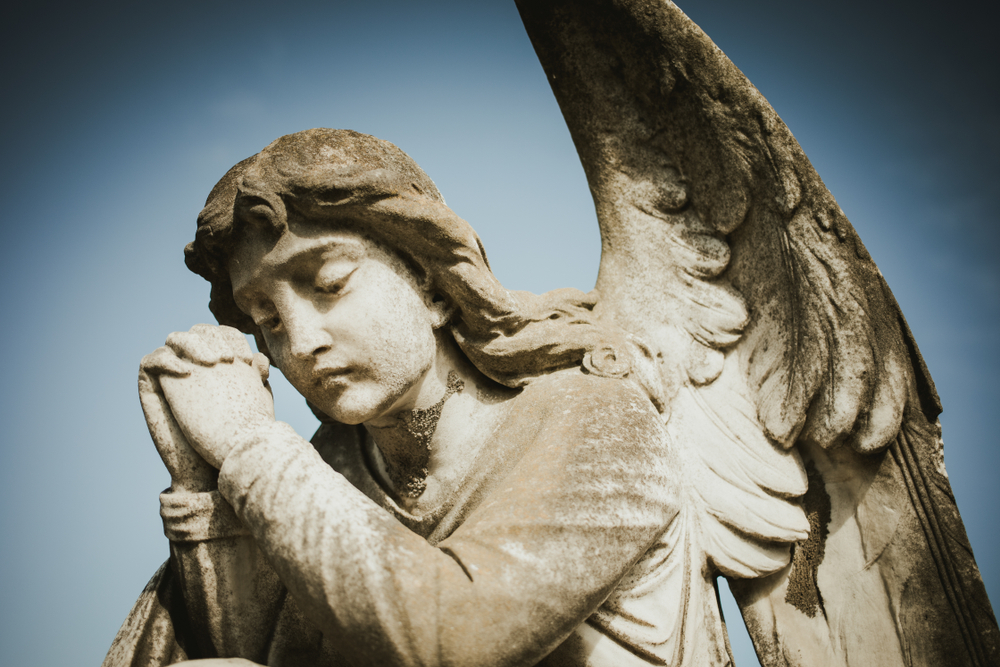
The soul naturally reviews its life, feeling the effects of its choices through empathy and awareness. This process is not punishment but understanding. Experiencing one’s impact from the viewpoint of others allows for genuine growth and compassion.
Rather than a harsh verdict, this life review promotes healing by transforming guilt into wisdom. In this sense, judgment becomes an act of self-realization where the soul aligns with truth, learning to evolve through responsibility rather than fear.
13. Animals Have No Afterlife

Many spiritual traditions describe animals as having souls that experience love, loyalty, and awareness just as humans do. Their afterlife often mirrors the emotional bonds they formed while alive. Animals may exist in peaceful realms where they reunite with familiar humans or other spirits they shared connection with.
Because they live instinctively and without moral conflict, their transition is often easier and more harmonious. The continued existence of animals beyond death reminds us that consciousness is not limited to humanity but is part of a greater, shared essence of life.
14. You Lose All Connection to Earth

Death does not necessarily sever the link between the soul and the world it once knew. Many perspectives describe souls maintaining awareness of loved ones and continuing to care about Earth’s energy. This connection is not one of attachment or sorrow but of compassion and observation. Souls may guide, comfort, or inspire those still living, influencing them through subtle impressions or intuition.
In this way, the afterlife and the living world are intertwined. The connection continues because love and consciousness transcend physical distance. The bond that existed in life becomes spiritual guidance after death, forming a bridge between realms.
15. The Afterlife Proves or Disproves Religion

People often try to use the afterlife as evidence for or against religious belief, yet the truth may be broader than any one system. Spiritual experiences surrounding death tend to share universal themes such as light, love, and continued awareness, regardless of cultural background. This suggests that the afterlife may not belong to a single doctrine but represents a shared human experience of consciousness beyond the body.
Religion provides symbols to understand it, but the essence itself appears limitless. Rather than confirming or denying belief, the afterlife invites humanity to seek unity and understanding beyond separation.
The Endless Mystery of What Comes Next

The afterlife remains one of the few topics that unite science, philosophy, and spirituality through curiosity. No single answer can satisfy everyone, yet nearly every culture, ancient or modern, has shared an instinctive sense that consciousness does not simply vanish. Whether viewed as energy, spirit, or soul, something beyond physical matter seems to endure.
The biggest misunderstanding about death may be that it represents an ending, when it might actually be a transformation into another phase of being. Just as night gives way to morning, death may simply change form, allowing the self to continue exploring reality through new dimensions of understanding. Life and death might not be opposites but different expressions of the same continuous process.
Every belief system, from the most traditional to the most metaphysical, seems to touch on one universal idea: consciousness evolves

The afterlife may not judge or separate, but instead offer every being the opportunity to grow, reflect, and begin again. What matters most, then, is not proving what the afterlife looks like but understanding what it teaches about living now. If existence continues beyond the body, then kindness, compassion, and awareness become more than moral choices, they become the very foundation of eternal life. The way one thinks, acts, and loves in the present moment shapes the quality of what comes next.
The mystery of the afterlife challenges humans to look inward rather than outward for answers
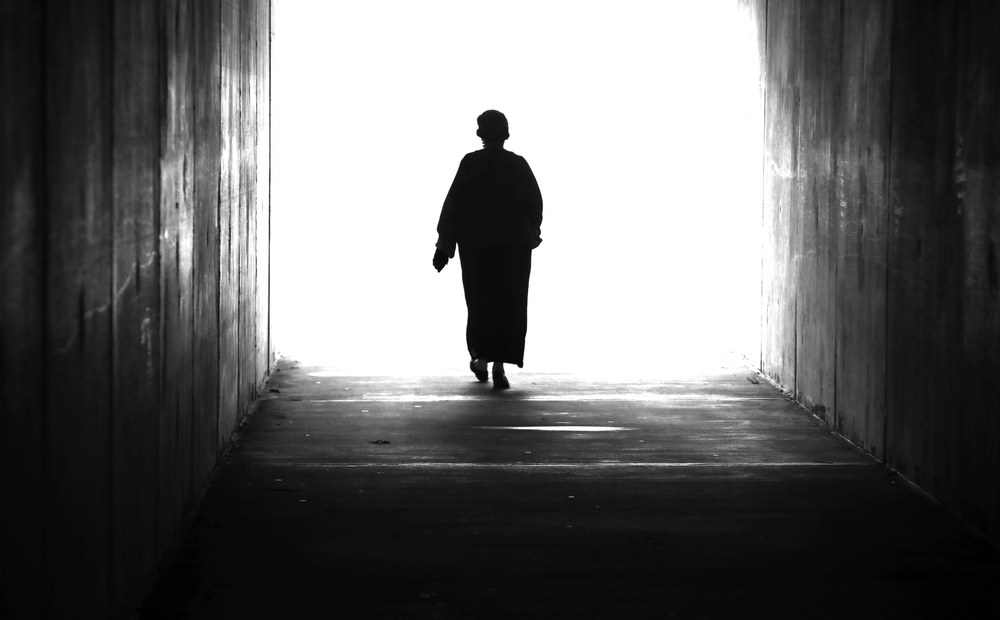
Whether the next world is a radiant light, a timeless plane, or an expansion of pure consciousness, it mirrors the depth of the soul that enters it. Perhaps the greatest truth of all is that the afterlife is not separate from life it is a continuation of it. The boundaries between the two may be thinner than most imagine, and the consciousness that carries on may be closer than it appears.
In embracing this idea, people can live more fully, love more deeply, and release the fear that often limits their experience of both worlds.
Read More: 33 Ancient Concepts That Still Influence Life Today
Disclaimer: This article was created with AI assistance and edited by a human for accuracy and clarity.