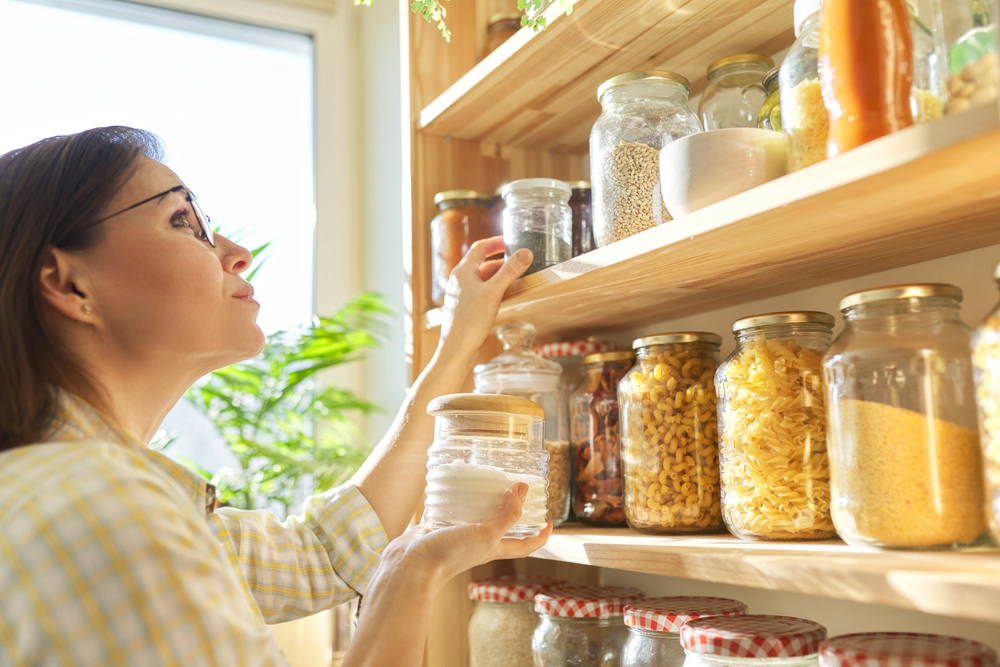

Most households contain pantry staples that seem to last forever, but even shelf-stable foods have an expiration date. Over time, ingredients lose flavor, texture, and nutritional value, and in some cases, they can even become unsafe to eat. Regularly checking expiration dates and understanding how long foods truly last can help prevent waste and protect your health. Here are ten common pantry items that are likely past their best-before date.
1. Cooking Oils
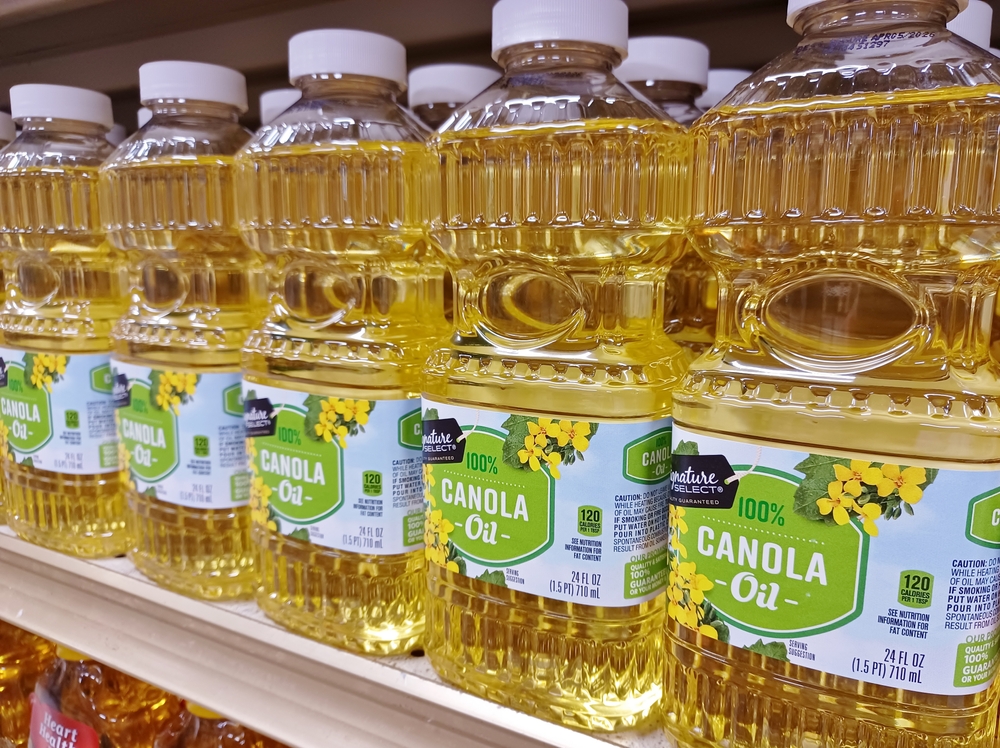
Cooking oils like olive, canola, sunflower, and coconut oil all have a limited shelf life. The fatty acids in these oils break down when exposed to heat, air, or light, leading to oxidation that causes rancidity. Once oil goes bad, it develops a sour, metallic, or paint-like smell. Using rancid oil not only ruins the flavor of food but can also release harmful free radicals that irritate digestion and damage cells.
Unopened oils typically last around a year, while opened bottles should be used within six months. Keeping them in dark glass containers and storing them in a cool pantry helps extend freshness.
2. Spices and Herbs
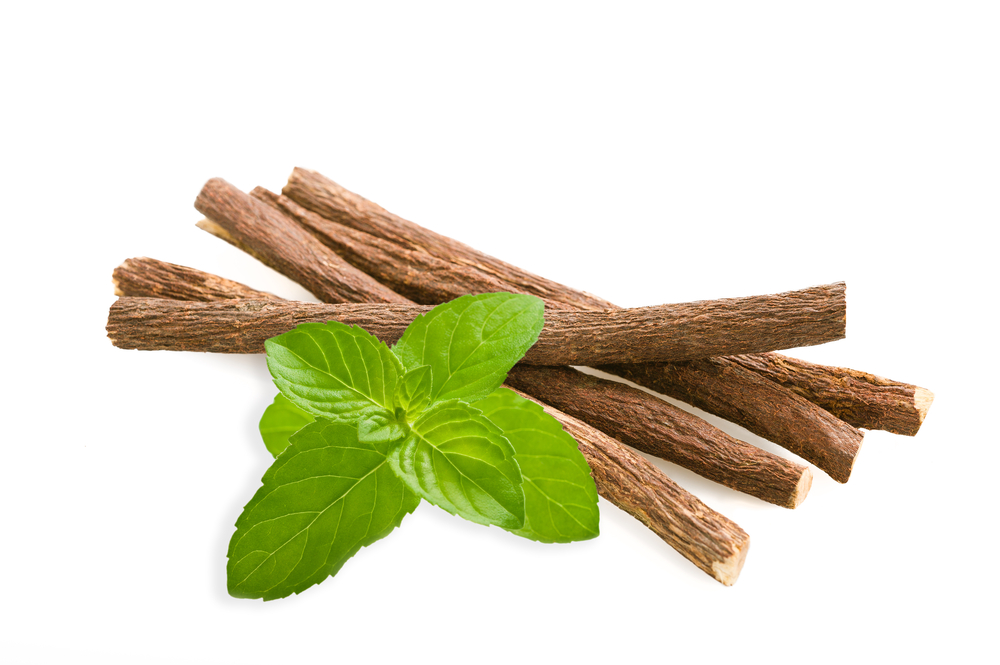
Spices and herbs don’t necessarily spoil in a way that makes them dangerous, but they do lose their essential oils, aroma, and potency over time. Ground spices such as paprika, cinnamon, and turmeric begin fading after a year, while whole spices like cloves or peppercorns can last up to three years. If a spice no longer has a strong scent when you open the jar, it’s likely lost most of its flavor.
Exposure to light, heat, and air speeds up this process, so it’s best to store spices in airtight jars in a dark cupboard away from the stove. Replacing them every couple of years keeps your meals tasting vibrant.
3. Baking Powder and Baking Soda
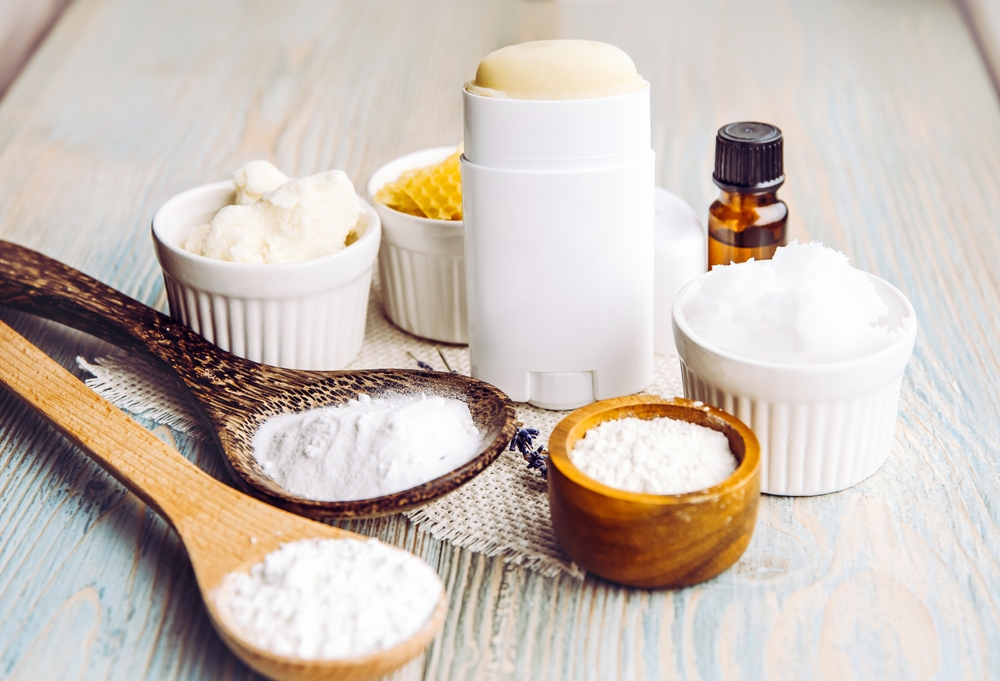
Both baking powder and baking soda are critical for baking, yet they lose effectiveness quietly over time. When they expire, baked goods turn out flat or dense instead of rising properly. Baking powder usually lasts 6 to 12 months after opening, while baking soda can remain active for about 18 months if stored well. To test their freshness, drop a teaspoon into hot water. If it fizzes immediately, it’s still good to use. If not, it’s time for a replacement.
Store these leavening agents in airtight containers to protect them from humidity and moisture, which can cause early spoilage.
4. Flour
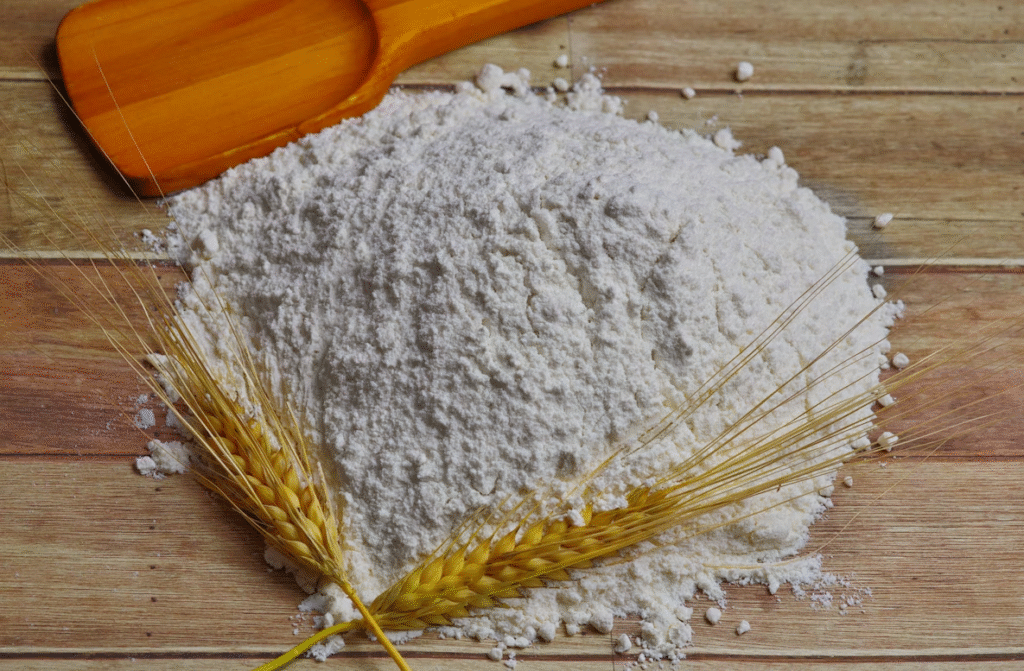
Flour may seem like a long-lasting staple, but it can become stale or even develop mold if stored too long. White flour lasts up to a year when sealed properly, but whole wheat flour has a much shorter life because of its higher oil content, often turning rancid in just a few months. A musty smell, clumps, or the presence of small insects means it’s no longer safe to use.
Keeping flour in a sealed container in a cool, dark space helps maintain freshness. For longer storage, freezing flour in airtight bags prevents oxidation and pests.
5. Rice
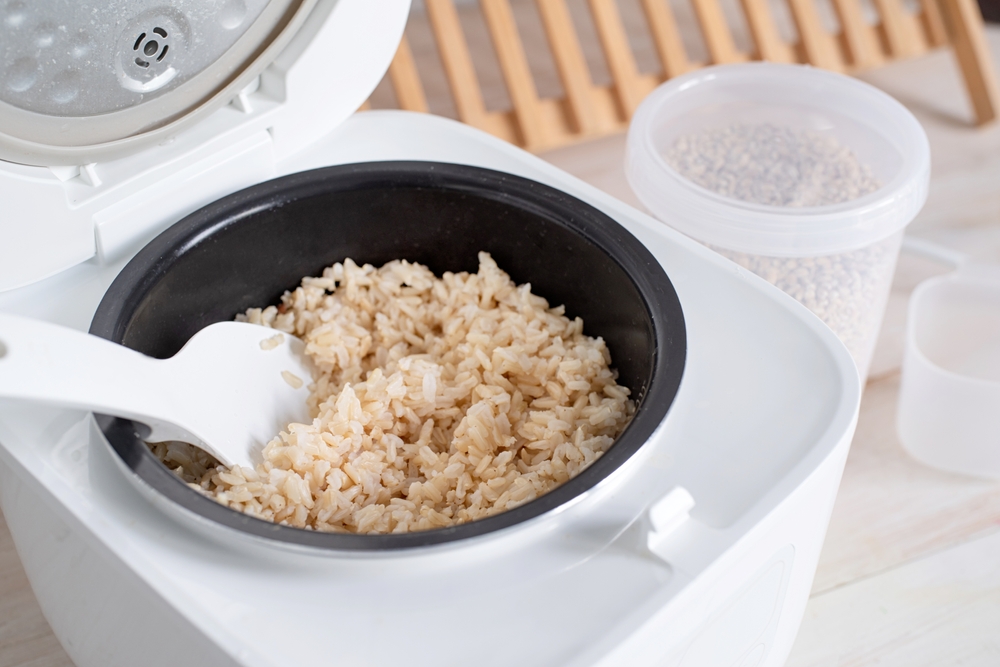
Rice varies greatly in shelf life depending on type. White rice, jasmine, and basmati can last years when stored properly, but brown rice expires much sooner because of the natural oils in its bran layer. After about six months, these oils can turn rancid, giving the rice a sour odor and an off taste. Spoiled rice may also harbor mold if exposed to humidity.
To preserve freshness, store rice in airtight containers away from light and moisture. For long-term storage, refrigerating or freezing brown rice extends its usability significantly.
6. Cereal and Crackers
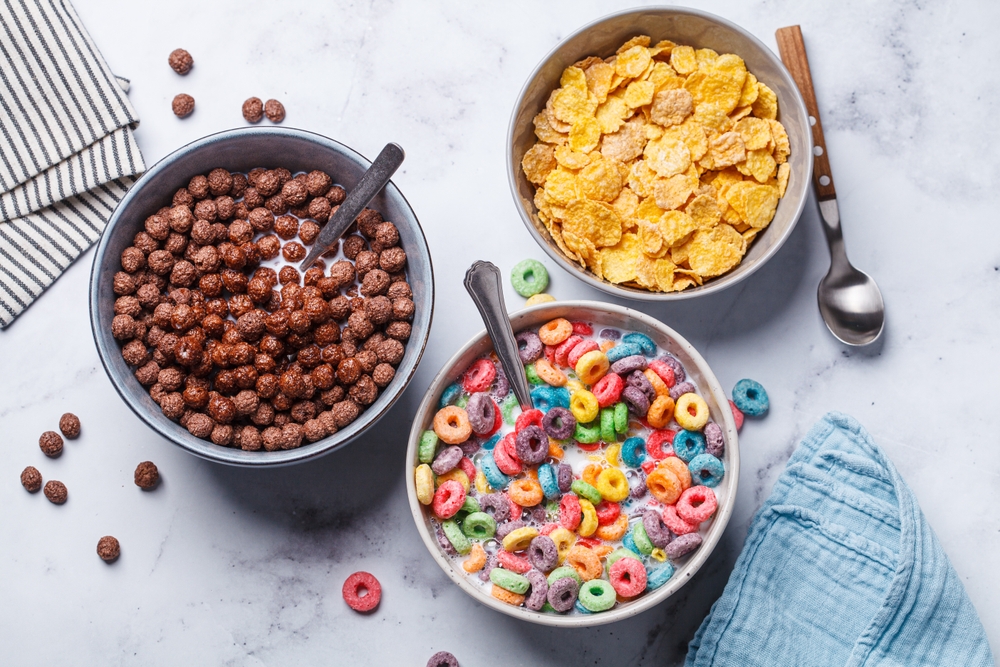
Dry snacks like cereal, crackers, and pretzels may not spoil dangerously, but they lose their crunch, flavor, and freshness quickly. Once exposed to air, oils in these products oxidize, resulting in a stale taste. Even if they appear fine, they can contain rancid fats after several months past expiration. Sealing opened packages tightly or transferring them to airtight containers helps slow the process.
If cereal smells musty or tastes flat, it’s time to throw it out. Keeping your pantry cool and dry prevents moisture from making them soggy or moldy.
7. Canned Goods
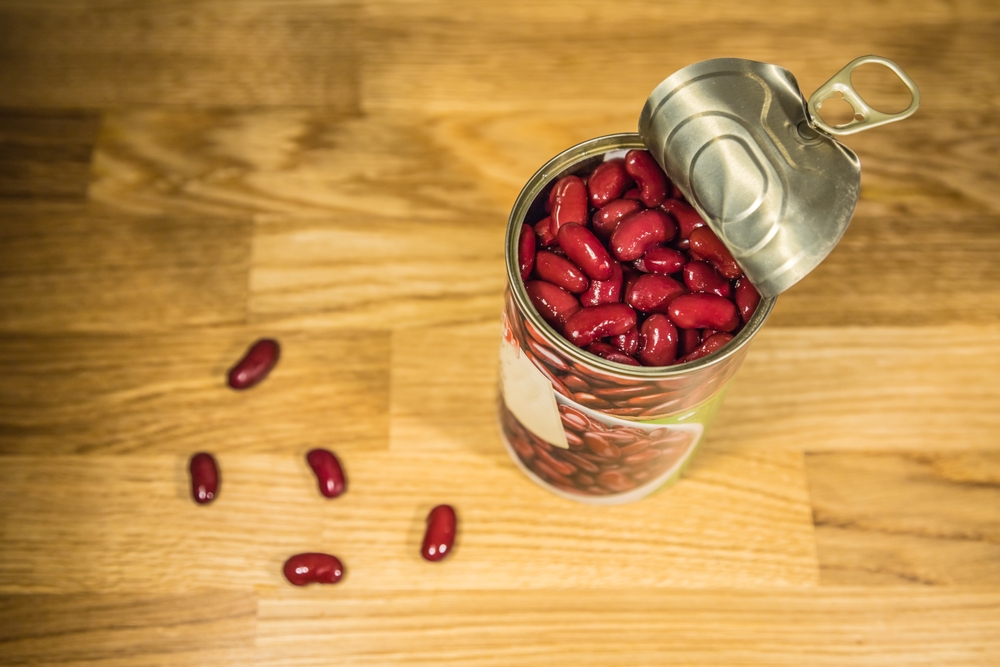
Canned foods are built for long storage, but not indefinite keeping. Low-acid foods like beans, meats, and soups may last up to five years, while high-acid foods like tomatoes, fruit, and pickled products generally expire after 18 months. Over time, the can’s lining can degrade and cause chemical reactions that affect taste and safety.
If a can is rusted, bulging, leaking, or has dents near the seams, it could contain bacteria such as Clostridium botulinum, which causes botulism. Store cans in a cool, dry area and rotate them often to ensure older items are used first.
8. Nuts and Seeds
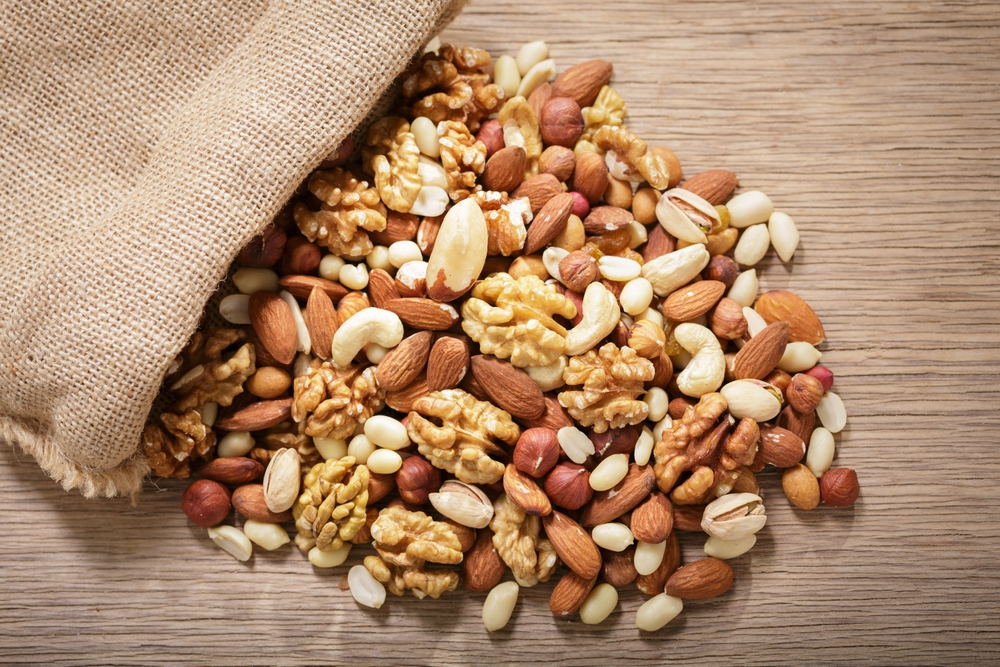
Nuts and seeds contain healthy fats, but those same oils are prone to rancidity. When exposed to heat or air, the fats oxidize, creating a sour or bitter smell and flavor. Rancid nuts not only taste unpleasant but may also cause stomach discomfort. Shelled nuts typically last around six months at room temperature or a year in the refrigerator. Seeds like flax or chia also degrade over time. To extend their shelf life, store them in airtight containers in a cool, dark pantry or refrigerate them to slow oxidation.
9. Honey

Honey is often labeled as a forever food, and while it rarely becomes unsafe, it does change over time. It may crystallize, thicken, or darken, which affects its texture and flavor. Crystallization happens naturally as sugars separate, and although heating it gently can return it to liquid form, older honey may still lose its aroma and sweetness.
Exposure to moisture or contaminants can cause fermentation. Storing honey tightly sealed in a cool, dry place ensures it keeps its natural antibacterial properties for year
10. Condiments and Sauces
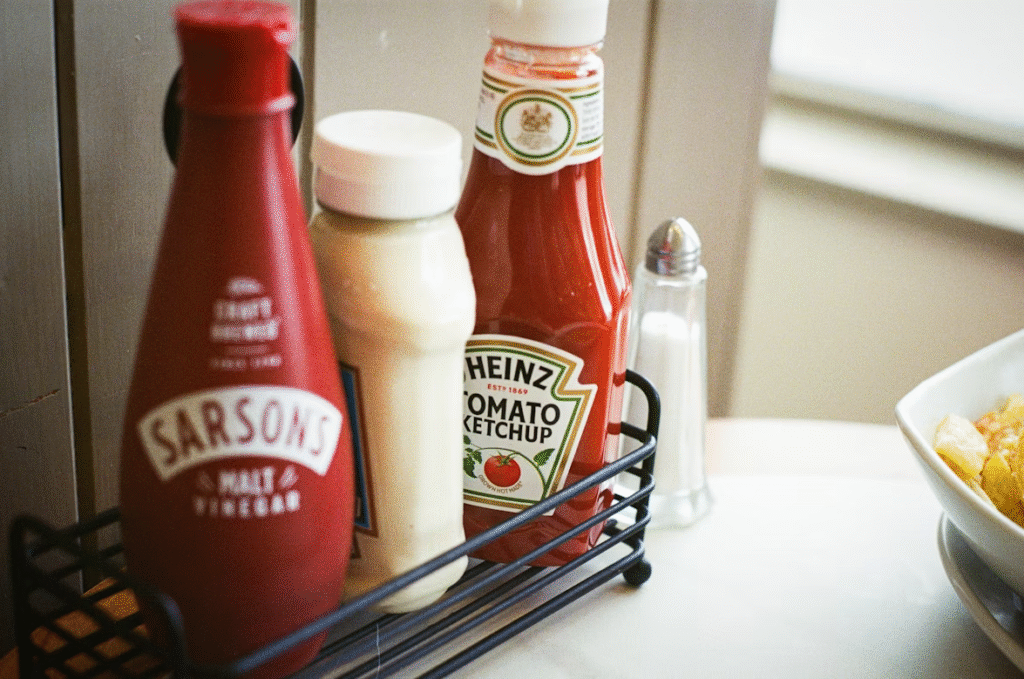
Condiments like ketchup, mustard, soy sauce, and salad dressing have varying shelf lives depending on their ingredients. Once opened, exposure to air and bacteria slowly degrades their quality. Even vinegar-based sauces can eventually lose flavor or separate. Mayonnaise and creamy dressings spoil faster because of their eggs and dairy content, often within two months of opening.
If you notice color changes, a sour smell, or watery separation, it’s time to discard them. Always refrigerate opened condiments unless the label specifies otherwise, and wipe bottle lids clean to prevent bacterial buildup.
Occastional Inspection
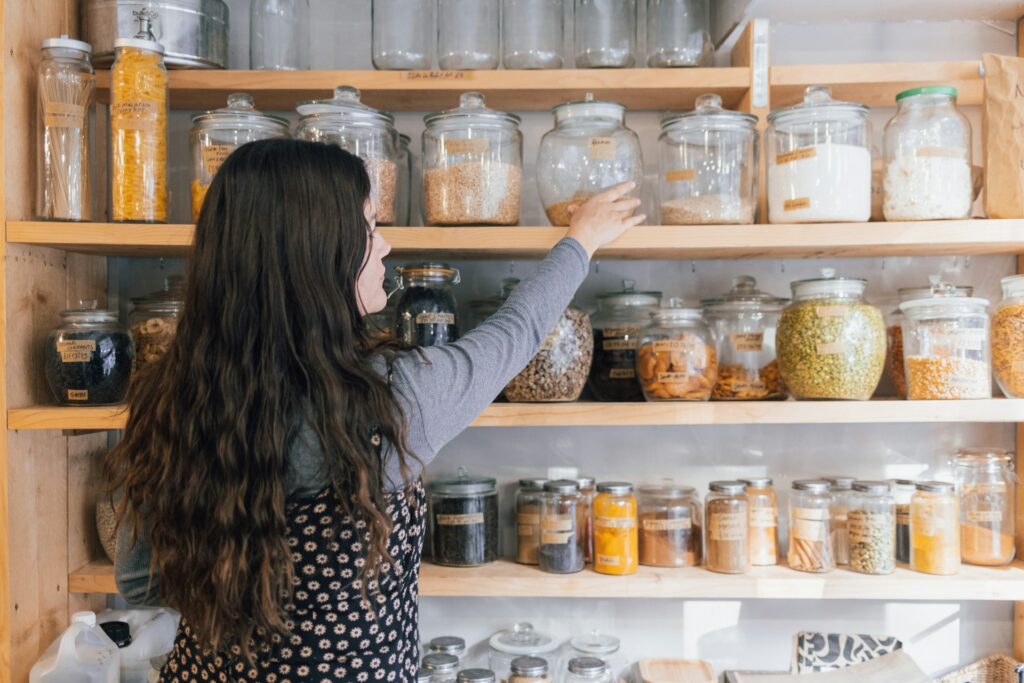
Even foods designed for long-term storage need occasional inspection. Expired pantry items may not always make you sick, but they often lose their nutritional value, taste, and texture long before becoming unsafe. Conducting a pantry check every few months, rotating older stock to the front, and sealing everything tightly can help reduce waste and keep your food supply fresh and reliable.
Read More: You’re Storing These 13 Foods The Wrong Way
Disclaimer: This article was created with AI assistance and edited by a human for accuracy and clarity.