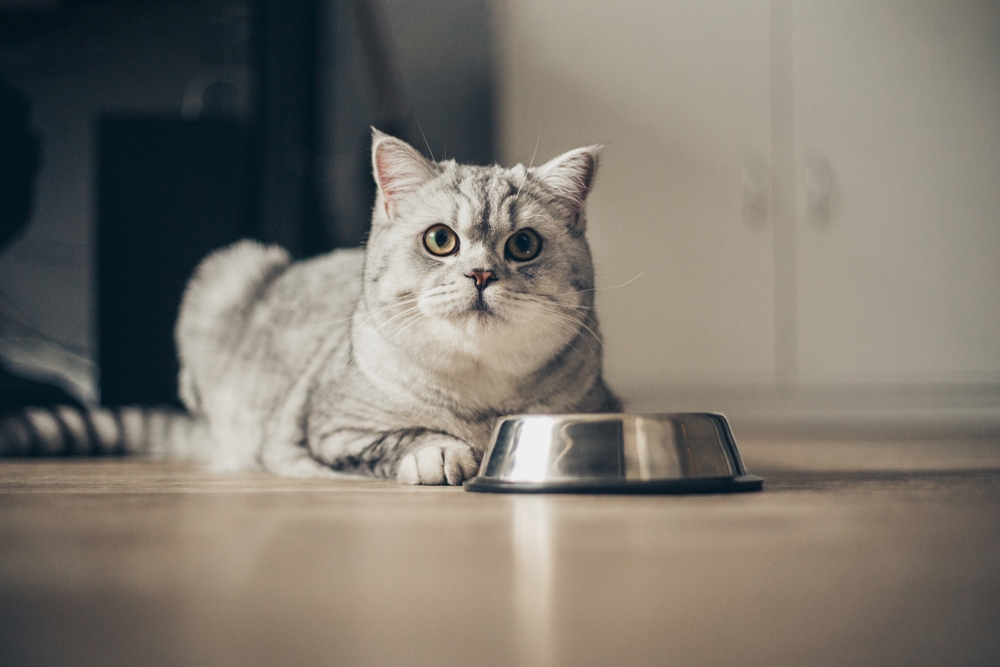

Cats may act like they can handle anything that smells good, but many human foods are toxic to them. Their bodies react very differently than ours, and some common snacks can cause serious health problems. A nibble from the table might seem harmless, but it could lead to vomiting, organ damage, or worse. Here are 10 foods your cat should never be allowed to eat, no matter how much they beg.
Chocolate
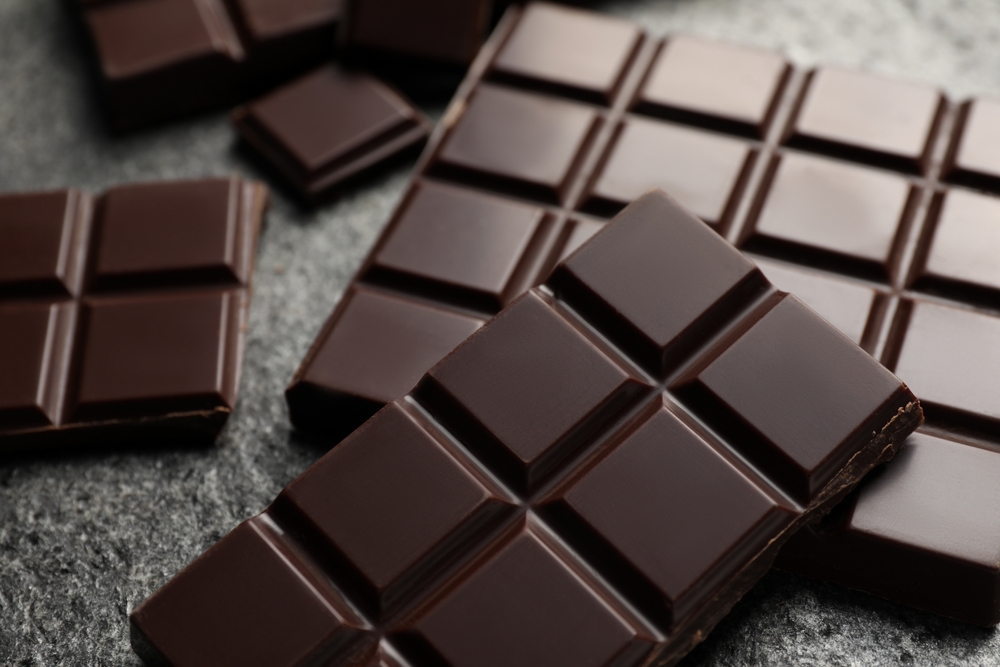
Chocolate might be a delicious treat for people, but it is highly toxic to cats. It contains two dangerous stimulants, theobromine and caffeine, both of which affect the central nervous system and cardiovascular system. These substances can build up quickly in a cat’s small body, even from a small amount. Dark chocolate and unsweetened baking chocolate have the highest concentration of theobromine, making them even more dangerous.
Symptoms of chocolate poisoning include muscle tremors, high fever, vomiting, restlessness, or collapse. Since cats are smaller and more sensitive than dogs, even licking a chocolate frosting can trigger a reaction. If your cat consumes chocolate in any form, call a vet immediately.
Onions and Garlic
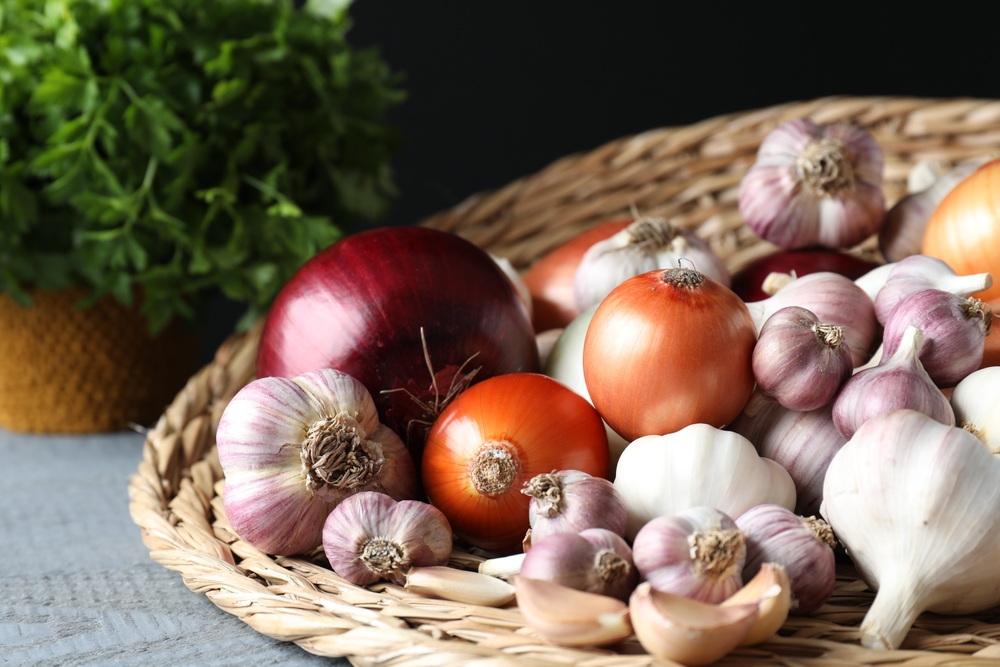
Both onions and garlic contain compounds that can cause oxidative damage to a cat’s red blood cells. These substances, especially thiosulfates, disrupt the body’s ability to carry oxygen, leading to anemia. Symptoms of onion or garlic poisoning may include weakness, reduced appetite, rapid breathing, and pale gums.
What makes this more concerning is how easily cats can be exposed. Onion powder and garlic powder are often hidden in sauces, baby food, soups, and snacks. Whether raw, cooked, or dried, these ingredients are all harmful. Some cats show delayed symptoms after repeated exposure, which makes it harder for owners to make the connection. Keep anything seasoned with onion or garlic far away from your pet’s bowl.
Mixed Drinks and Liquids
Cats are sometimes tempted by mixed drinks that include milk, cream, or sweet flavorings. Spilled drinks or unattended glasses can quickly become a dangerous trap. Unlike some toxins, alcohol does not require large quantities to cause harm. Always clean up any spills right away and never allow alcoholic beverages near your pet.
Grapes and Raisins
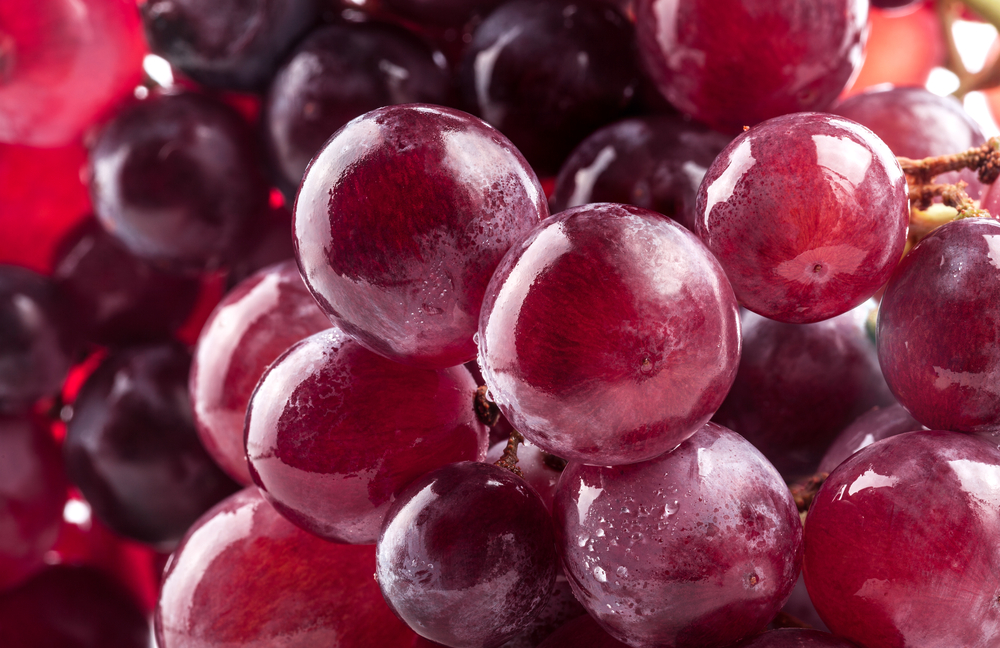
The dangers of grapes and raisins are well-known in dogs, but fewer people realize they are also risky for cats. Scientists still do not fully understand what compound causes the toxic reaction, but the effect on kidney function can be severe. A small amount, just a few raisins or a single grape, has been reported to trigger vomiting, lethargy, abdominal pain, and dehydration in cats.
Left untreated, these symptoms may lead to kidney failure, which can become irreversible. Some cats might show no reaction, but the risk is too high to test. Foods like trail mixes, muffins, and breakfast cereals that contain raisins should always be kept out of your cat’s reach.
Raw Eggs
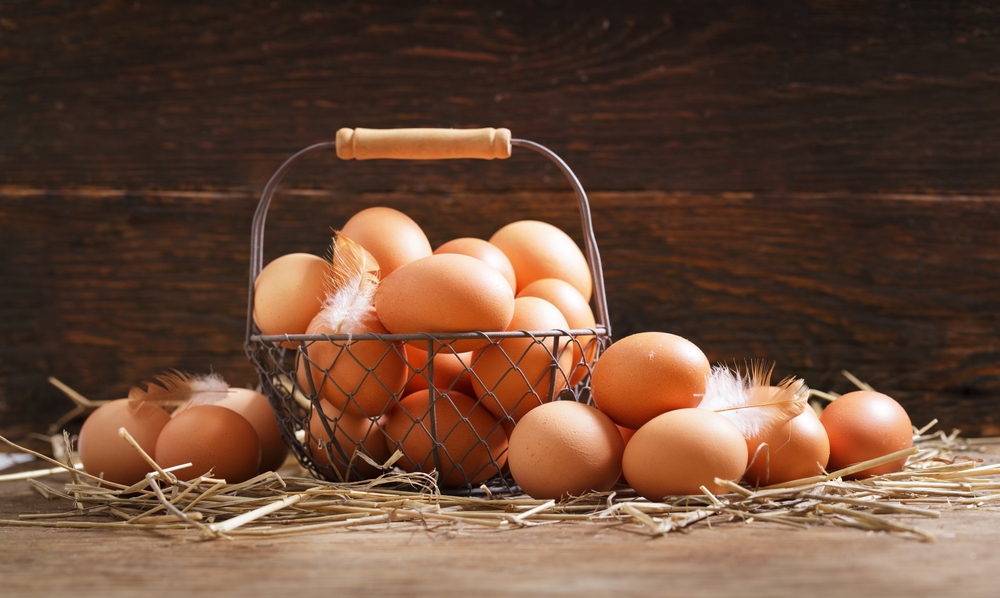
Feeding cats raw eggs can lead to two major health issues. First, there is the danger of bacterial contamination. Salmonella and E. coli are both found in raw eggs and can cause food poisoning in cats just as they do in humans. Symptoms include diarrhea, fever, and lethargy. Second, egg whites contain avidin, a protein that interferes with the body’s ability to absorb biotin, a
B vitamin essential for maintaining healthy skin, fur, and metabolism. A long-term deficiency in biotin may result in coat thinning, skin irritation, or muscle weakness. Cooking eggs neutralizes avidin and kills harmful bacteria, making them much safer as an occasional treat when fully cooked and plain.
Bones and Fat Trimmings
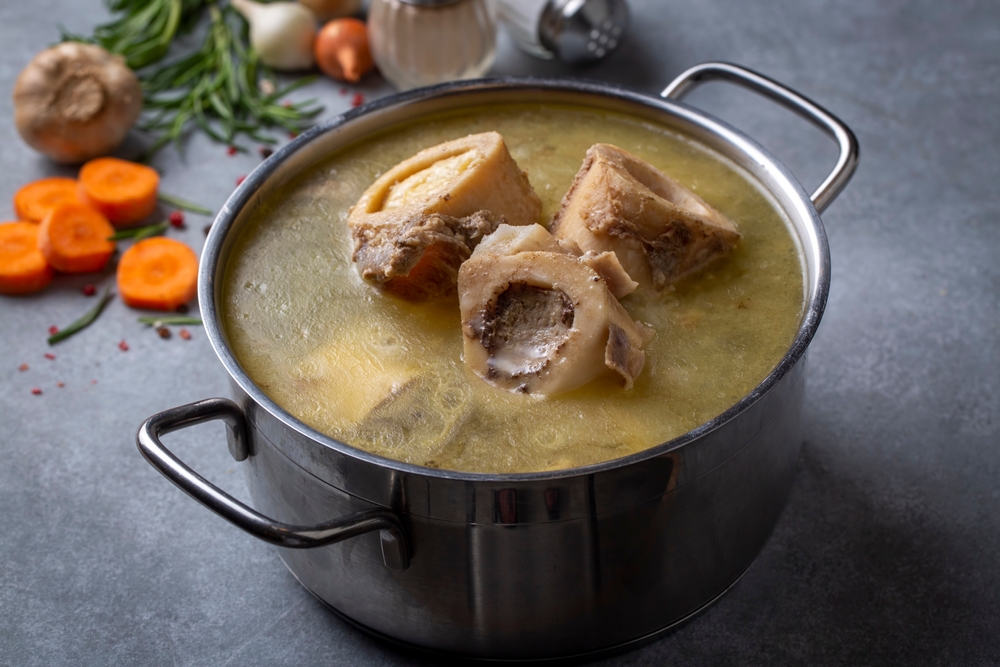
Feeding your cat bones or fatty scraps might seem harmless, especially if they come from a home-cooked meal. However, both cooked and raw bones can be dangerous. Cooked bones tend to splinter easily, creating sharp edges that can puncture the mouth, esophagus, stomach, or intestines. This can lead to internal bleeding, blockages, or severe infections.
Raw bones, while less brittle, still pose a choking hazard and can get stuck in the throat or digestive tract. Fat trimmings, even without bones, can overload a cat’s pancreas and trigger pancreatitis. This condition is painful, inflammatory, and potentially life-threatening. It causes vomiting, diarrhea, loss of appetite, and abdominal pain. For these reasons, bones and fatty leftovers should never be shared with cats.
Dairy Products
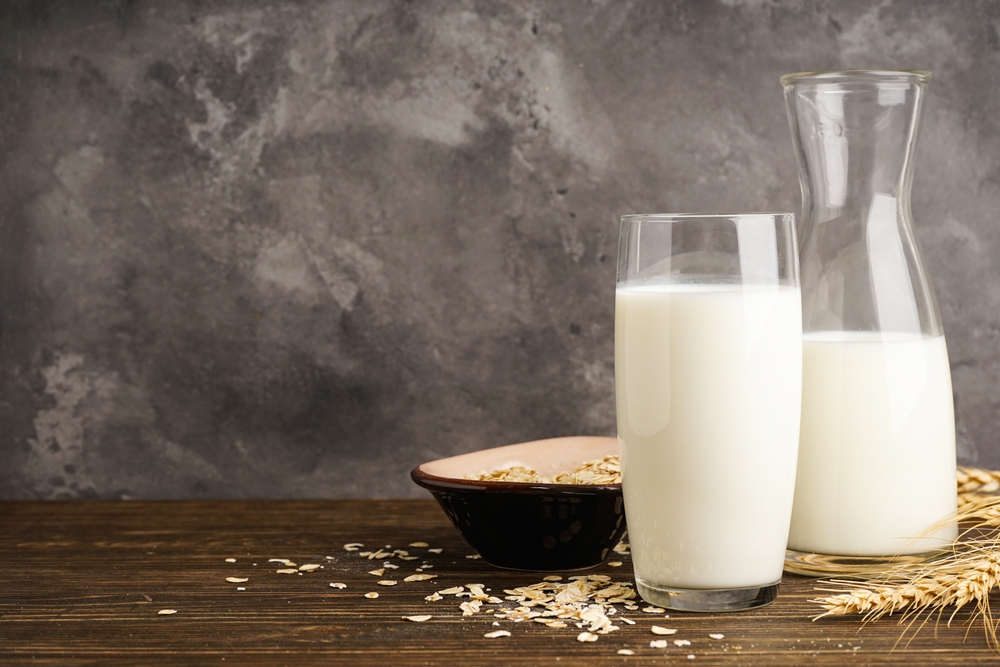
The image of a cat happily drinking milk is misleading. Most adult cats lack enough lactase, the enzyme needed to break down lactose in dairy products. Without lactase, milk travels through the digestive system undigested, leading to gastrointestinal upset. This can include symptoms like bloating, cramping, diarrhea, and gas. Even small amounts of cheese or cream can cause discomfort.
While some specialty “cat milks” exist that are lactose-free, they should only be offered in moderation. Kittens can tolerate milk while nursing, but that ability fades as they grow. The safest option is to avoid dairy altogether unless specifically formulated for cats and approved by your vet.
Caffeine

Caffeine is a potent stimulant that affects the nervous system, heart, and muscles. While it helps people stay alert, it can send a cat’s body into overdrive. Cats are far more sensitive to caffeine than humans, and even a small amount can be toxic. Common sources include coffee, tea, soft drinks, energy drinks, chocolate, and even some over-the-counter pain relievers.
Symptoms of caffeine poisoning include hyperactivity, rapid breathing, tremors, and irregular heart rhythm. If not treated quickly, it can lead to seizures or death. Because many caffeinated drinks are sweetened or flavored, curious cats may try to lick up spills or sip from unattended mugs. Always keep these drinks well out of reach.
Xylitol
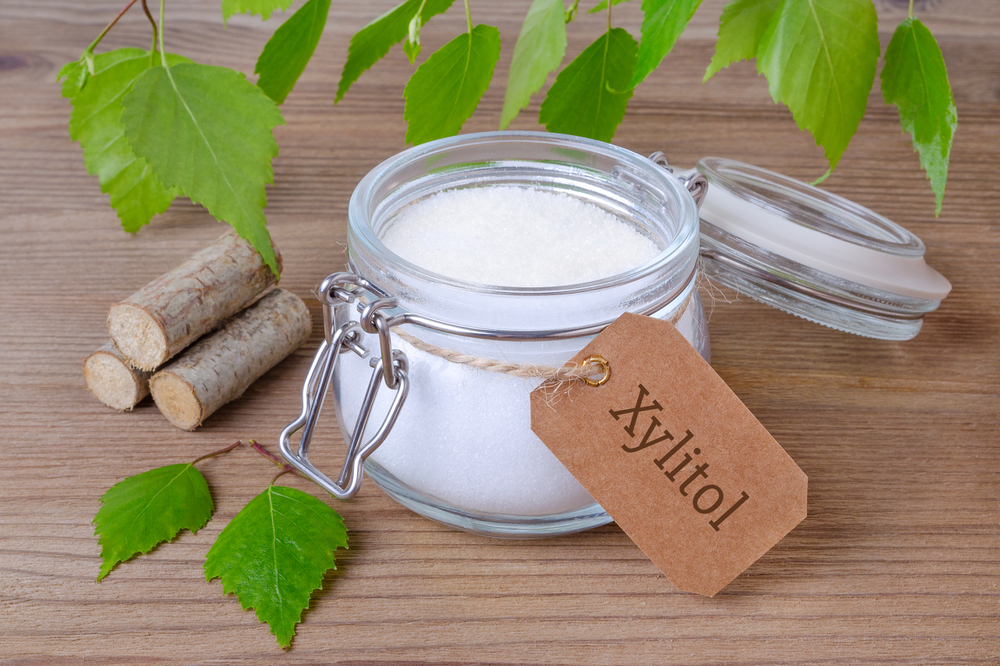
Xylitol is a sugar substitute found in many sugar-free products, including chewing gum, toothpaste, peanut butter, baked goods, and candies. While its toxic effects in dogs are well documented, evidence suggests it may also pose a risk to cats. Xylitol can trigger a sudden release of insulin, leading to hypoglycemia, or dangerously low blood sugar.
In more severe cases, it may also cause liver failure. Symptoms of toxicity can appear within 30 minutes and include vomiting, loss of coordination, and seizures. Even products marketed as “natural” may include xylitol as a sweetener, so always check ingredient labels carefully. Never give your cat food or treats meant for human consumption unless you are absolutely sure they are safe.
Raw Fish
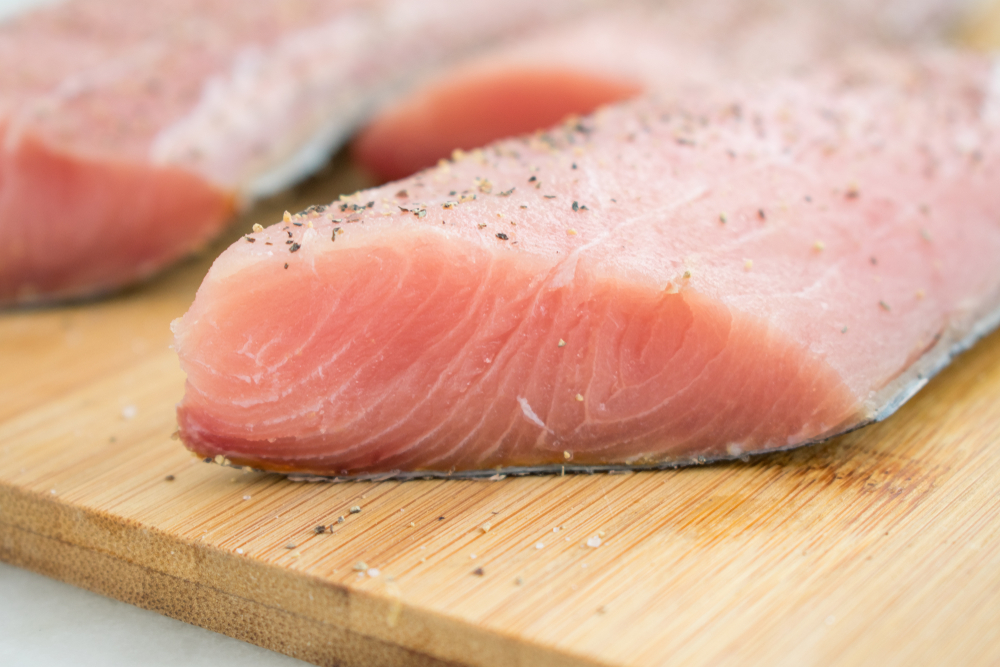
Feeding raw fish to your cat may seem like a natural choice, especially since many cats love the smell and taste. However, raw fish carries serious risks. It can contain parasites like tapeworms or roundworms, which may infect your cat and cause long-term health problems. Additionally, raw fish contains an enzyme called thiaminase that destroys thiamine, a B vitamin necessary for proper brain and nerve function.
A thiamine deficiency can cause neurological issues, such as stumbling, seizures, and even coma. While occasional small amounts of fully cooked fish can be a treat, raw fish should always be avoided. If you do feed fish, make sure it is deboned, cooked without seasoning, and served in moderation.
Final Thought
Many items that seem harmless, or even healthy for humans, can be highly toxic to felines. From chocolate and onions to bones and raw eggs, the risks are serious and sometimes life-threatening. Always check ingredients before offering your pet a taste of anything new, and when in doubt, consult your veterinarian. Sticking to high-quality cat food and vet-approved treats is the best way to keep your feline friend happy, healthy, and safe from harm.
Read More: The Best Cat Breed For You, Based on Astrology
Disclaimer: This article was created with AI assistance and edited by a human for accuracy and clarity.