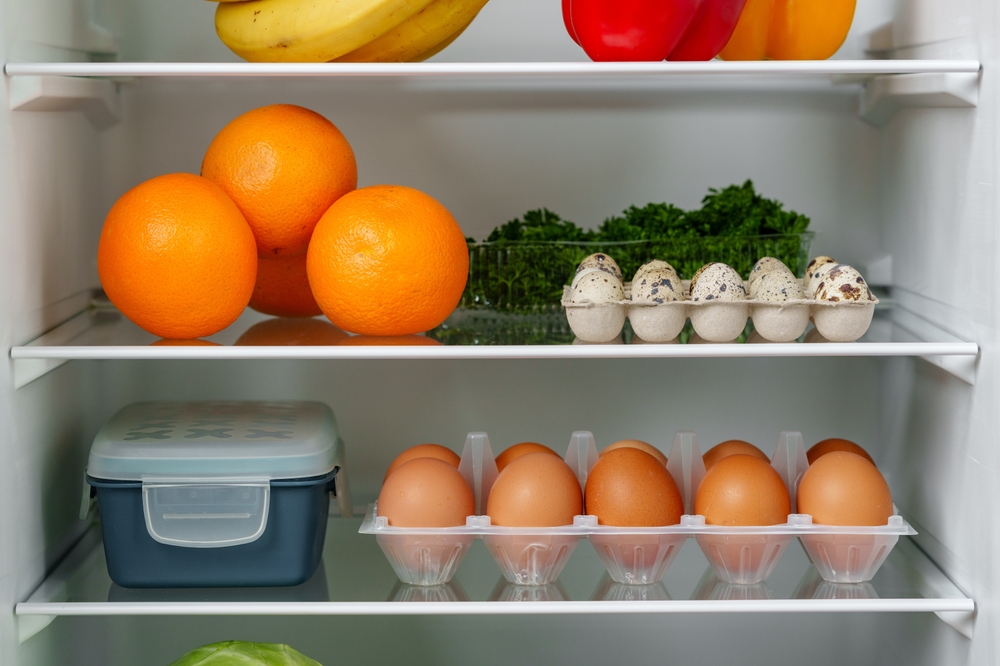

Food storage is more complex than simply keeping everything cold or sealed. Certain foods release gases or moisture that can cause others to spoil, soften, or lose flavor. Even when stored in clean containers, the chemistry between fruits, vegetables, and other perishables can create problems. By understanding which items clash, it becomes easier to reduce waste and keep ingredients fresher for longer.
Apples and Bananas
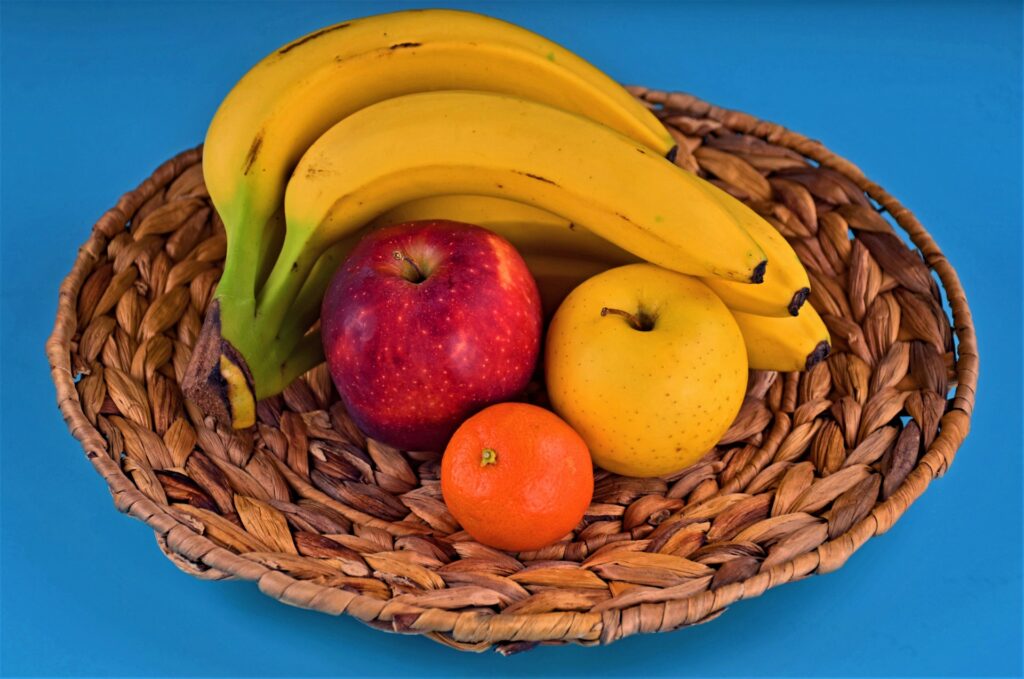
Apples and bananas are both common kitchen fruits, but they should not be kept together. They each produce ethylene gas, which speeds up ripening. When combined, that gas builds up quickly, leading to bruised and mushy fruit. Apples may also pick up a faint banana scent if stored in the same bowl. To keep them fresh, store apples in a cool, dark space and bananas on the counter away from other produce. This simple separation can extend their shelf life by several days.
Onions and Potatoes
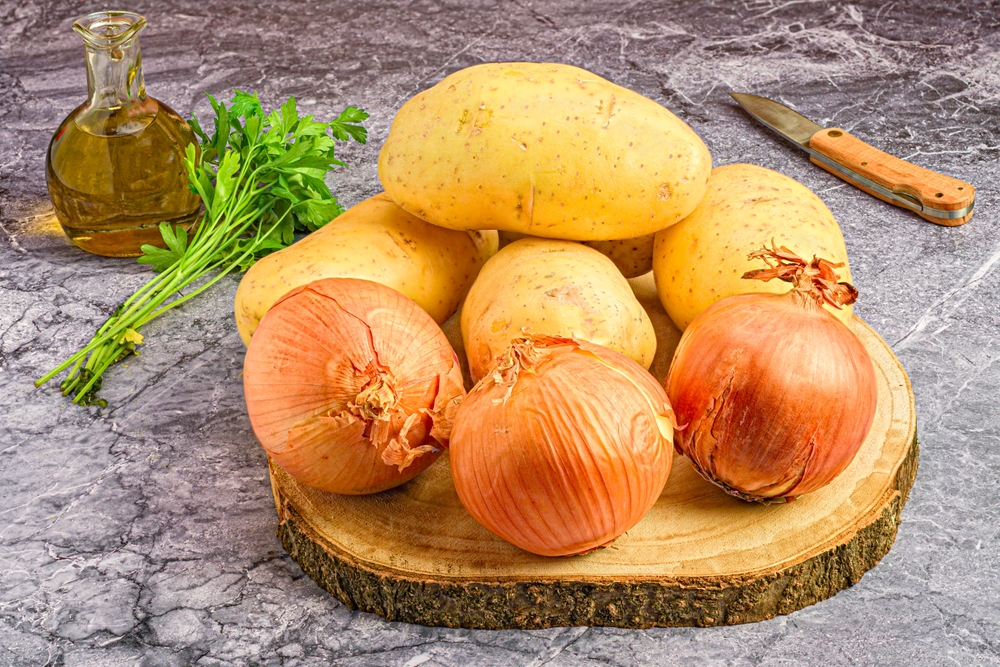
Many households make the mistake of storing onions and potatoes in the same bin, but this causes problems fast. Onions release gases and moisture that make potatoes sprout prematurely. Potatoes also emit humidity that encourages mold growth on onions. The best way to store them is apart, in dry, well-ventilated areas. Potatoes prefer darkness and slightly cooler air, while onions need light airflow to prevent spoilage. Keeping them in separate baskets or mesh bags can make both last weeks longer.
Cucumbers and Tomatoes
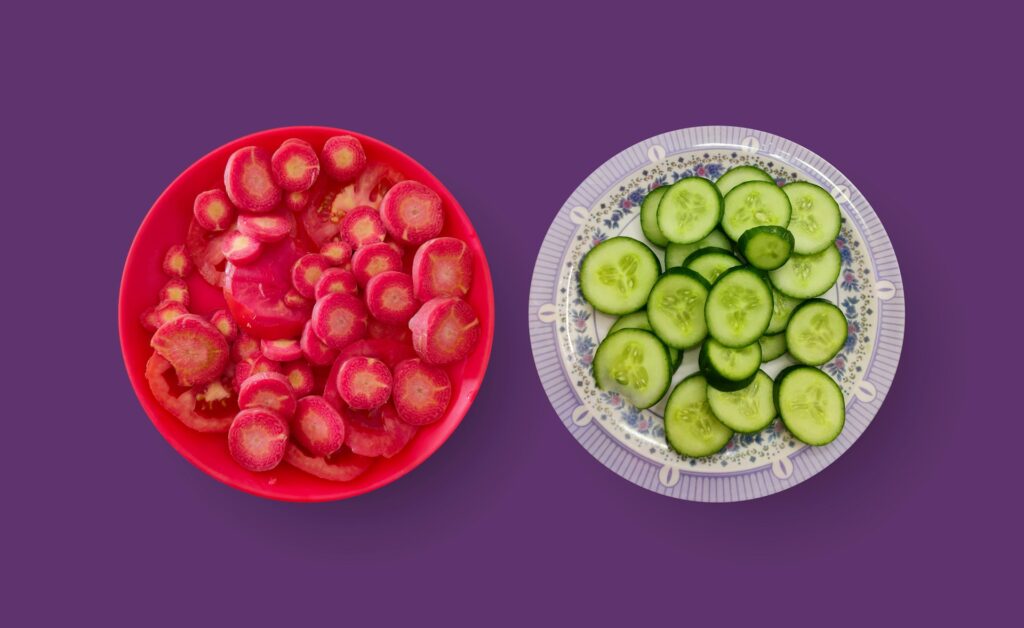
Cucumbers are delicate and sensitive to ethylene, while tomatoes produce plenty of it. Storing them together leads to soft, watery cucumbers that lose flavor. Tomatoes also do not thrive in the fridge because cold temperatures change their texture. The ideal setup is to keep cucumbers refrigerated in a crisper drawer and tomatoes at room temperature until ripe. Once separated, both stay firmer and more flavorful for longer periods.
Garlic and Onions
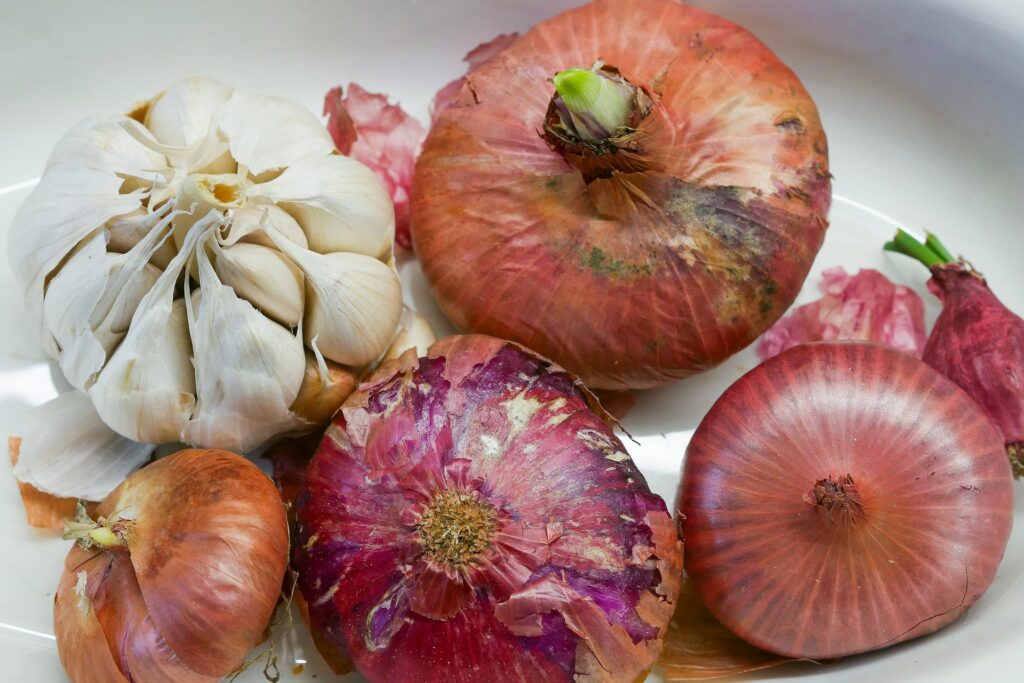
Despite being flavor partners in cooking, garlic and onions have different storage needs. Garlic requires dry air and minimal humidity to stay firm, while onions need moderate moisture to avoid shriveling. Storing them together causes garlic to sprout early and onions to develop soft spots. Place garlic in a ventilated basket away from sunlight, and store onions separately in a mesh bag. This prevents odor transfer and keeps both ingredients usable for several months.
Bananas and Avocados
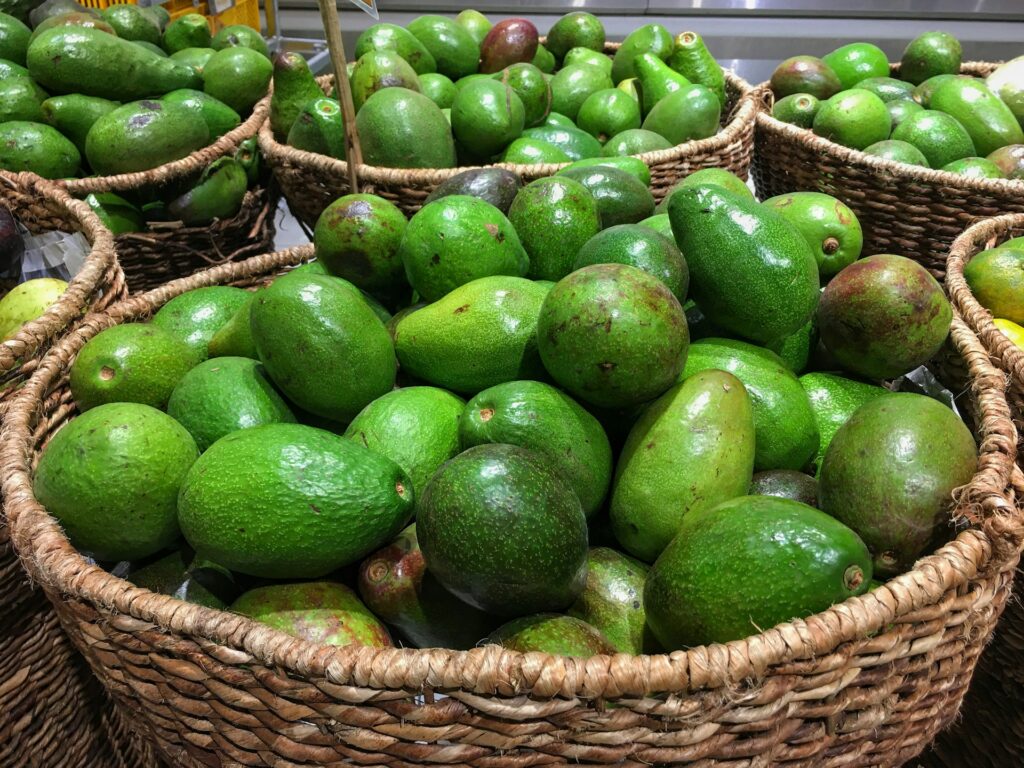
Bananas produce high amounts of ethylene, which speeds up avocado ripening. If placed together, the avocados will become soft within a day or two. While this can be useful if you want ripe avocados quickly, it shortens storage time drastically. For longer freshness, keep avocados away from bananas and store them at room temperature until slightly soft, then move to the fridge. Only pair them when you intentionally want to ripen avocados faster.
Apples and Carrots
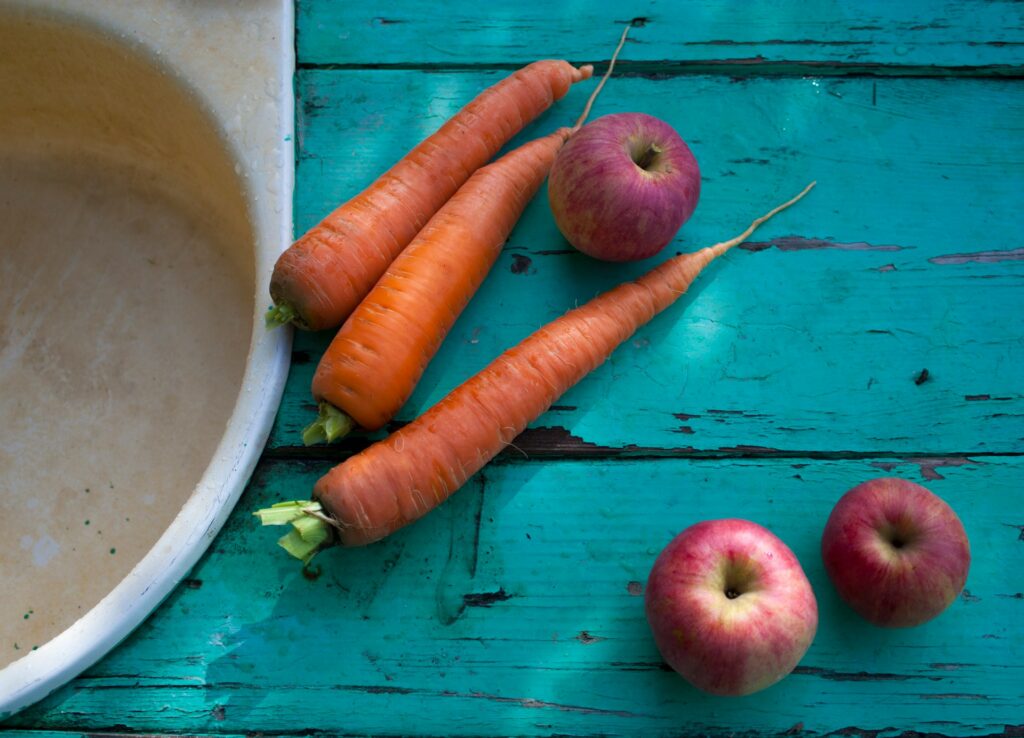
Carrots absorb ethylene gas easily, and apples emit plenty of it. When stored together, the carrots develop a bitter taste and lose their crunch. Apples also lose some moisture when kept near high-water vegetables like carrots. Store carrots in sealed bags or containers inside the fridge, and keep apples in a cool, dry area. This prevents unwanted flavor changes and keeps textures crisp and appealing.
Tomatoes and Leafy Greens
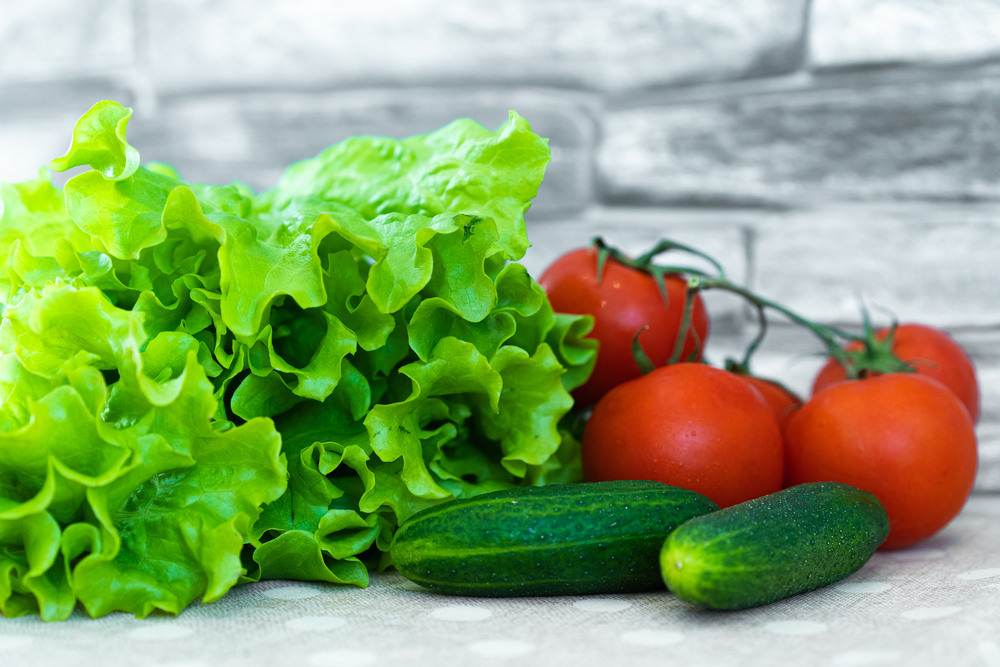
Leafy greens such as lettuce, kale, and spinach are especially vulnerable to ethylene gas from tomatoes. When stored together, the greens wilt, discolor, and become slimy in a short time. Tomatoes stay best at room temperature until ripe, while greens belong in a high-humidity drawer inside the fridge. Using separate storage ensures that salads stay fresher and more appetizing for days instead of hours.
Bread and Refrigerated Foods
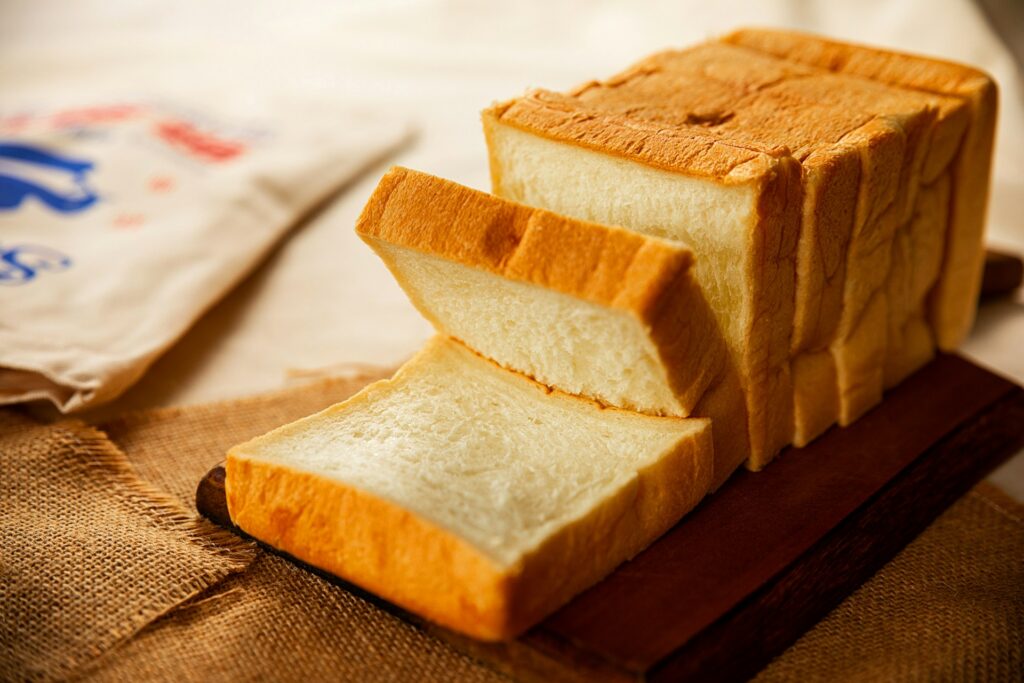
Bread should never share space with cold or damp foods in the refrigerator. The cold environment dries out bread and gives it a tough texture, while nearby foods can transfer unwanted smells. Dairy and meats, for example, can make bread taste stale. Bread is best kept in a sealed bag or bread box at room temperature, away from sunlight. If long-term storage is needed, freezing is a better choice than refrigeration.
Apples and Oranges
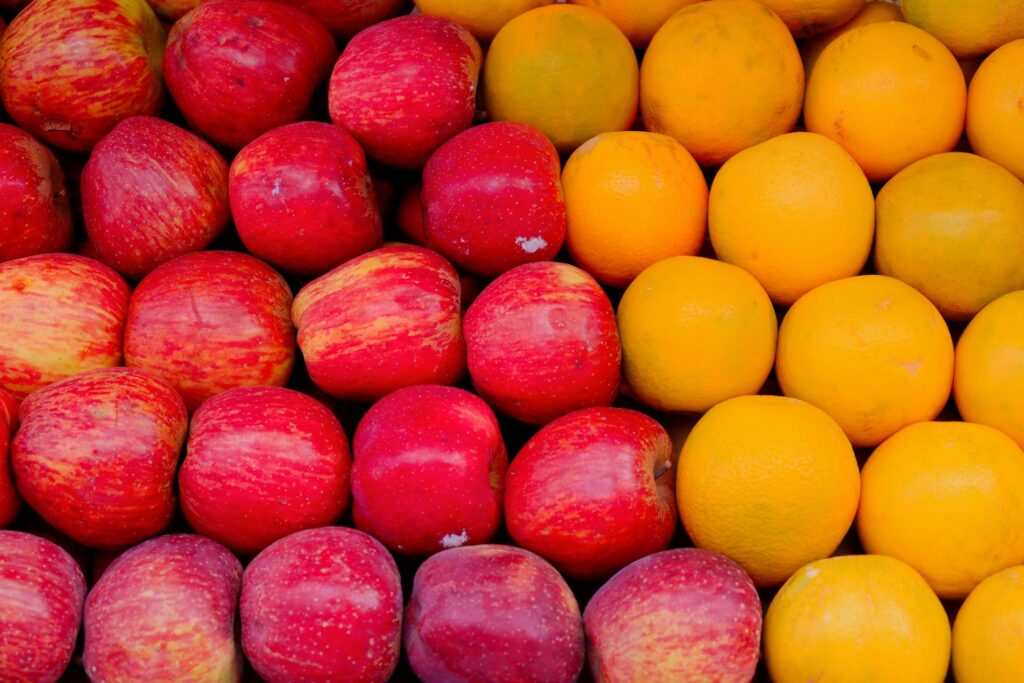
Although both are fruits, apples and oranges have very different storage needs. Apples prefer cool and humid environments, while oranges need a drier setting to avoid mold. When stored together, both lose freshness quickly. Apples soften and lose crispness, while oranges can develop an unpleasant flavor. Keeping them in separate drawers or fruit bowls prevents cross-contamination and preserves taste.
Cheese and Fish
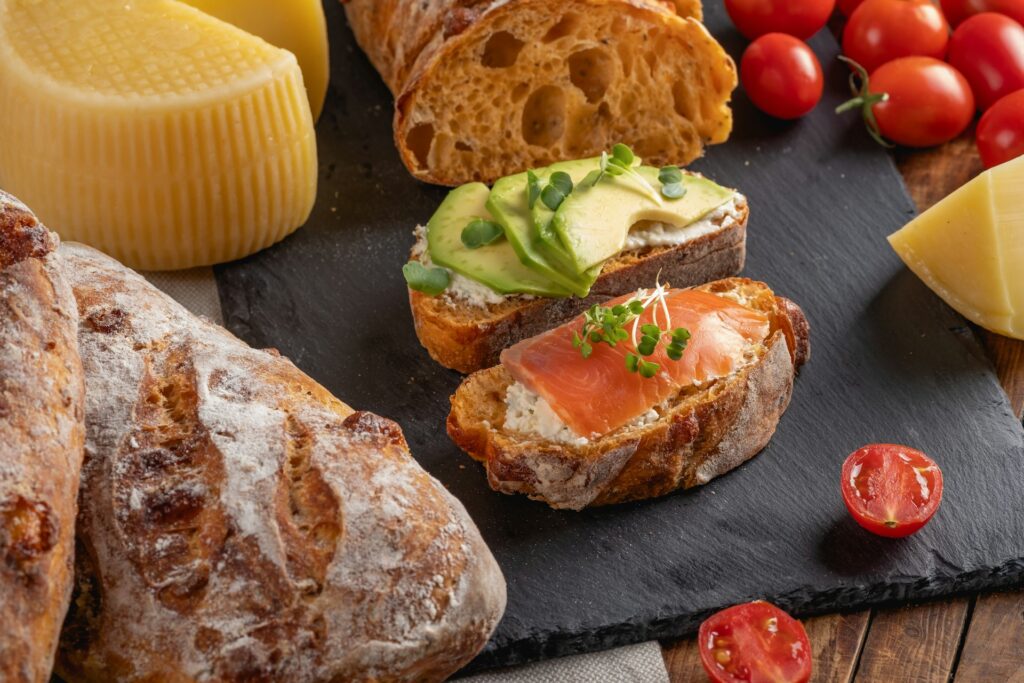
Cheese easily absorbs nearby odors, especially from strong-smelling foods like fish. Even sealed fish containers can affect cheese aroma and taste. To prevent this, keep cheese in its own section of the fridge, ideally wrapped in wax paper or in a closed container. Fish should be stored in a cold zone, tightly wrapped to contain smell and moisture. This simple separation maintains the integrity of both ingredients.
Food For Thought
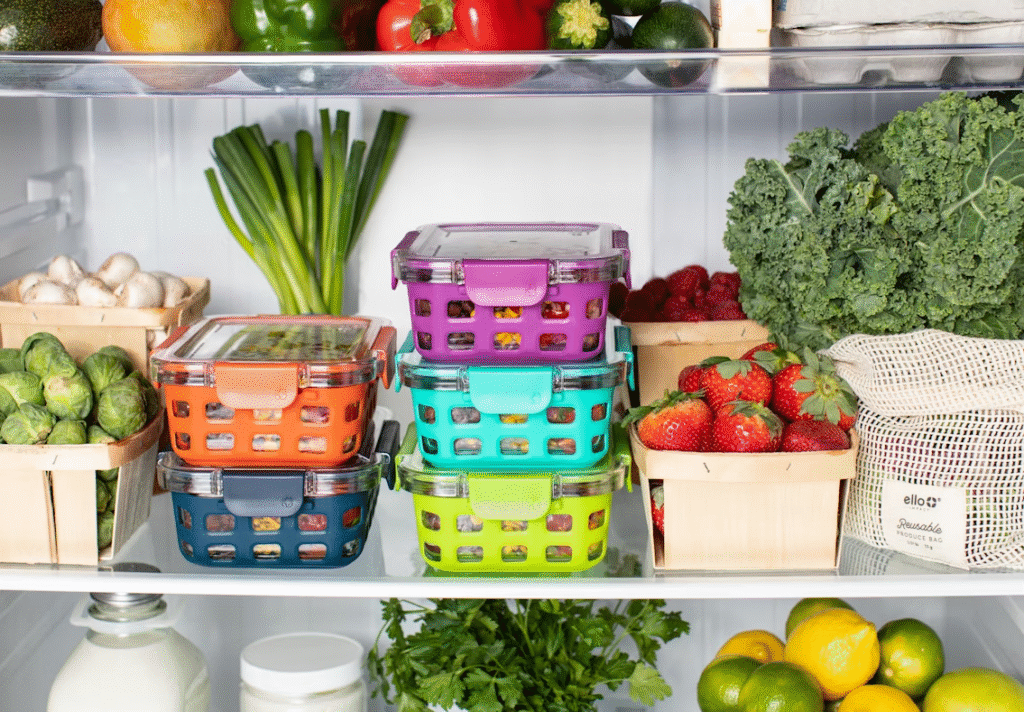
Each fruit and vegetable releases gases and moisture in unique ways, influencing those nearby. Ethylene gas is often the main reason foods spoil prematurely, while moisture transfer and odor absorption cause flavor loss. Learning which foods to separate extends freshness and reduces waste. With just a few changes in storage habits, any kitchen can save money, keep produce vibrant, and enjoy better-tasting meals every day.
Read More: 9 Foods You Should Never Defrost on the Counter
Disclaimer: This article was created with AI assistance and edited by a human for accuracy and clarity.