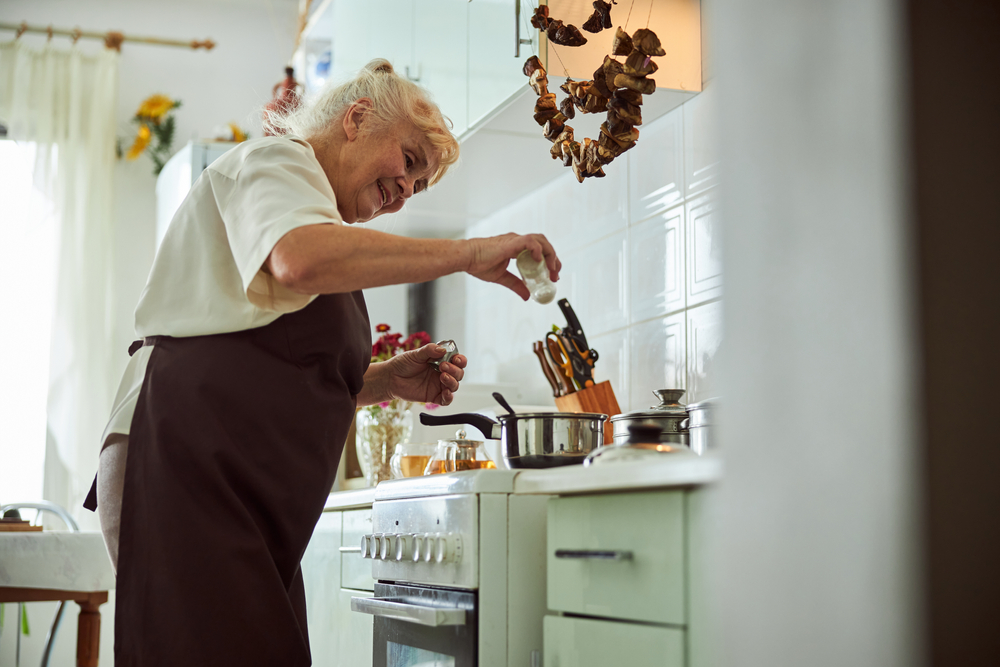

Grandmothers had a way of making delicious meals without digital timers, fancy gadgets, or complicated recipes. Their kitchens were filled with time-tested techniques based on experience, observation, and simple ingredients. These old-school hacks often get overlooked today, yet many still hold up under modern cooking standards. Here are ten cooking tricks passed down from grandma that still work just as well today as they did decades ago.
Add a Pinch of Salt to Sweet Recipes
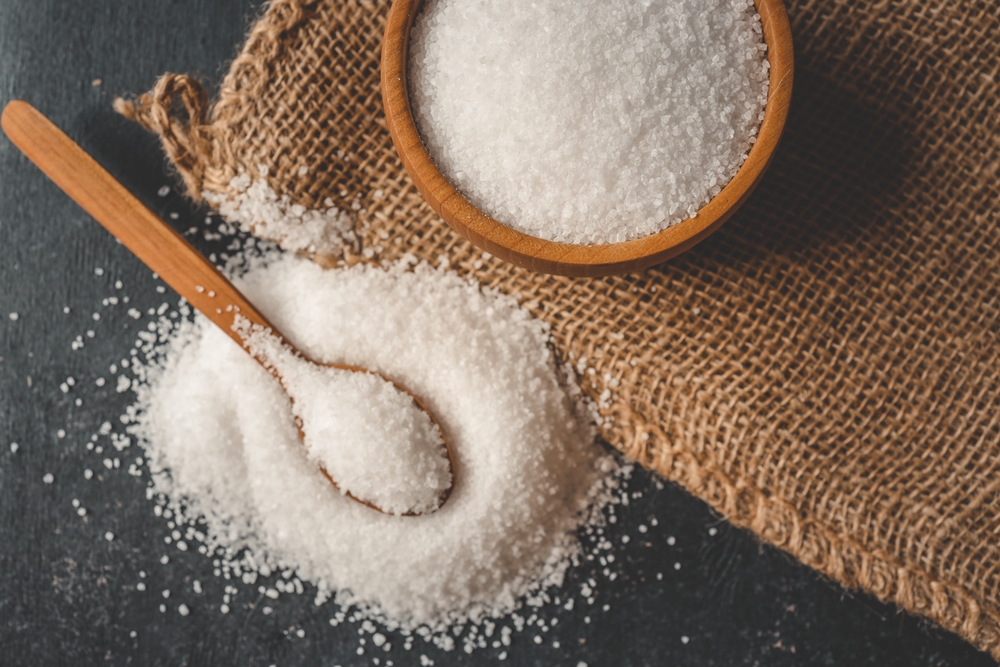
Salt boosts sweetness and balances flavor.
Although it may sound odd, a small amount of salt in desserts like cookies or cakes can improve their flavor dramatically. Salt neutralizes bitterness and enhances the perception of sweetness on the tongue. This simple addition helps desserts taste more complex and satisfying, and professional bakers still rely on it.
Keep Brown Sugar Soft with a Slice of Bread
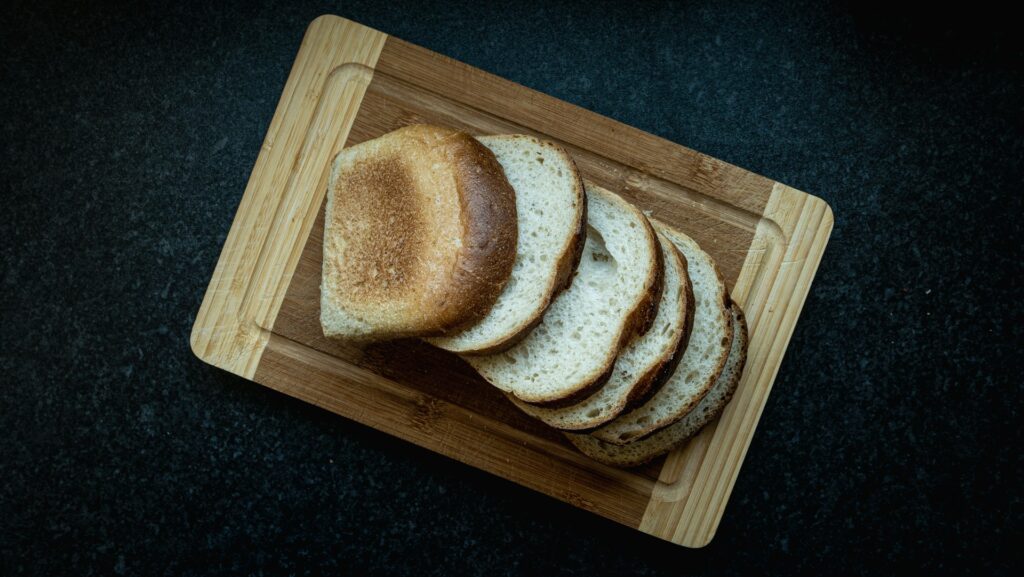
Bread shares its moisture to prevent sugar from hardening.
When brown sugar dries out, it clumps and becomes hard. Grandmothers knew that placing a slice of bread inside the container keeps it soft. The sugar draws moisture from the bread without growing mold, preserving its usable texture. This method works better than most store-bought fixes.
Use Vinegar in Water to Peel Eggs Easily
Acid breaks down the shell for clean peeling.
Peeling hard-boiled eggs can be frustrating, but adding vinegar to boiling water helps. The acidity softens the shell and separates it slightly from the egg white, making it easier to remove. Many still use this tip in modern kitchens because it reduces mess and broken eggs.
Soak Onions to Make Them Less Harsh
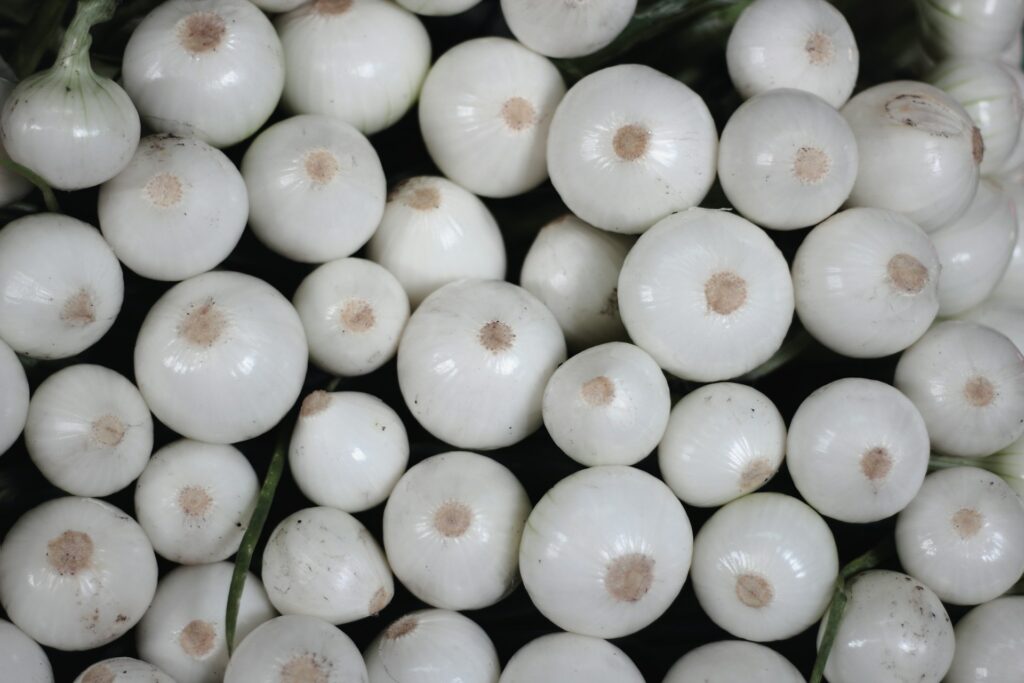
Water dilutes strong sulfur compounds.
To reduce the sting of raw onions in salads or sandwiches, grandmothers soaked them in cold water for a few minutes. This process draws out some of the sulfuric compounds responsible for their strong bite. The onions stay crisp but taste milder and sweeter.
Test Frying Oil with a Cube of Bread
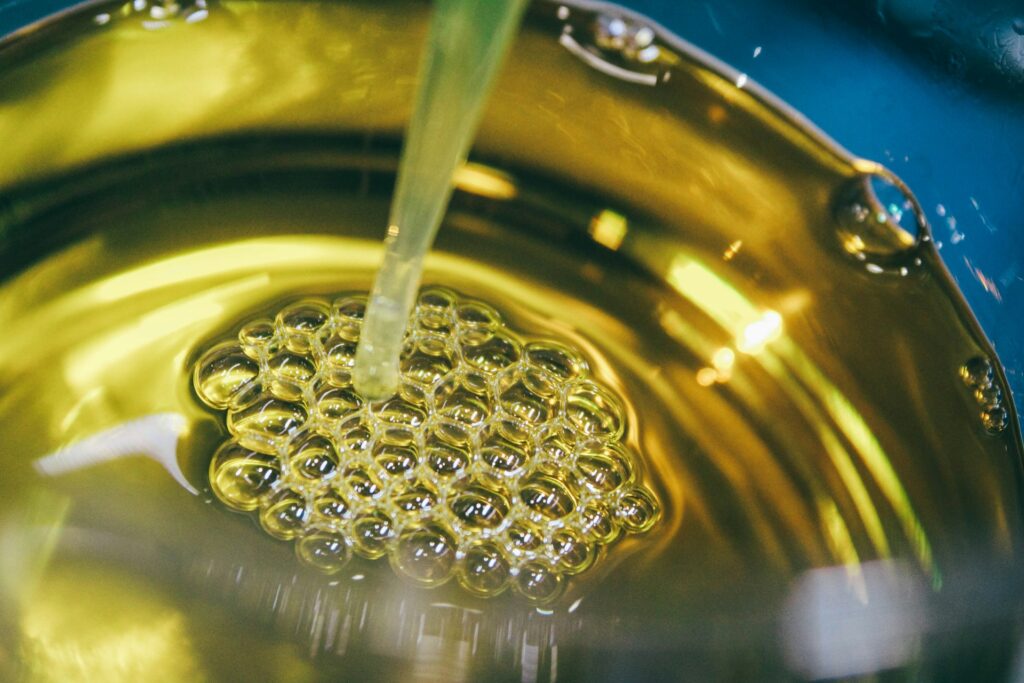
Bread turns golden at the right temperature.
Without thermometers, grandmothers checked oil temperature by dropping in a piece of bread. If it browned in about 60 seconds, the oil was hot enough for frying. This technique still works and is based on how starches brown at specific temperatures, typically around 180 degrees Celsius.
Stop Boil-Overs with a Wooden Spoon
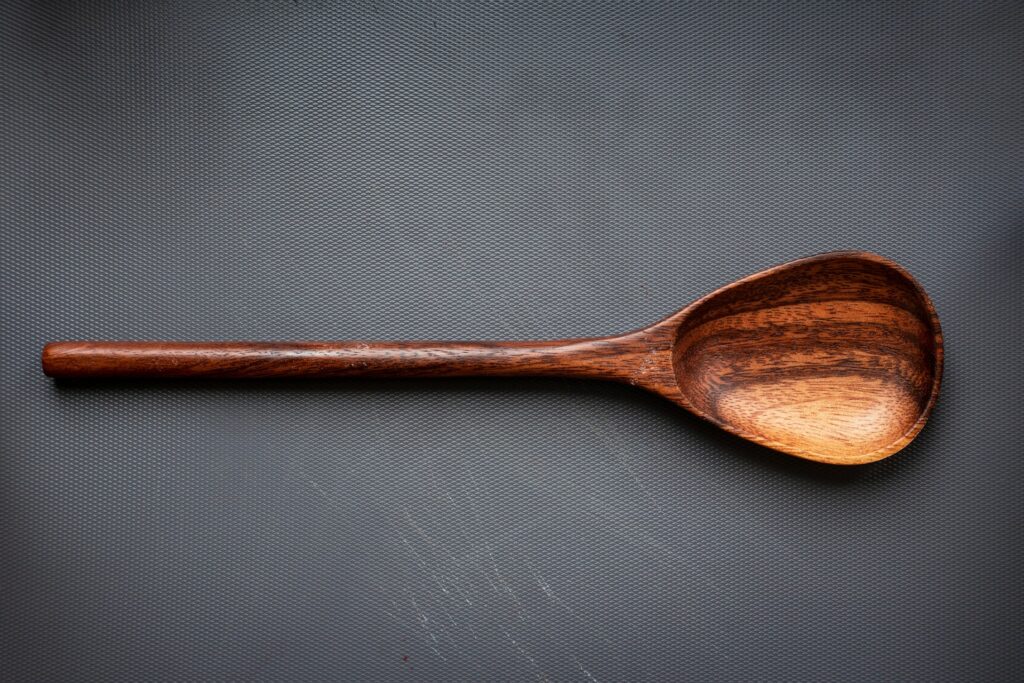
The spoon breaks bubble formation at the surface.
A wooden spoon placed across the top of a boiling pot can prevent foam from spilling over. Wood does not conduct heat well, so it cools the bubbles and causes them to collapse. This old trick helps avoid messy stove cleanup without constant supervision.
Prevent Fruit from Browning with Lemon Juice
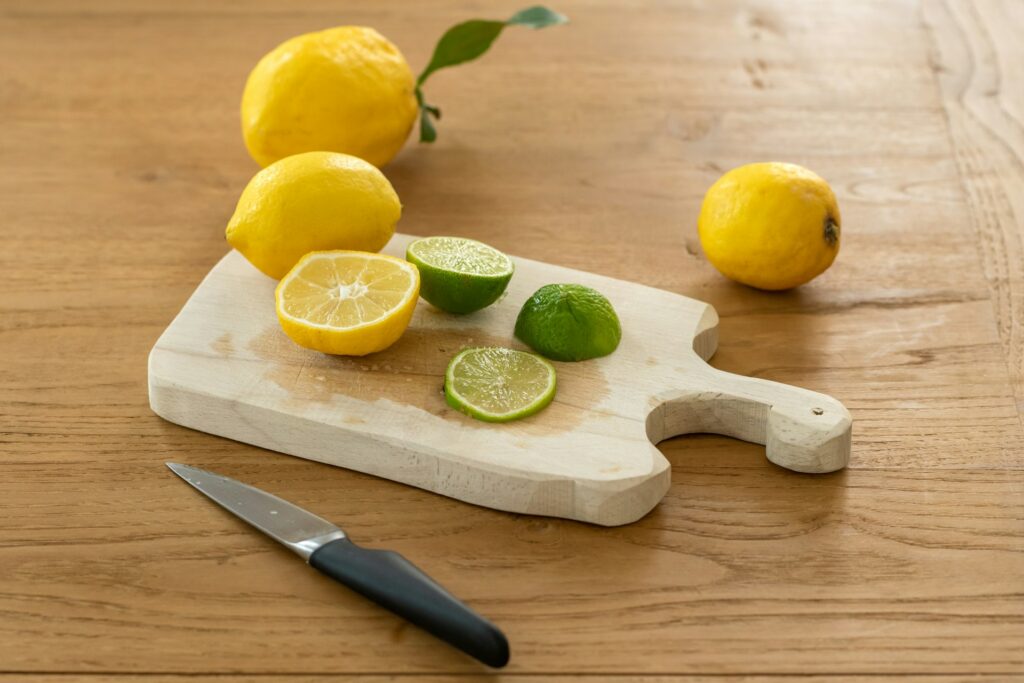
Acid slows down oxidation naturally.
Cut fruits like apples or pears brown quickly due to oxygen exposure. Grandmas squeezed lemon juice over slices to keep them fresh-looking. The citric acid acts as a natural antioxidant, delaying the browning process and preserving appearance and flavor without chemicals.
Add Baking Soda to Beans for Faster Cooking
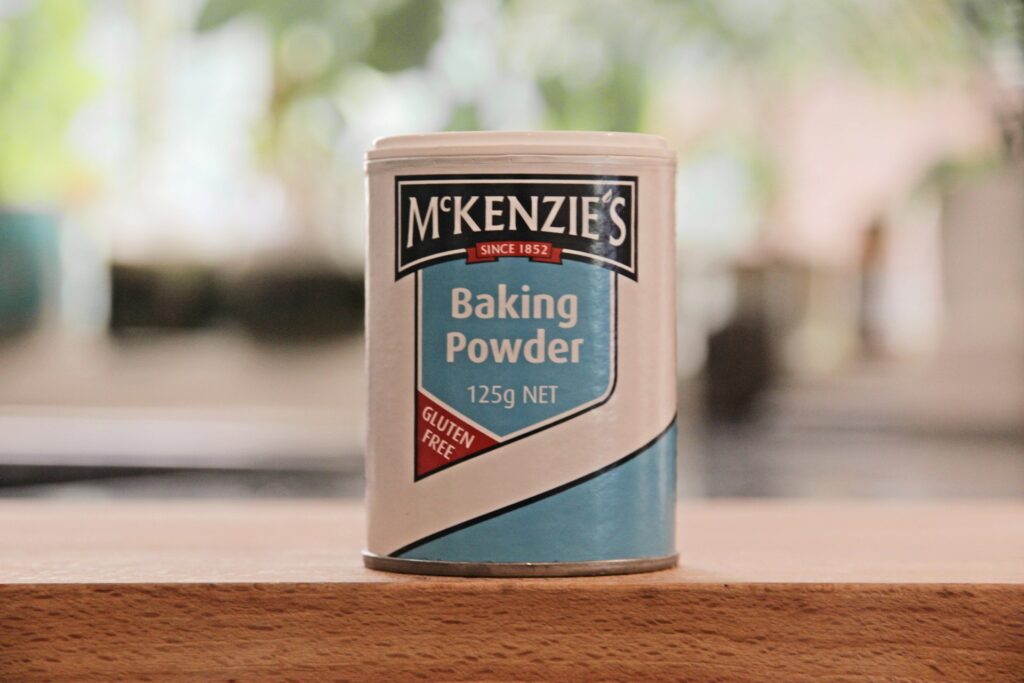
Alkaline conditions break down tough skins.
To soften beans more quickly, grandmothers added a pinch of baking soda to the cooking water. It raises the pH level, weakening pectin in the beans’ skins and reducing cooking time. Just a small amount is enough to make beans tender and creamy without altering taste.
Revive Stale Bread with Water and Heat
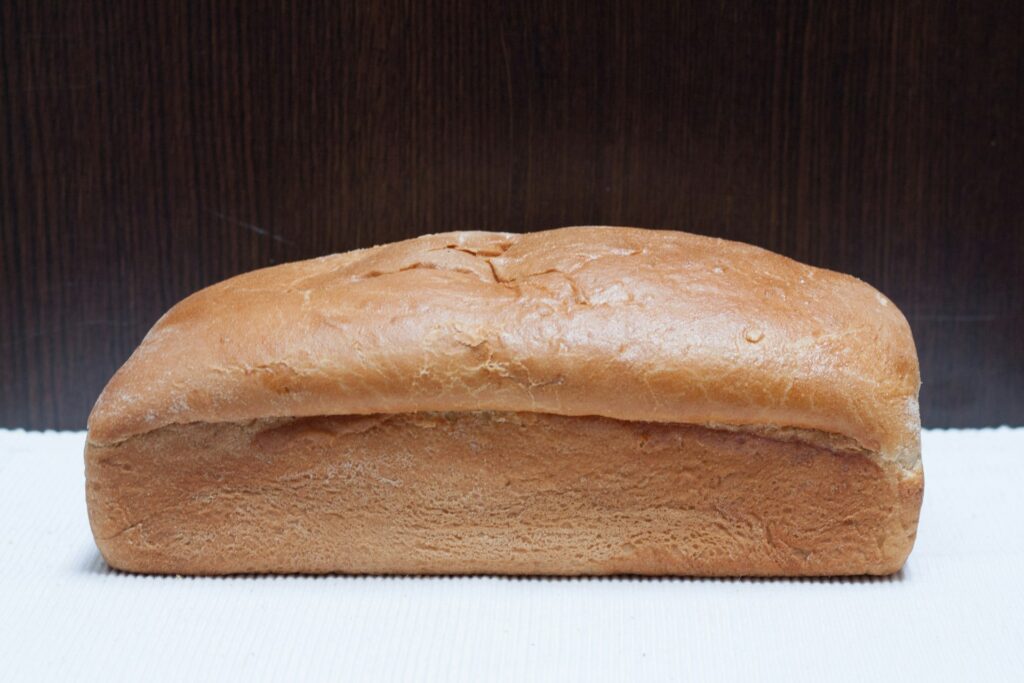
Steam restores moisture and texture.
When bread goes stale, lightly sprinkling it with water and reheating it in the oven brings it back to life. The water creates steam that rehydrates the interior while the oven crisps up the outside. This method works well on baguettes, rolls, and even sliced loaves.
Keep Sugar from Clumping with Dry Rice
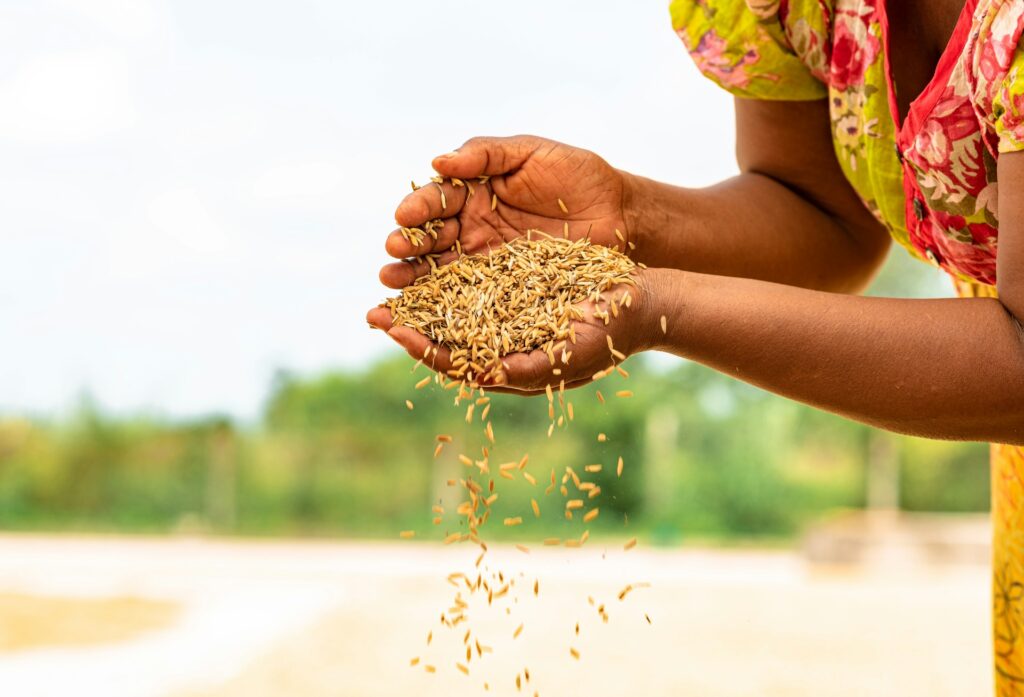
Rice absorbs moisture before sugar does.
To stop white sugar from turning lumpy, grandmas added a few grains of uncooked rice to the container. Rice absorbs humidity from the air, acting like a natural desiccant. This trick keeps sugar loose and easy to pour, especially in humid climates.
Grandma’s Kitchen Was a Science Lab in Disguise
Though grandmothers may not have had degrees in chemistry, their intuition and daily practice led them to discover cooking solutions that science now backs up. These hacks remain practical, affordable, and effective in modern kitchens. The wisdom of older generations continues to simplify cooking, proving that some traditions never go out of style.
Read More: 5 Foods That Help Your Skin Glow & 5 That Cause Break-Outs
Disclaimer: This article was created with AI assistance and edited by a human for accuracy and clarity.